
Current Issue
 Abstract
 FullText HTML
 PDF 1418KB
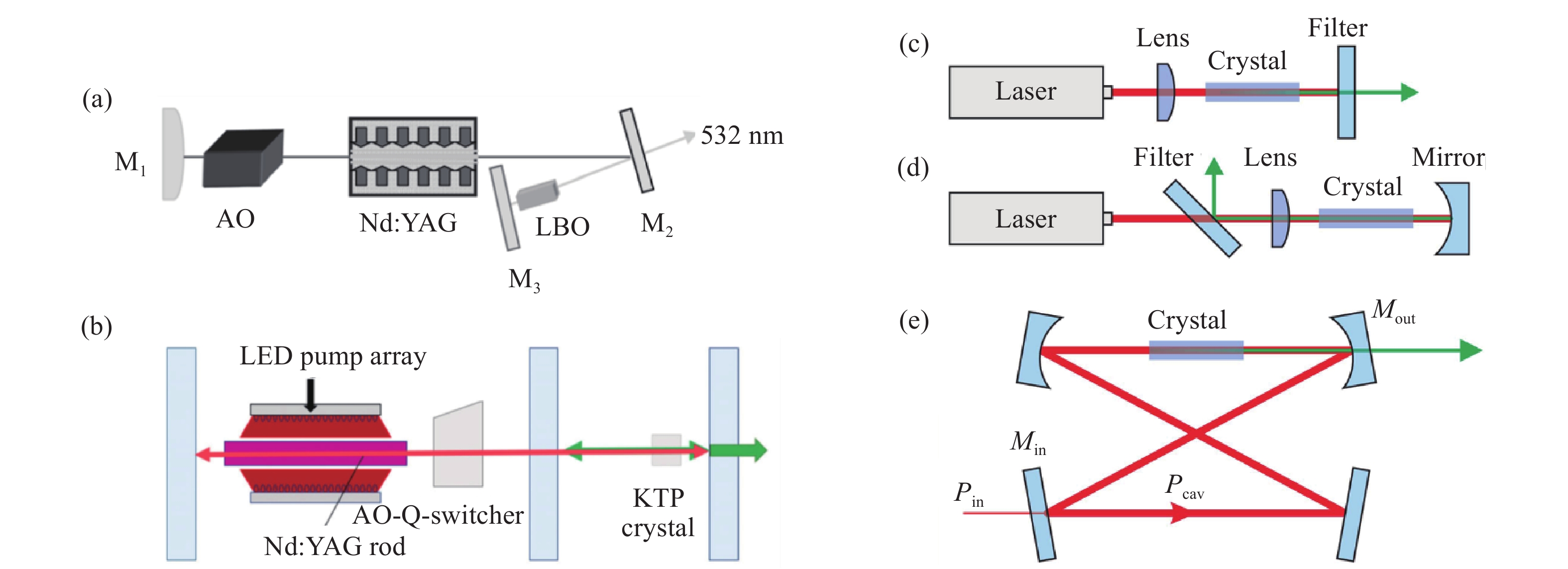
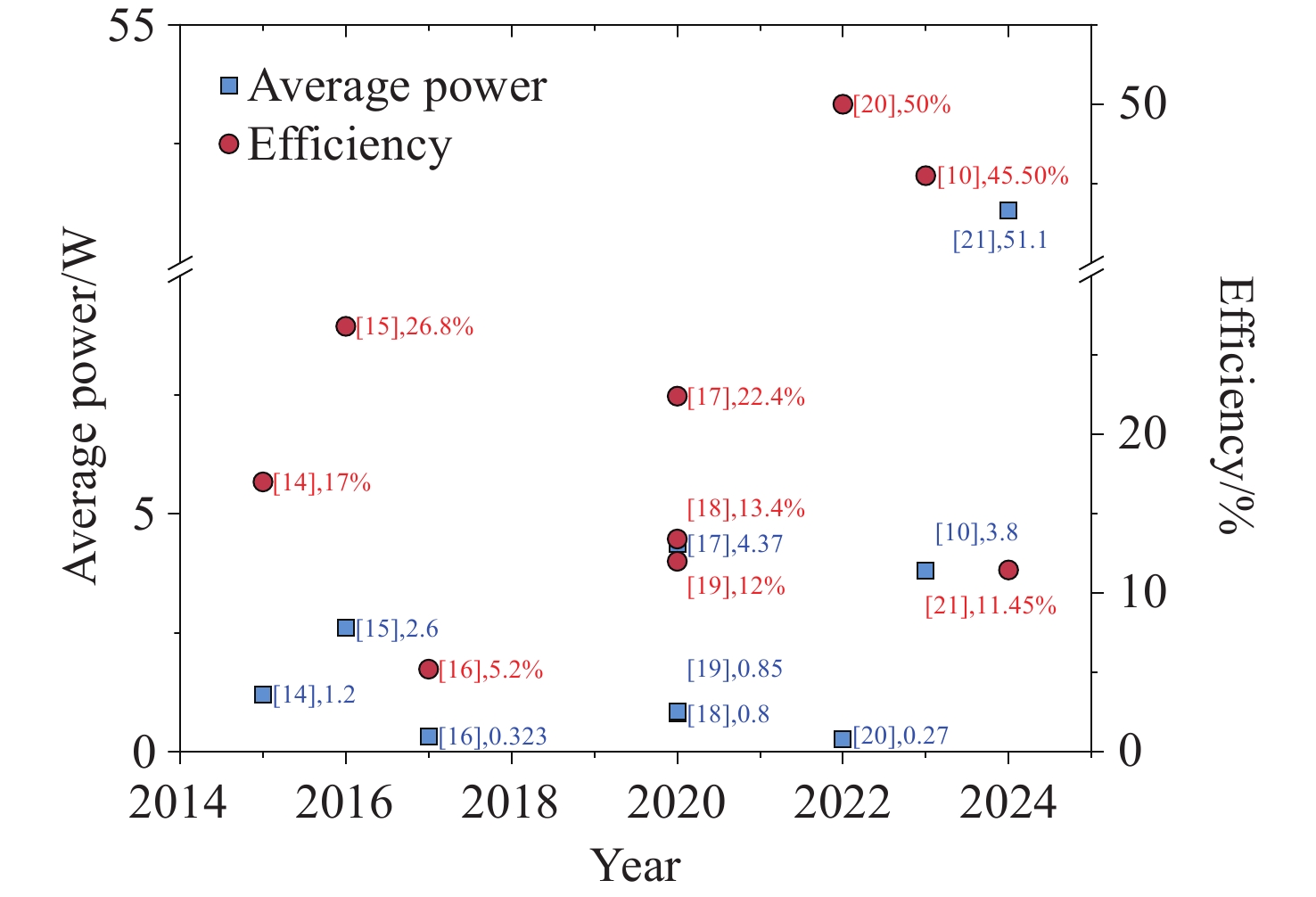
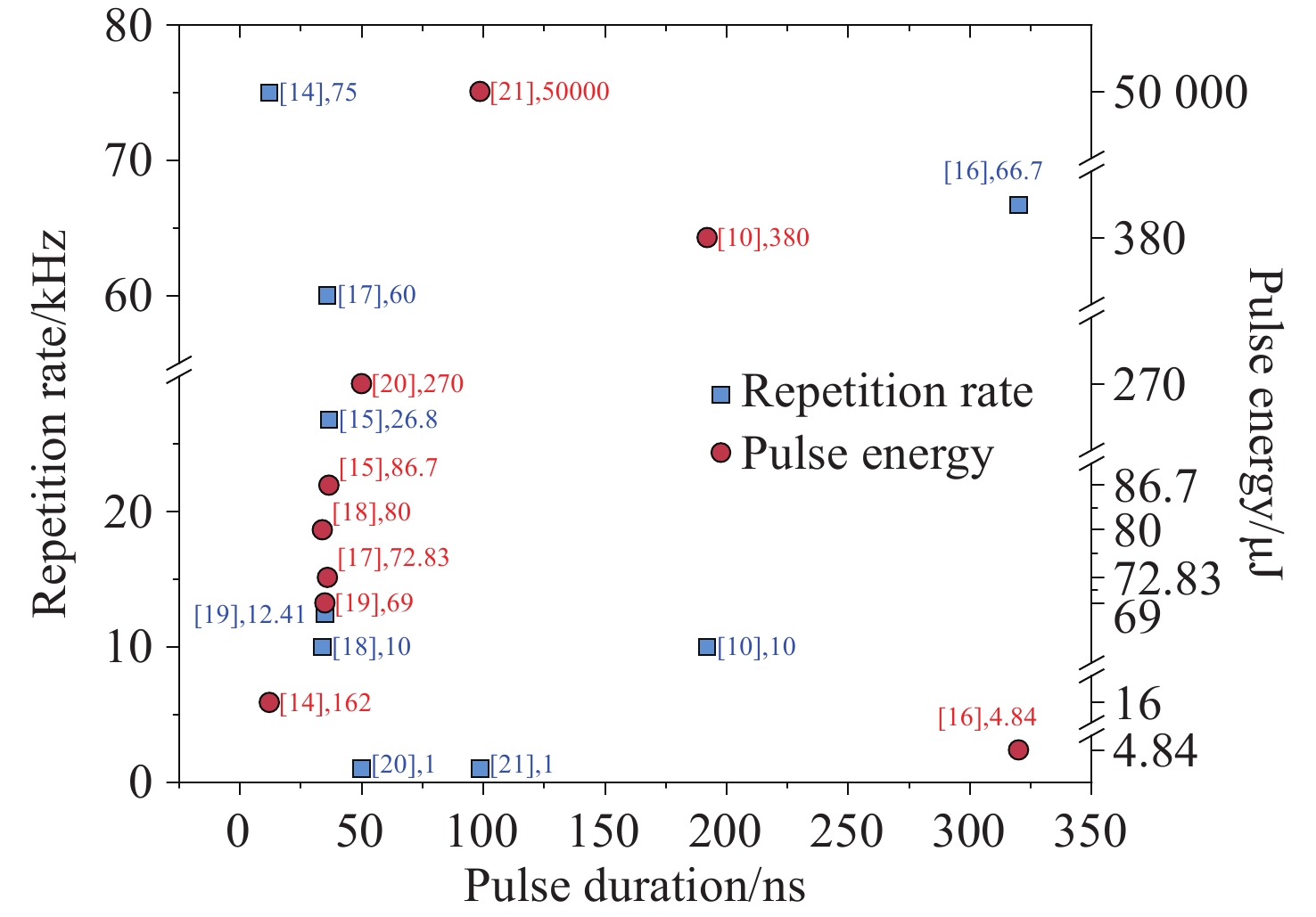
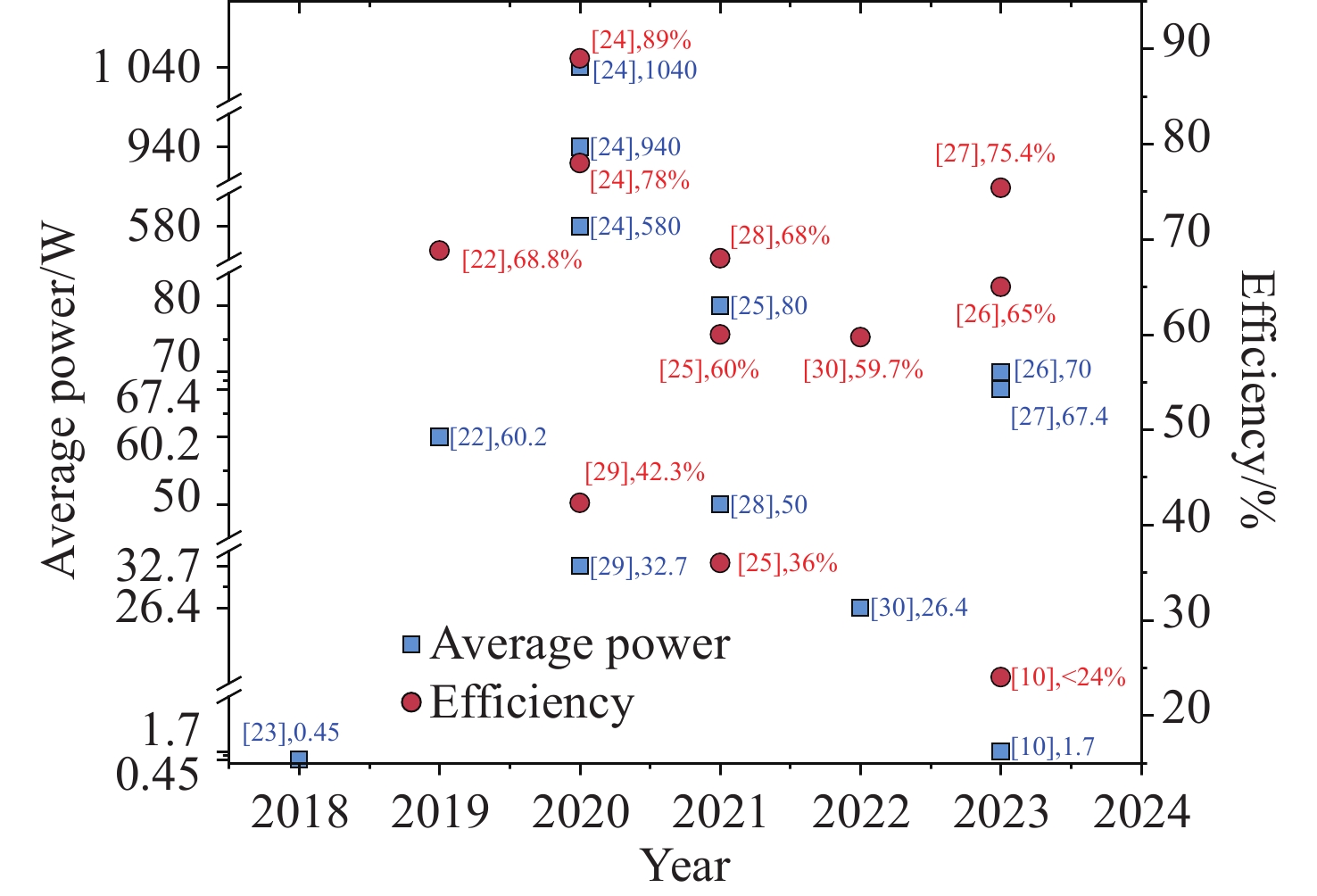
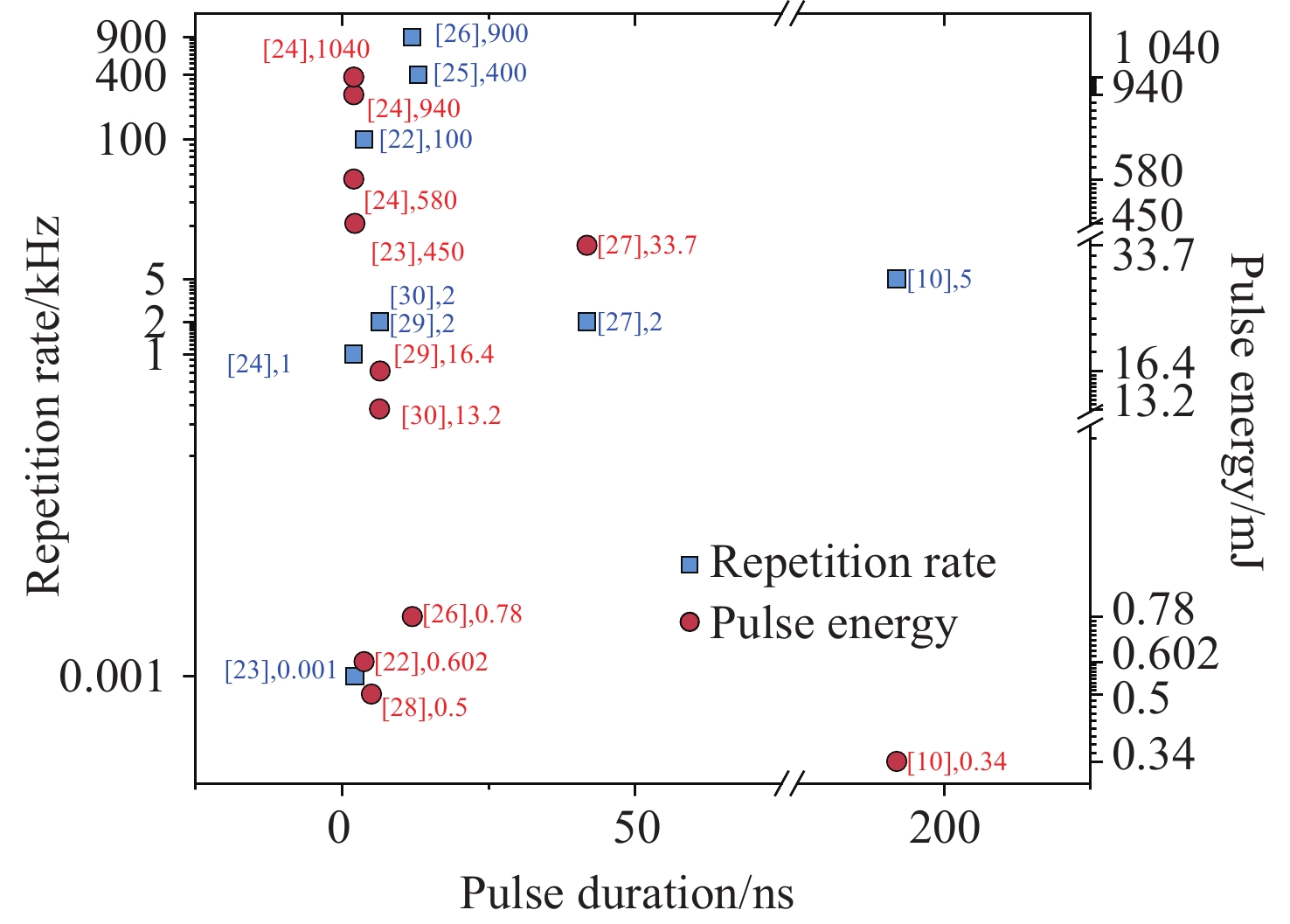
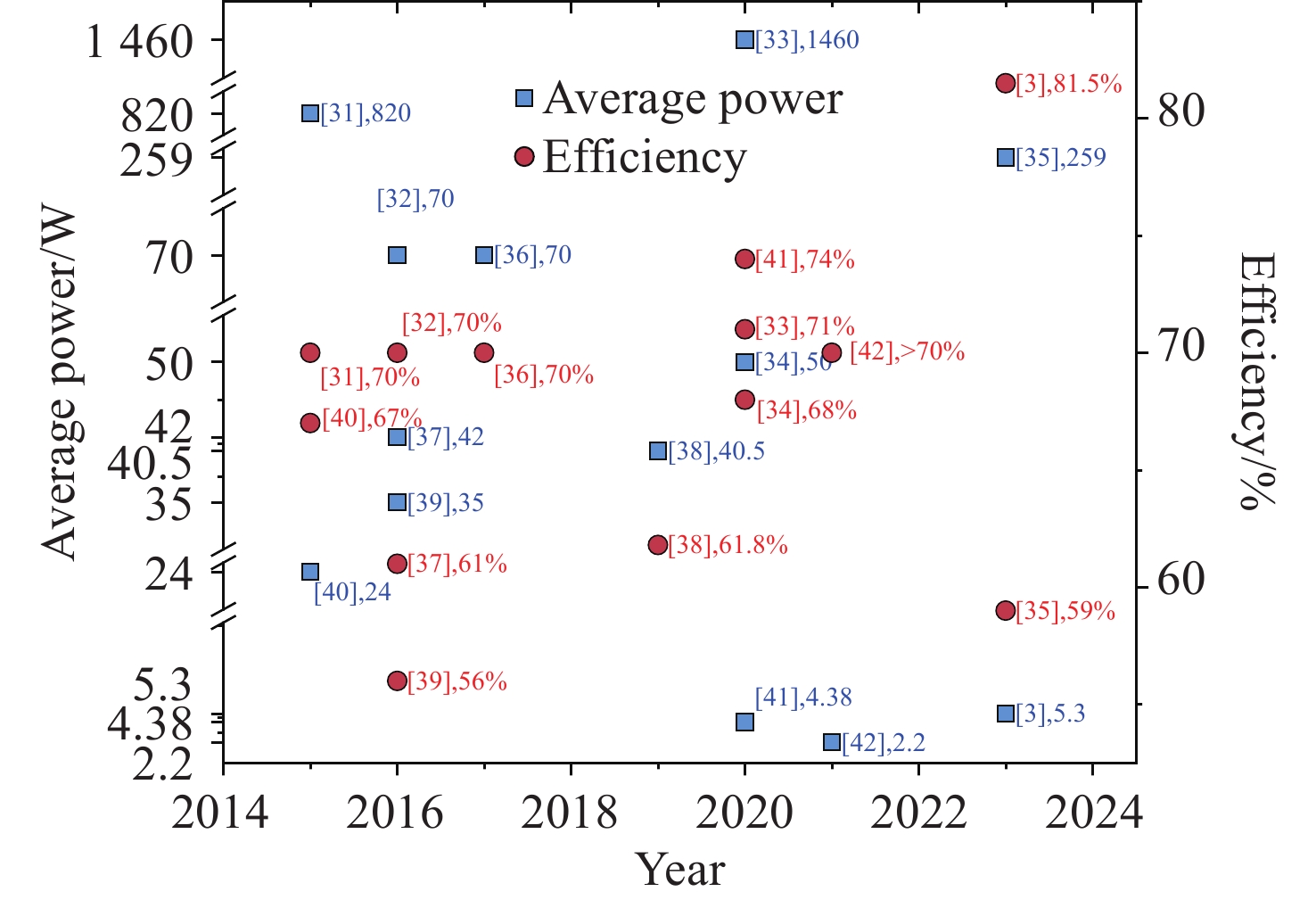
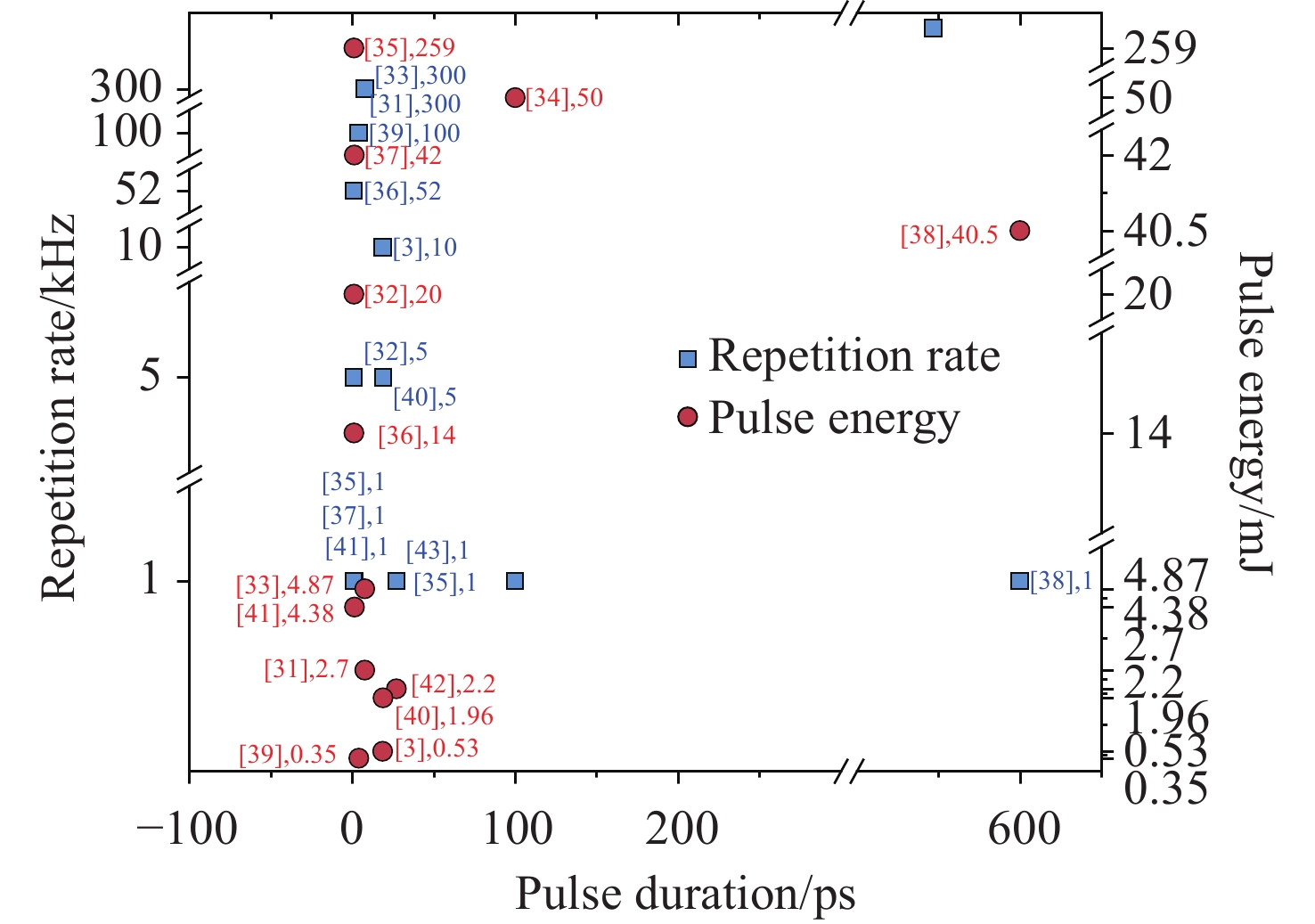
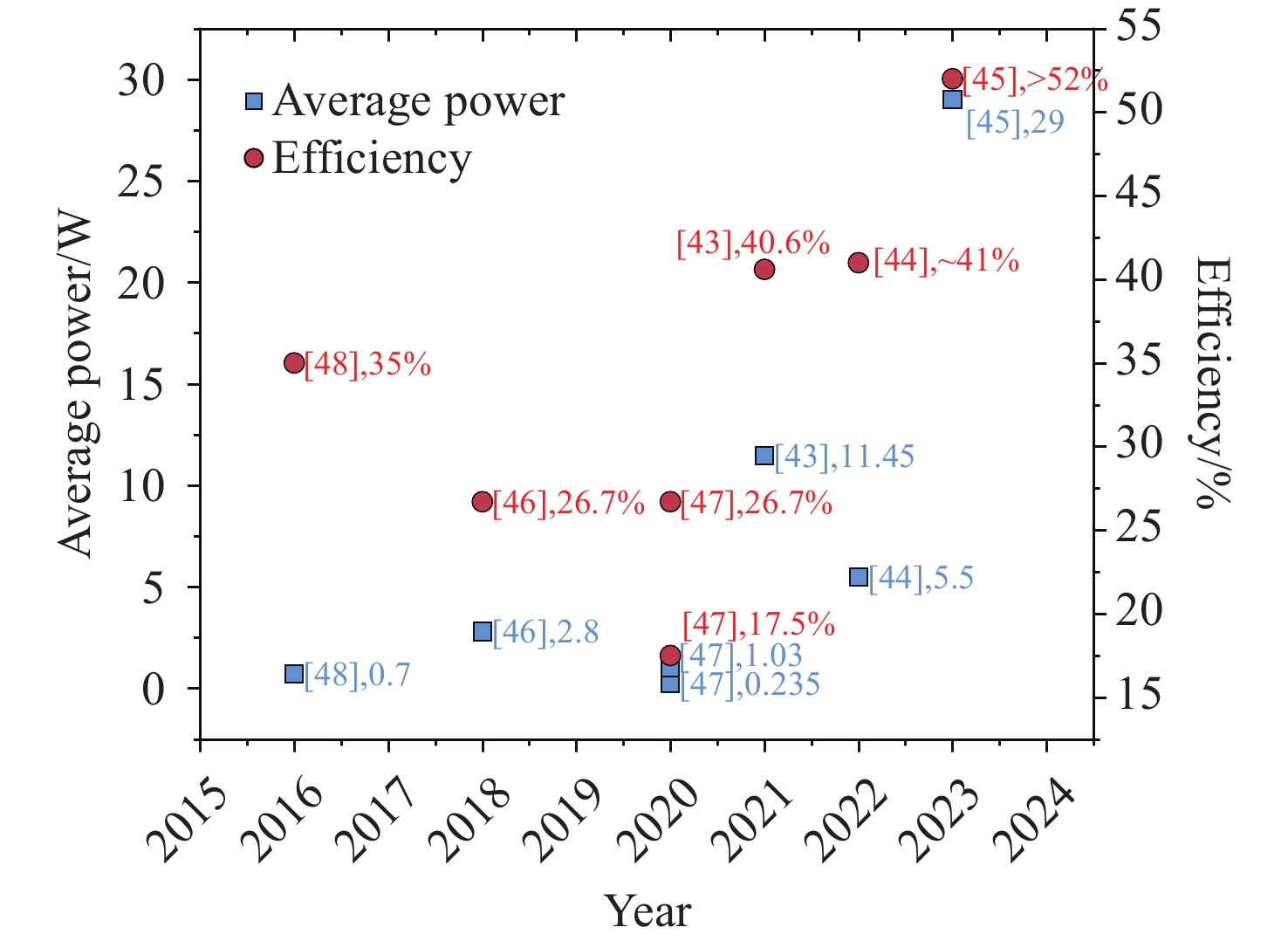
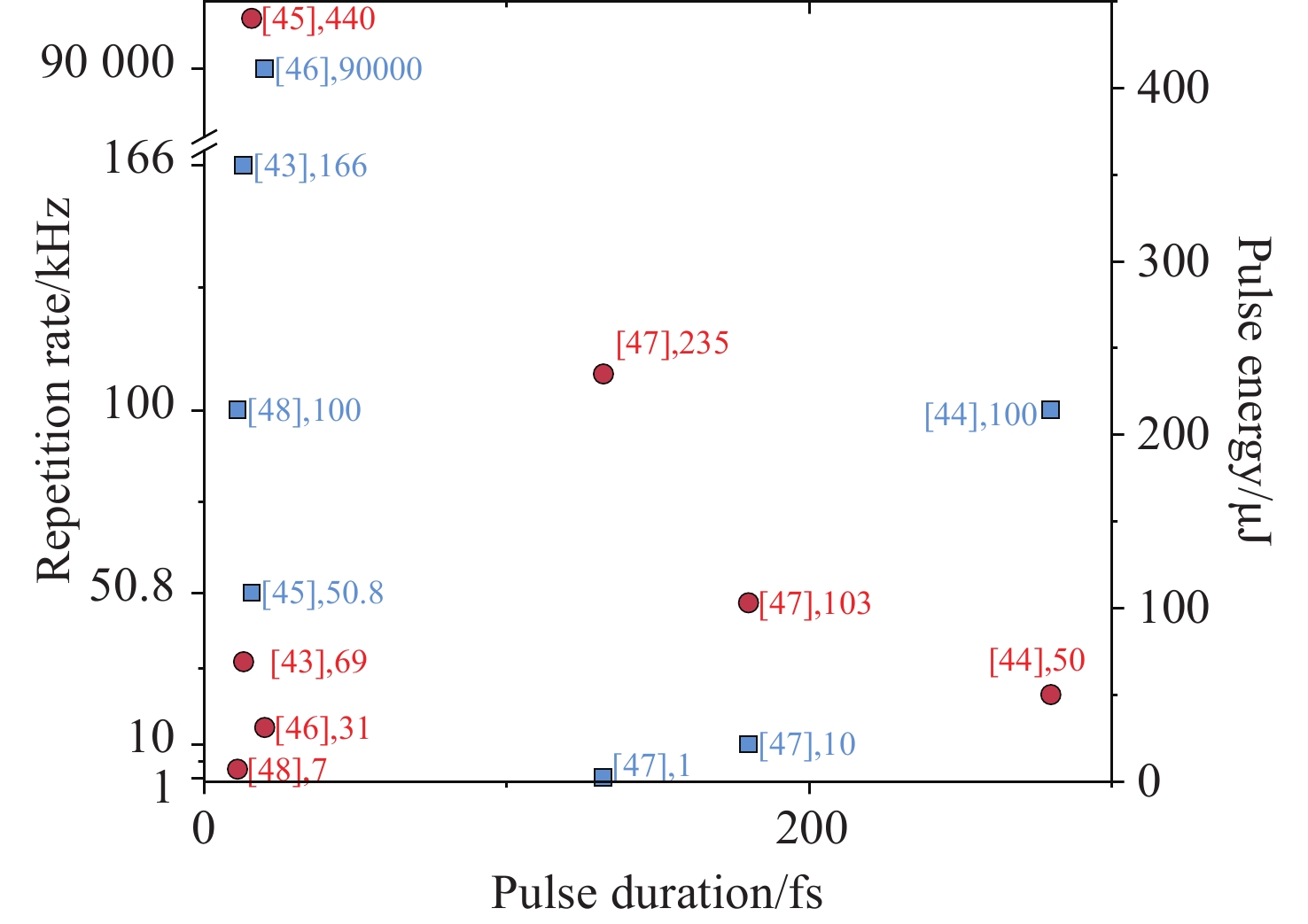
High-power, high-beam-quality short-pulse/ultrashort-pulse green lasers have wide applications in industry, medicine, and scientific research. To clarify the research progress of green light sources based on second-harmonic generation (SHG, frequency doubling), this paper systematically reviews the latest advancements in SHG green light sources at kilohertz repetition rates, categorized by pulse width and doubling scheme into four types: nanosecond intracavity doubling, nanosecond extracavity doubling, picosecond extracavity doubling, and femtosecond extracavity doubling. For nanosecond intracavity doubling, crystals such as KTP and LBO are used, with power increased to 51.1 W (energy 50 mJ, repetition rate 1 kHz) and efficiency of 50%. Nanosecond extracavity doubling primarily employs LBO, where tandem frequency-doubling crystals can elevate the doubling power to 1.04 kW (energy 1.04 J, efficiency 89%). Picosecond extracavity doubling achieves the highest average power of
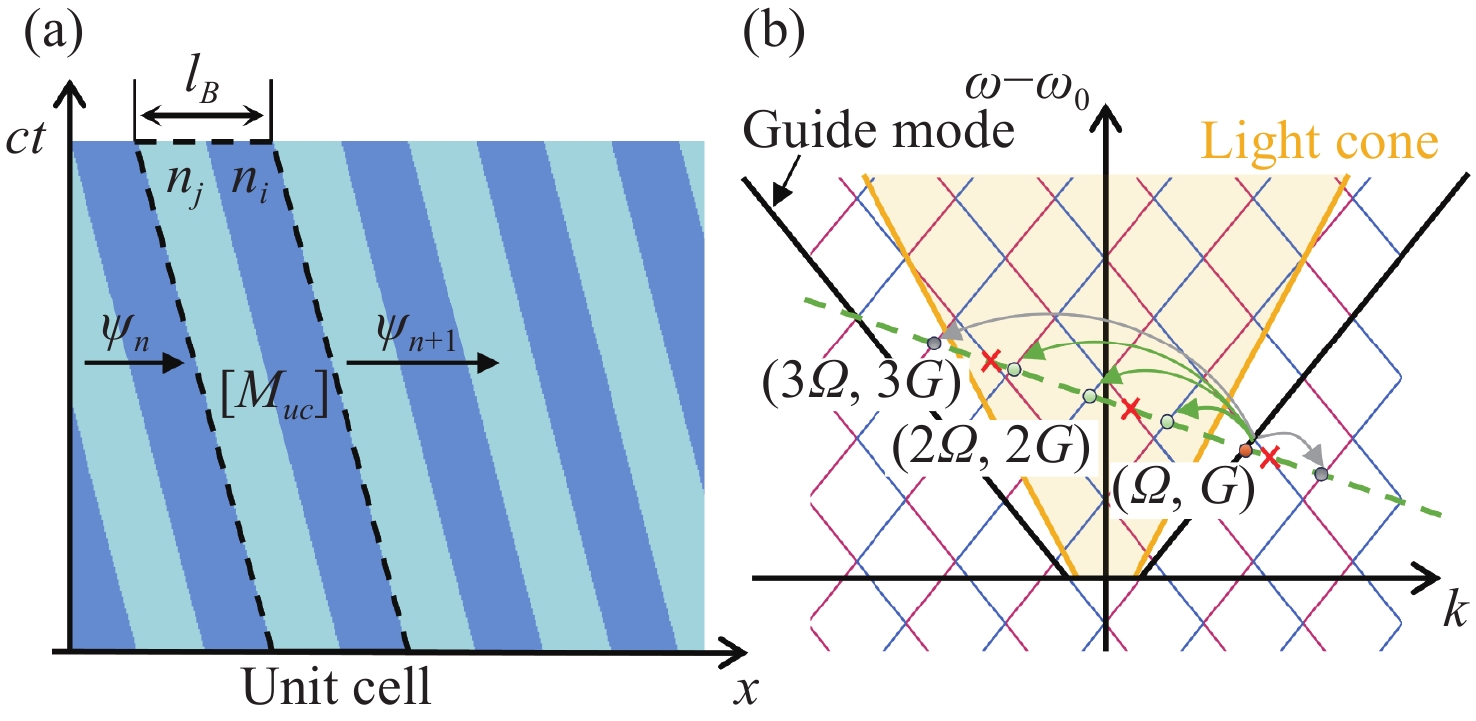
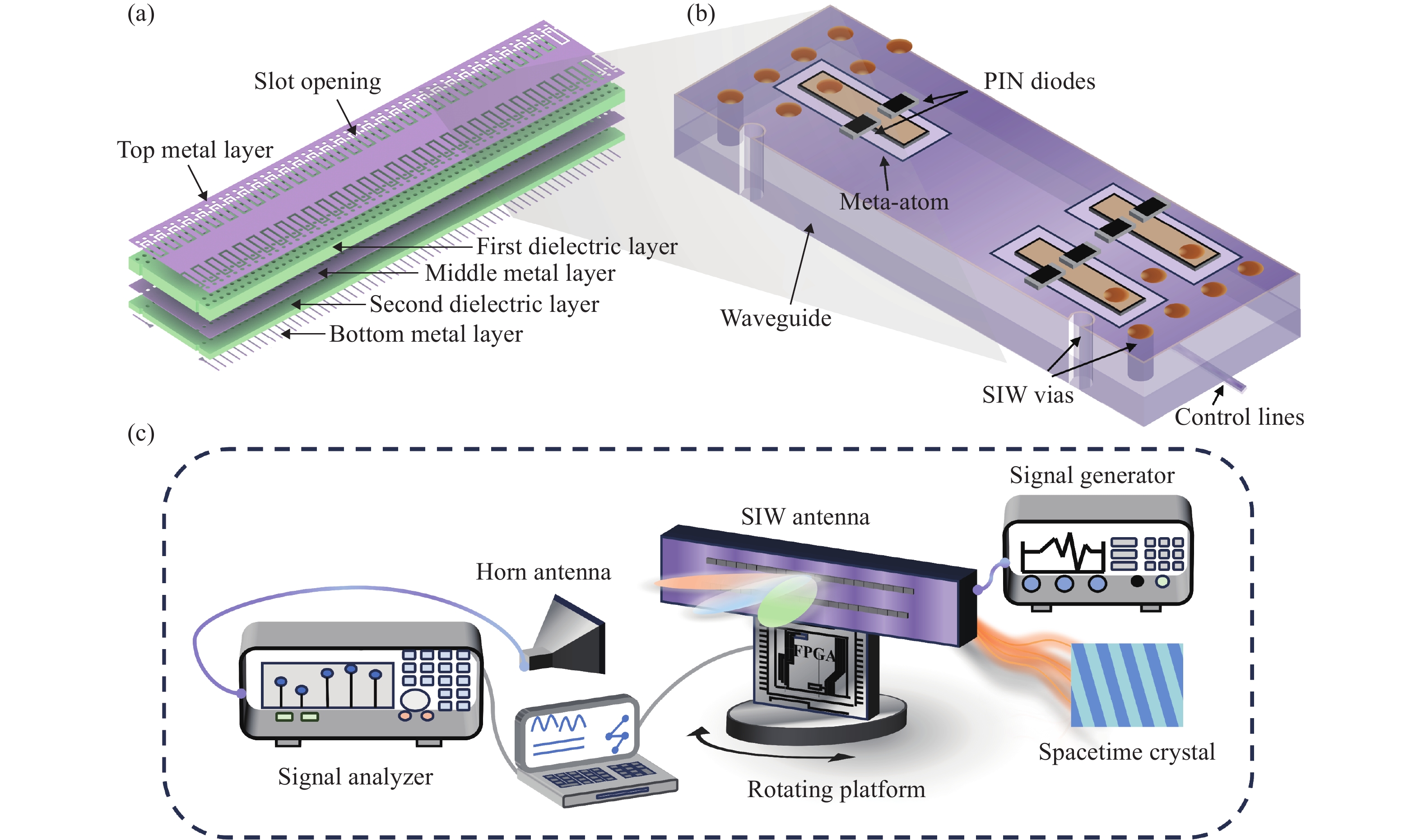
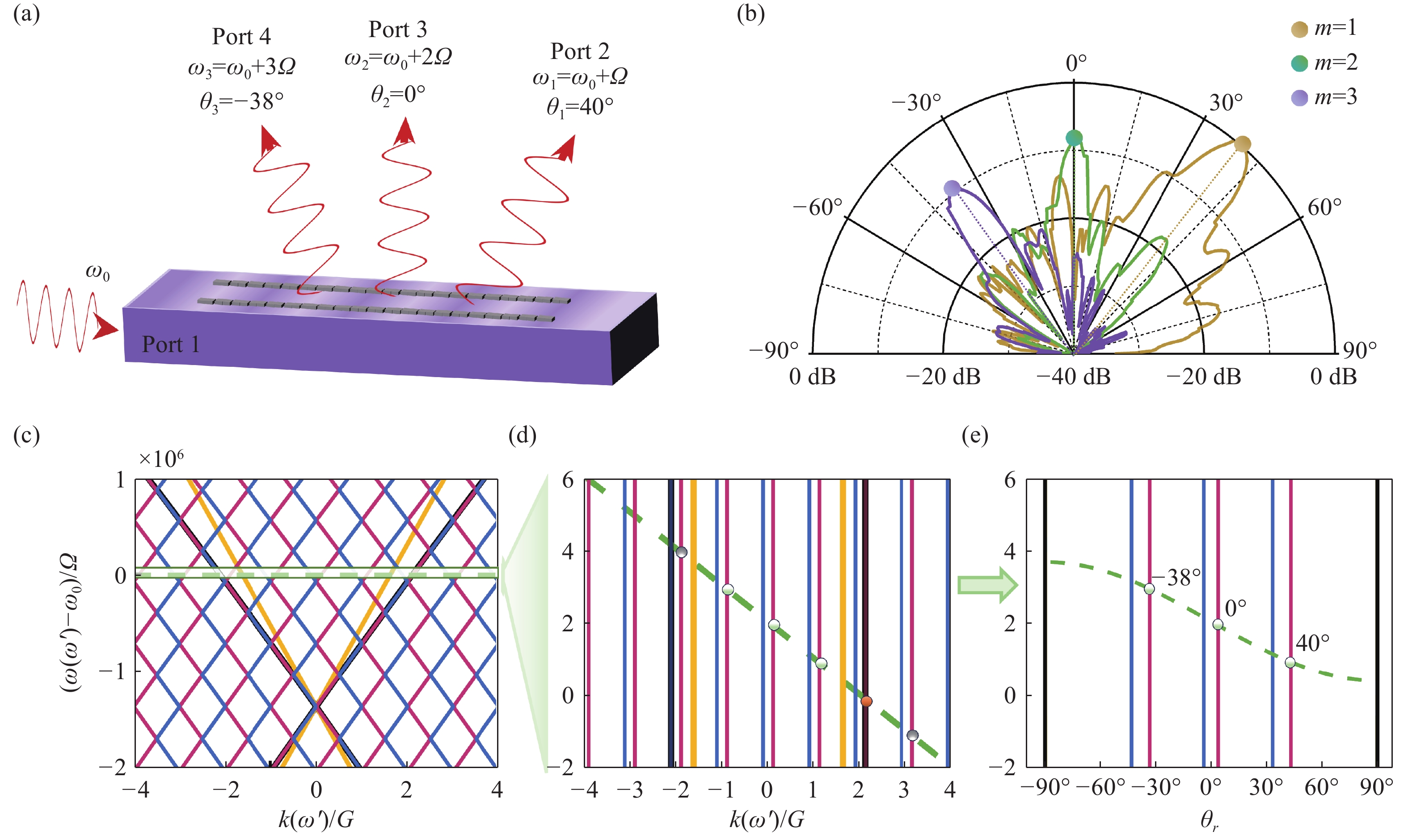
We present a spacetime crystal metasurface antenna based on substrate integrated waveguide (SIW), addressing the limitations of traditional magnetic non-reciprocal devices, such as large volume, high cost, and significant losses. The proposed antenna enables compact, efficient, magnetless non-reciprocal radiation and beam manipulation. An FPGA (Field Programmable Gate Array)-controlled PIN diode array is employed to implement equivalent dynamic traveling-wave modulation on the SIW surface. A dispersion model, combining Floquet-Bloch theory and the transfer matrix method, elucidates the dynamic dispersion characteristics and the harmonic mode selection mechanism in the time-varying system. Experimental results demonstrate that under waveguide port excitation, the system generates multi-beam radiation governed by frequency-momentum mapping. In contrast, under free-space incidence conditions, a deterministic non-reciprocal spectral transition is observed, where the signals undergo frequency up-conversion according to a harmonic order-doubling rule. The device achieves a maximum non-reciprocal isolation of 17.9 dB, confirming the breaking of time-reversal symmetry in both the first- and higher-order harmonic channels. This work validates the effectiveness of SIW-based spacetime coding technology for constructing magnetless non-reciprocal devices, providing a promising technological approach for frequency conversion, unidirectional transmission, and pseudo-Doppler effects in next-generation intelligent wireless communication systems.

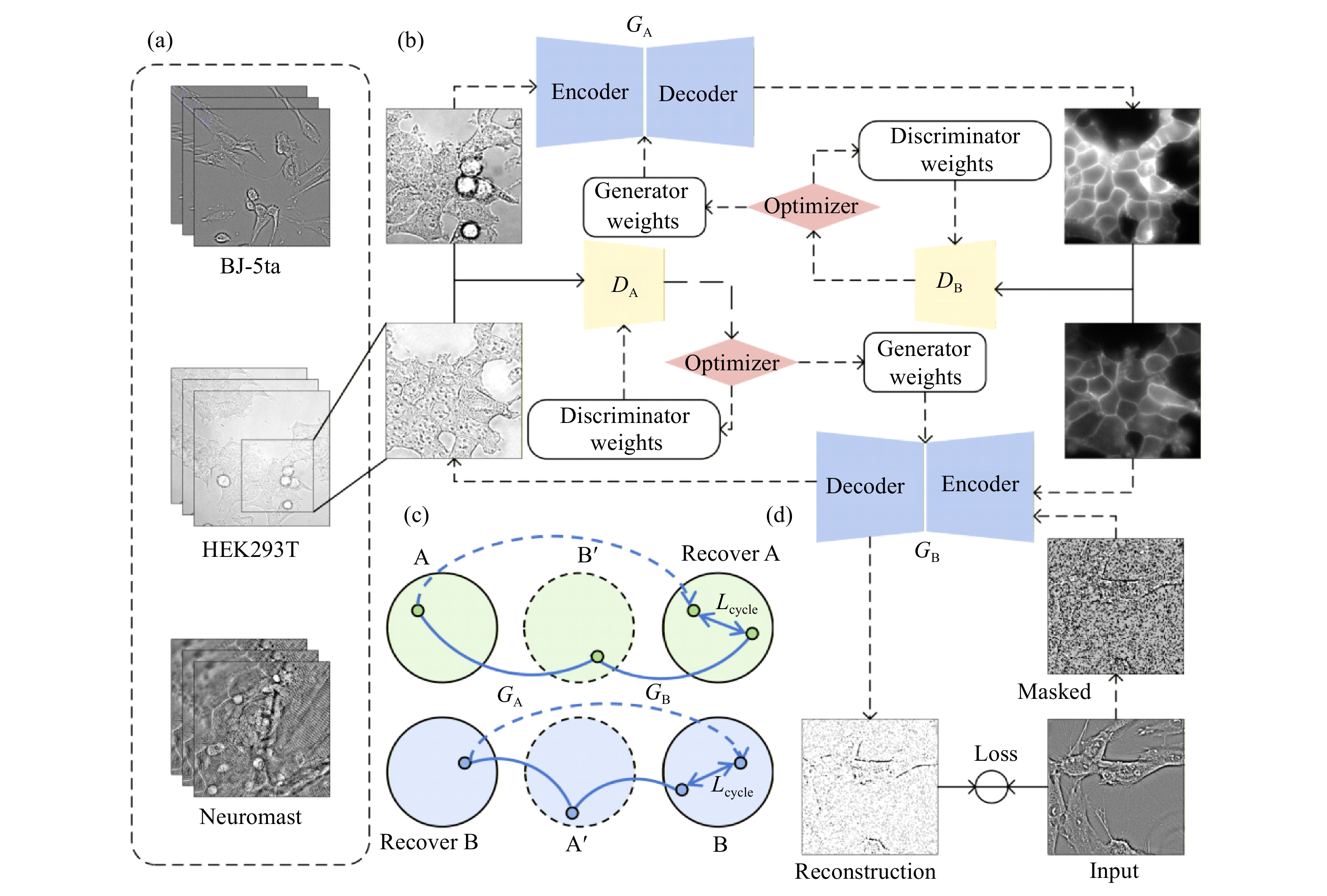
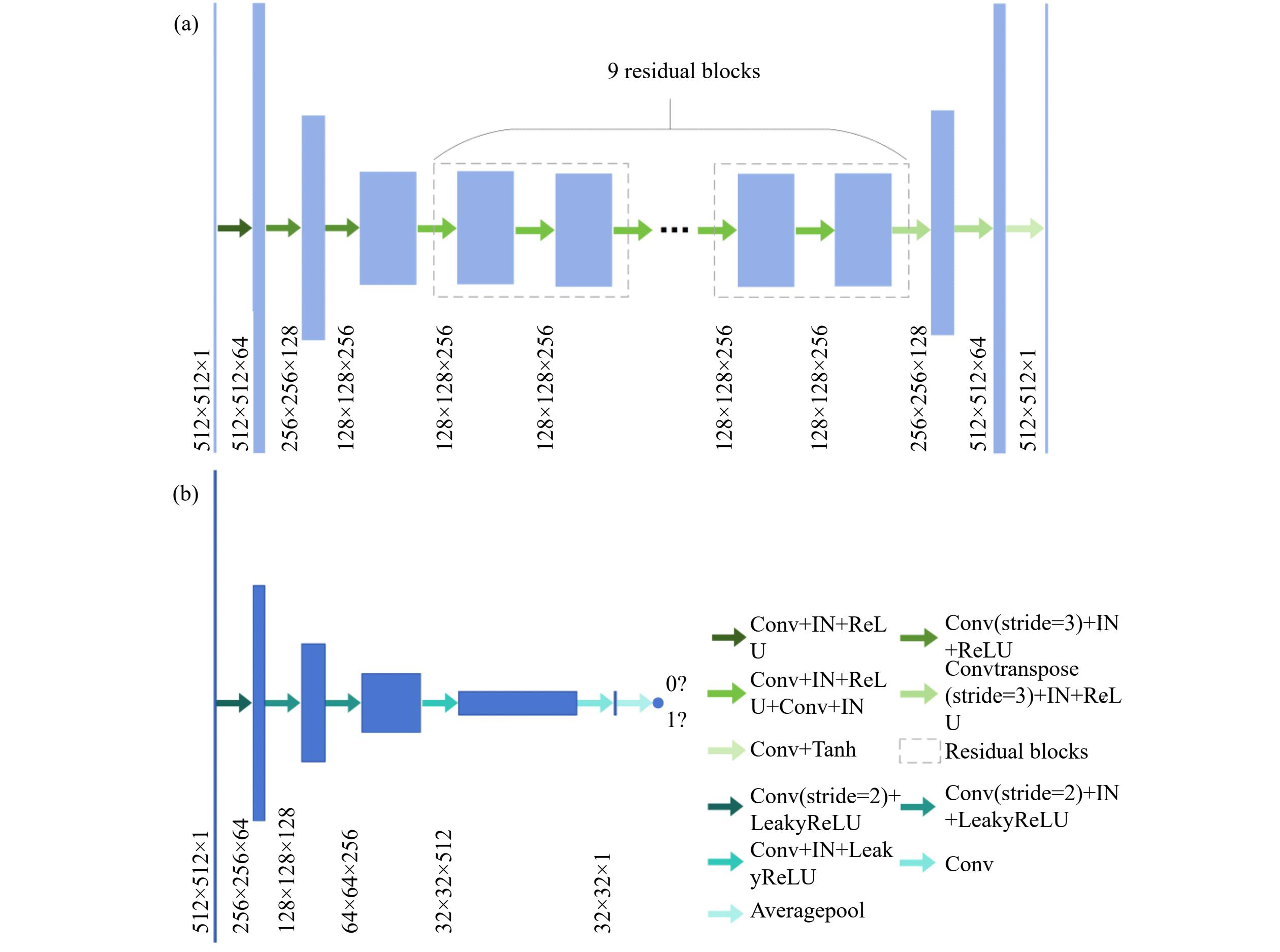
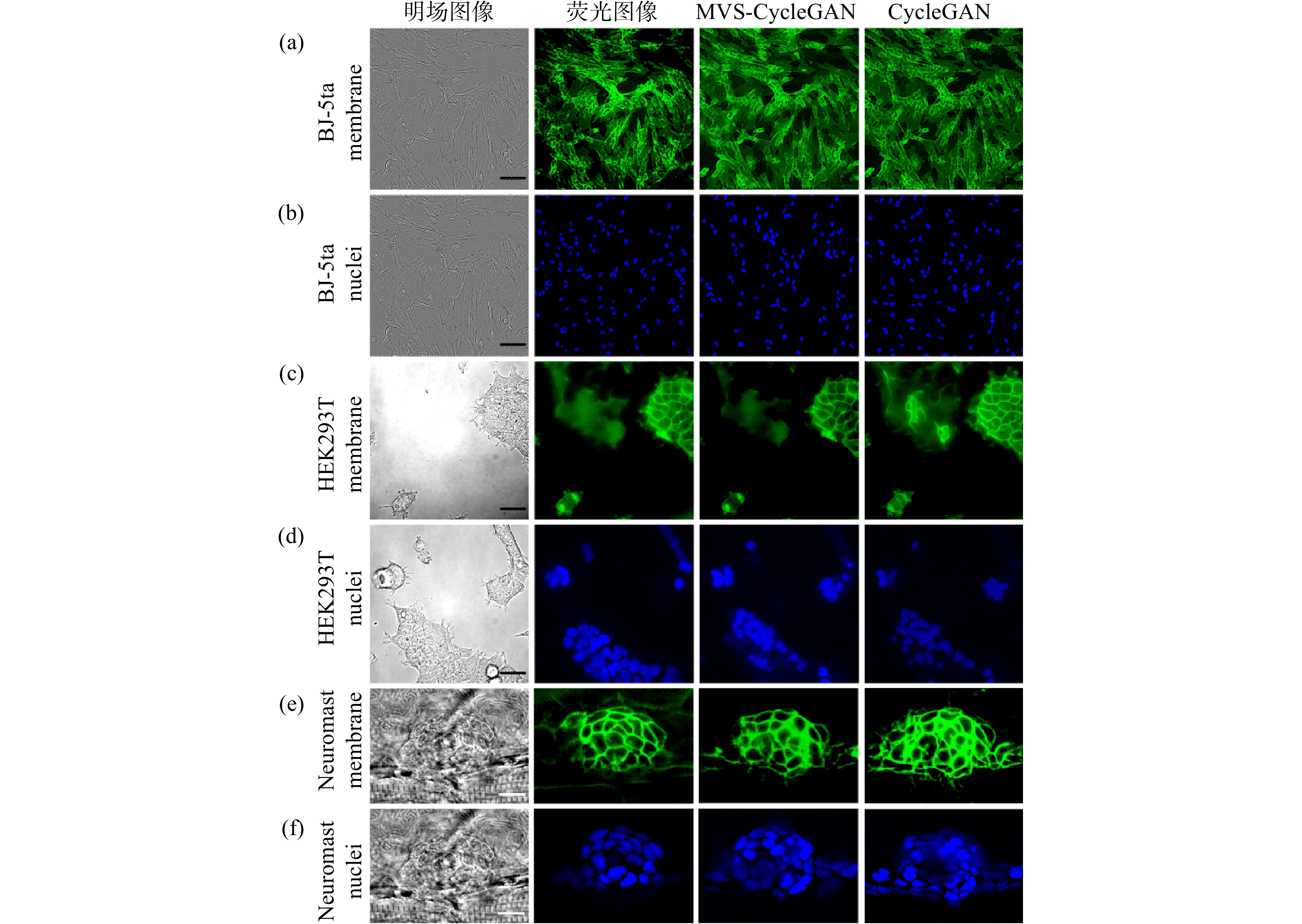
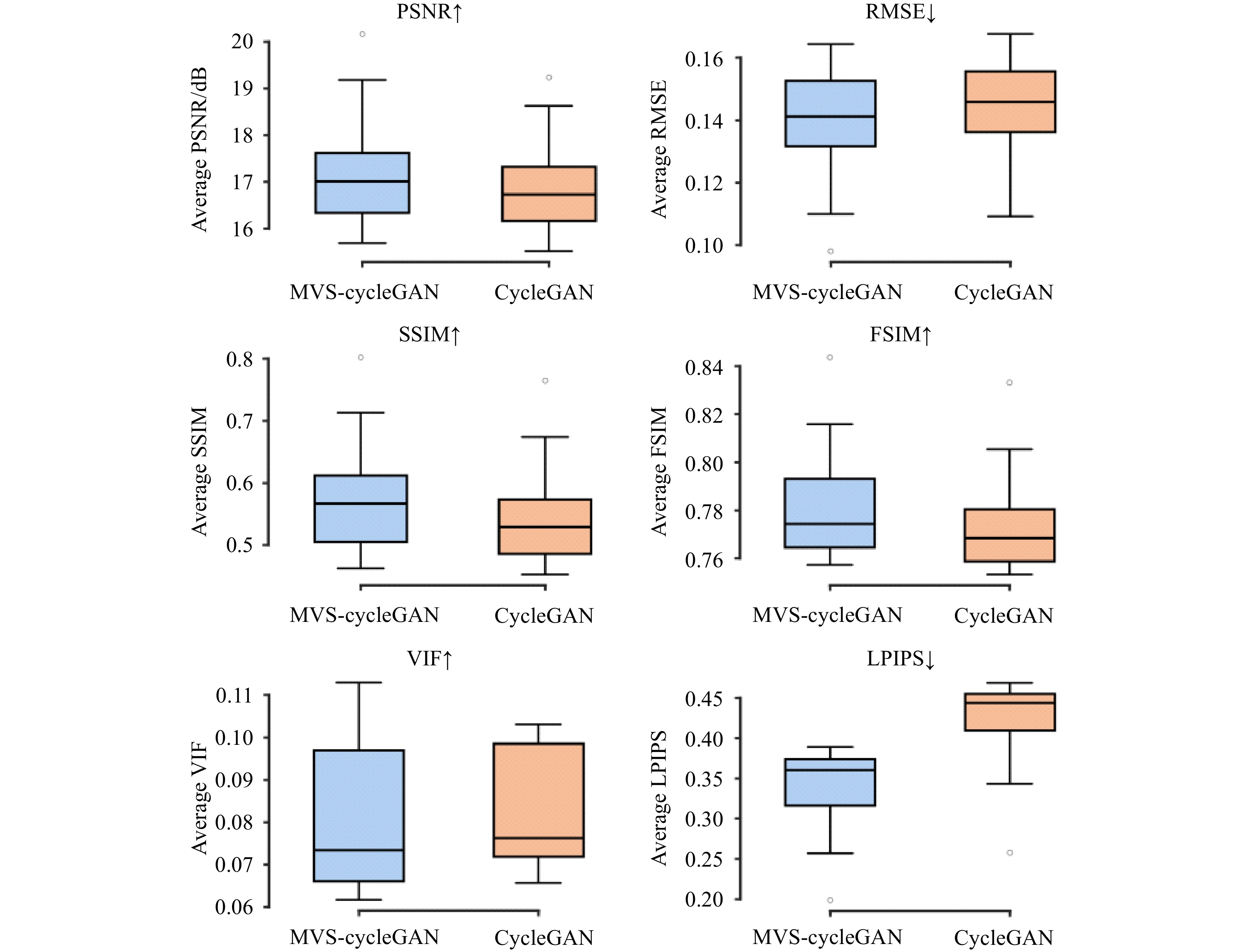
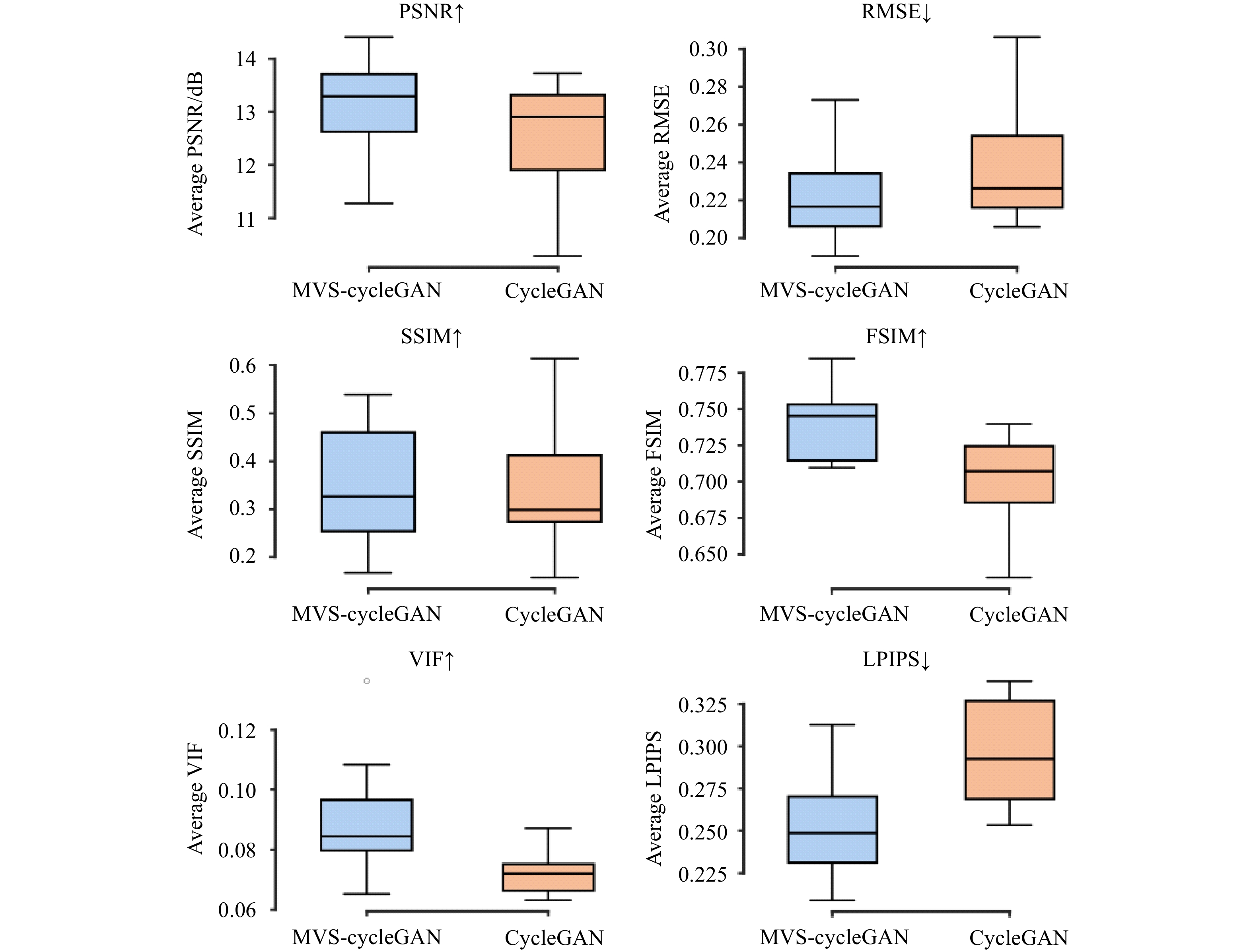
Virtual staining leverages deep learning to transform label-free images into fluorescence-specific images, markedly reducing the complexity and phototoxicity of live-cell imaging and enabling high-resolution, multi-channel, high-throughput, and long-term acquisition, which is of great significance for biomedical research. Existing methods mostly rely on supervised learning with paired data. To reduce the dependence of virtual staining on paired data and further improve the quality of generated images, we propose an unsupervised virtual staining framework, MVS-CycleGAN, which integrates a masked self-supervised mechanism. Without requiring paired images, MVS-CycleGAN introduces a random masked reconstruction task that occludes parts of the input and forces the network to complete the missing regions using semantic context. This design allows the model to capture both global morphology and local texture in the target domain, imposing effective semantic constraints and alleviating the semantic drift commonly observed in conventional unsupervised models during cross-domain translation. Experiments on three cell datasets demonstrate that MVS-CycleGAN consistently outperforms traditional approaches: FSIM reaches 0.784/0.565 on BJ-5ta membrane/nuclei, 0.854/0.830 on HEK293T, and 0.657/0.740 on Neuromast (corresponding improvements of 1.03%, 9.50%, 1.07%, 0.85%, 1.08%, and 5.56%, respectively). In addition, downstream segmentation experiments further confirm the effectiveness of the virtually stained images for quantitative analysis. These results indicate that the proposed method provides a feasible solution for extending virtual staining to diverse biomedical scenarios.

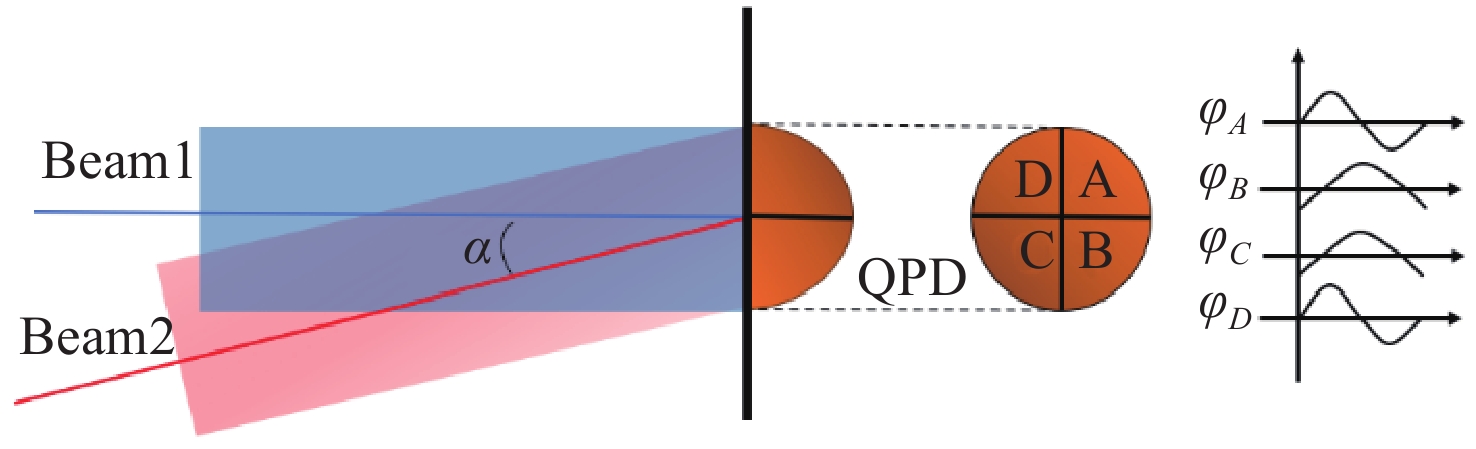
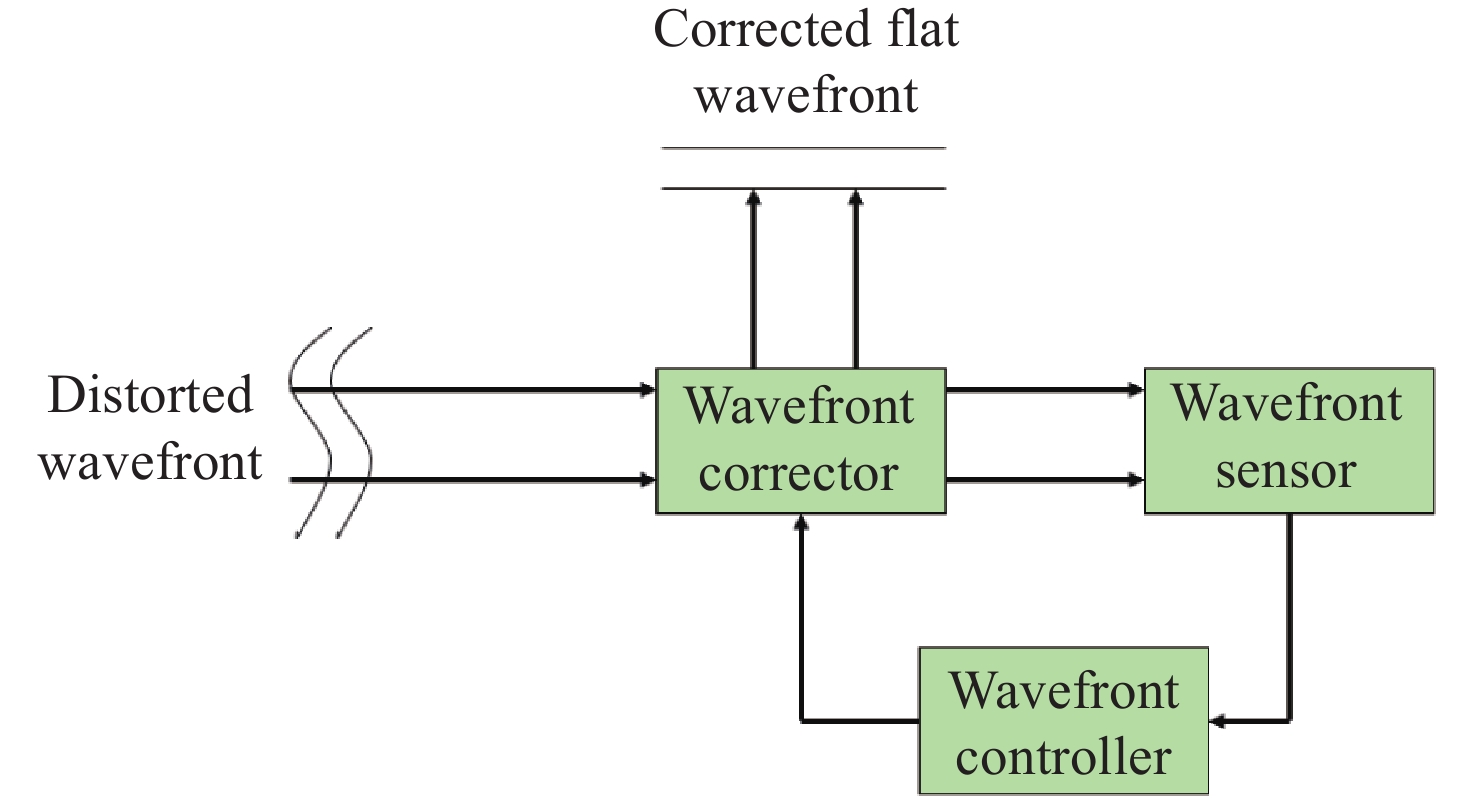
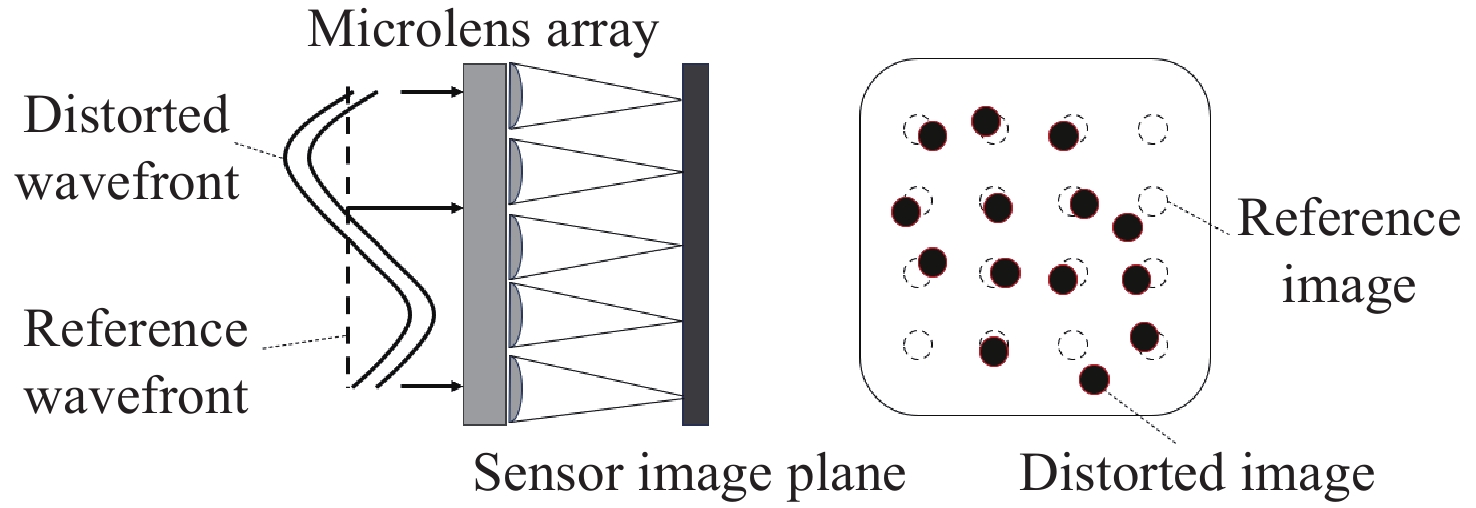
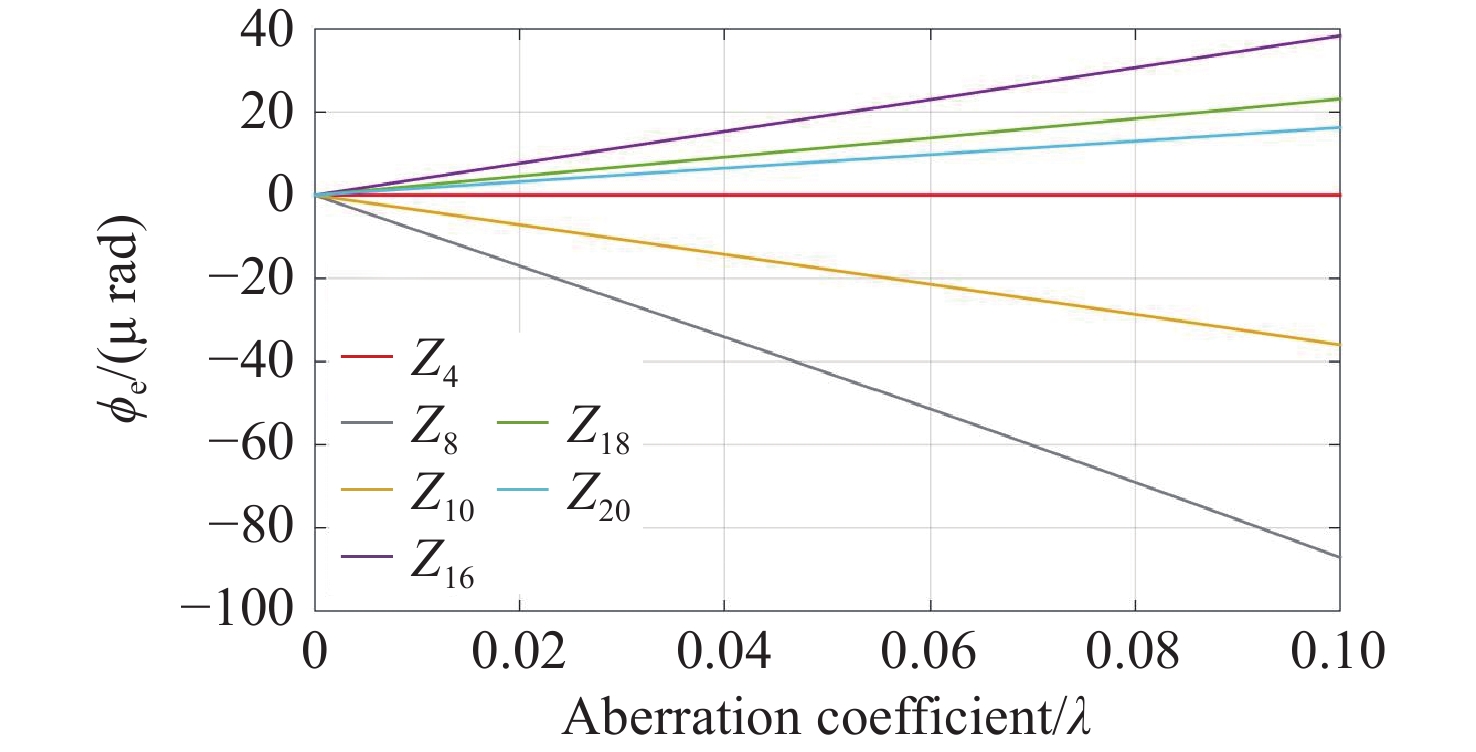
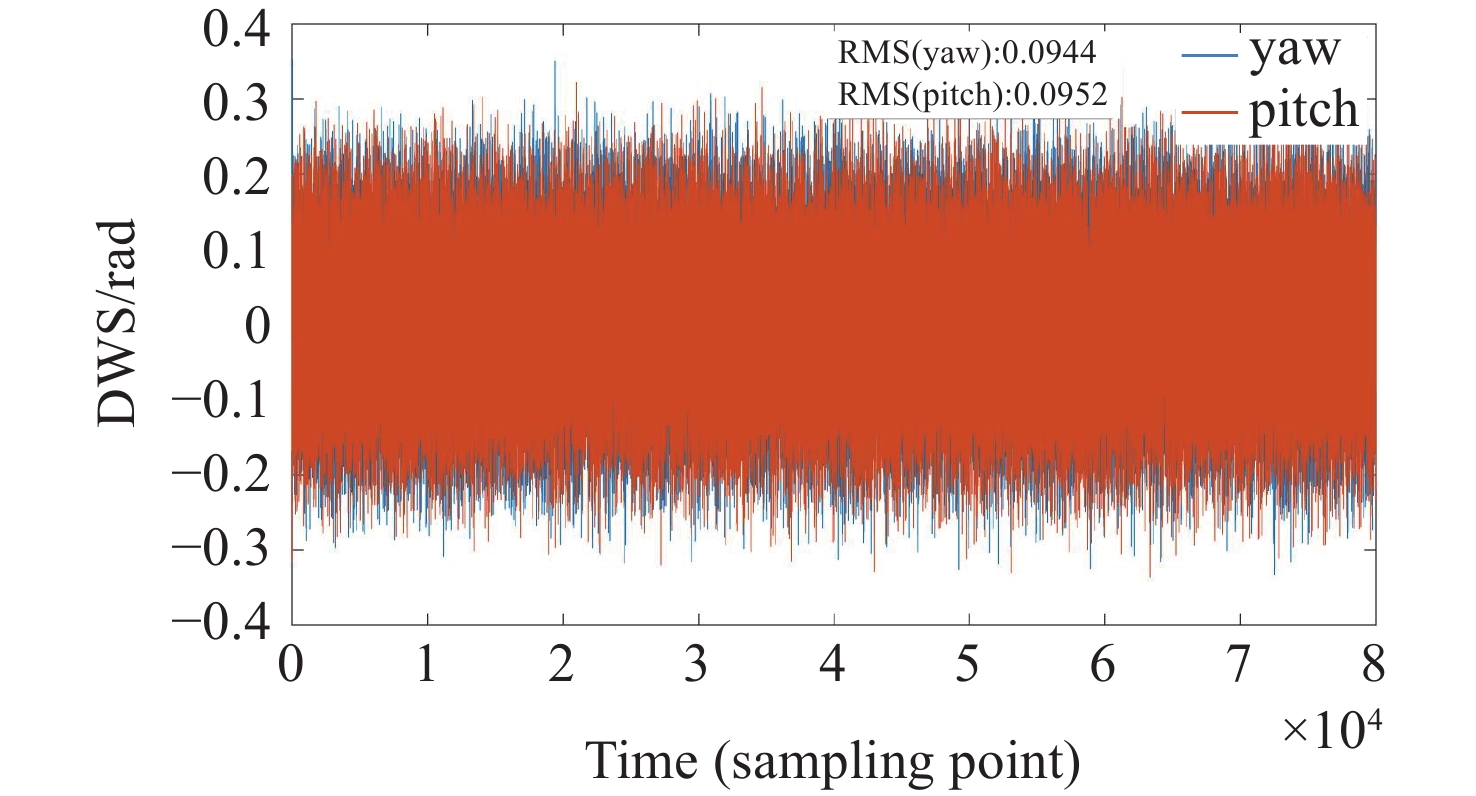
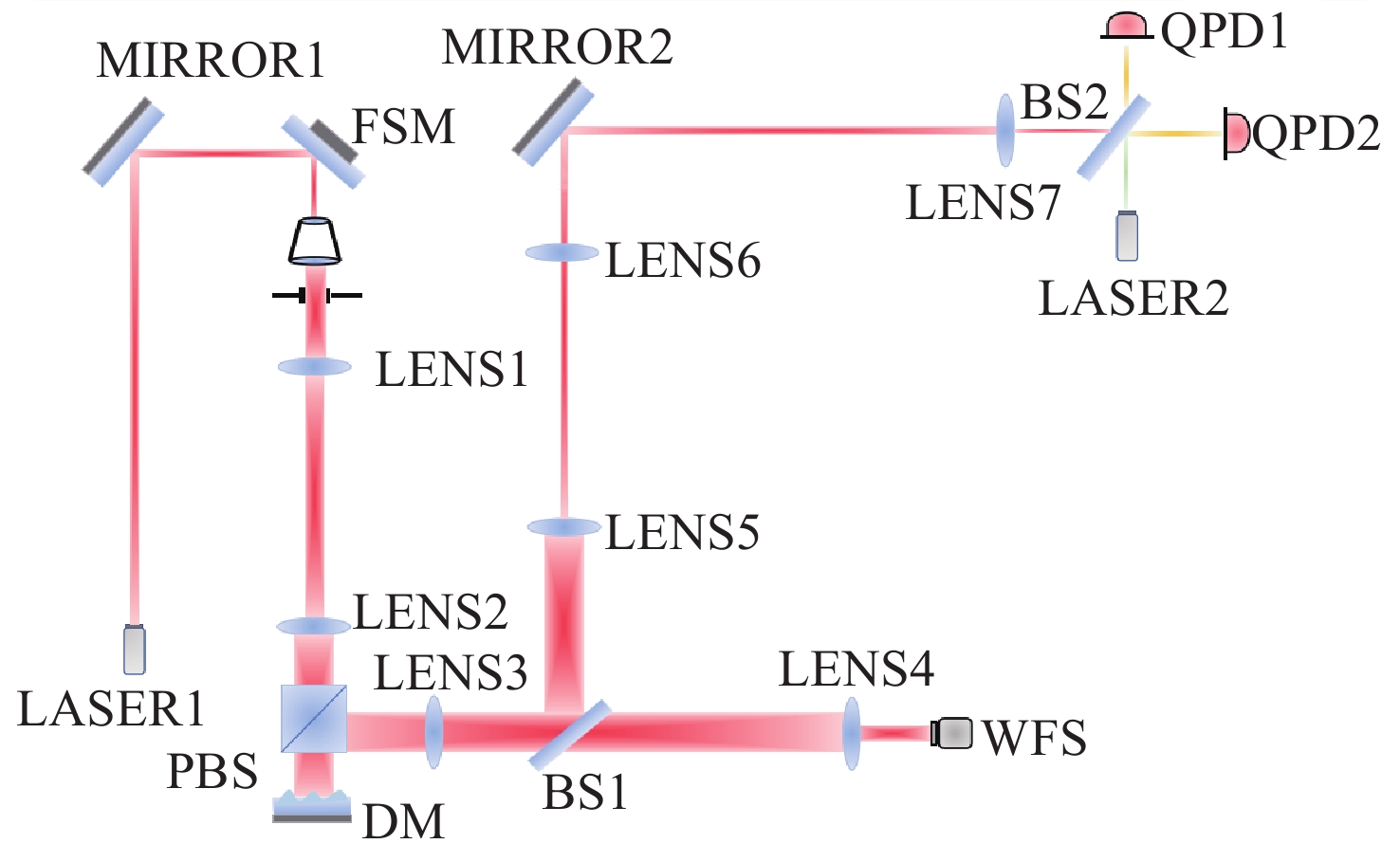
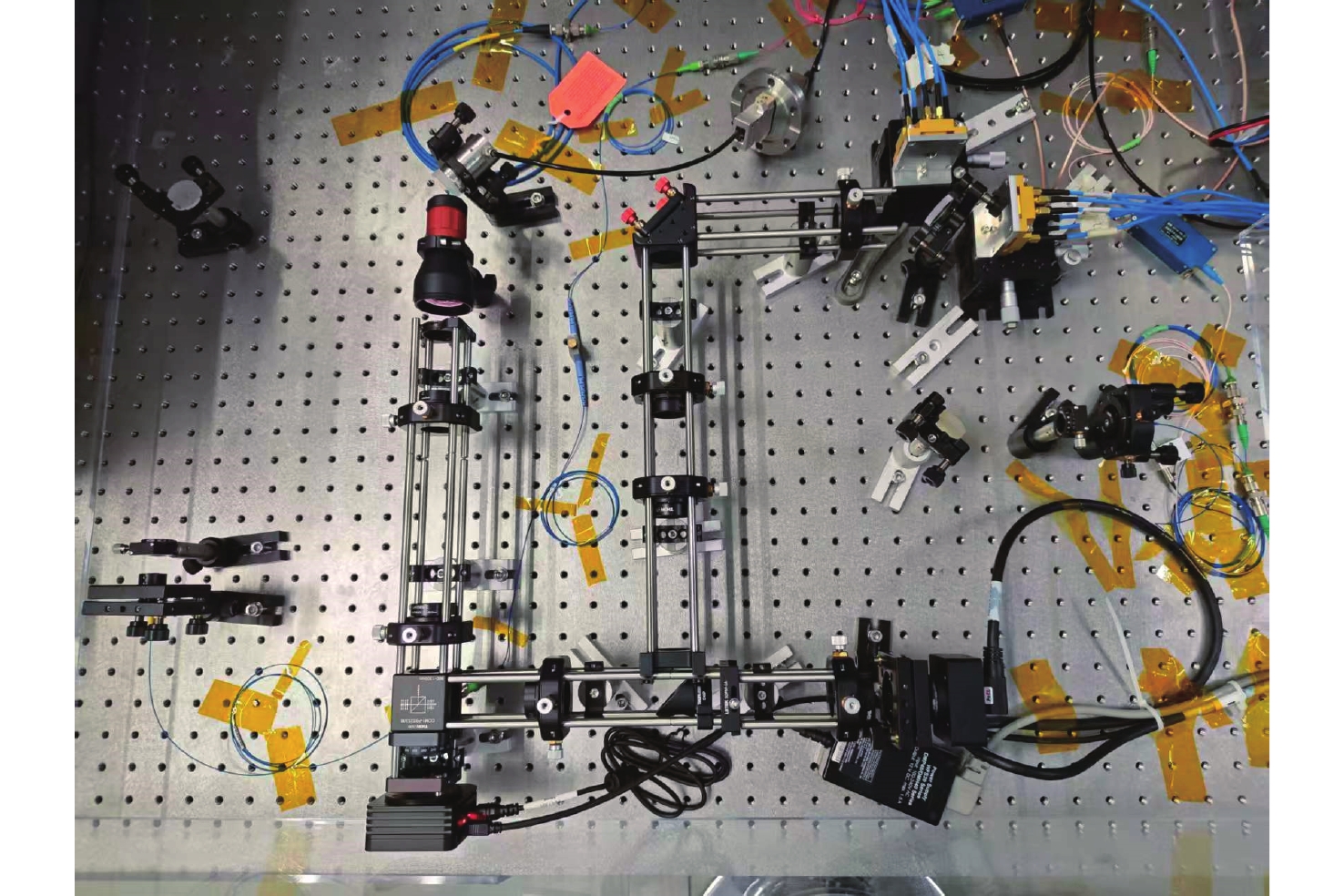
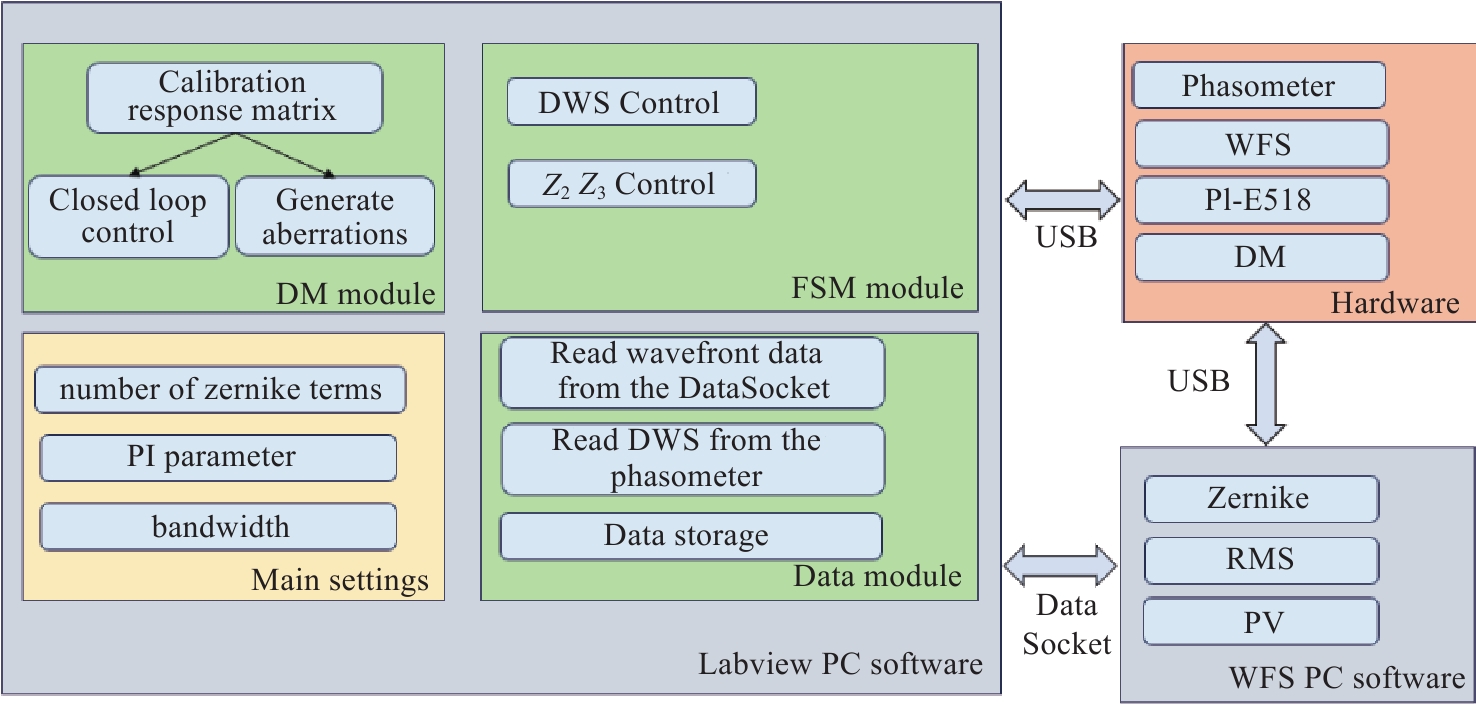
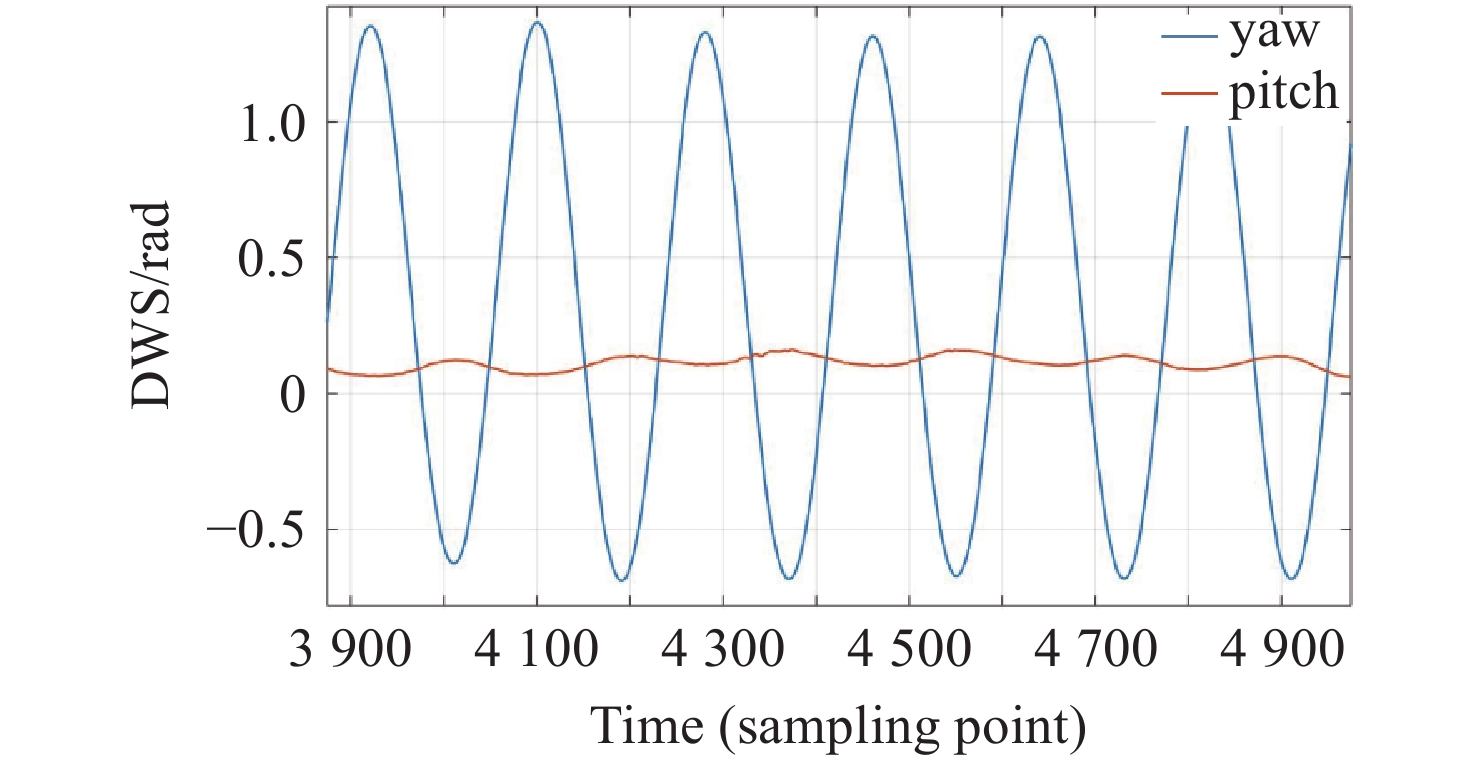
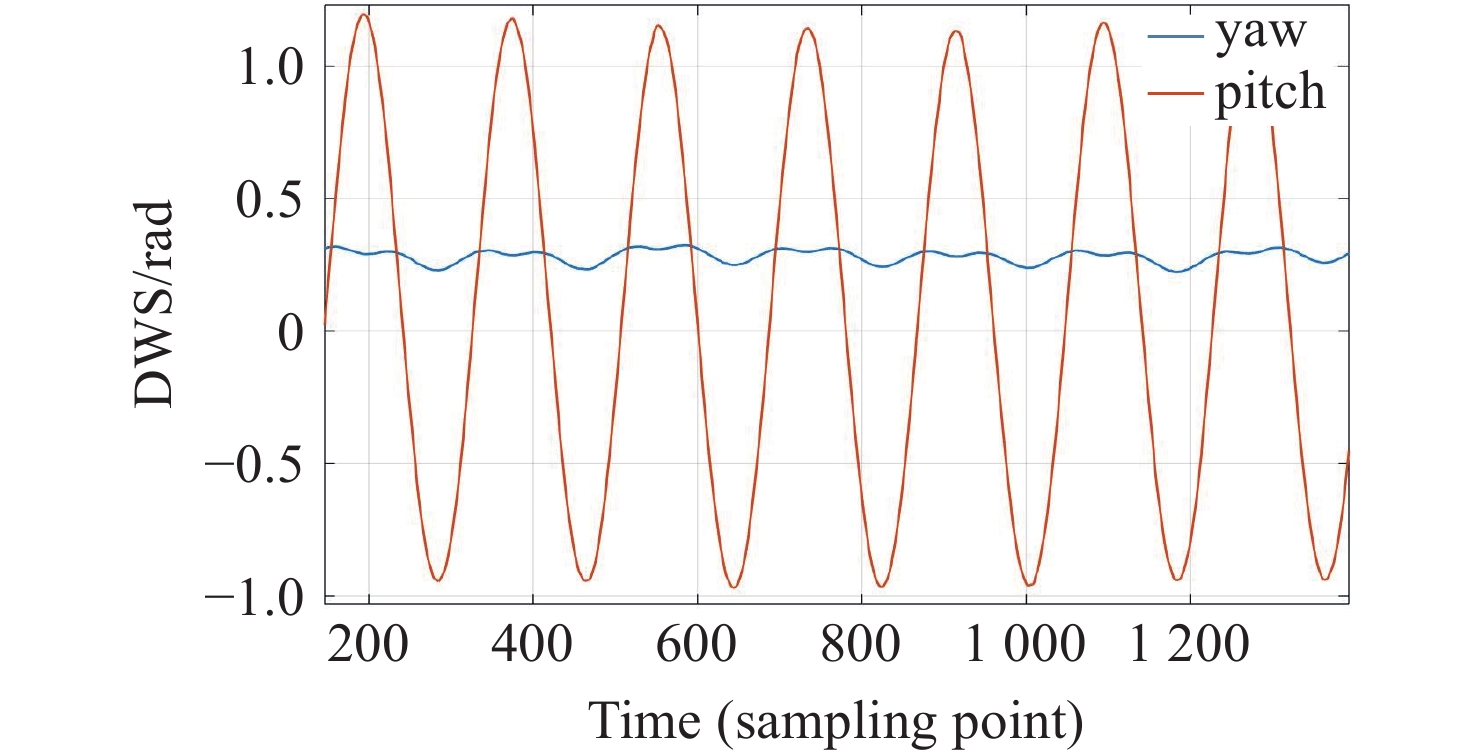
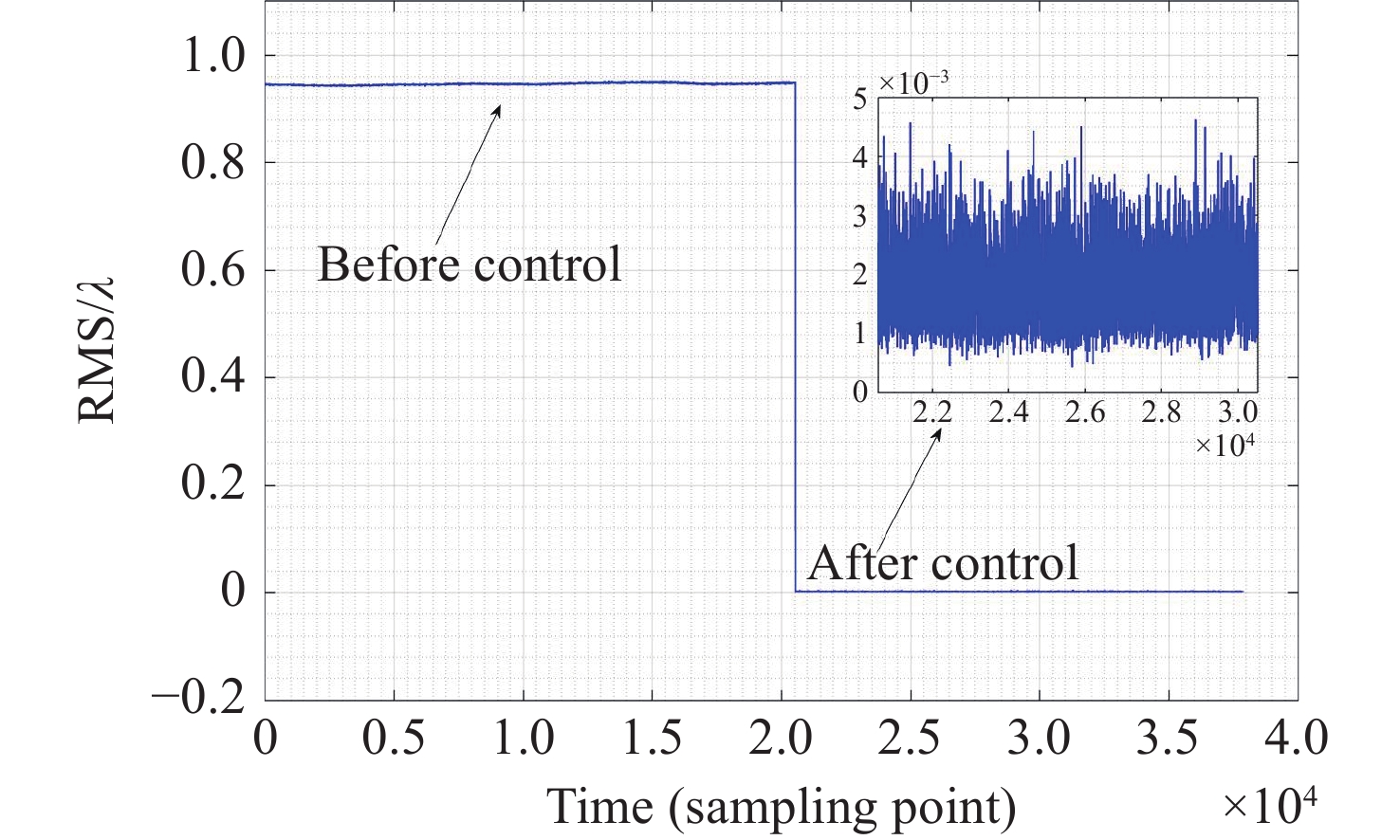
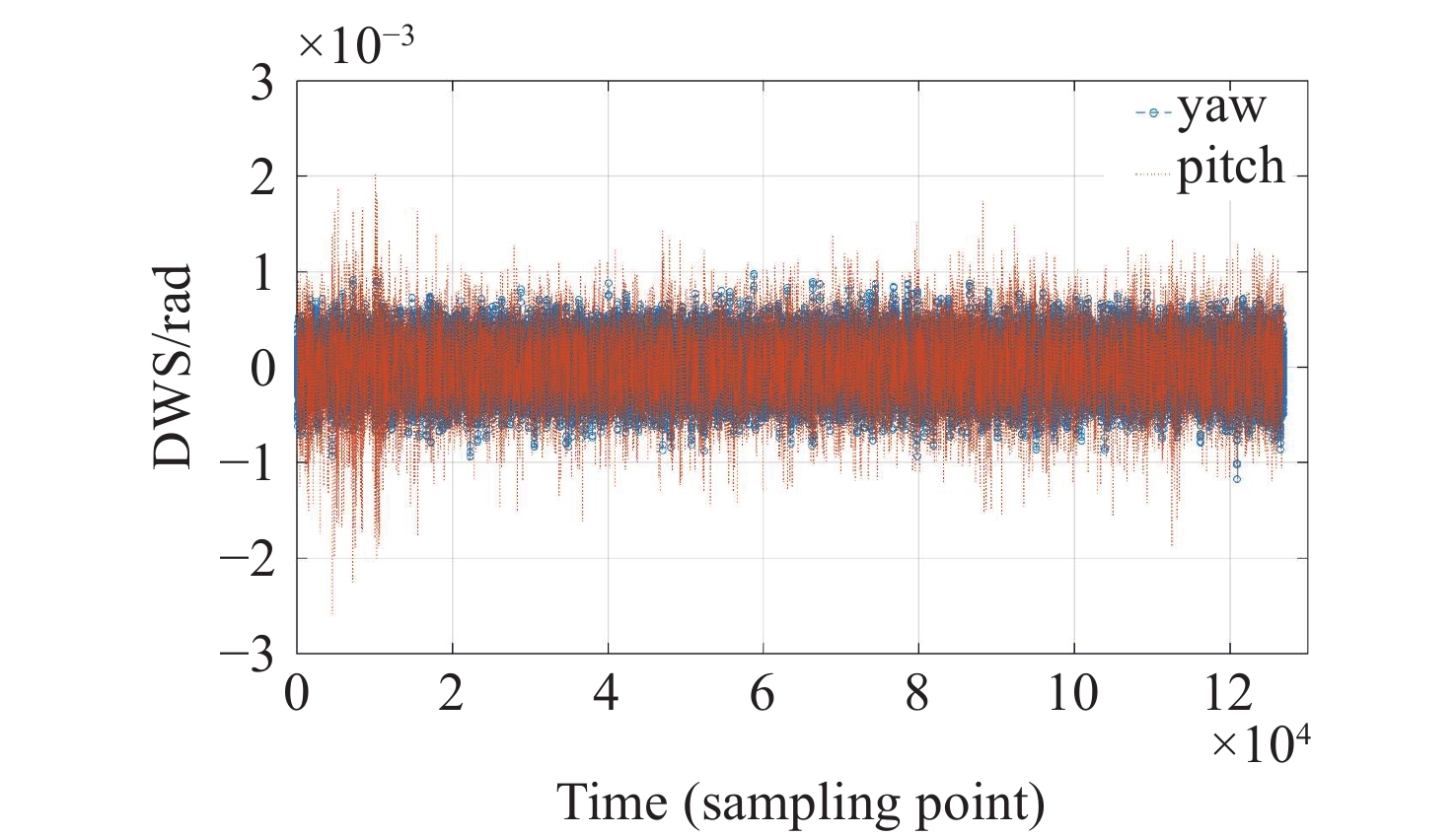
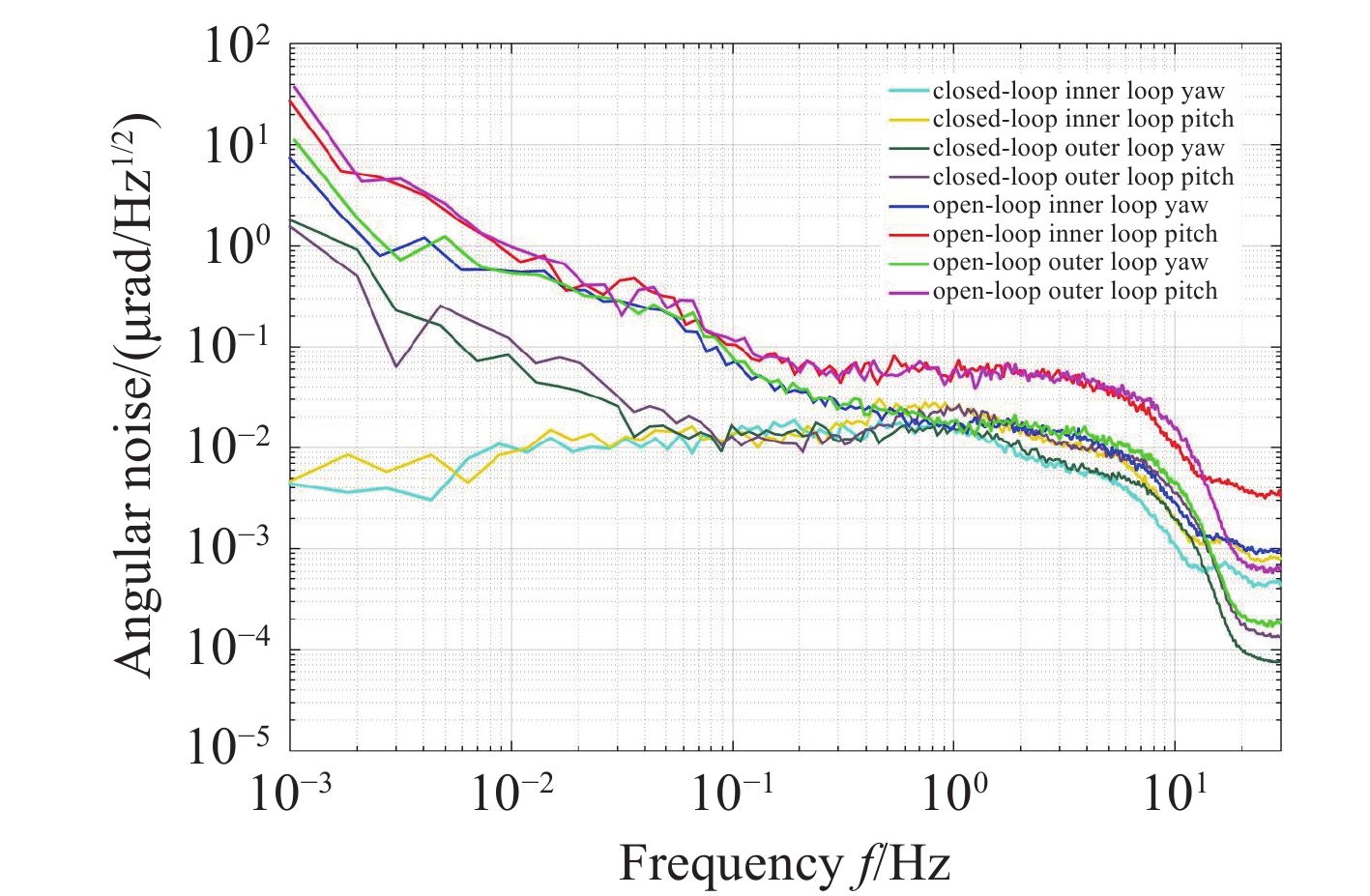
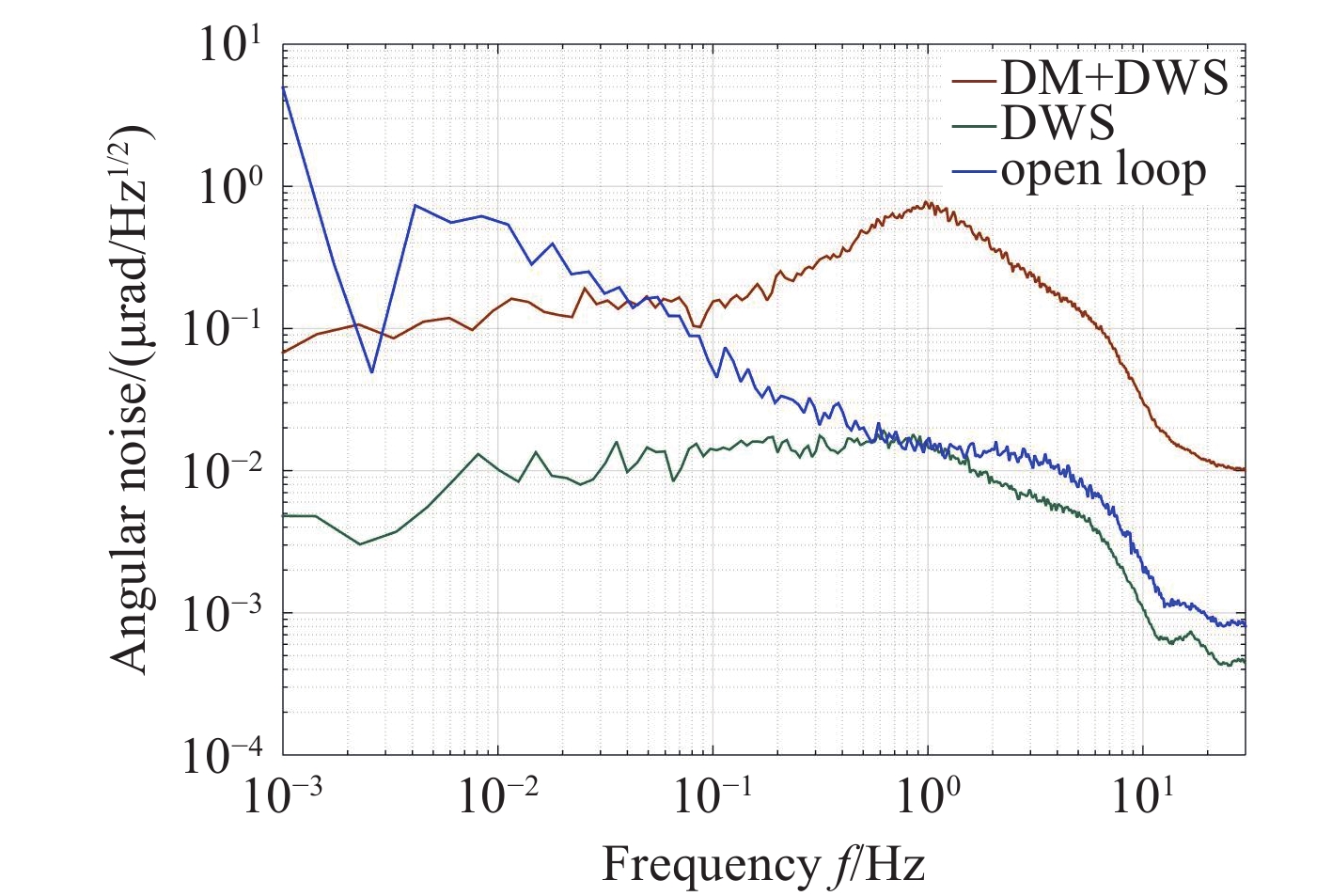
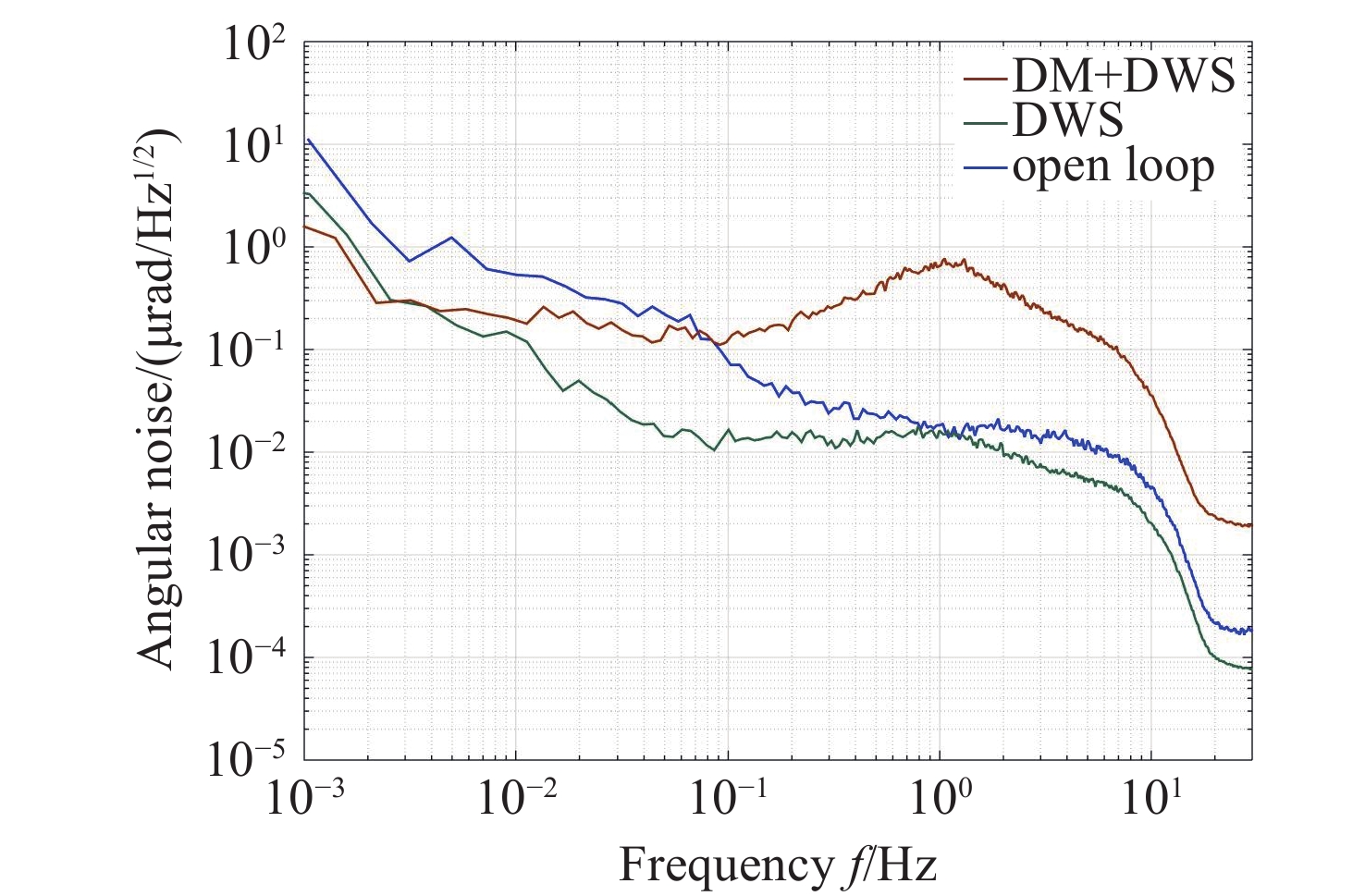
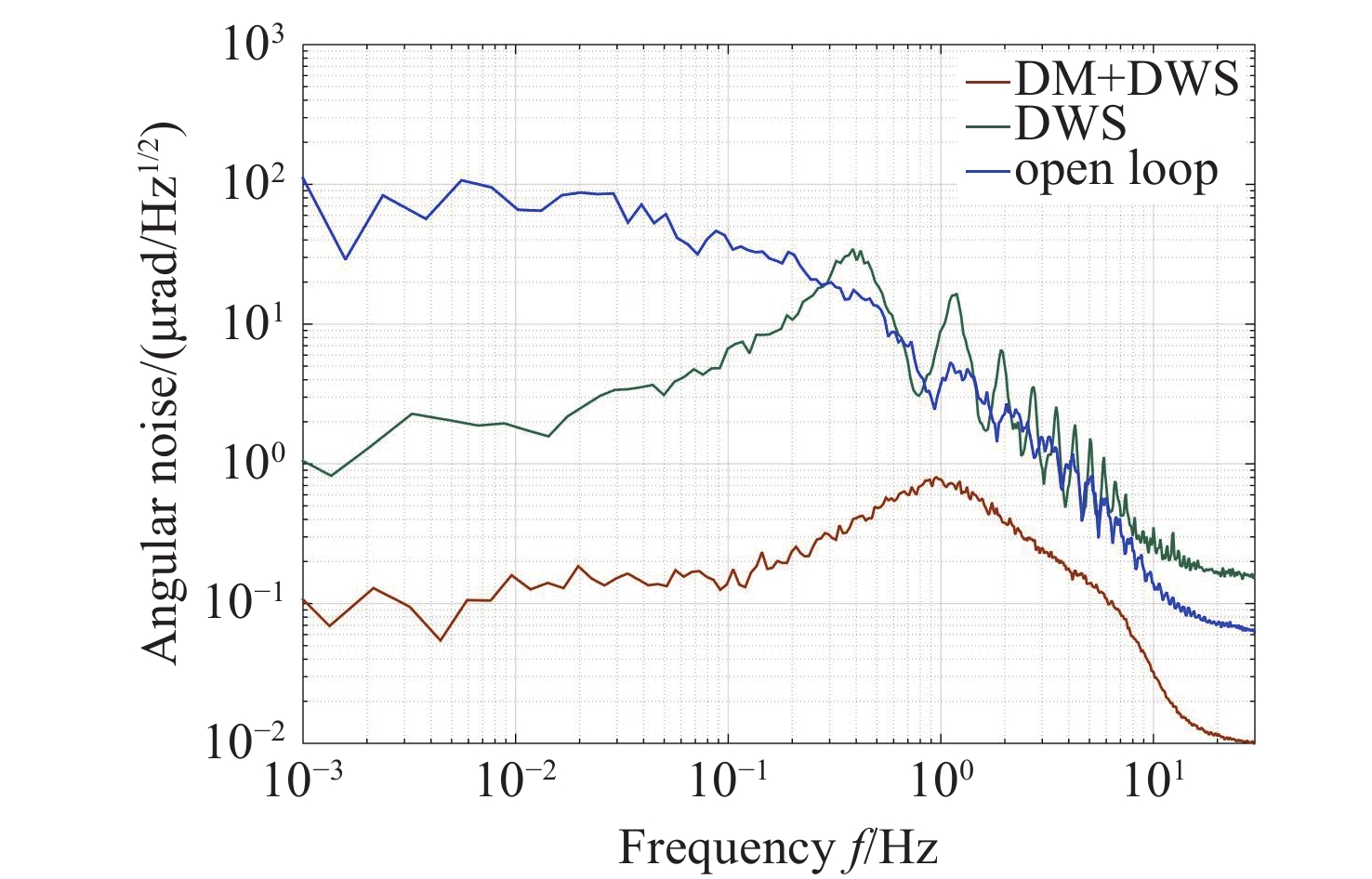
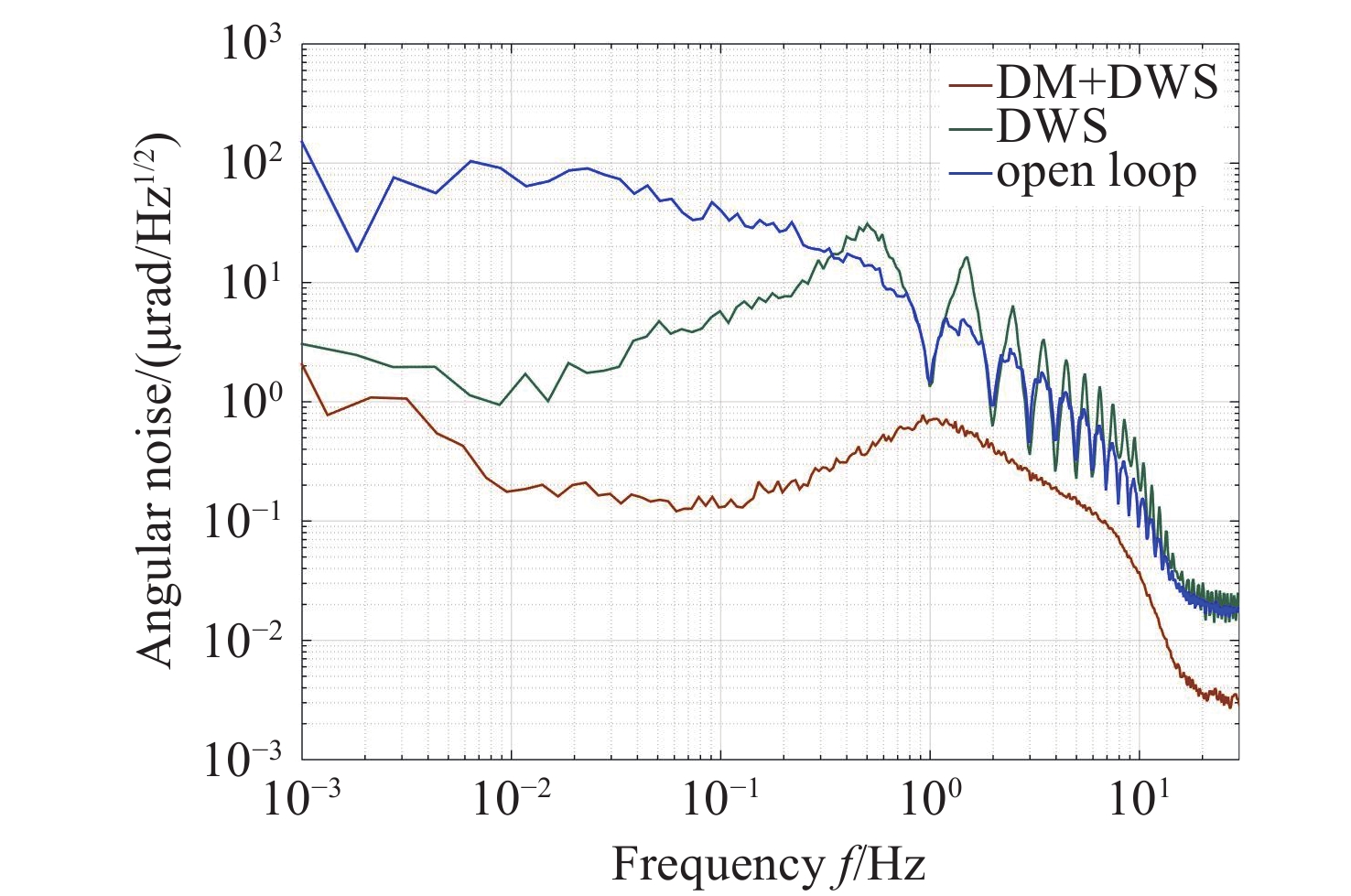
In the space gravitational wave detection program, differential wavefront sensing (DWS) technology is the core of laser tracking and pointing stage, and it is the key to achieve nanoradian angle resolution. In order to fully verify the on-orbit feasibility of the laser capture and tracking system, it is necessary to carry out long-distance ground verification experiments on the principle prototype. However, the transmission of light in the atmosphere will seriously affect the angle measurement ability of DWS technology, and it is urgent to find a scheme to suppress the interference. Therefore, we systematically analyze the influence of atmosphere on DWS by numerical simulation, and introduce the adaptive optics technology to compensate the interference of atmosphere on DWS signal for the first time. Then, a laser tracking and pointing experimental system with dual control loops based on DWS signal and wavefront measurement is designed and built. The experimental results show that in the 0.1 Hz−1 Hz frequency band, the performance of the same frequency band can be improved by about 10 times, which fully demonstrates that the adaptive optics system can effectively improve the measurement ability of DWS in the atmospheric environment, laying a foundation for the subsequent long-distance ground verification of laser capture and pointing system in atmospheric environment.
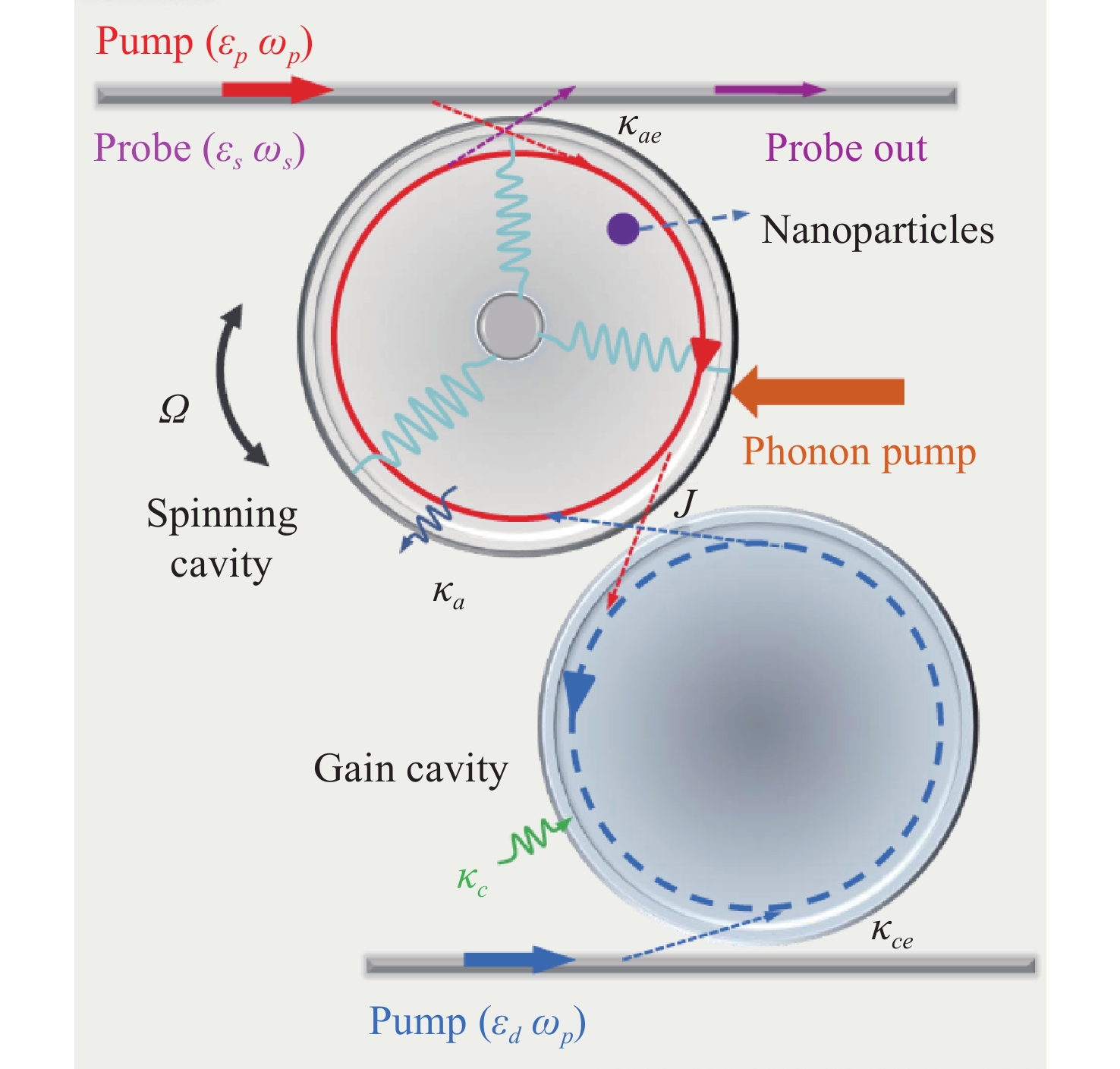
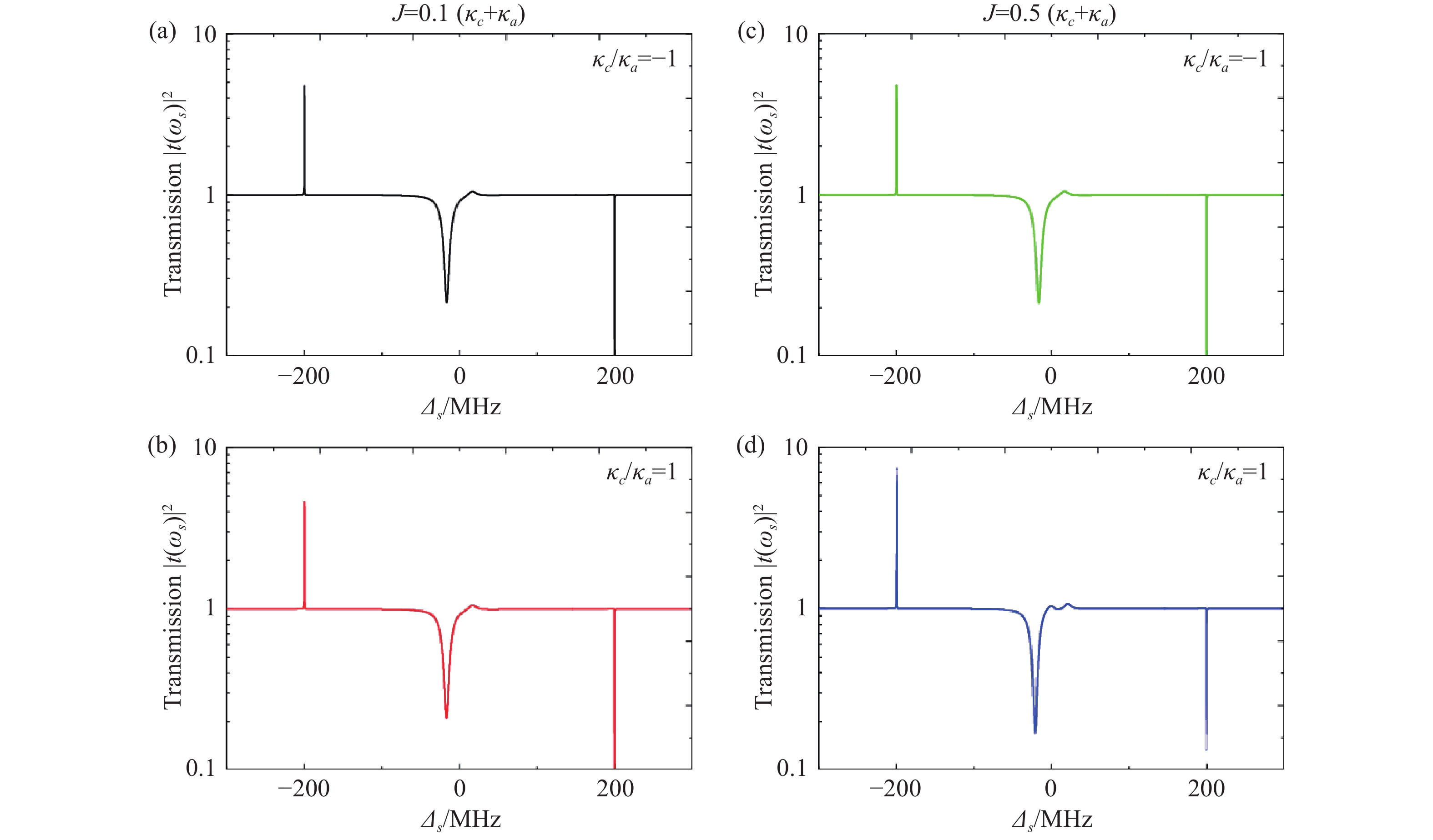
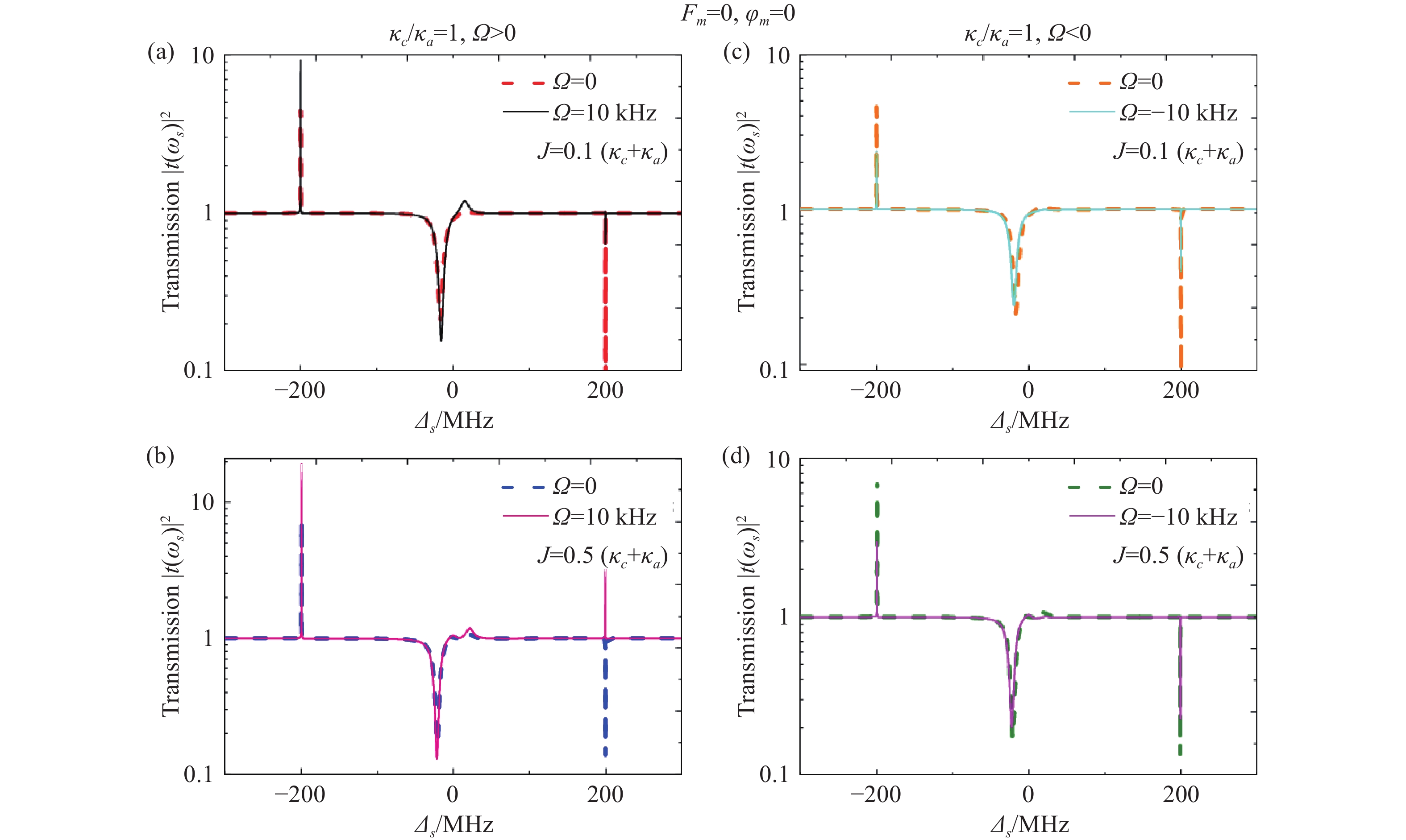
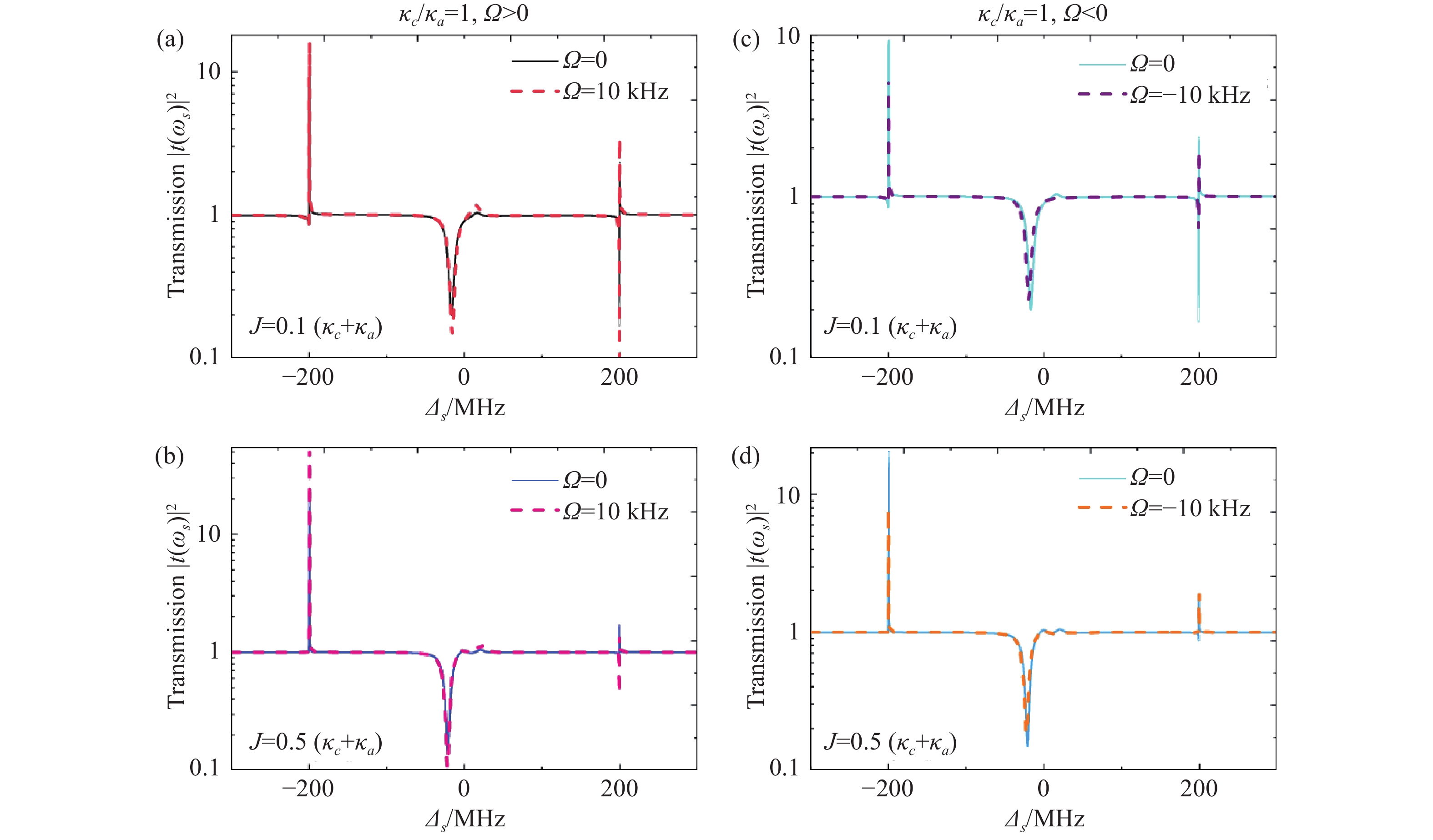
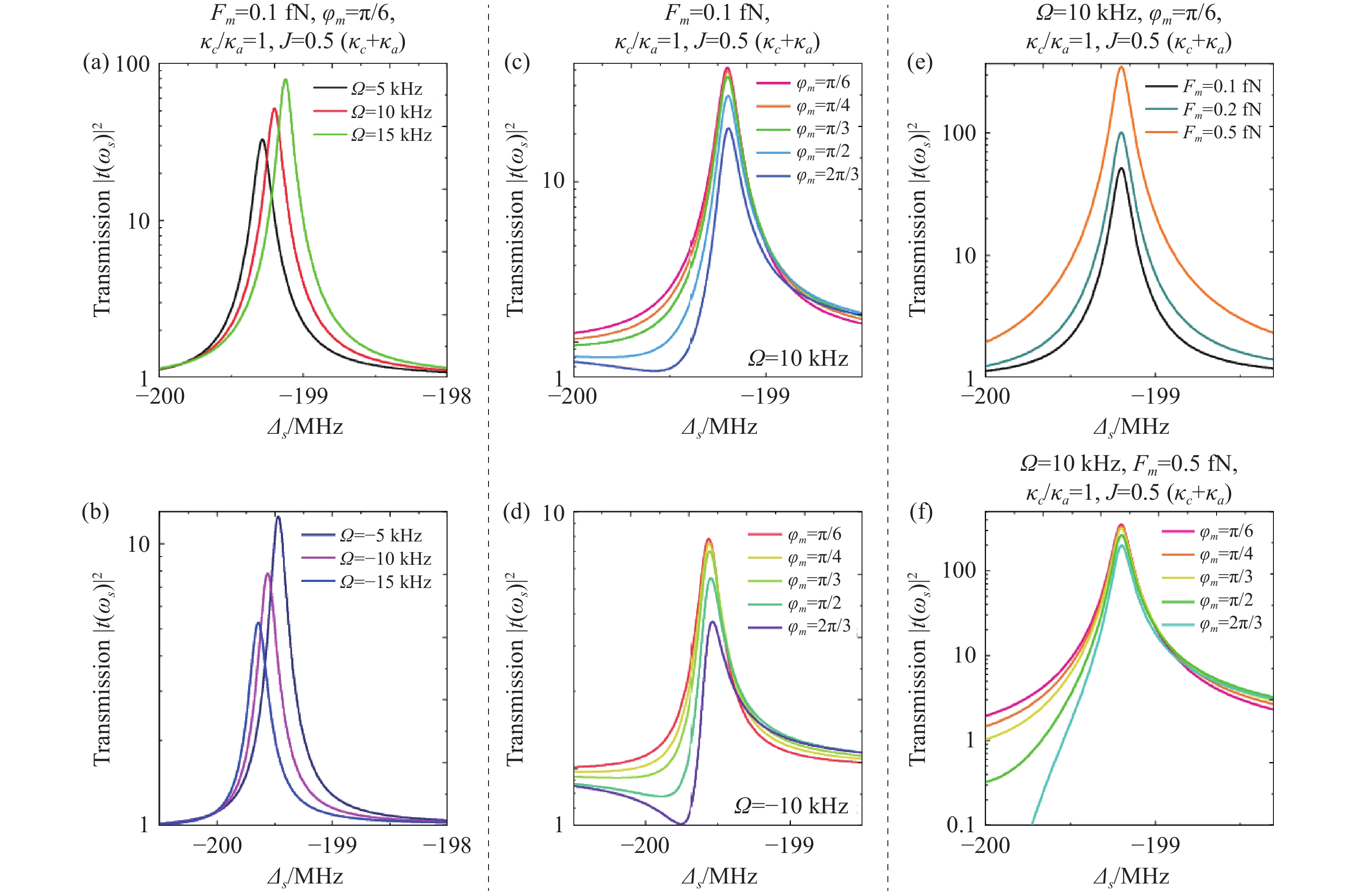
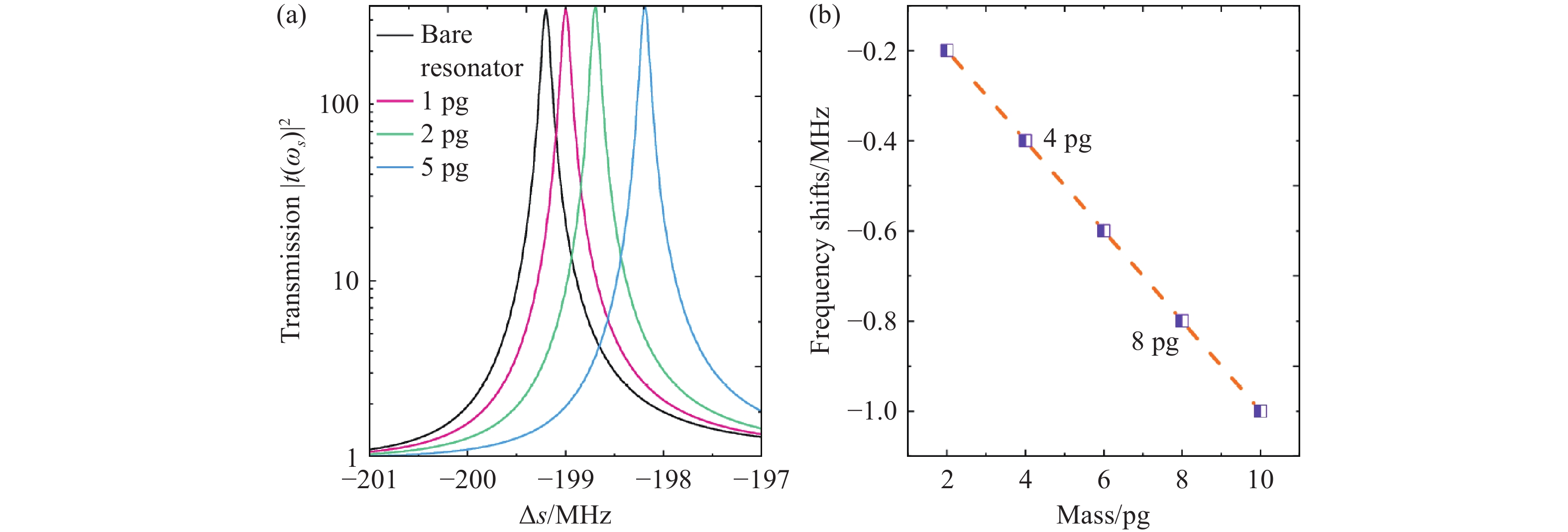
In order to achieve high-precision mass detection of biomolecules, a high-resolution mass sensing scheme based on a hybrid spinning optomechanical system is proposed, in which a spinning whispering-gallery-mode (WGM) optomechanical cavity driven by a phonon pump is coupled to another WGM cavity with optical gain. First, the Sagnac effect is generated by rotating the optomechanical cavity clockwise or counterclockwise, enabling nonreciprocal control of the cavity field frequency. Second, an optical-gain WGM cavity is introduced to construct a parity-time symmetric or broken system, enhancing the amplitude intensity of the transmission spectrum. Meanwhile, a phonon pump is employed to coherently drive the mechanical breathing mode, further strengthening the optical response of the system. By solving the quantum Langevin equations and applying the input-output formalism, the transmission spectrum of the probe field is obtained. When biomolecules (such as baculoviruses or coronaviruses) are deposited on the surface of the WGM optomechanical cavity, the mass of the target molecules can be retrieved by monitoring the resonance frequency shift of the mechanical sideband peak in the transmission spectrum. Numerical results show that the Sagnac effect, optical gain cavity, and phonon pump collectively enhance the amplitude intensity of the transmission spectrum, thereby improving the sensitivity of mass sensing. Compared with conventional optical mass sensing schemes based on single-cavity optomechanical systems, the sensitivity of the proposed scheme is improved by approximately one order of magnitude, and the minimum detectable mass reaches the picogram level (~1 pg). This scheme achieves ultrasensitive, high-resolution biomolecule mass detection and provides a new physical platform for chip-scale ultrahigh-resolution sensing devices.
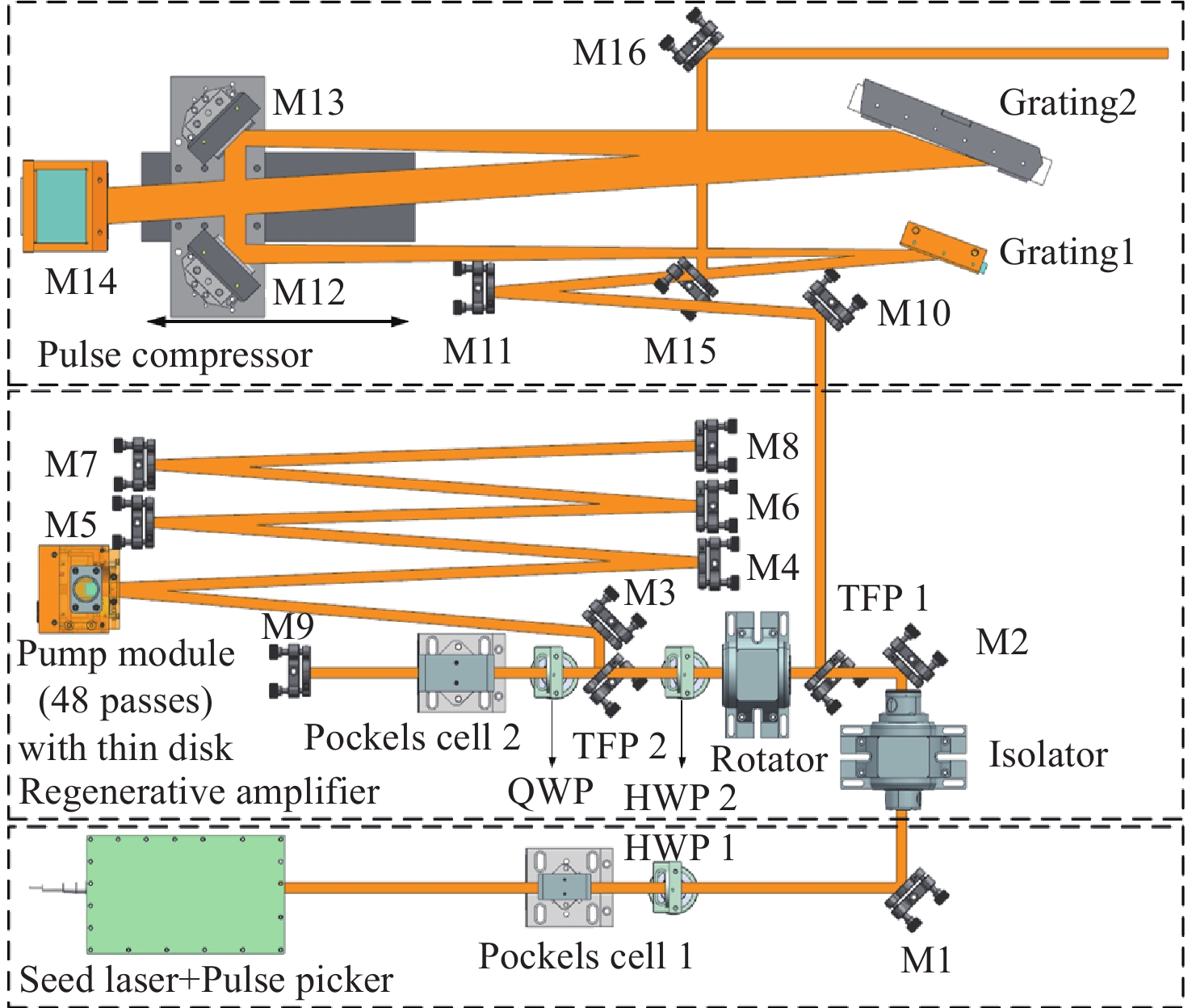
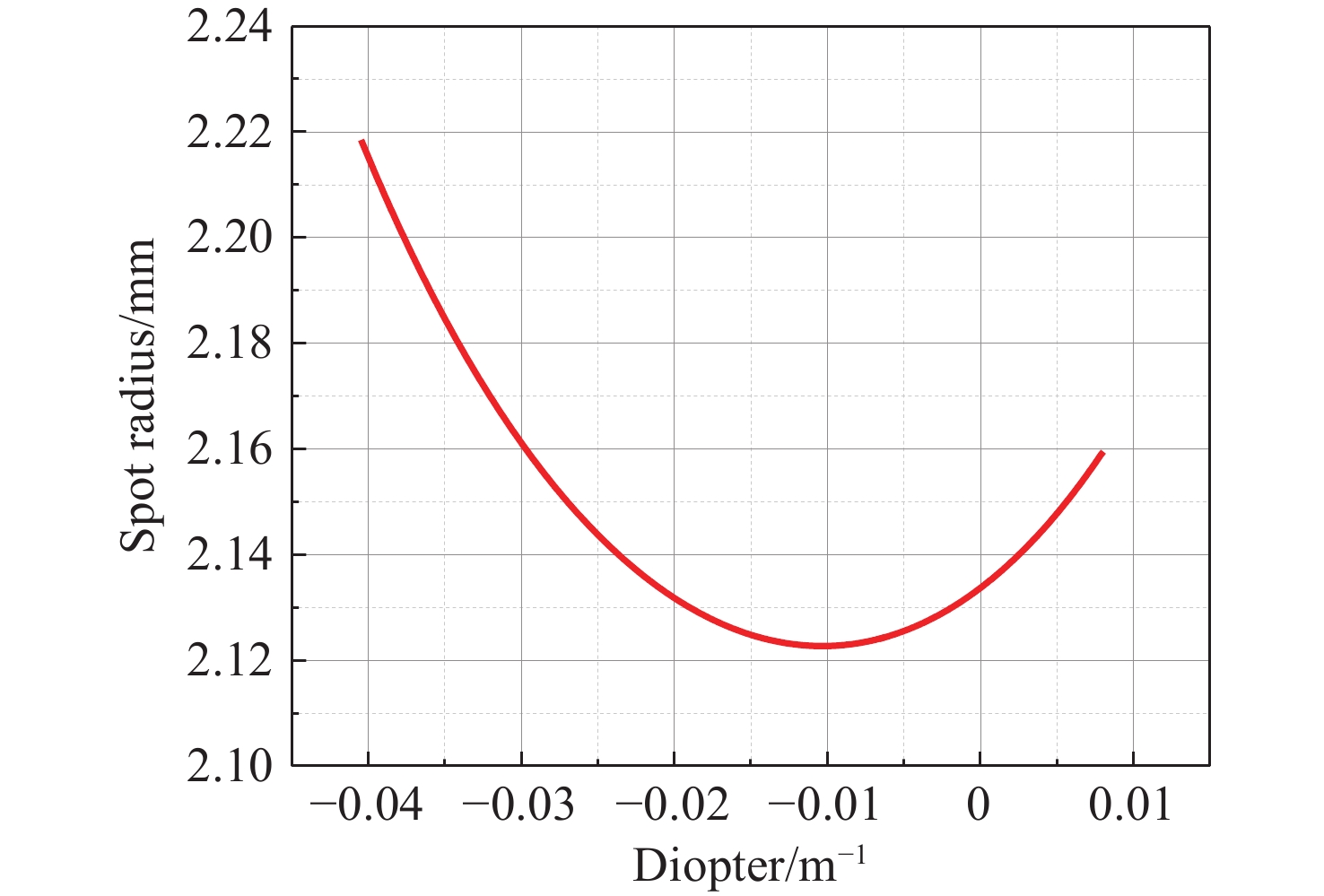
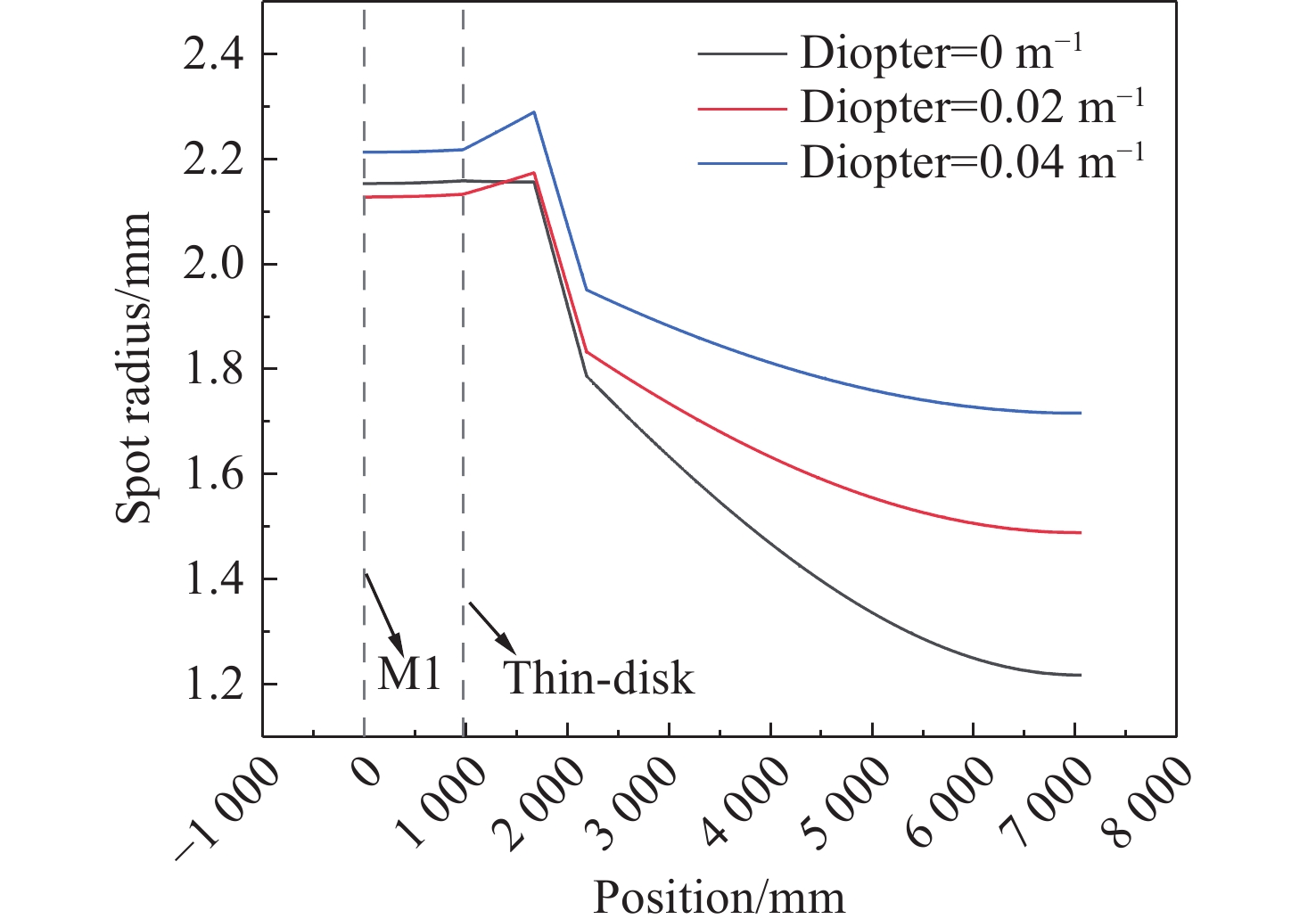
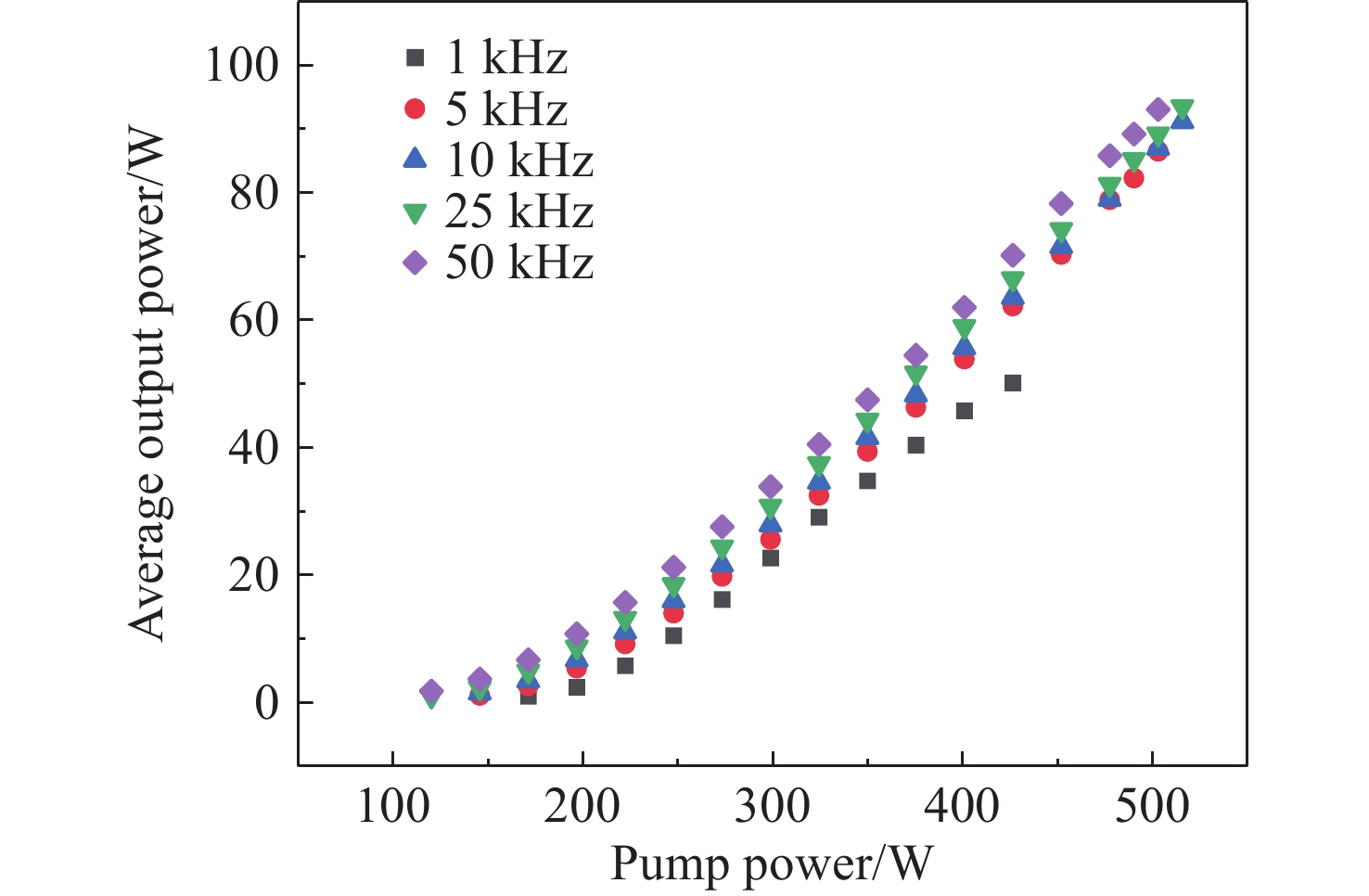
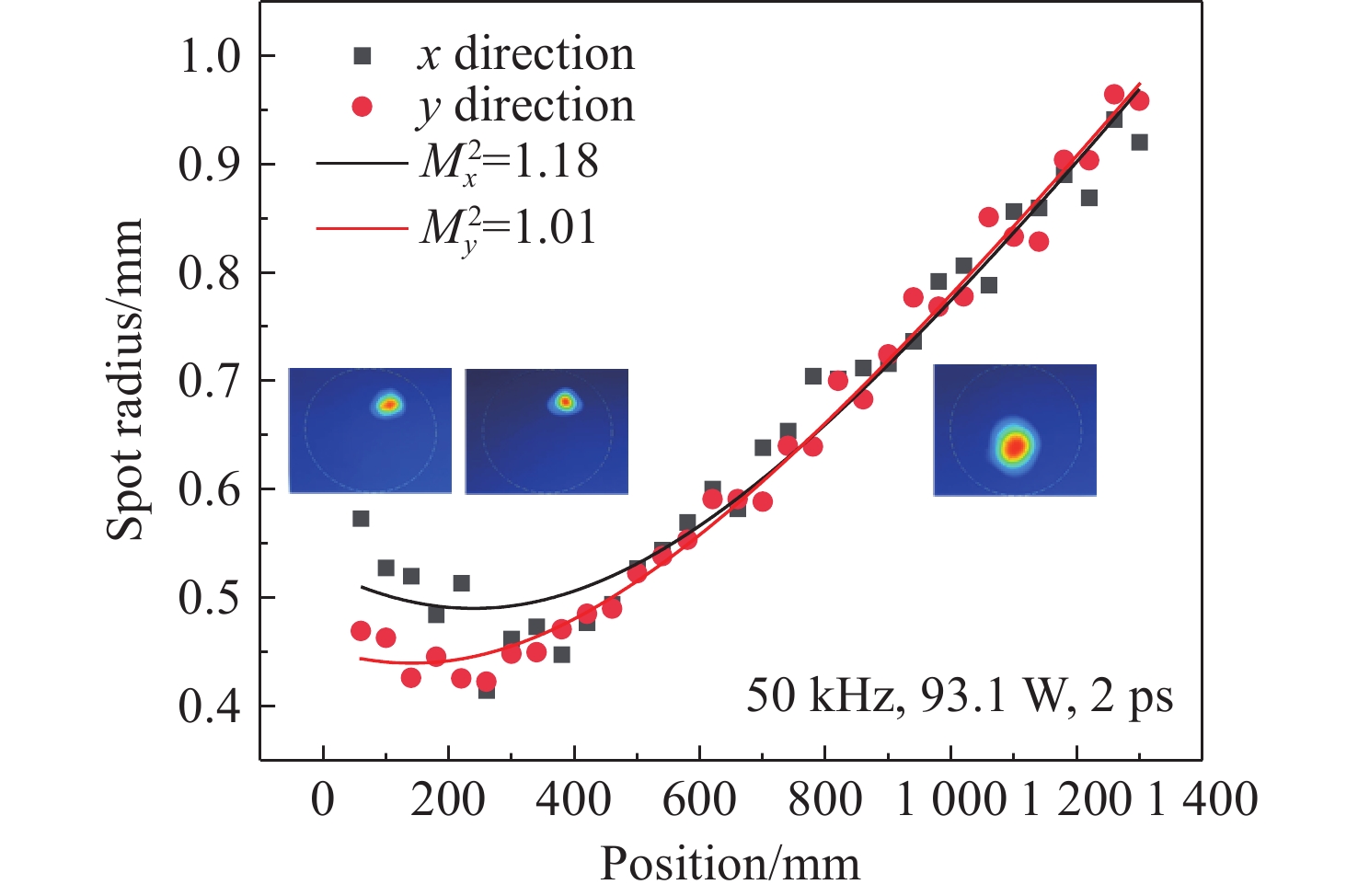
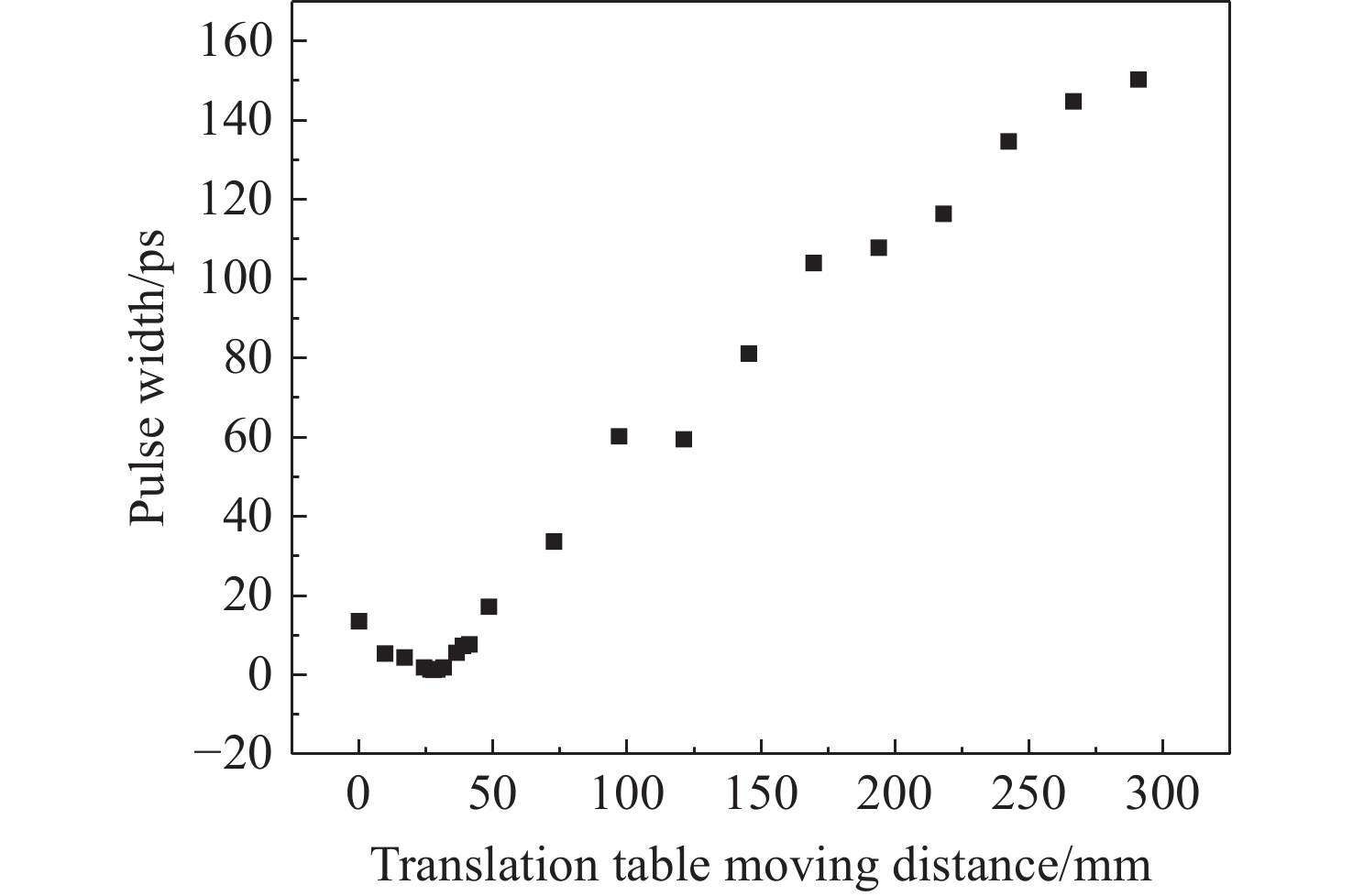
In order to achieve large-range dual-parameter tuning of laser output in repetition rate and pulse width for a Yb:YAG single-cavity thin-disk regenerative amplifier, we designed and constructed a dual Pockels cell collaboratively controlled single-cavity Yb:YAG thin-disk regenerative amplifier. Relying on the timing coordination of the dual Pockels cells and the design of a wide-stability-range resonator, it ensured high beam quality and high energy extraction efficiency, while flexibly achieving a wide range of adjustable laser repetition frequency output. Additionally, the adjustment of the output laser pulse width was achieved by changing the distance between the two compression gratings. Experimental results showed that the thin-disk regenerative amplifier achieved laser output with a tunable repetition frequency ranging from 1 to 50 kHz by regulating the Pockels cells. At a repetition frequency of 50 kHz and an average pump power of 503 W, a maximum output power of 93.1 W was obtained, with beam quality factors
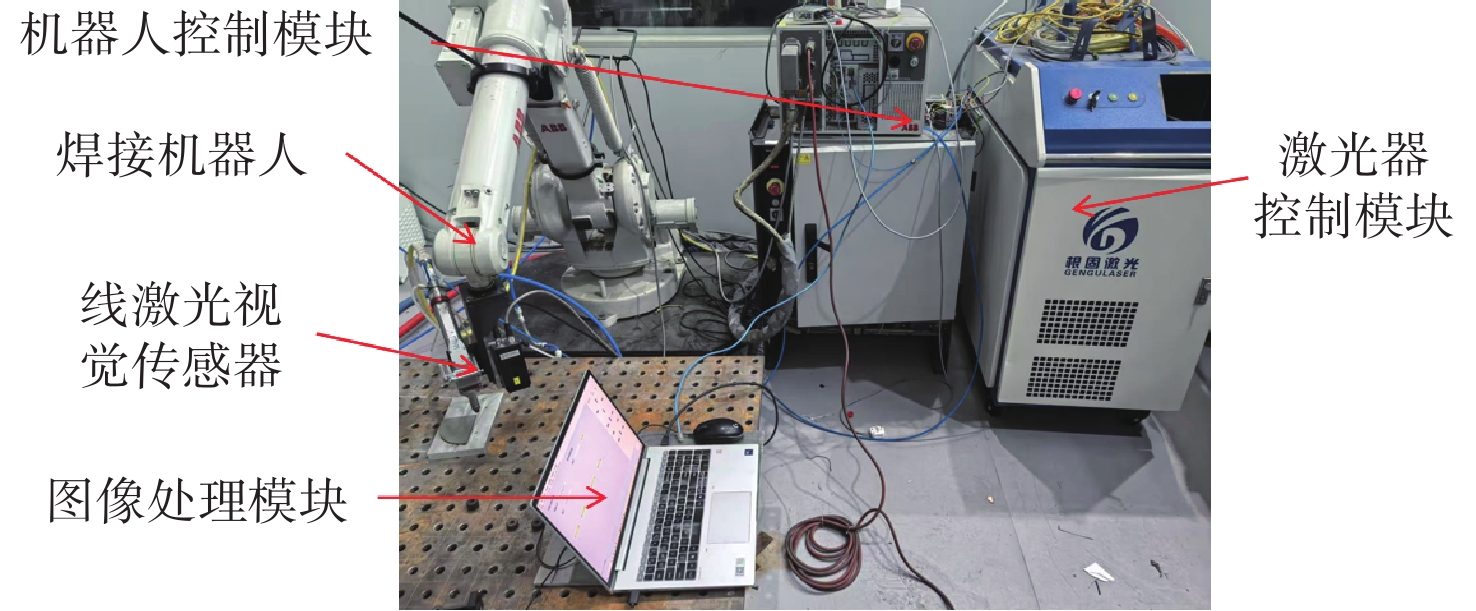
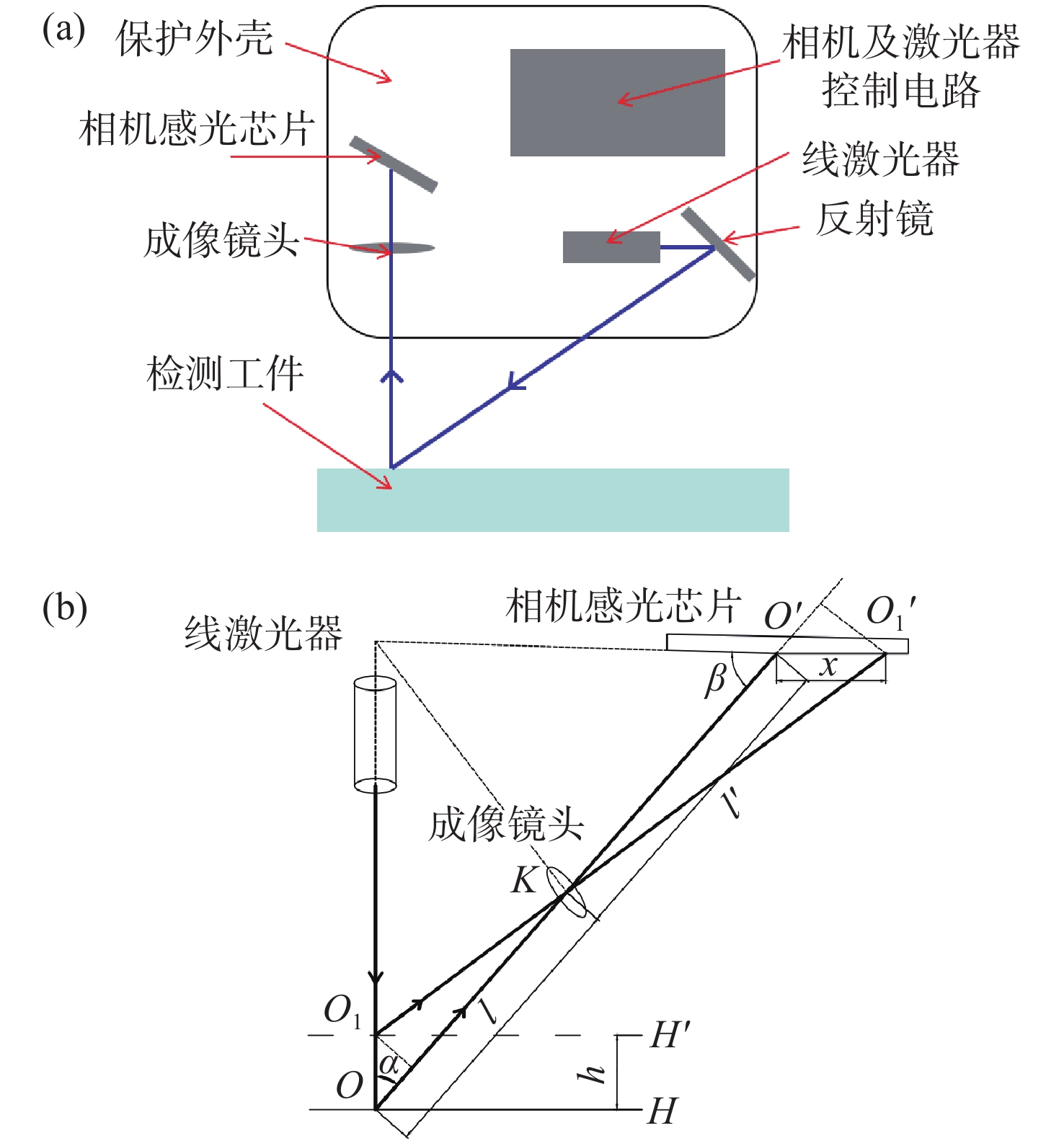
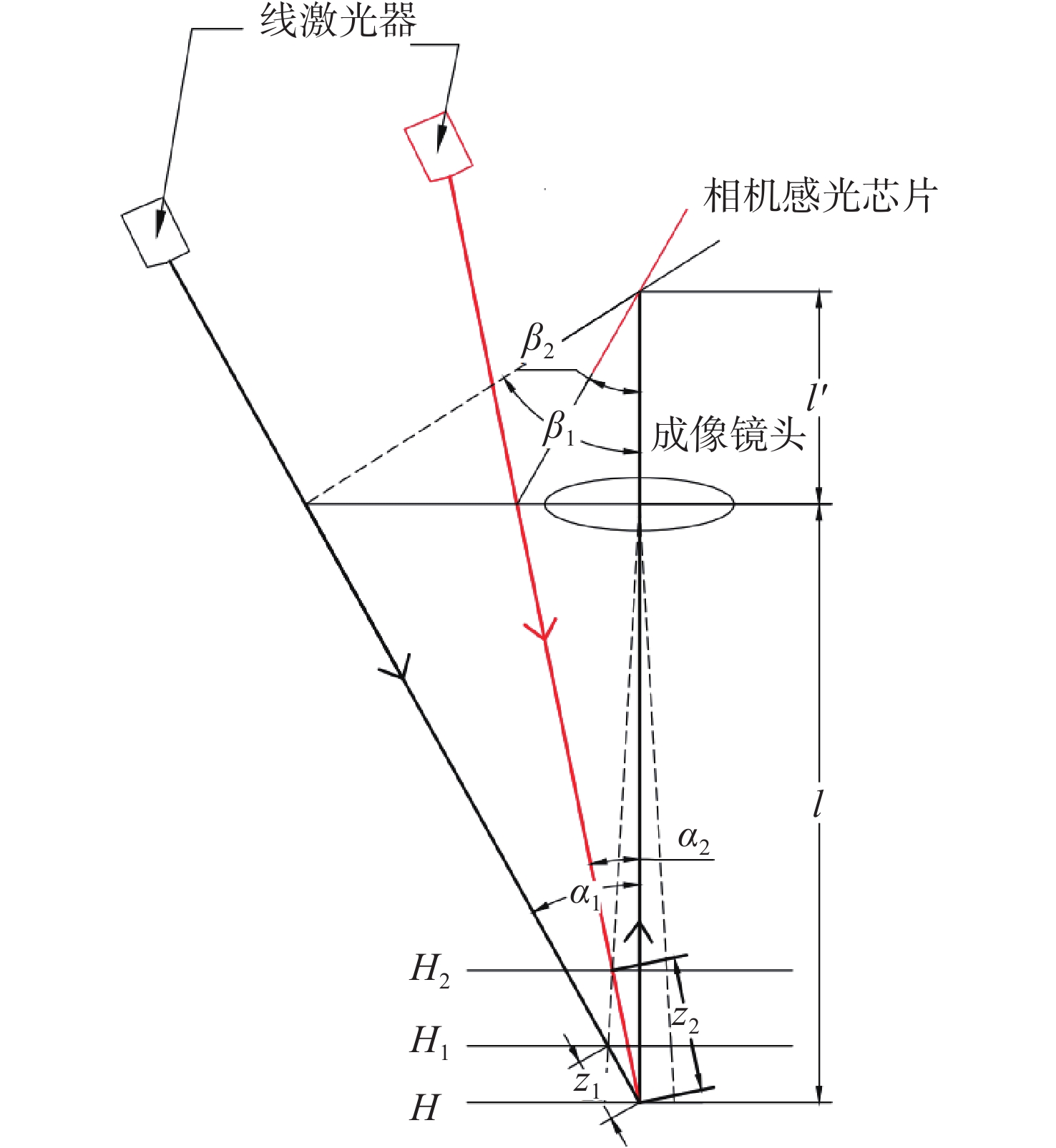
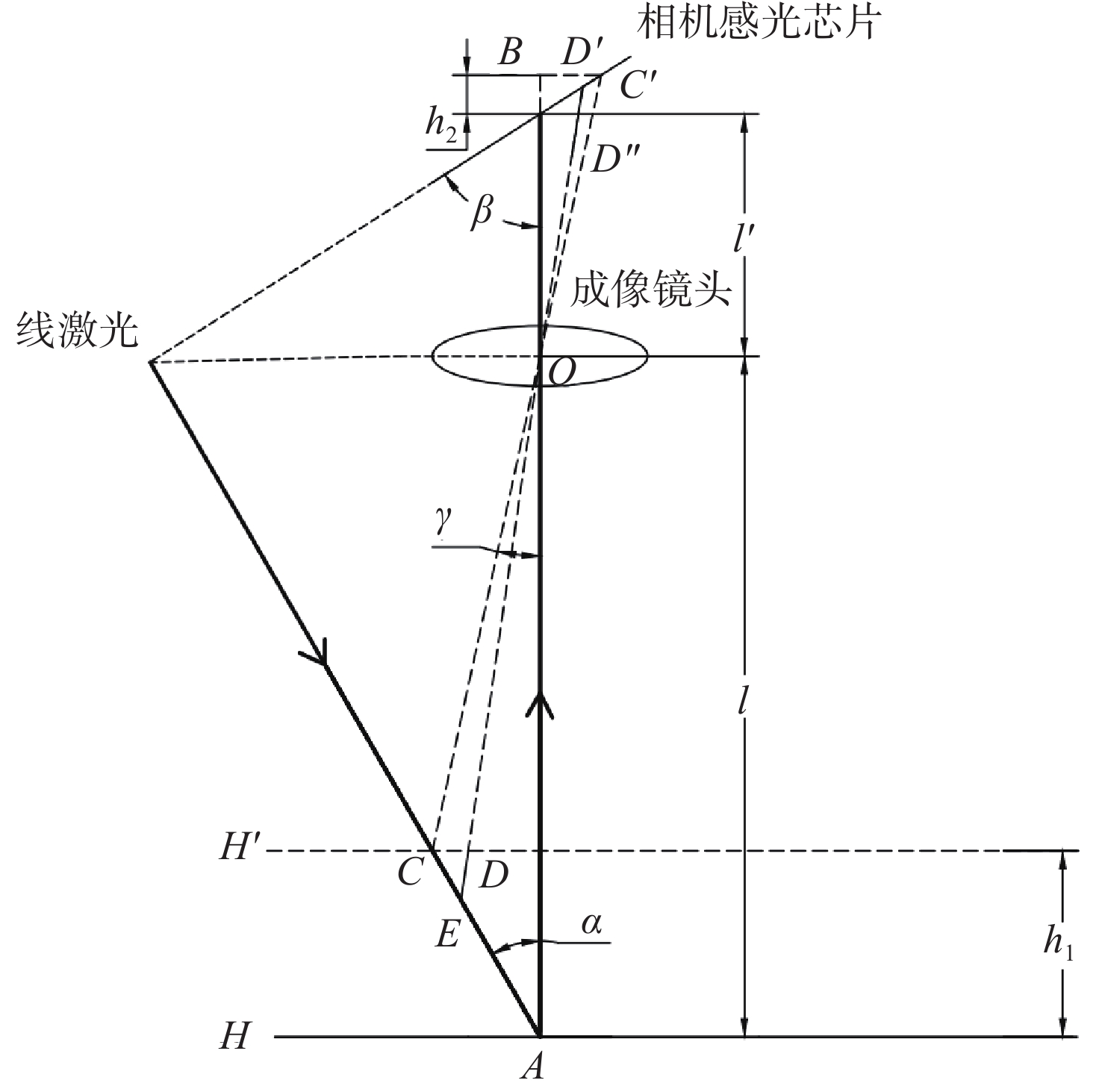
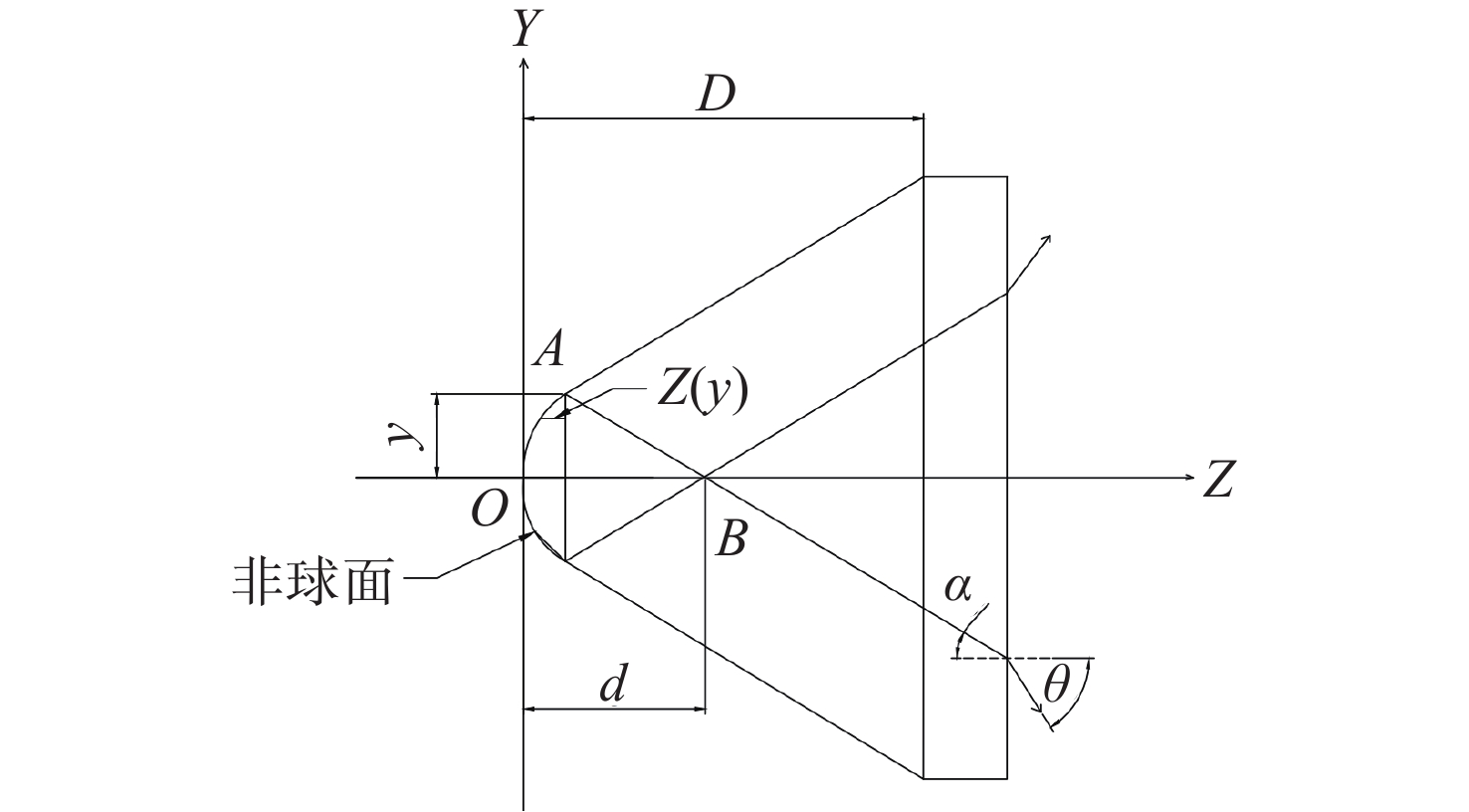
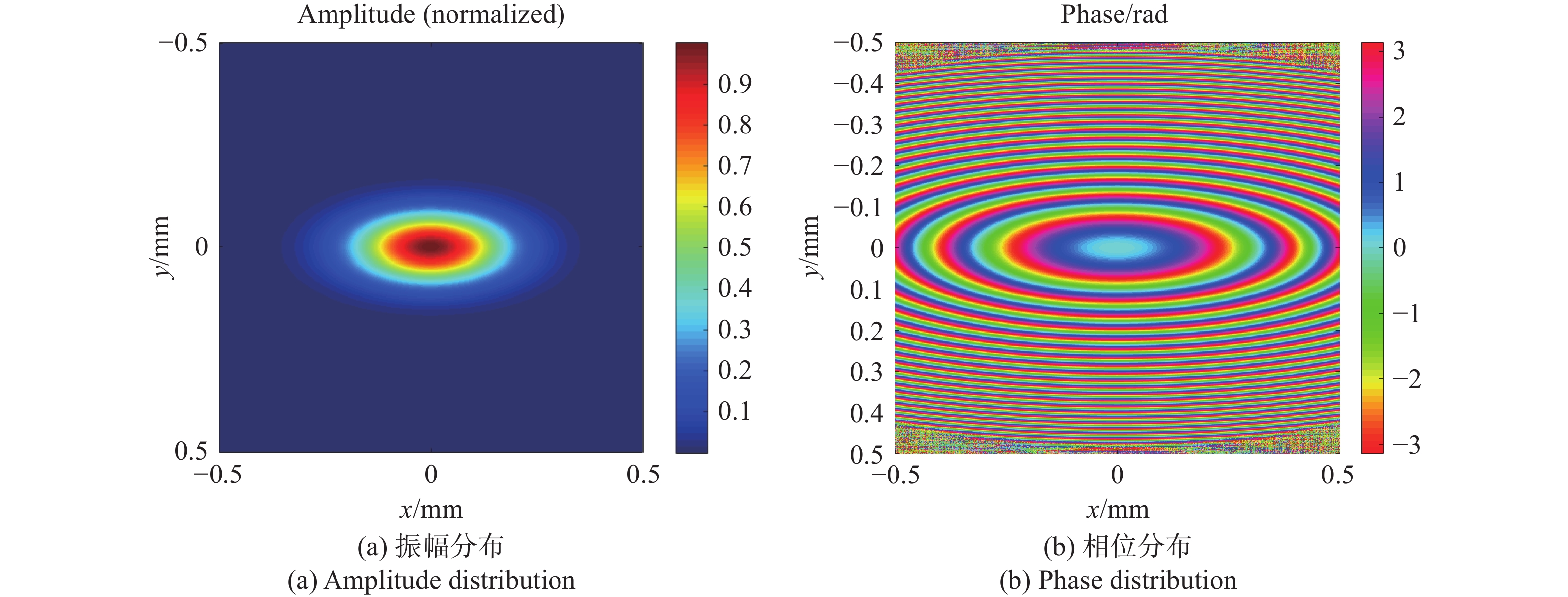
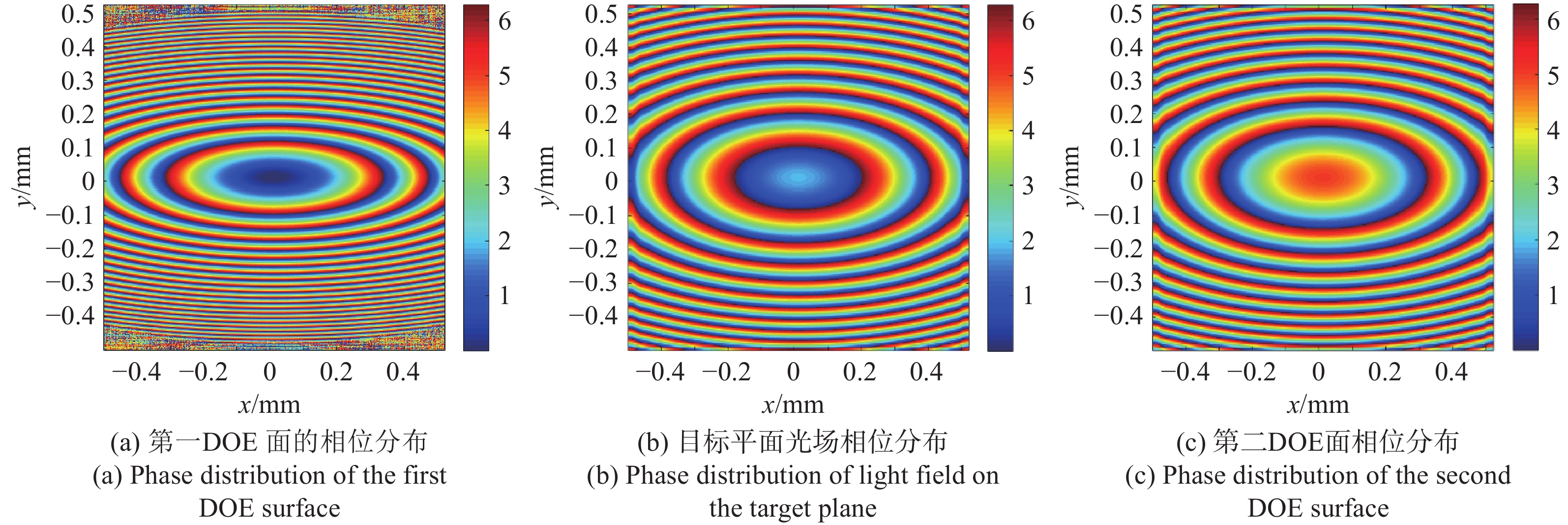
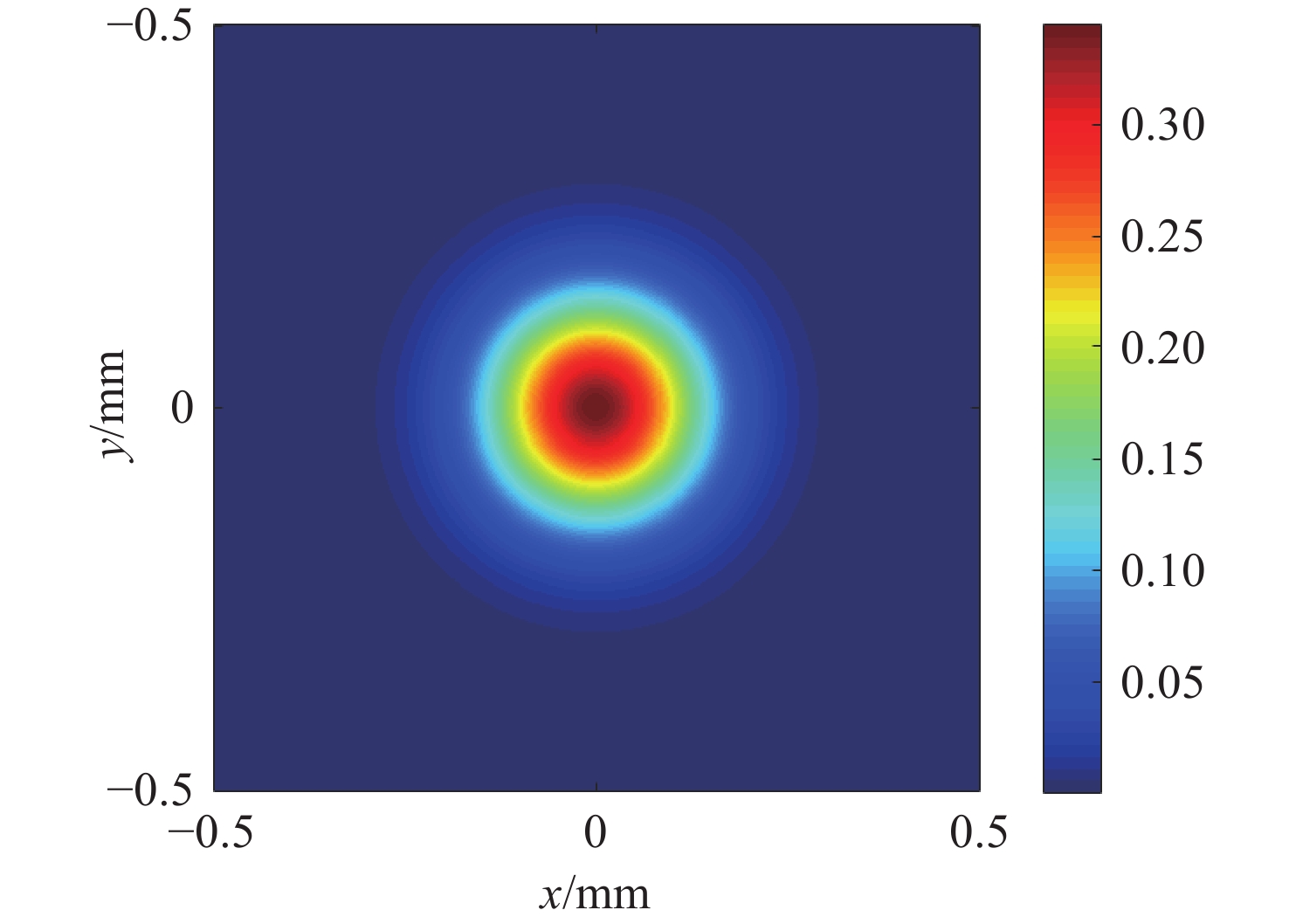
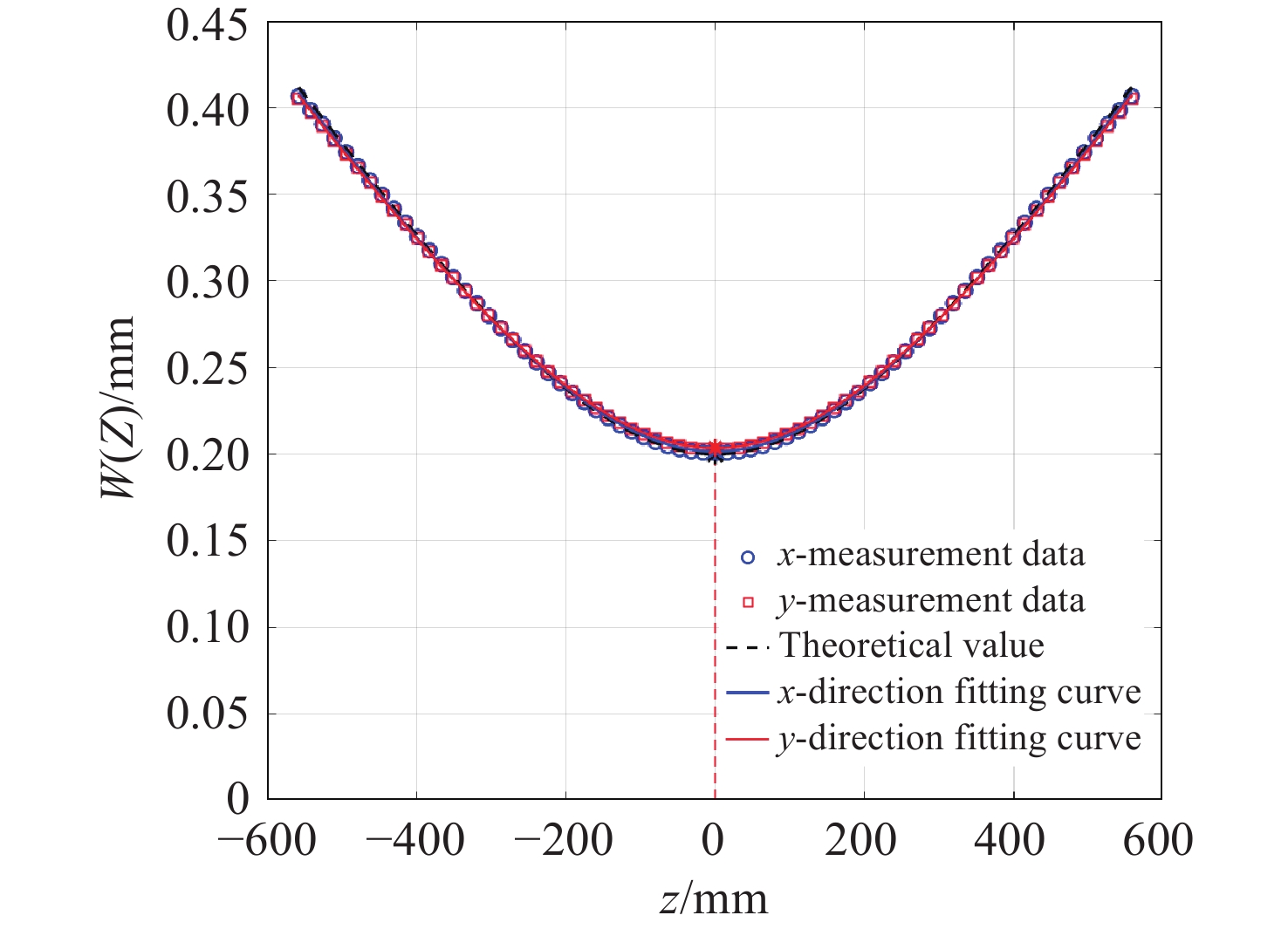
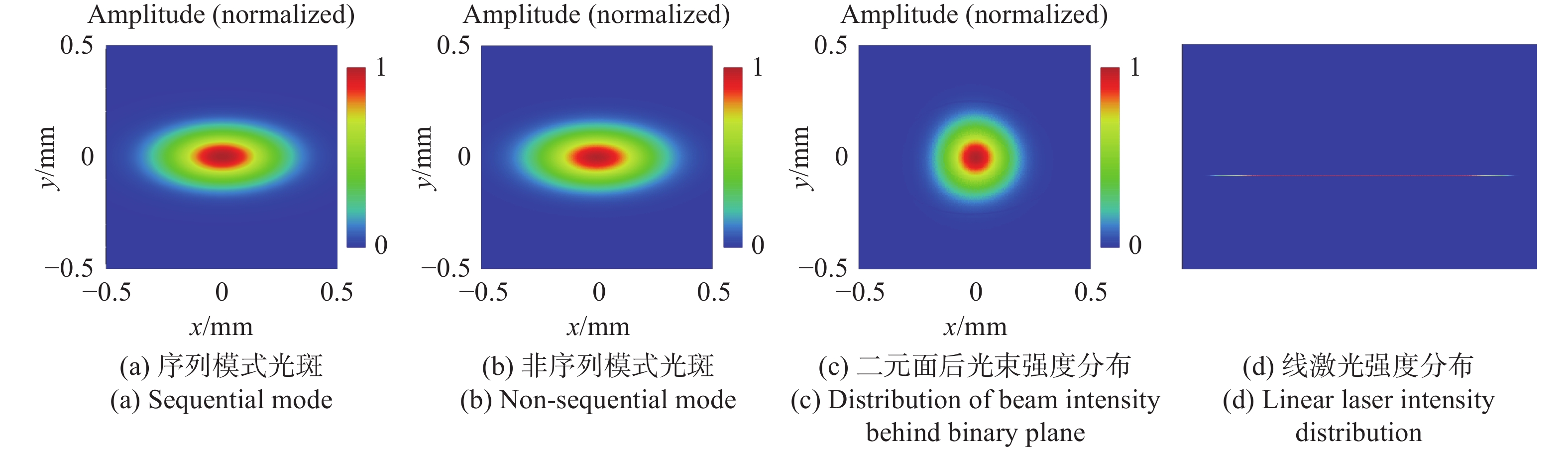
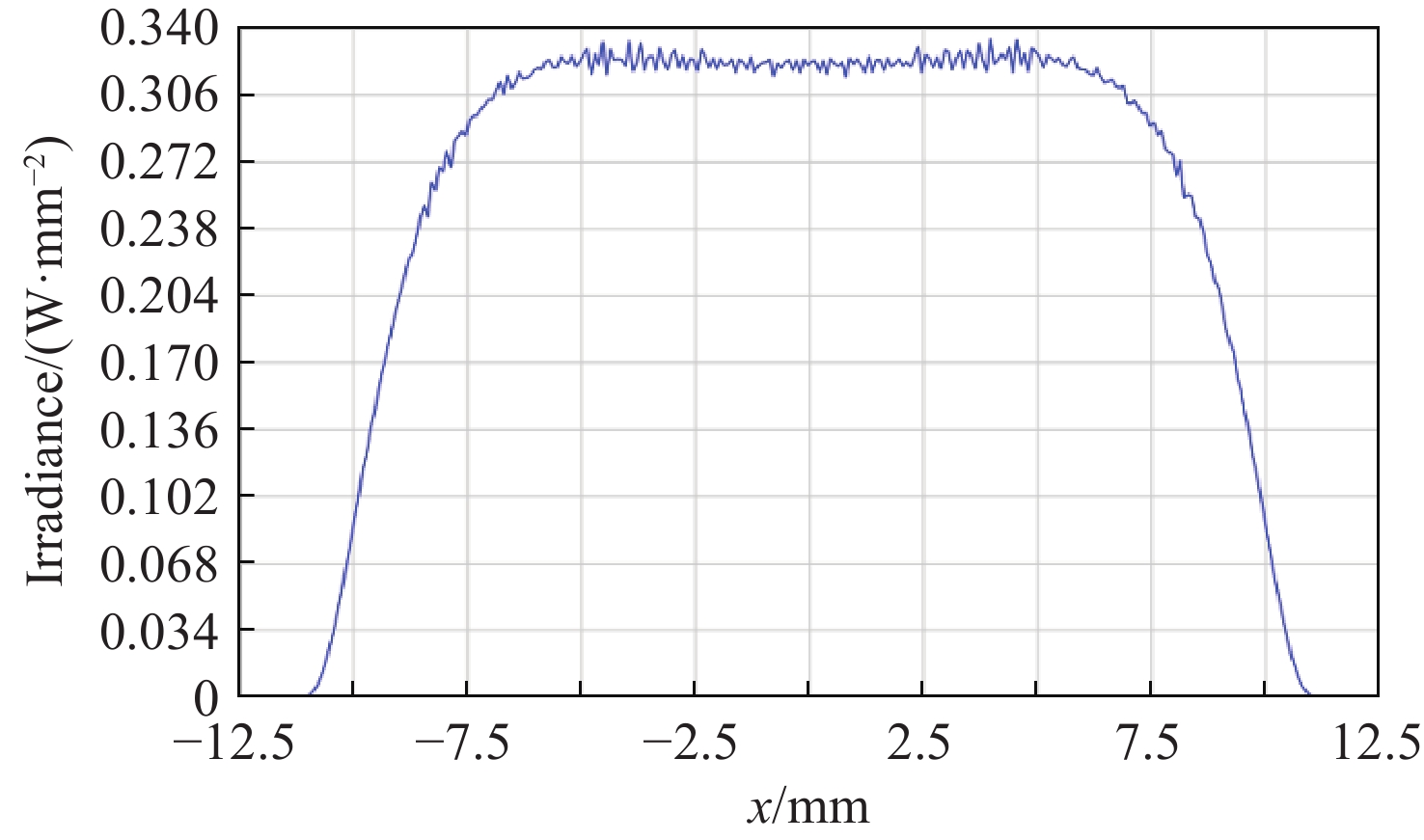
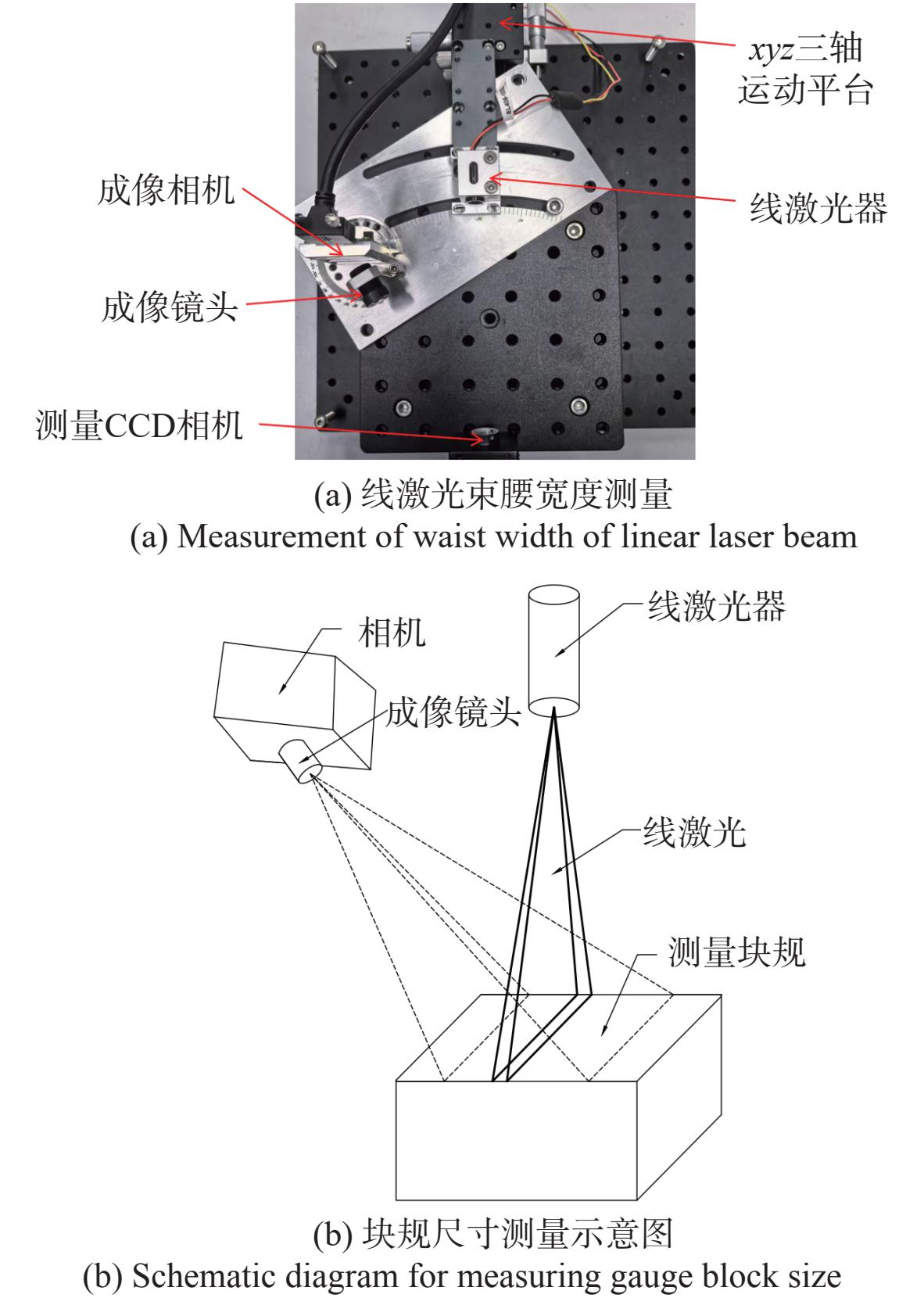
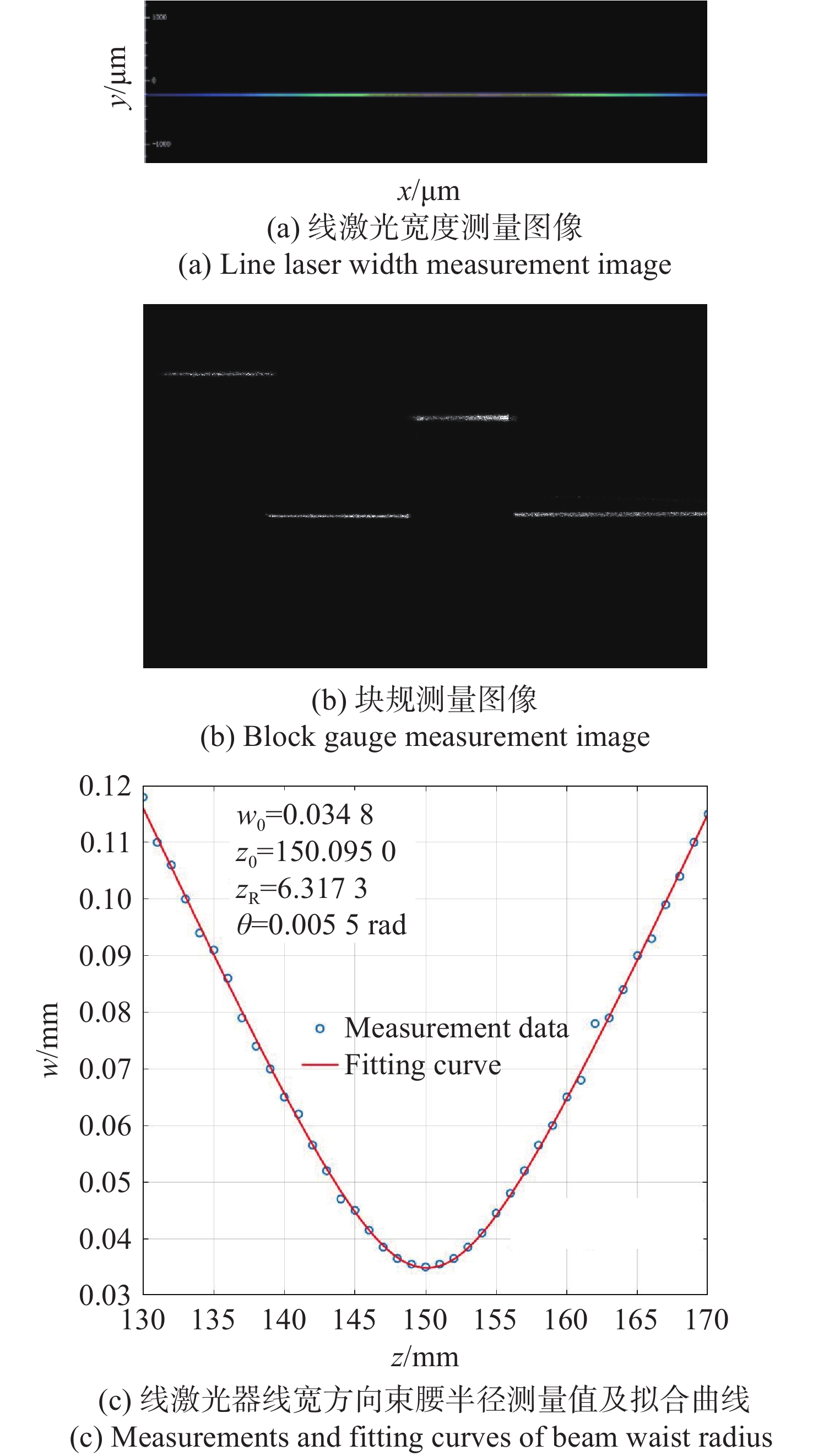
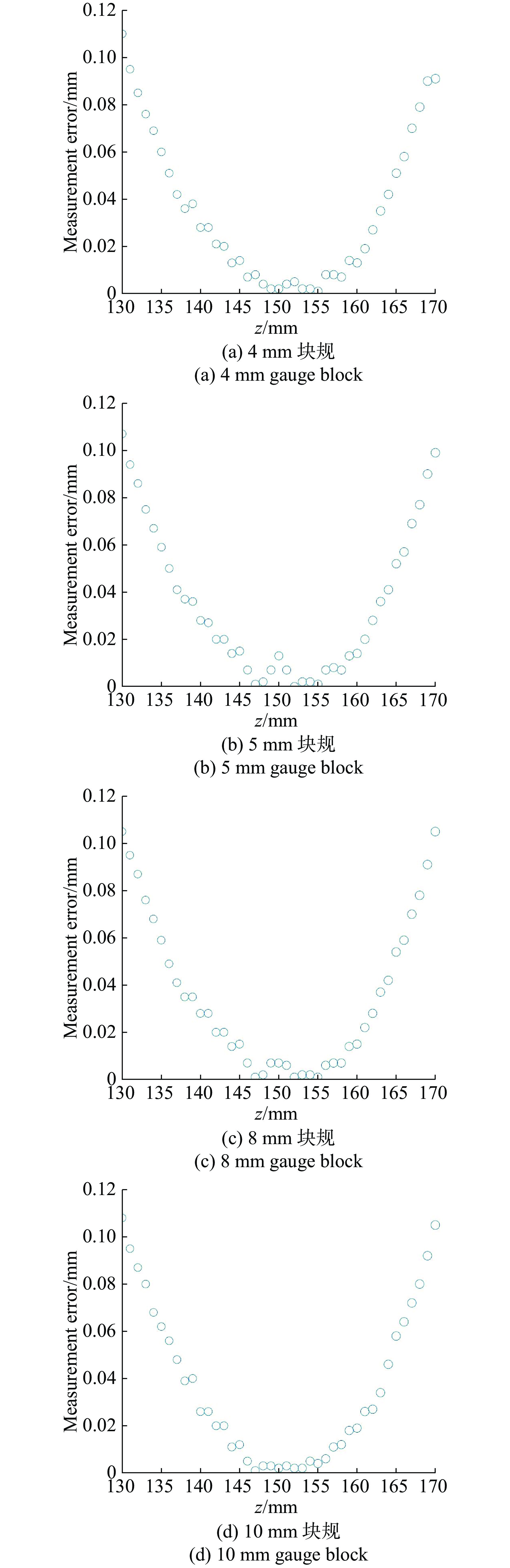
In response to the significant challenges posed by the width and uniformity of illumination from visual sensors during the inspection of sharp corner welds, high-speed welding, and the welding of highly reflective materials in the laser welding process, the influence of line laser width on inspection accuracy was analyzed in this paper. To meet the requirements of narrow width and high uniformity, a line laser shaping design based on a Diffractive Optical Element (DOE) and a Powell prism was proposed. The light generated by a semiconductor laser with a wavelength of 405 nm was shaped into an ideal Gaussian beam using a DOE after beam expansion and collimation, and subsequently shaped into a line laser using a Powell prism. A model was constructed to simulate the aforementioned process, and corresponding experiments were designed to verify the relationship between line laser width and inspection accuracy. The results showed that after passing through the DOE, the
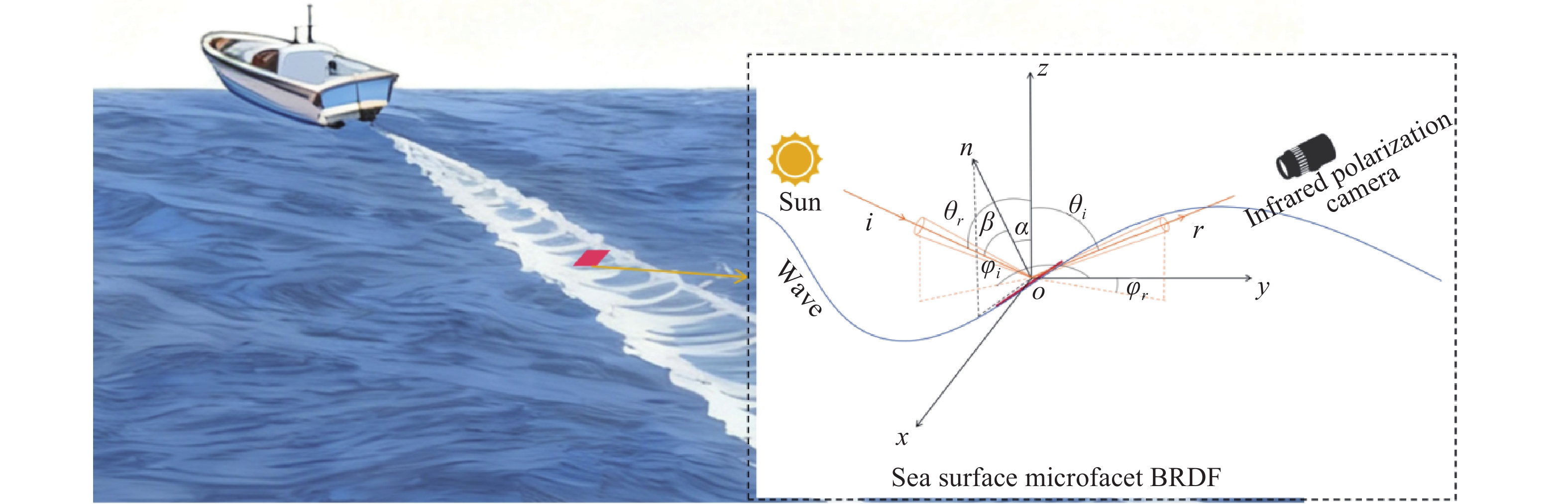
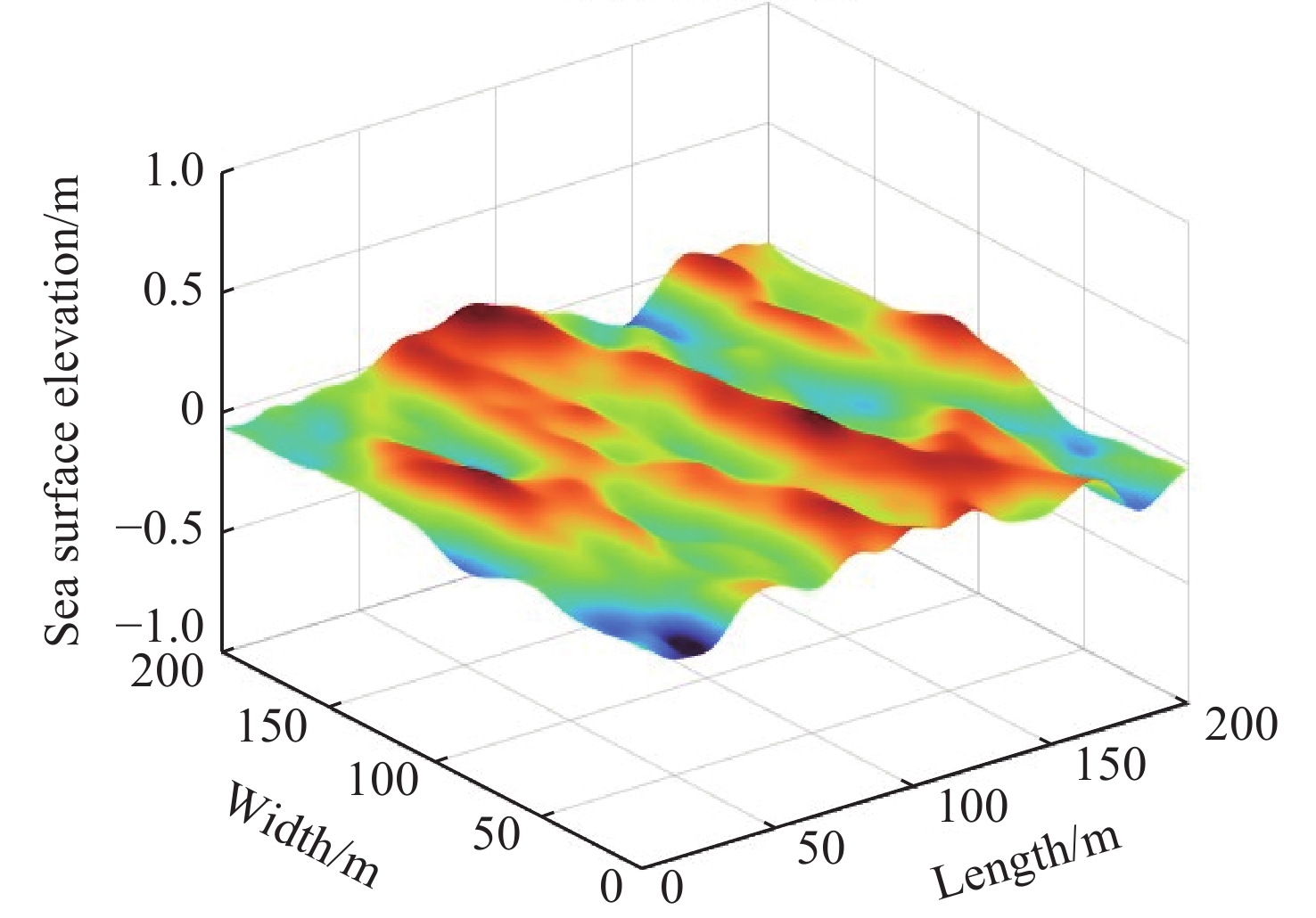
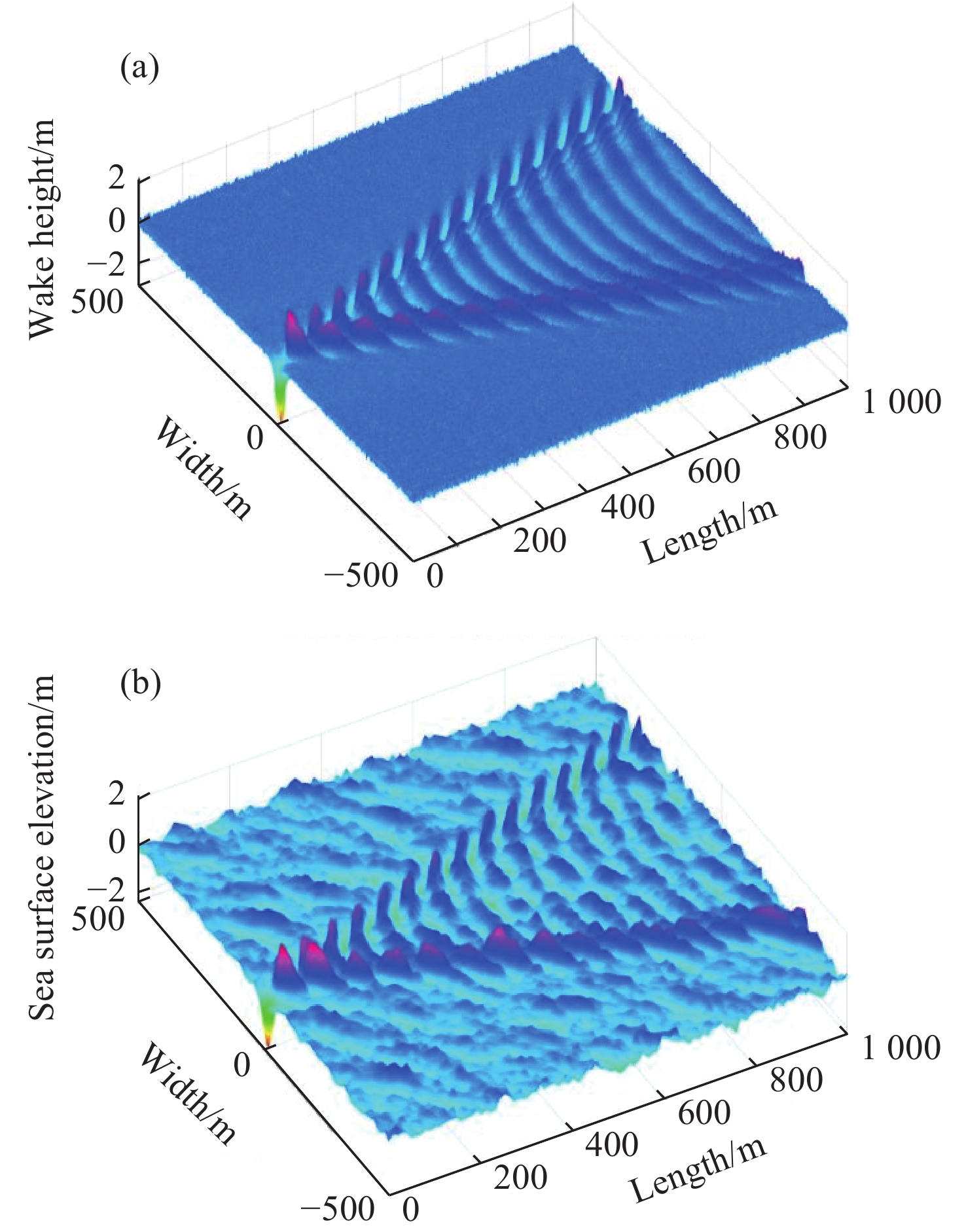
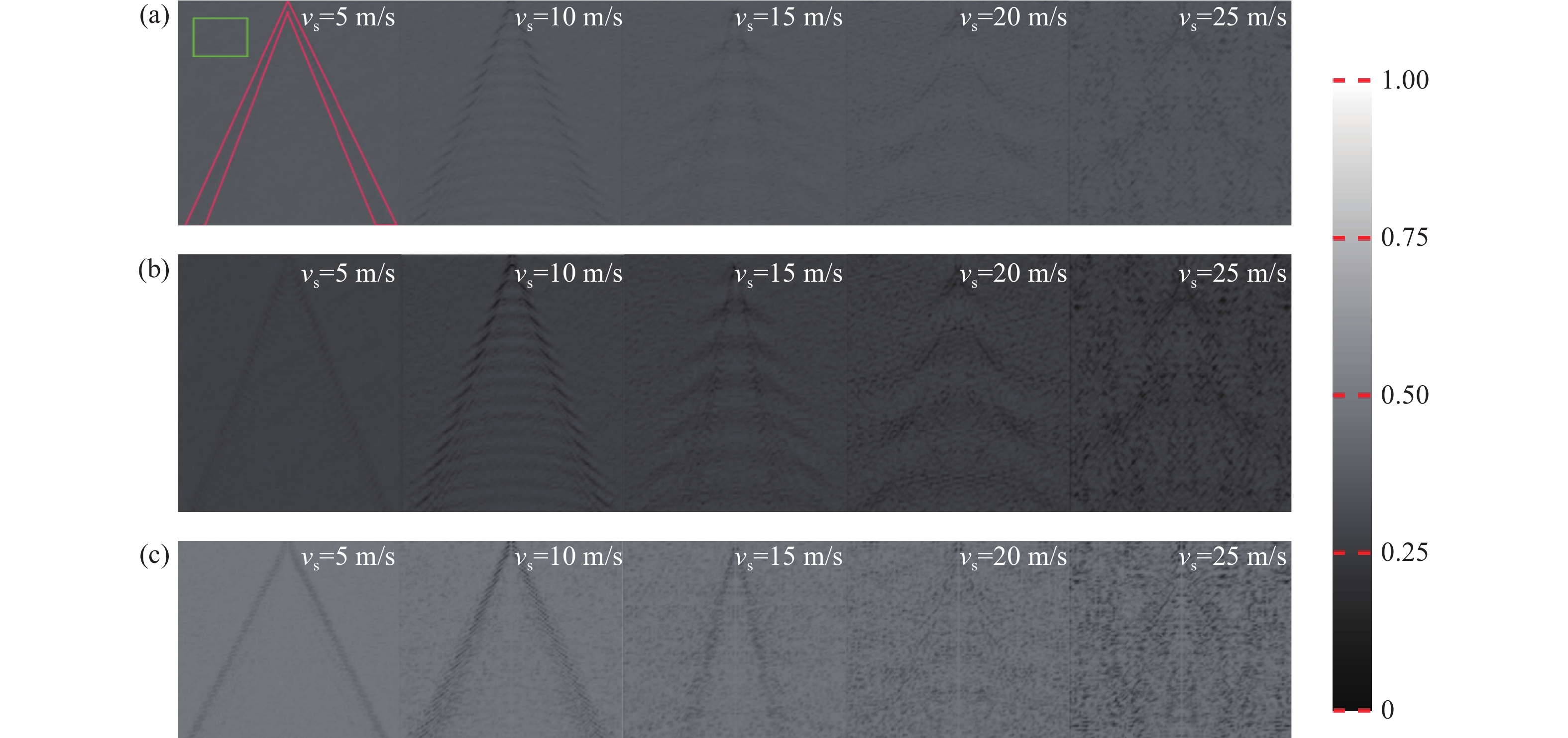
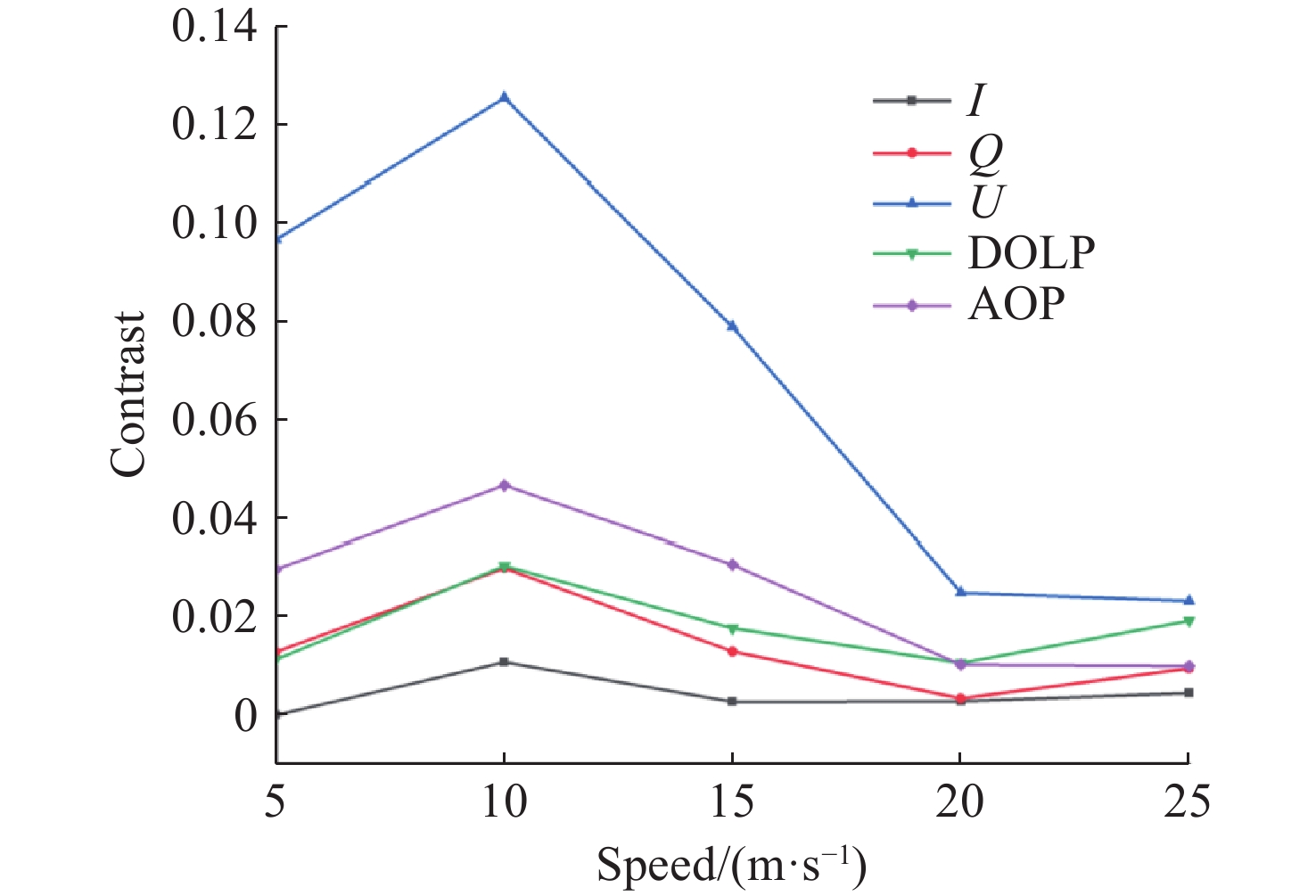
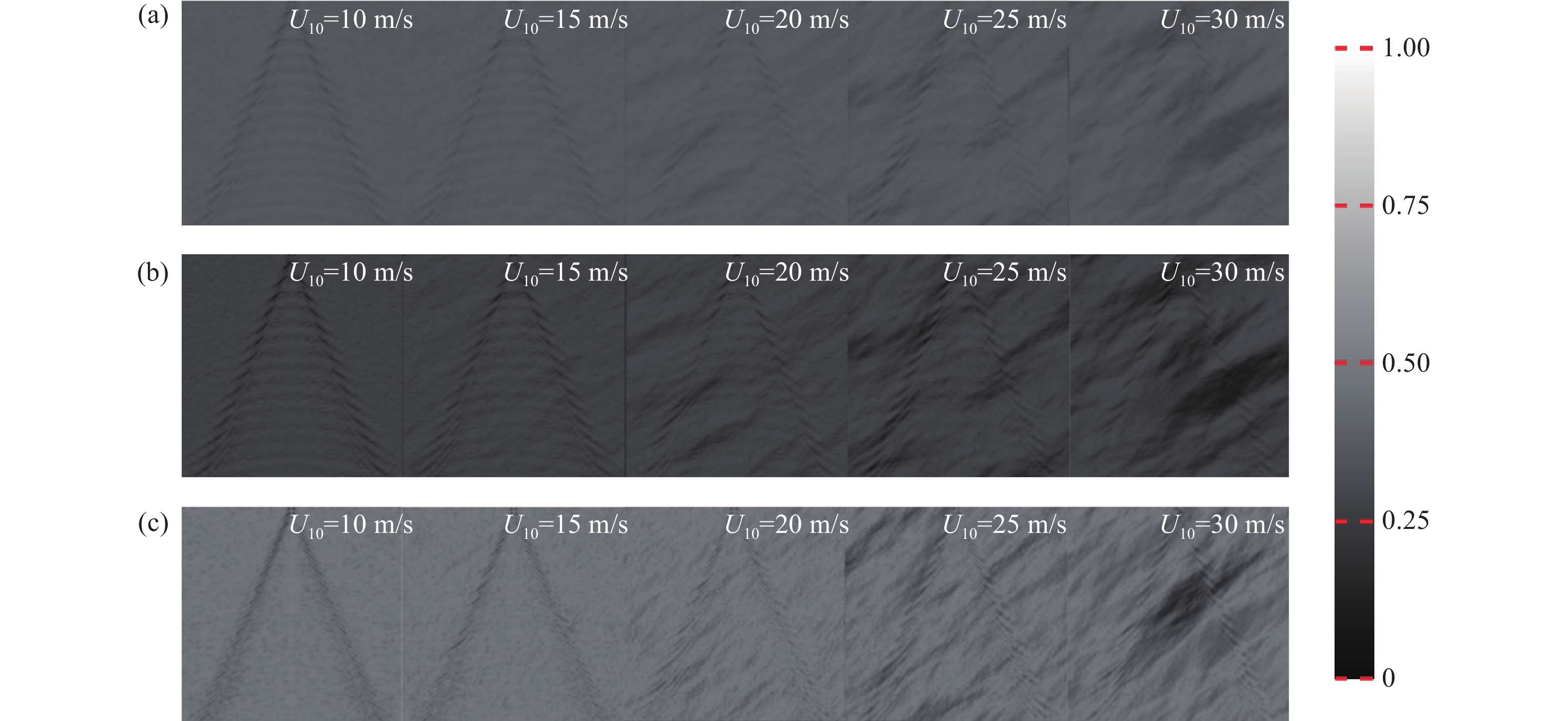
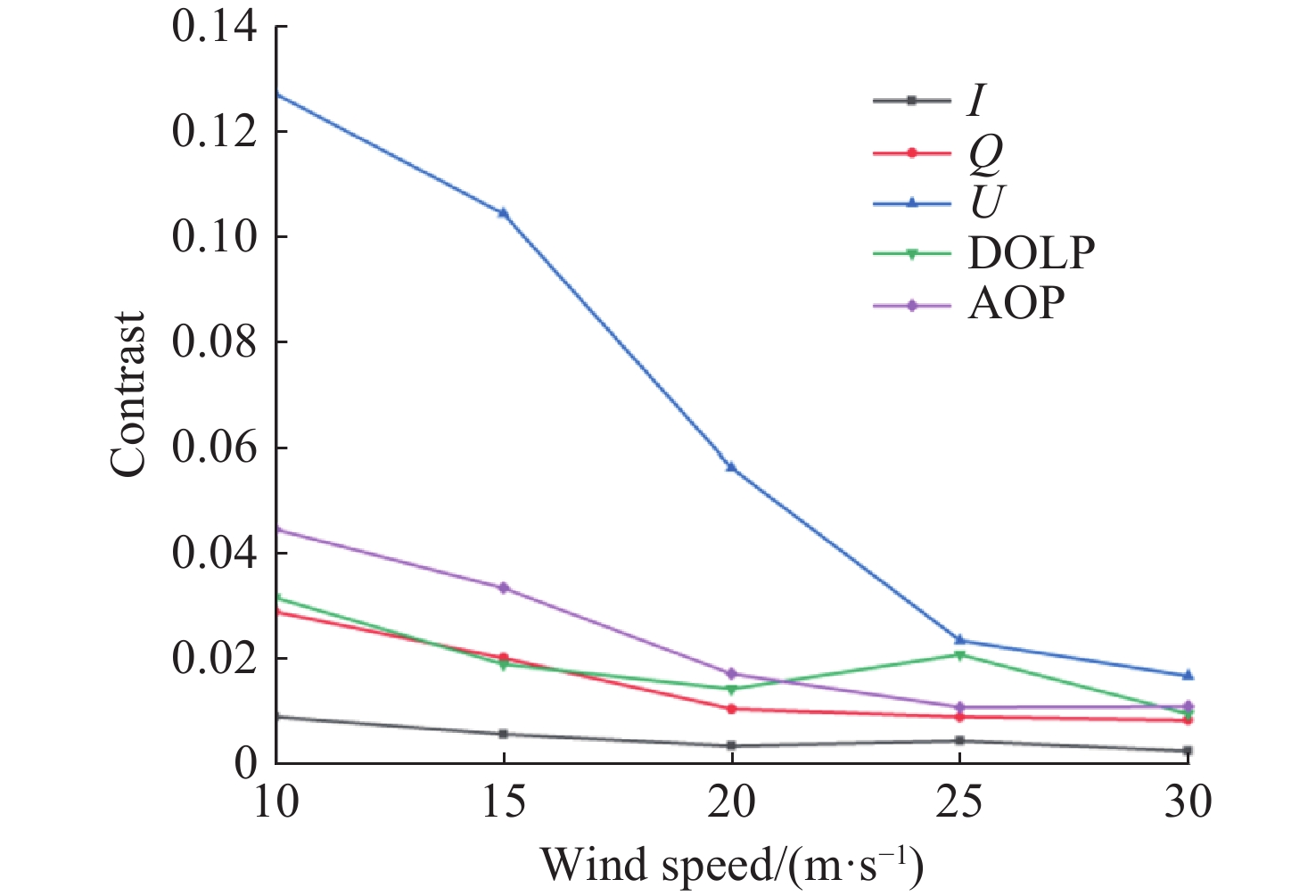
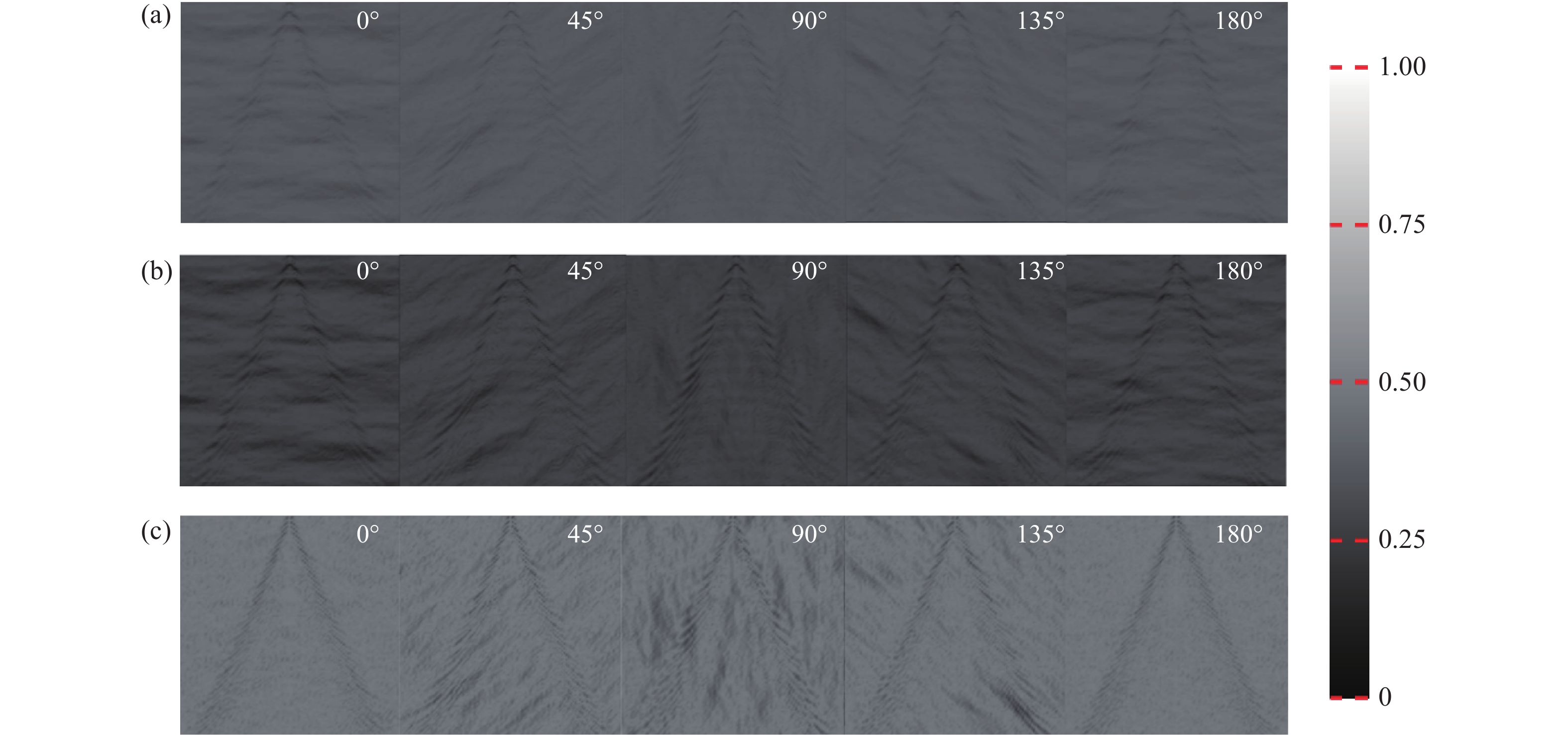
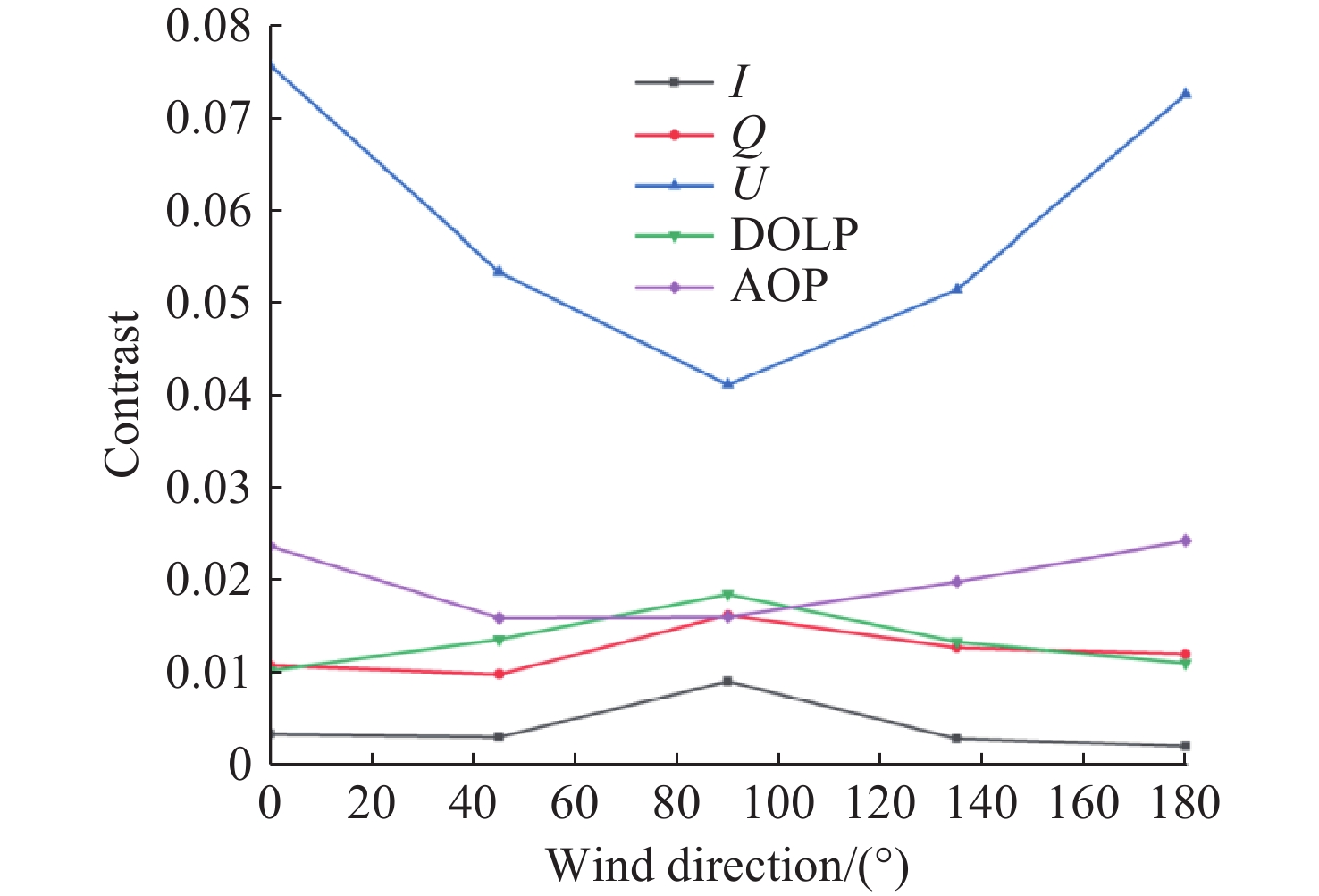
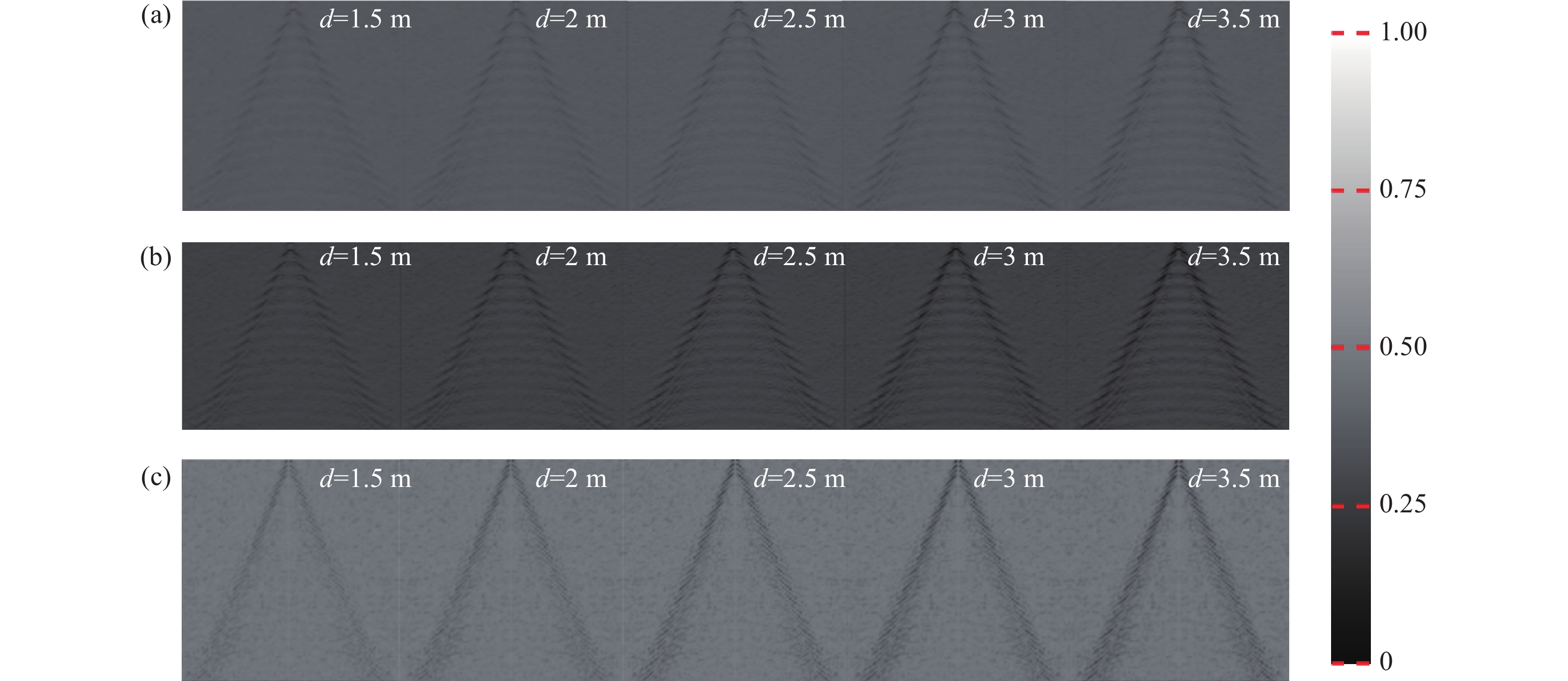
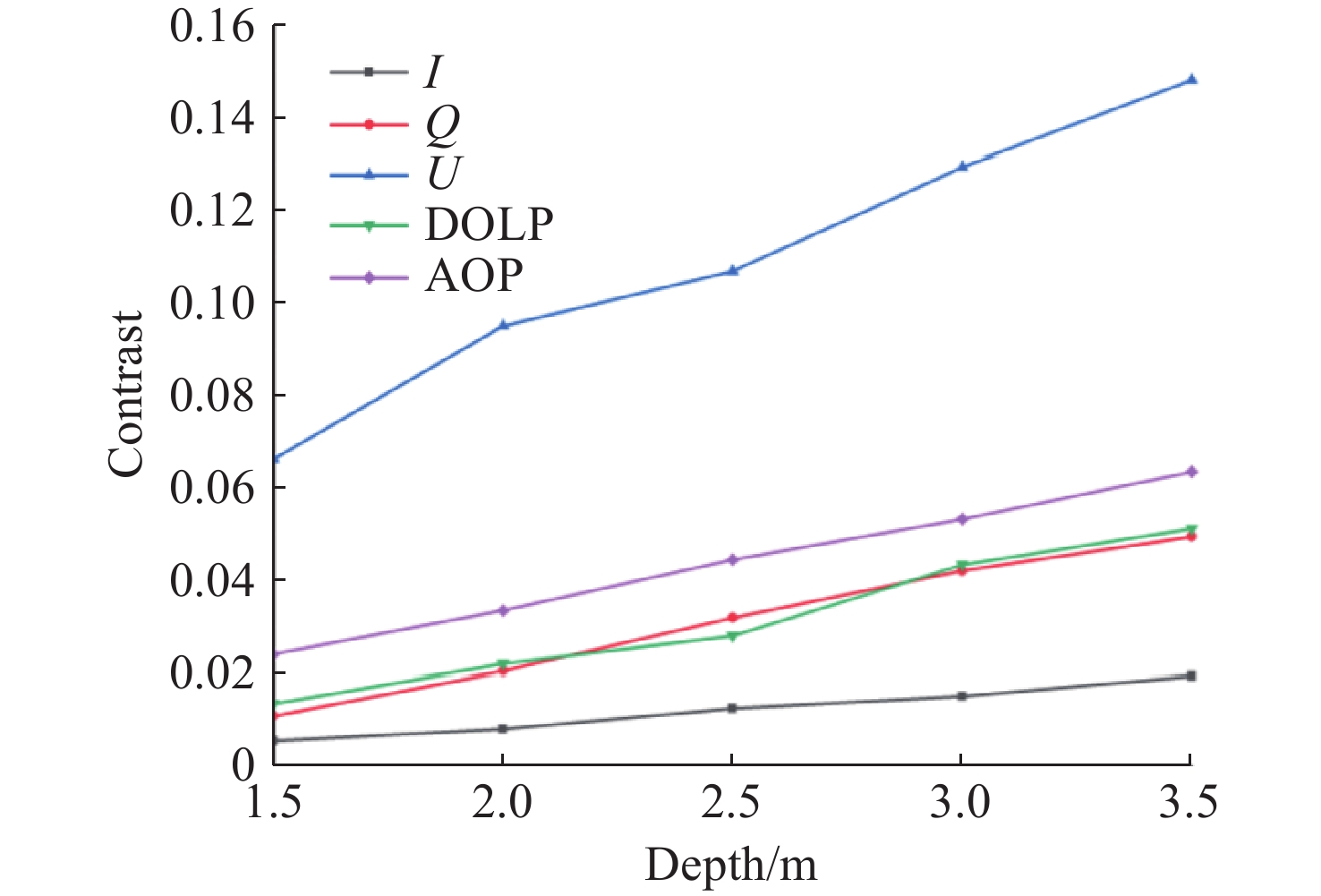
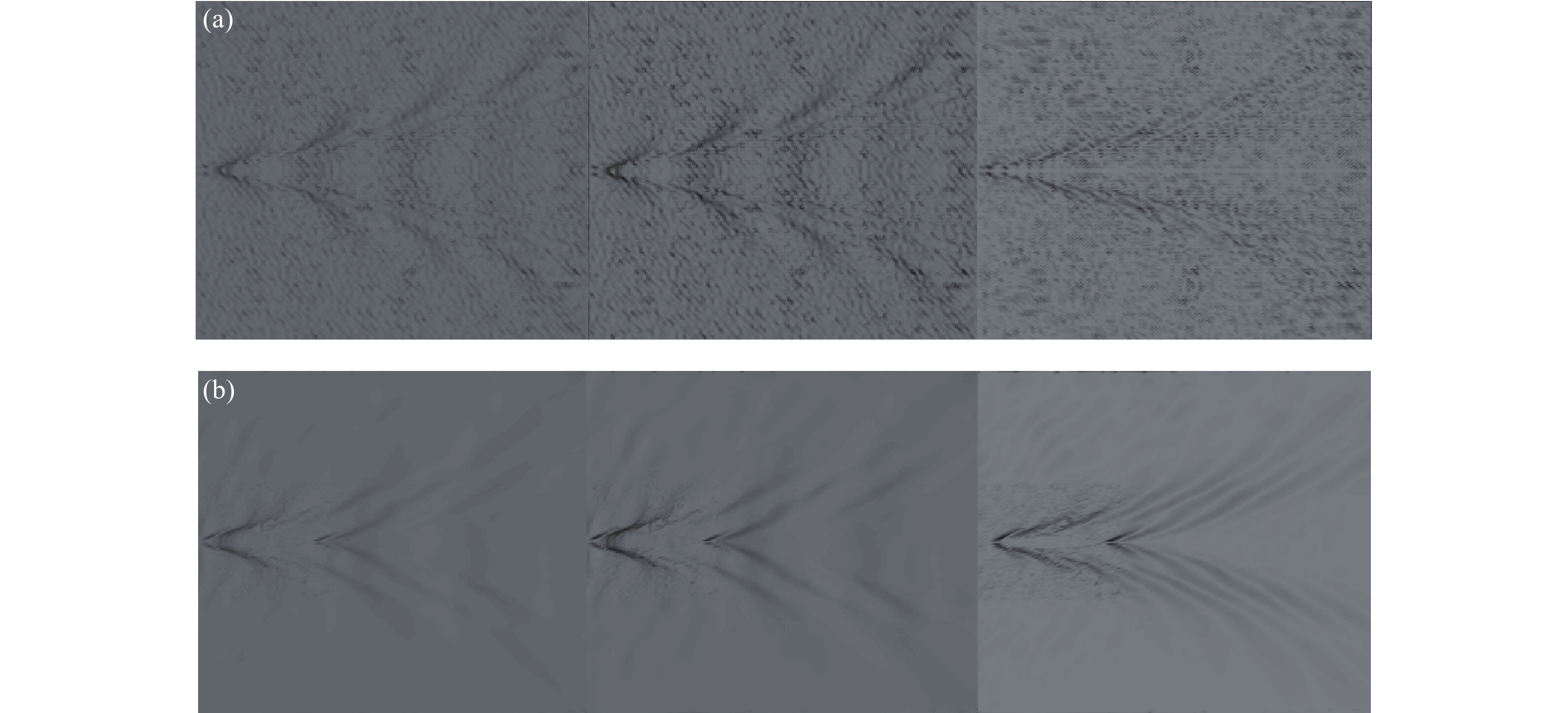
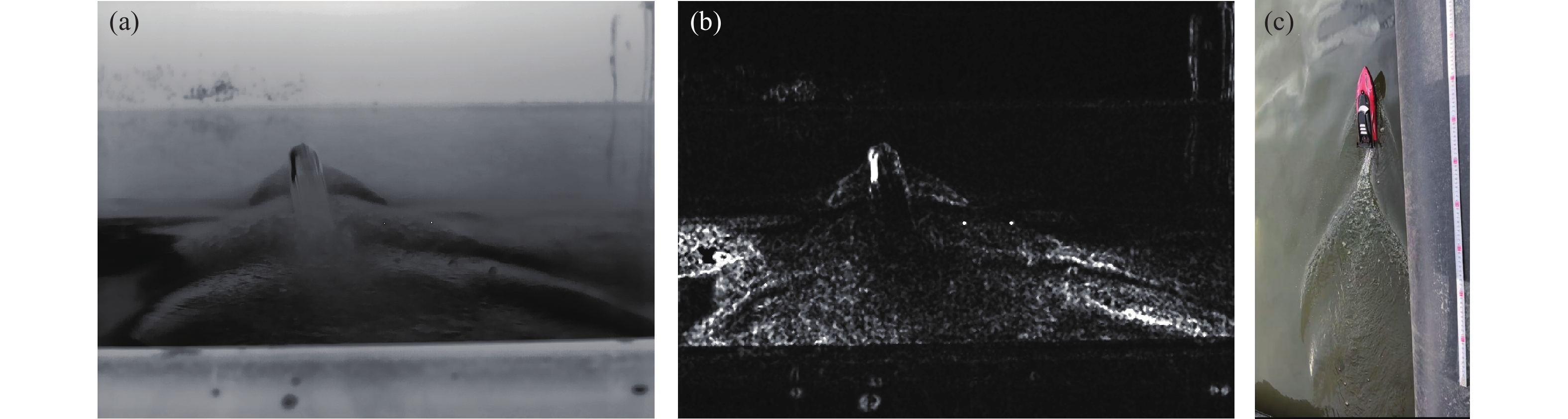
Addressing the requirement for infrared detection of ship wakes under complex sea conditions, a method for analyzing the dynamic infrared polarization characteristics of ship wakes based on the microfacet model is proposed. An analytical model for the infrared polarization effects of wakes against a complex sea surface background is constructed. Based on the P-M sea spectrum model and the Kelvin wake model, the microfacet bidirectional reflectance distribution function is introduced to analyze the infrared polarization characteristics of ship wakes under dynamic sea surface backgrounds. The influence of parameters such as ship speed, draught, wind speed, and wind direction on the wake's infrared polarization characteristics, including the degree of polarization (DOP), angle of polarization (AOP), and contrast, is investigated. Notably, the average contrast of the wake's infrared DOP image is improved by 159% compared to traditional intensity images, and the AOP image shows an improvement of 258%. The analytical model for wake infrared polarization effects is validated by comparing mathematical simulations with computational fluid dynamics simulations, achieving a similarity of over 95.7%. A comparison between actual captured wake images and simulation results shows high similarity, confirming the effectiveness of the proposed model for simulating and analyzing the infrared polarization characteristics of ship wakes against a sea background. This study provides an important theoretical foundation for high-precision, anti-interference detection and identification of ships under complex sea conditions.
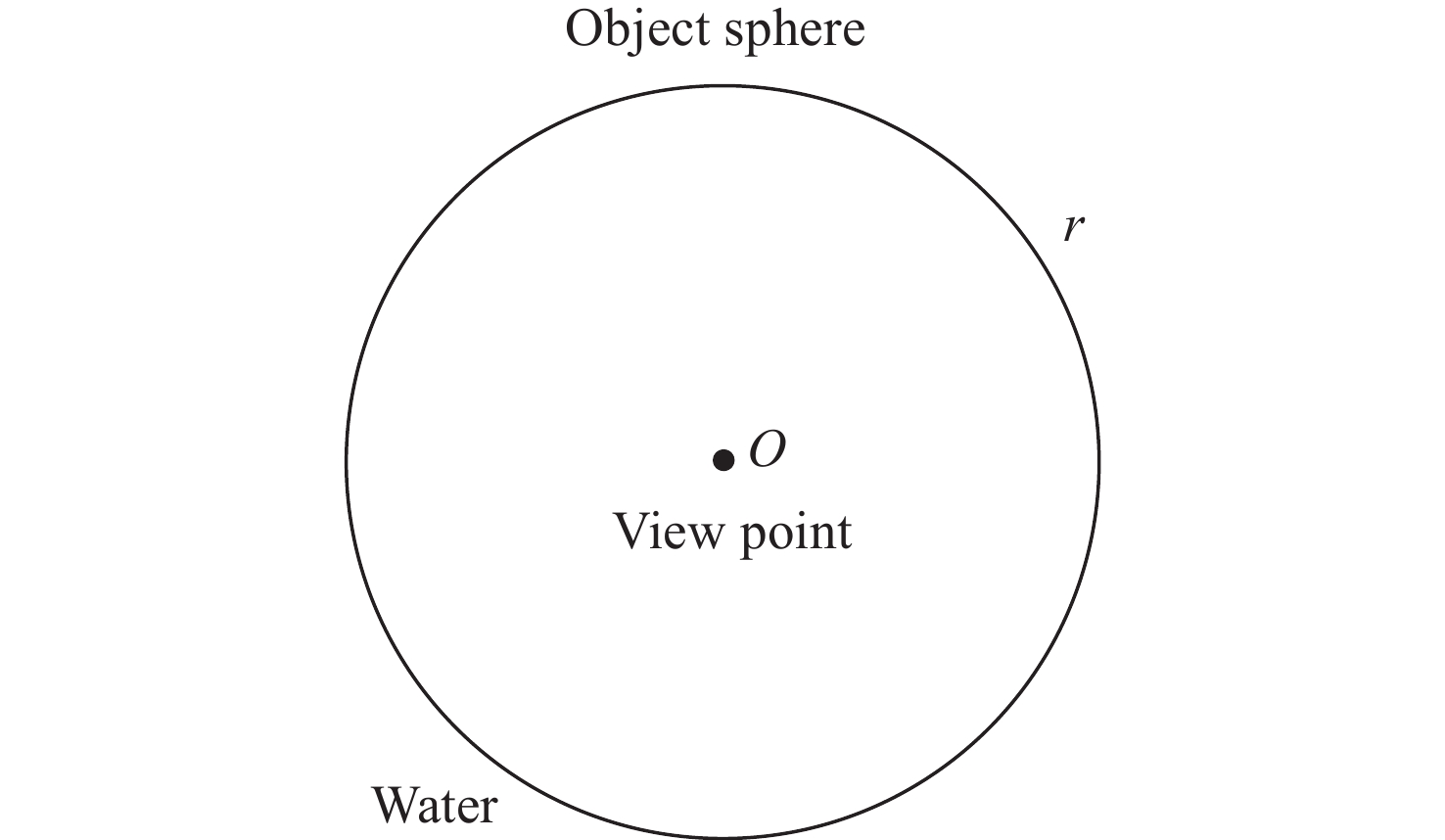
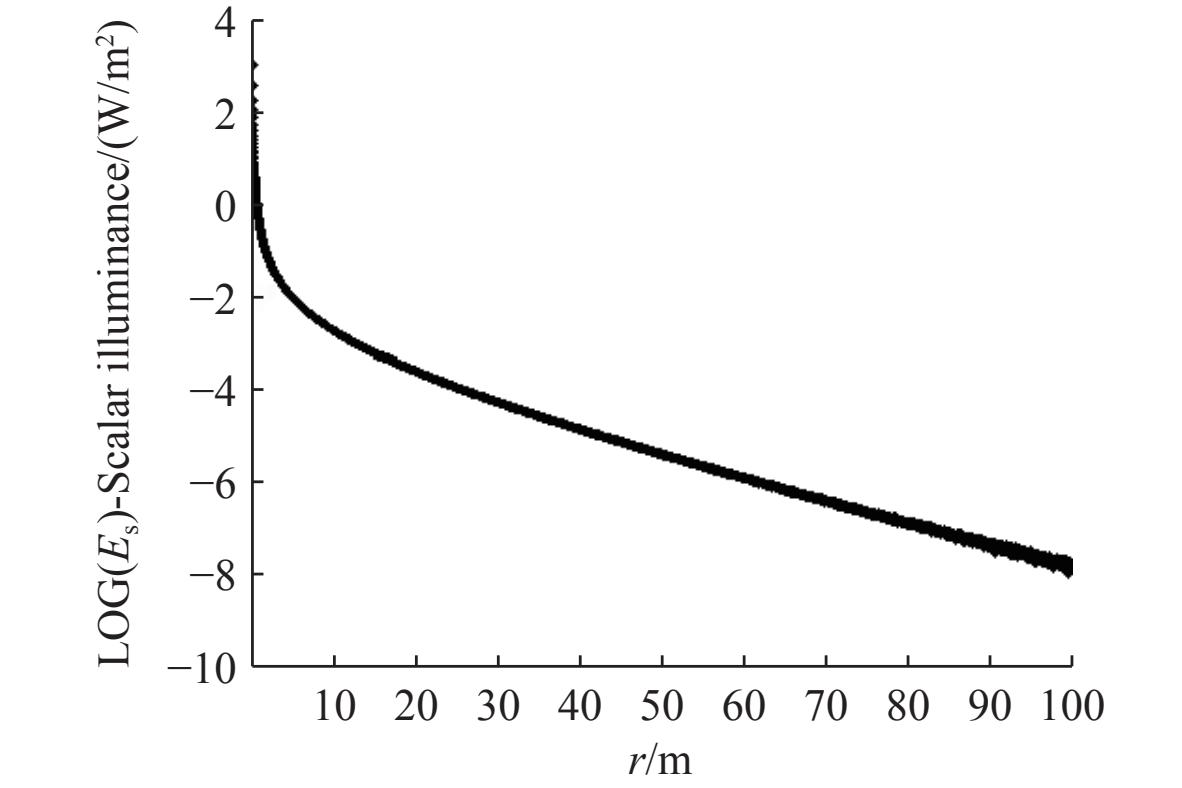
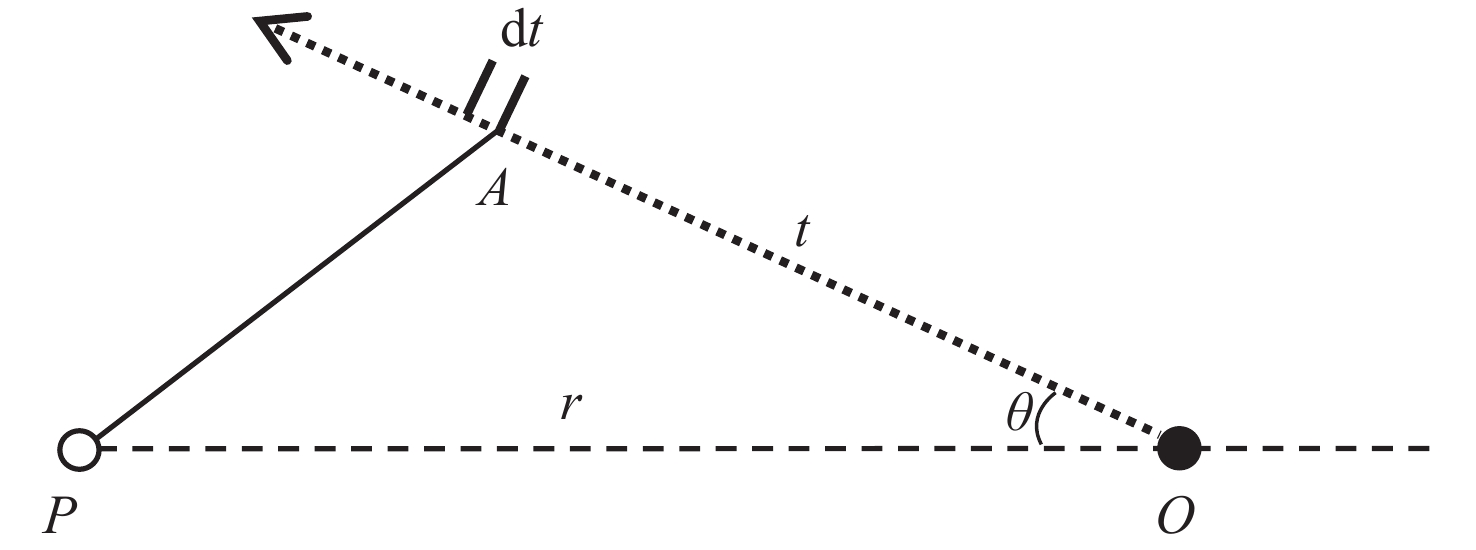
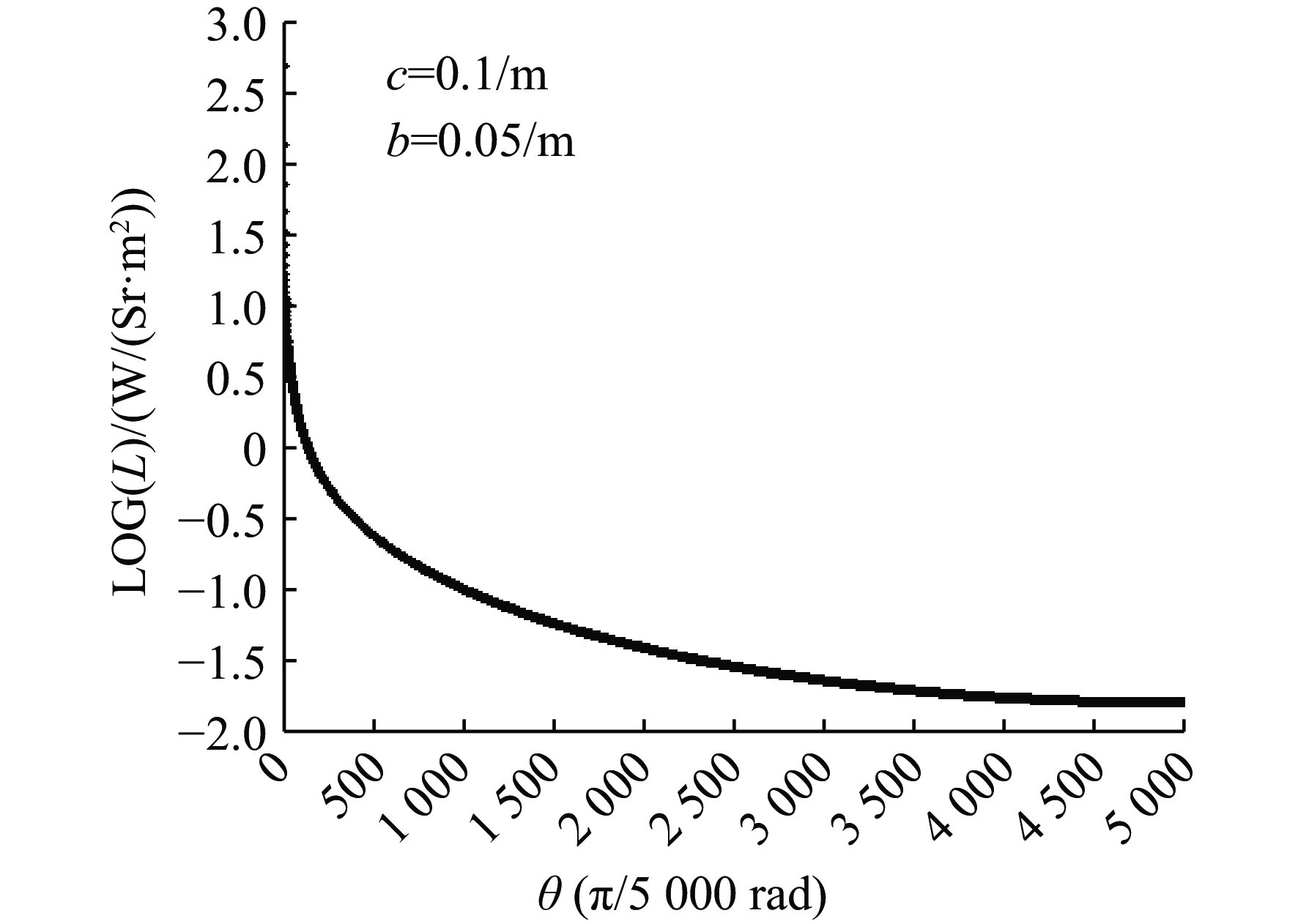
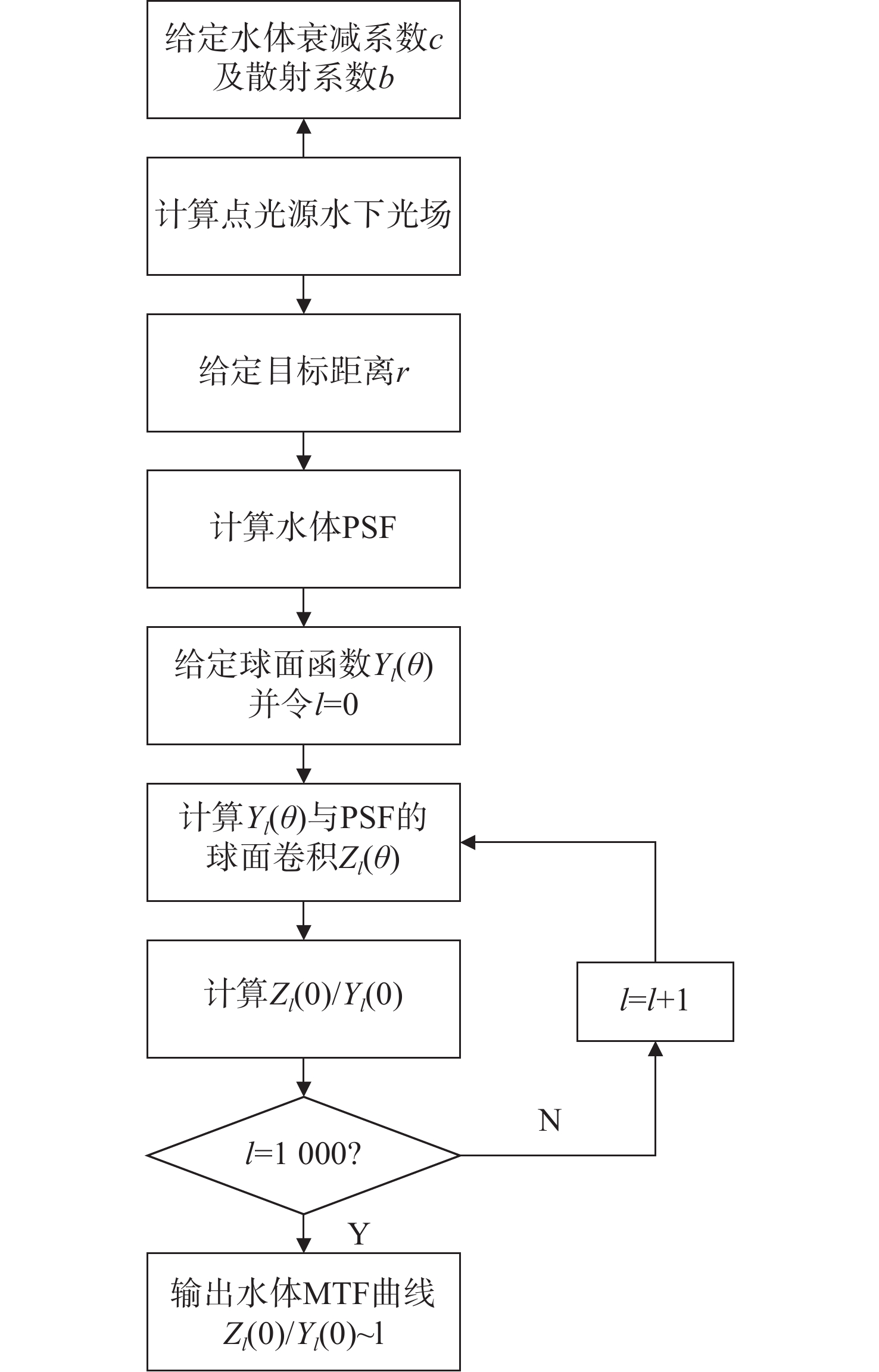
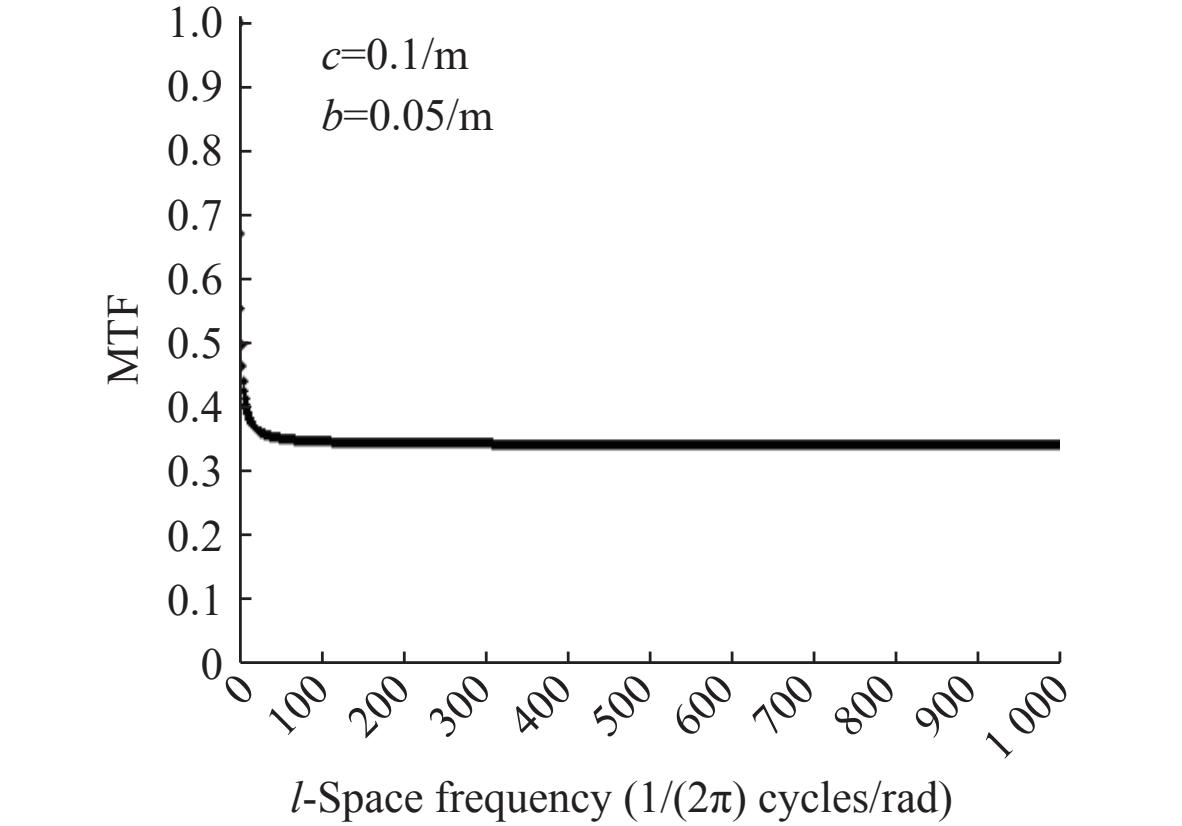
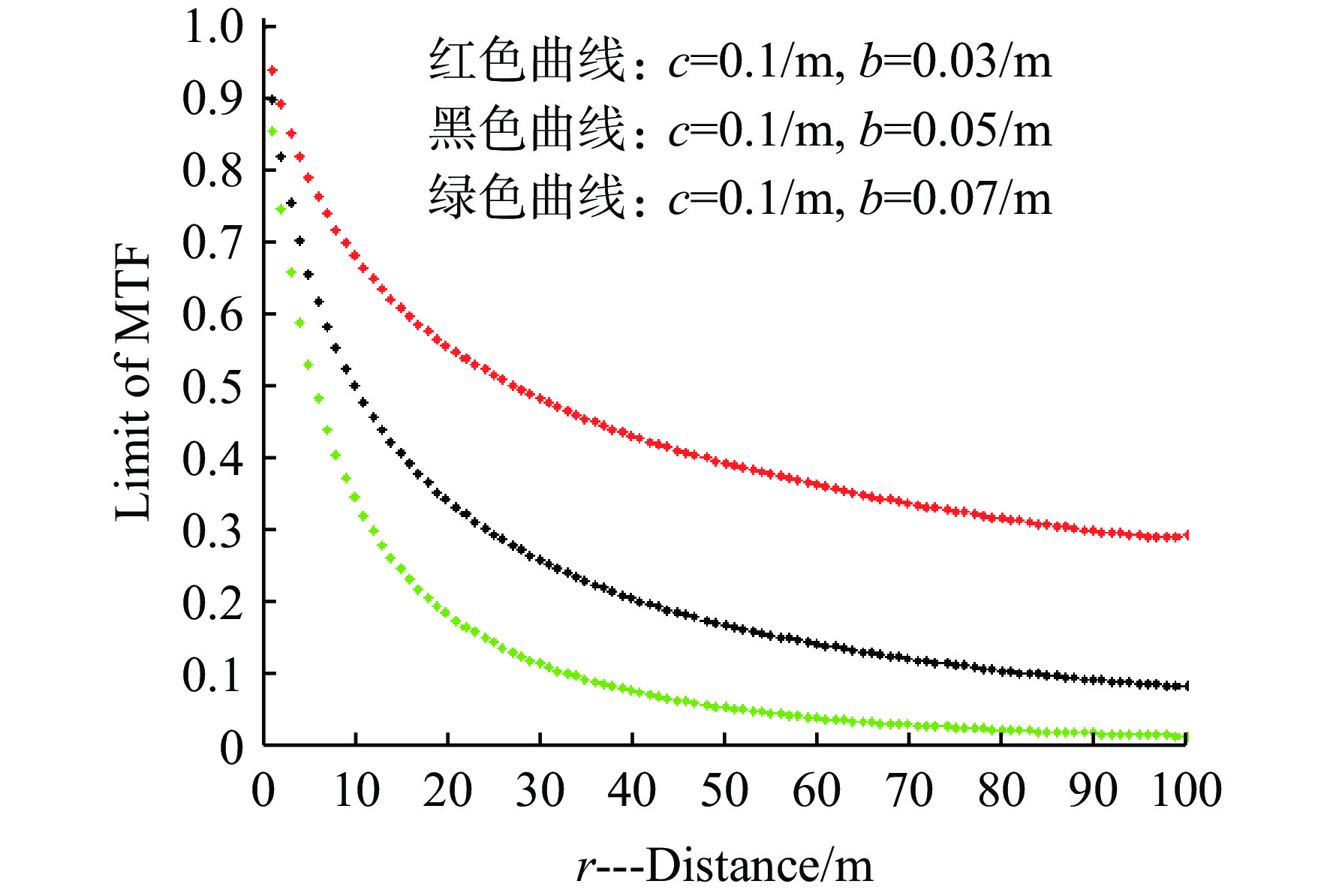
The quality of underwater imaging significantly deteriorates due to underwater light field which caused by multiple scattering of water. In order to quantitatively analyze the quality degradation of underwater image, it is necessary to study the distribution of underwater light field and establish a strict underwater image transmission model. Assuming that water volumn scattering function (VSF) is spherical symmetry, underwater light field distribution formed by an ideal point light source is calculated, and then water point spread function (PSF) is obtained by brightness integral along the path. Finally, water modulation transfer function (MTF) in the spherical space is derived by means of mathematical tools such as spherical harmonic function and spherical convolution. Under the condition that the intrinsic optical parameters of water are known, curves of water MTF and contrast limit factor are presented. The algorithm model solves the derivation of water MTF under the condition of spherical water VSF, laying a foundation for the derivation of water MTF under the condition of non-spherical water VSF and dynamic light field.
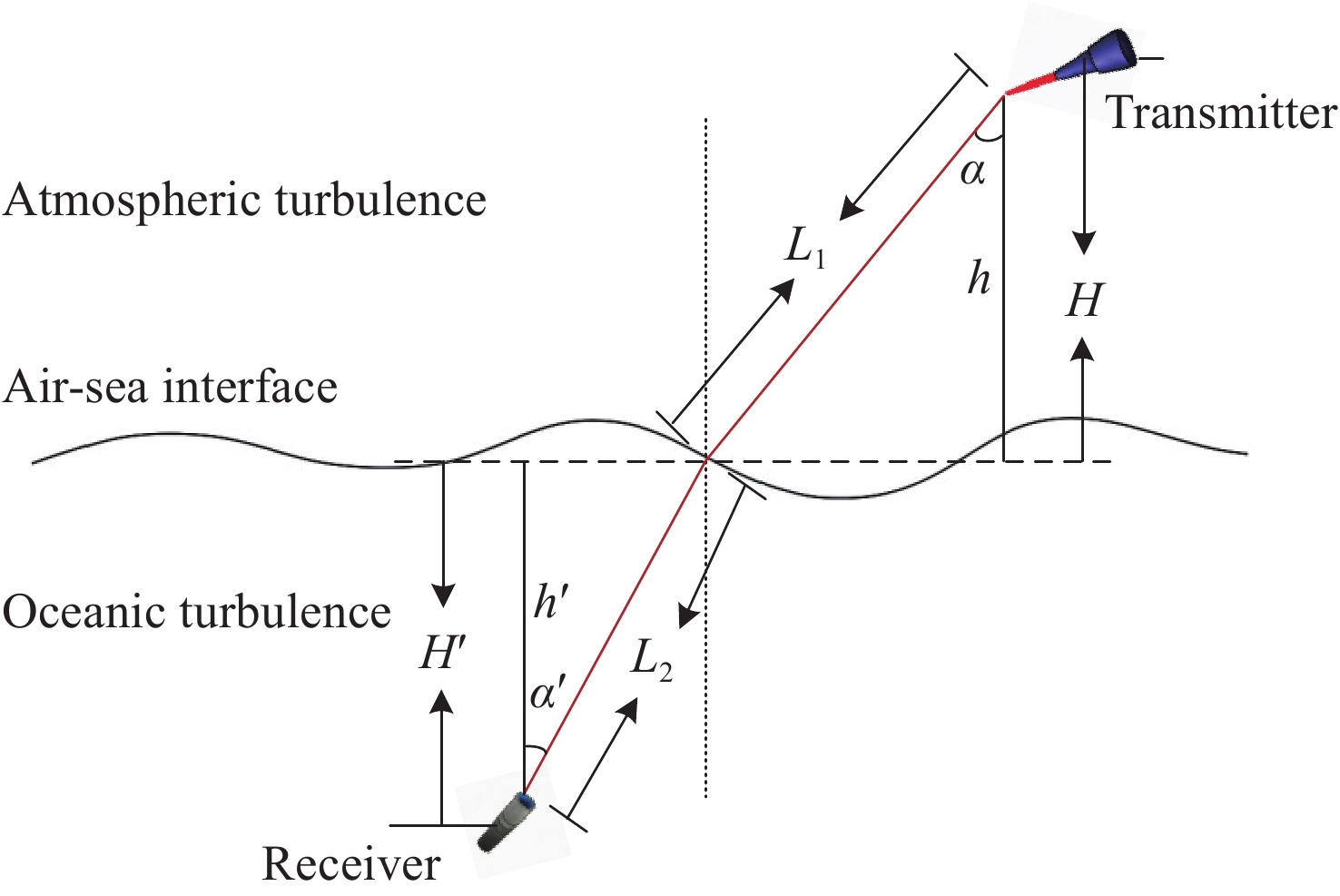
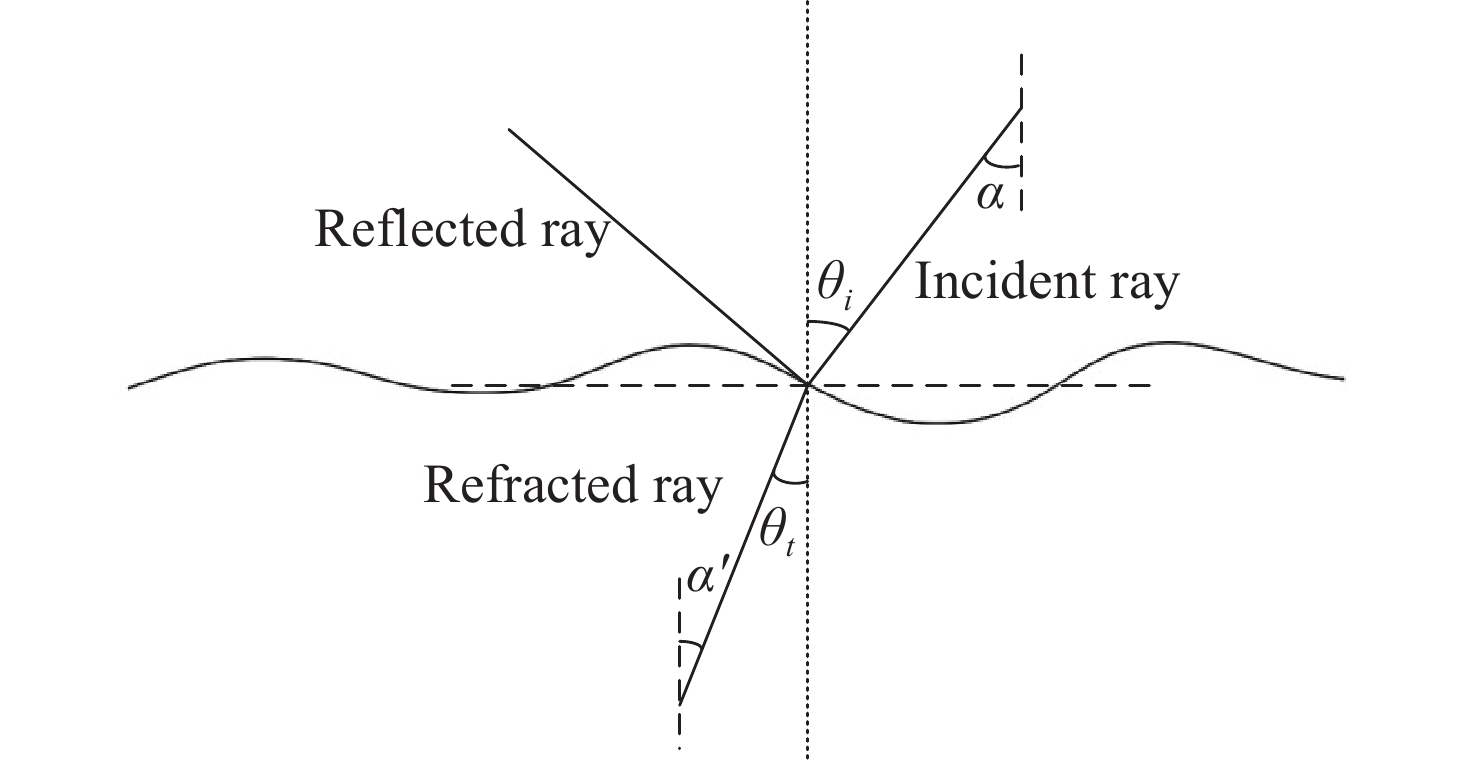
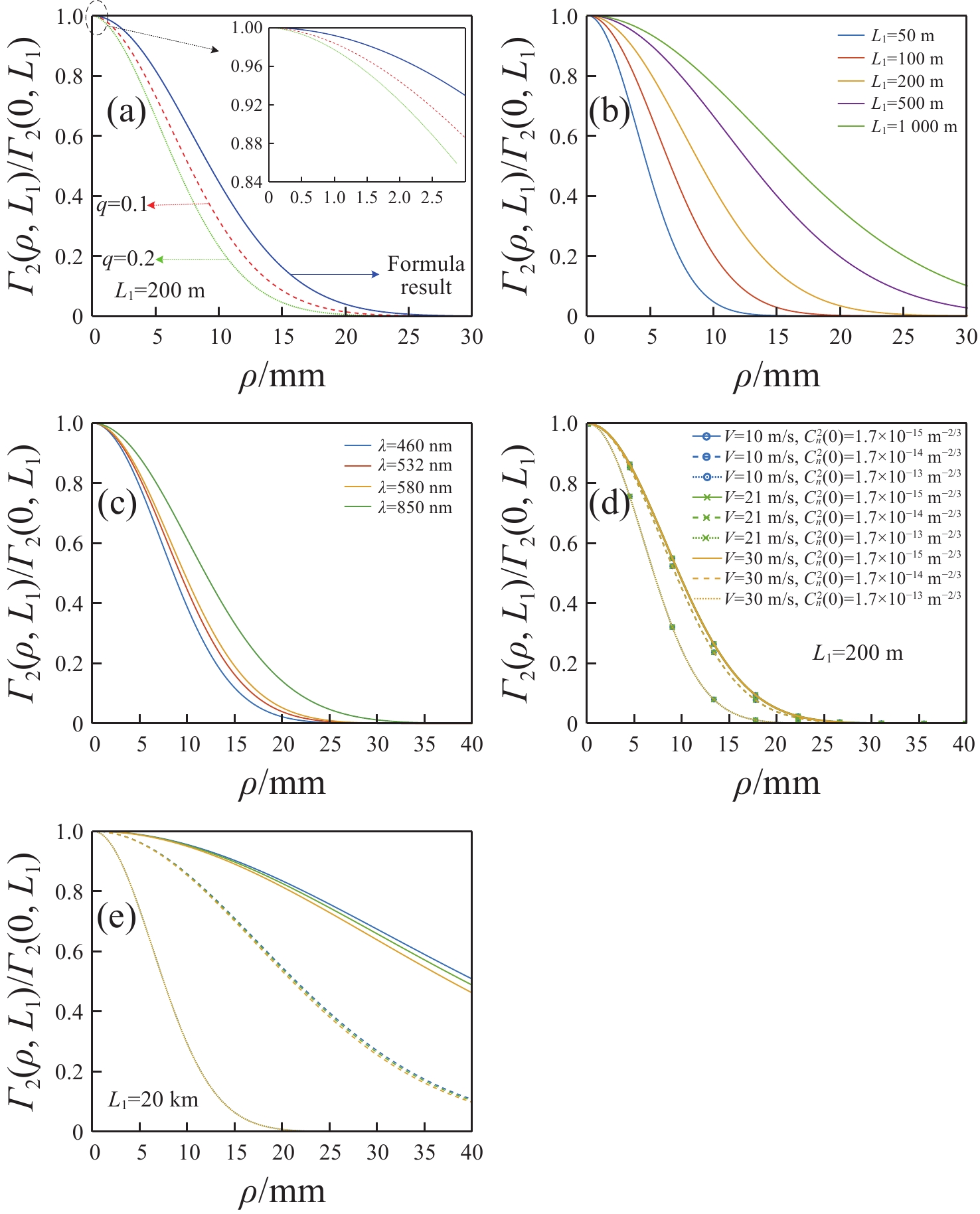
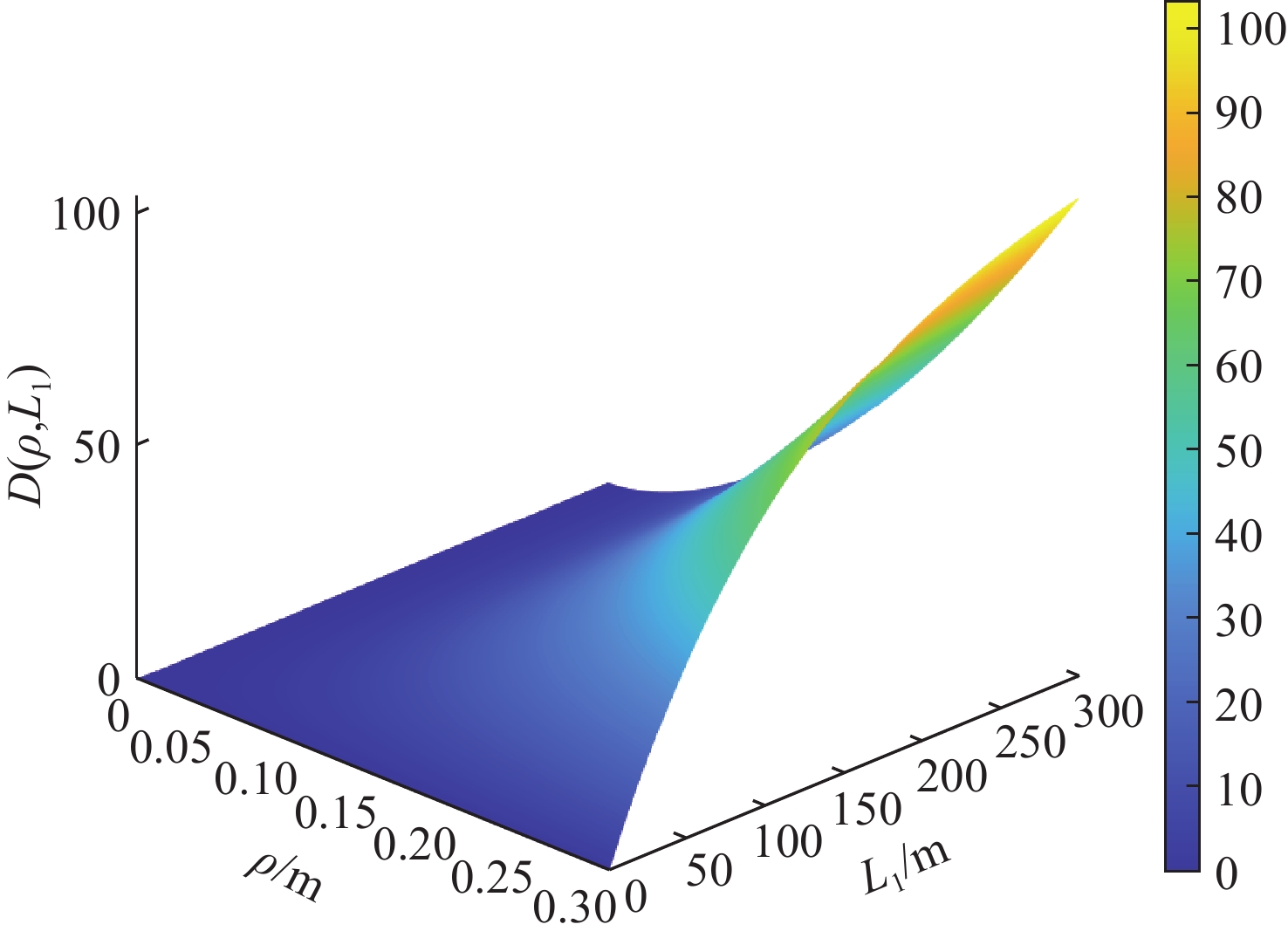
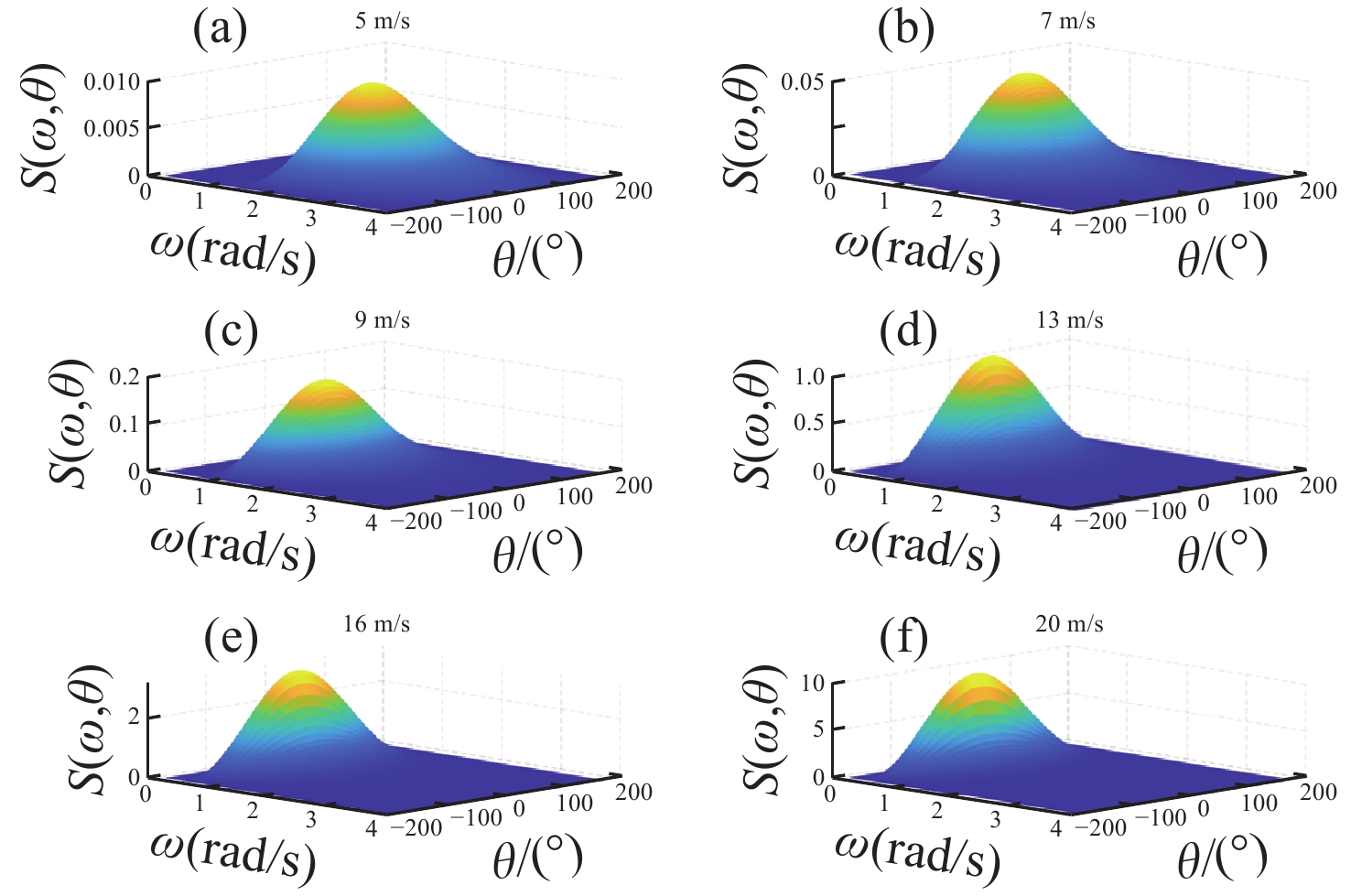
During downward laser transmission across the air–sea domain, beam propagation is influenced by a range of complex, multi-source and multi-scale perturbations, including atmospheric turbulence, fluctuations at the air-sea interface, and oceanic turbulence. This study investigates the evolution of beam spatial coherence and introduces an analytical approach based on a composite perturbation model. The composite model integrates Kolmogorov turbulence theory, the Pierson–Moskowitz (P–M) sea-surface wave spectrum, and the slant-path oceanic refractive-index power spectrum. By employing the Rytov approximation, analytical expressions for the mutual coherence function and wave structure function are derived, with particular focus on the wave structure function of a Gaussian beam propagating through slant-path oceanic turbulence. Each component of the model has been individually validated. Experimental results demonstrate that variations in turbulence intensity, propagation distance, and environmental parameters significantly affect beam spatial coherence, thereby exerting a substantial impact on the performance of cross-domain optical communication systems. Compared to single-turbulence approximation models, the proposed composite perturbation model effectively reduces the spatial coherence bias by approximately 20%-30%, revealing the influence mechanisms of multi-source perturbations on coherence evolution. This model provides an effective theoretical foundation for the performance evaluation and optimization of air-sea optical communication links and enhances the stability and reliability of optical communication systems under realistic conditions.
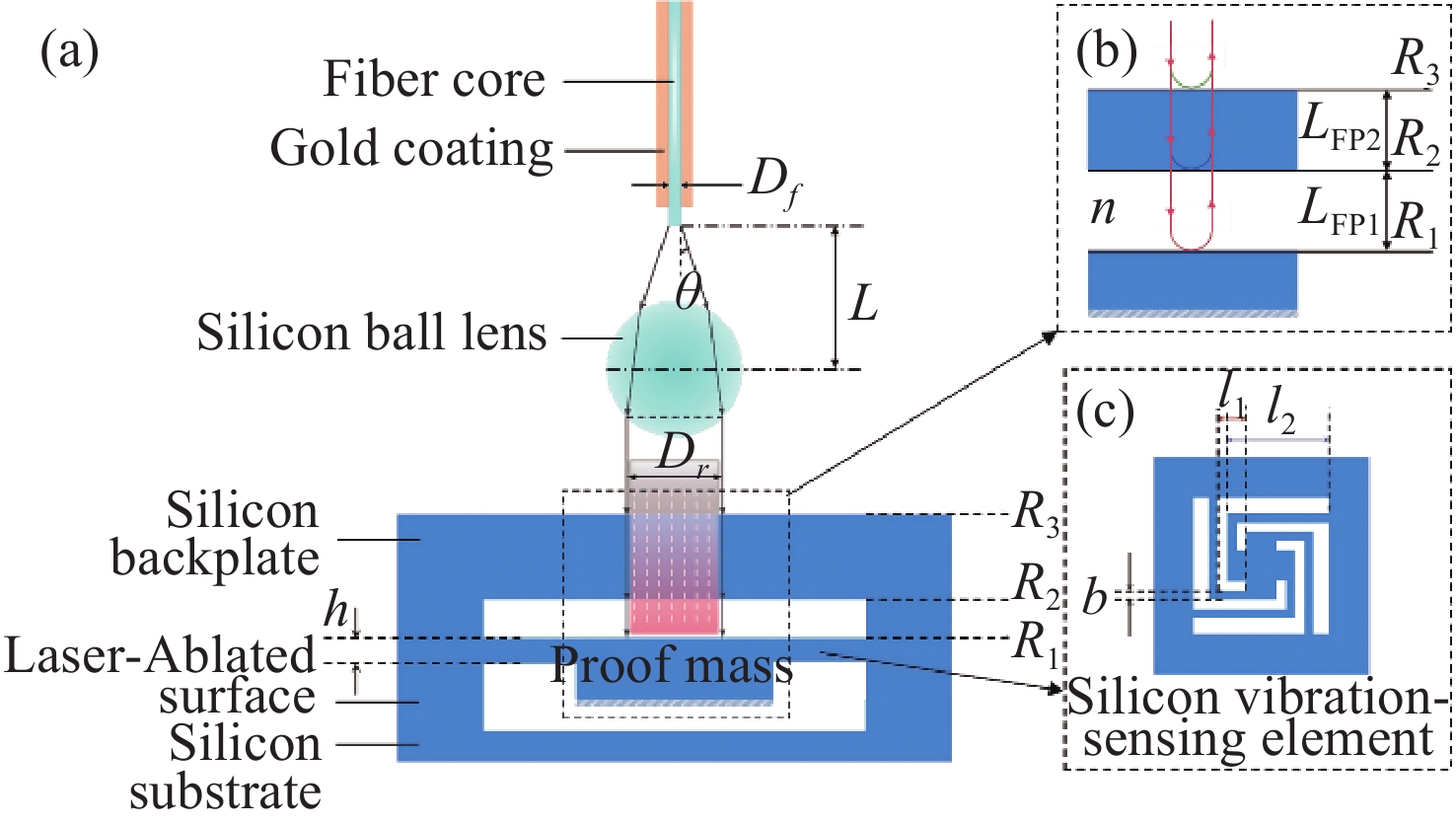
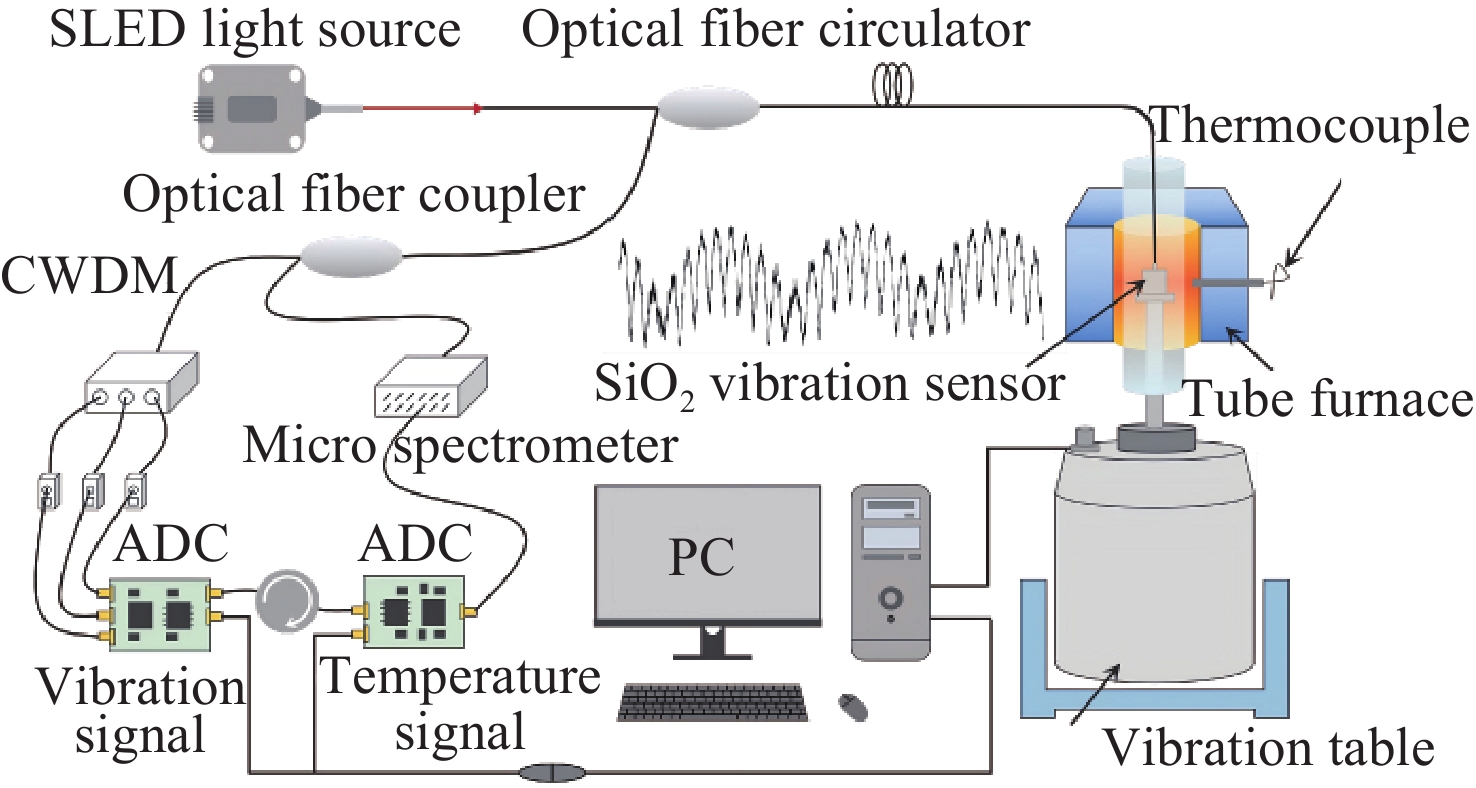
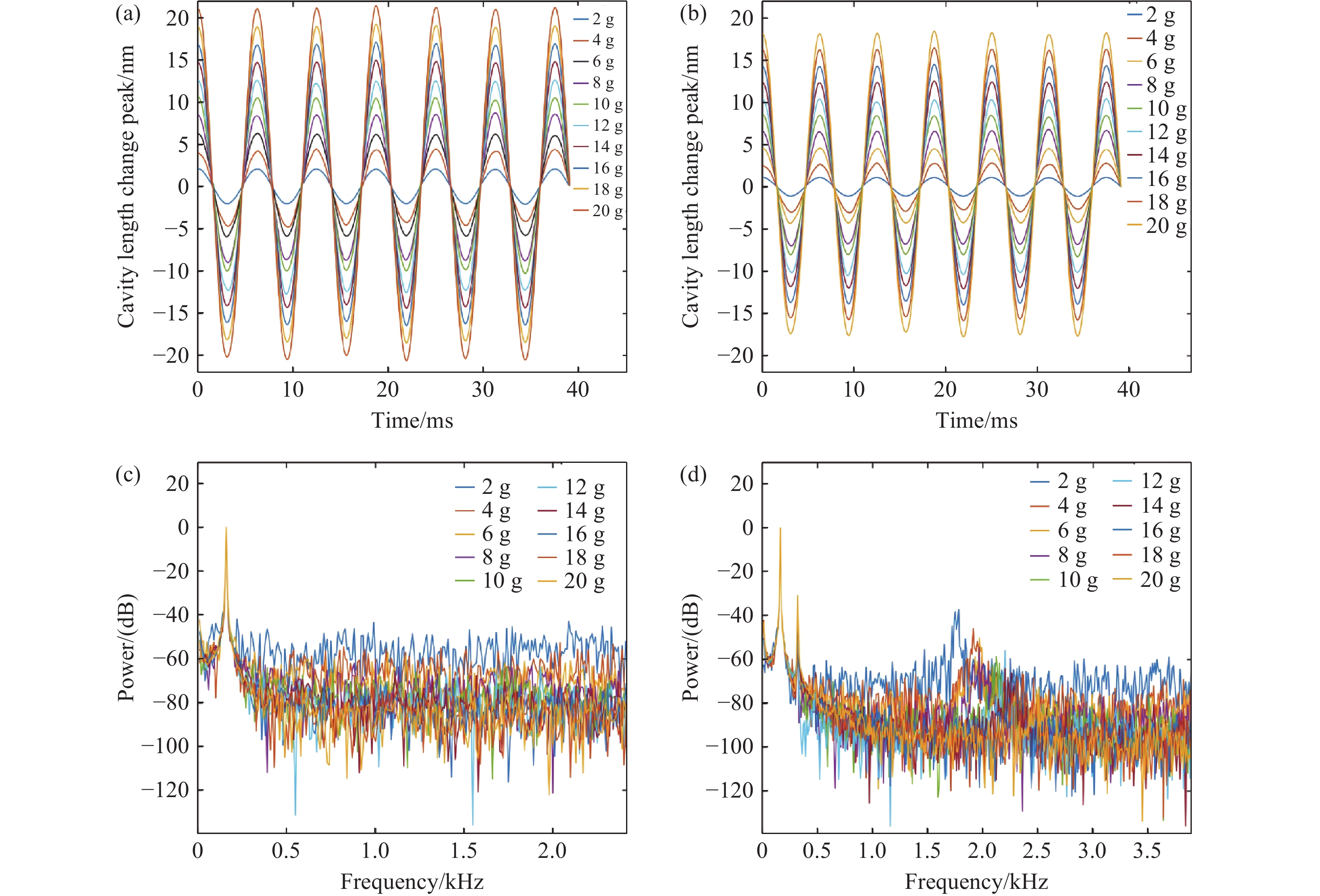
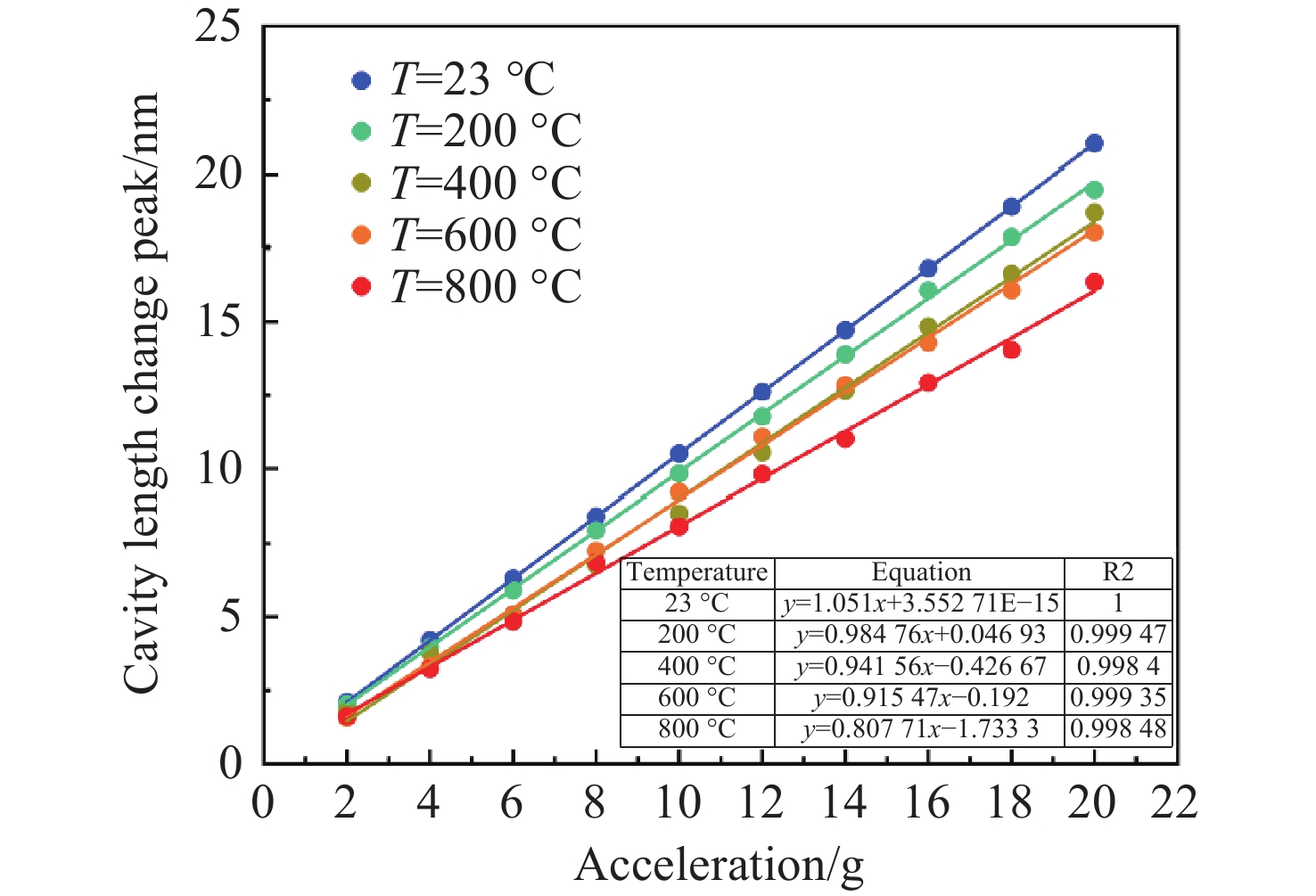
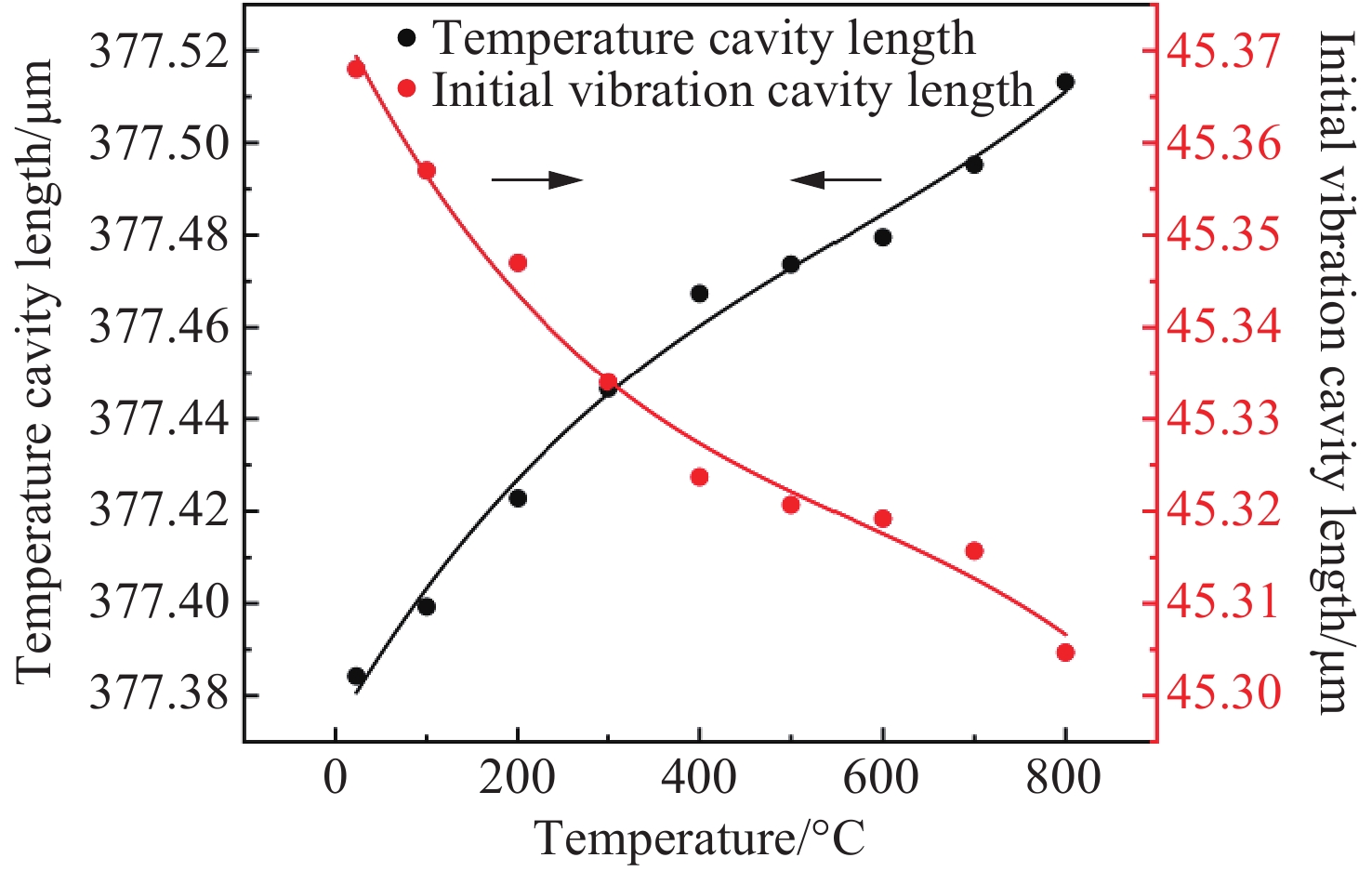
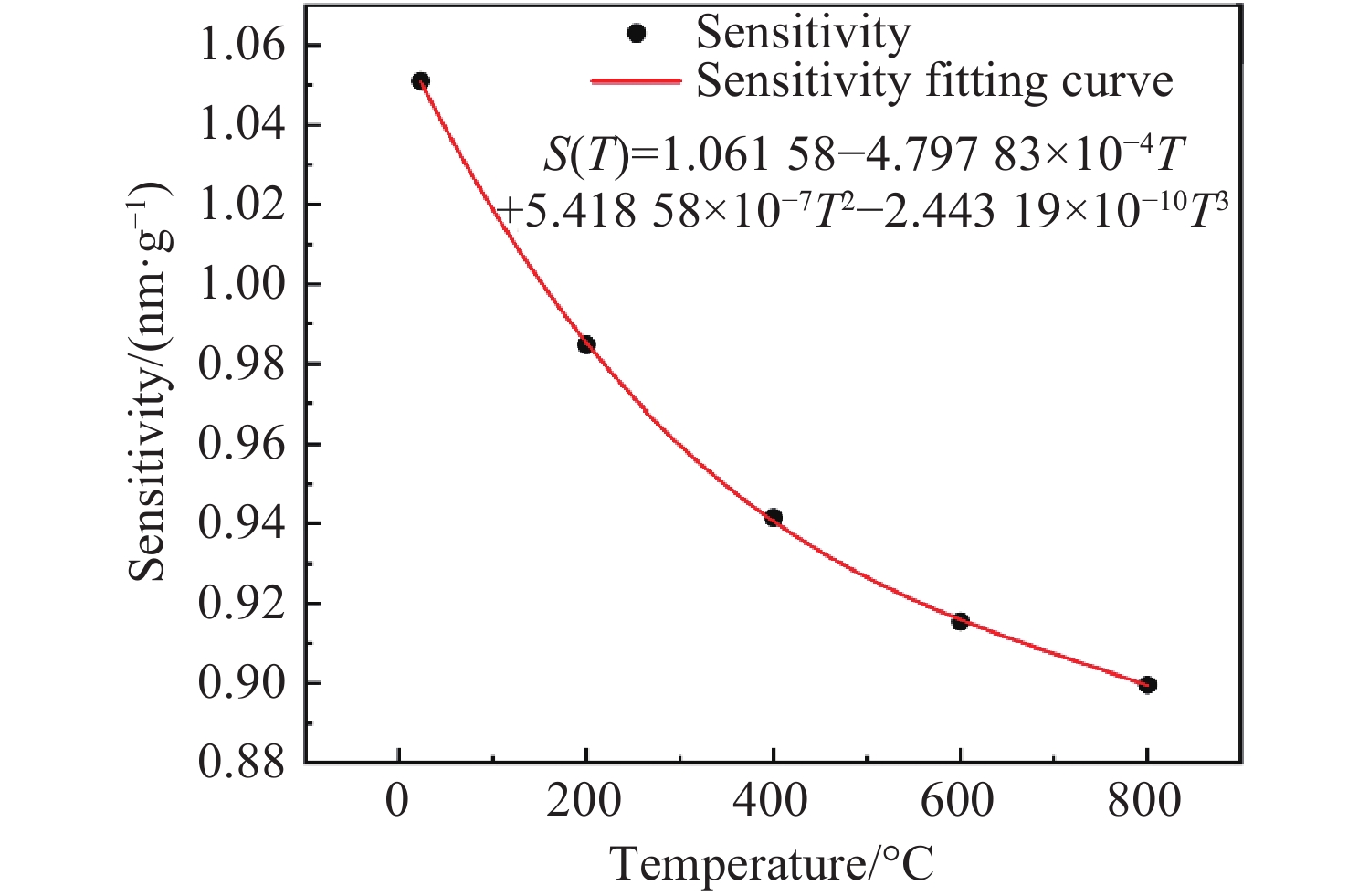
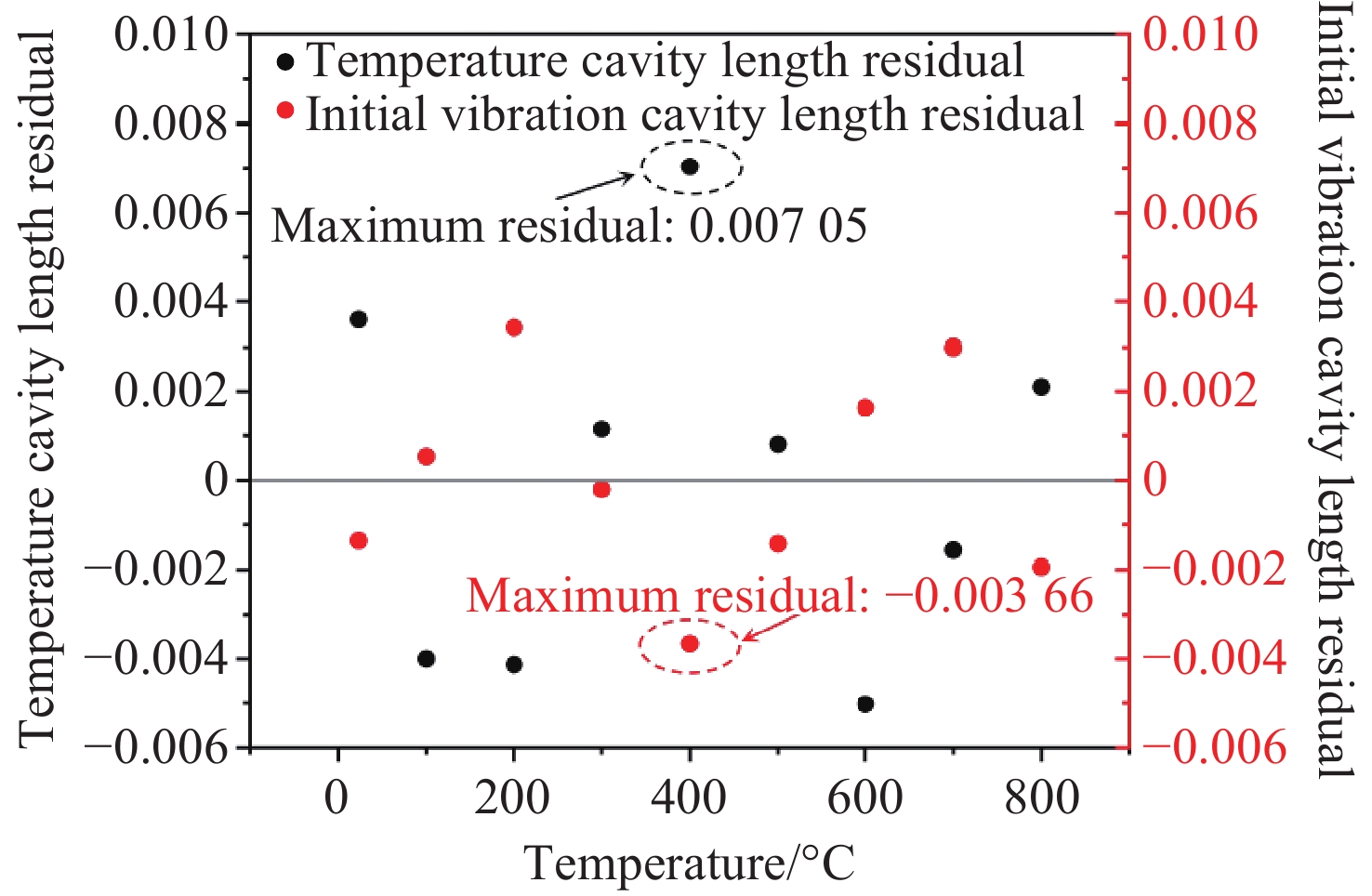
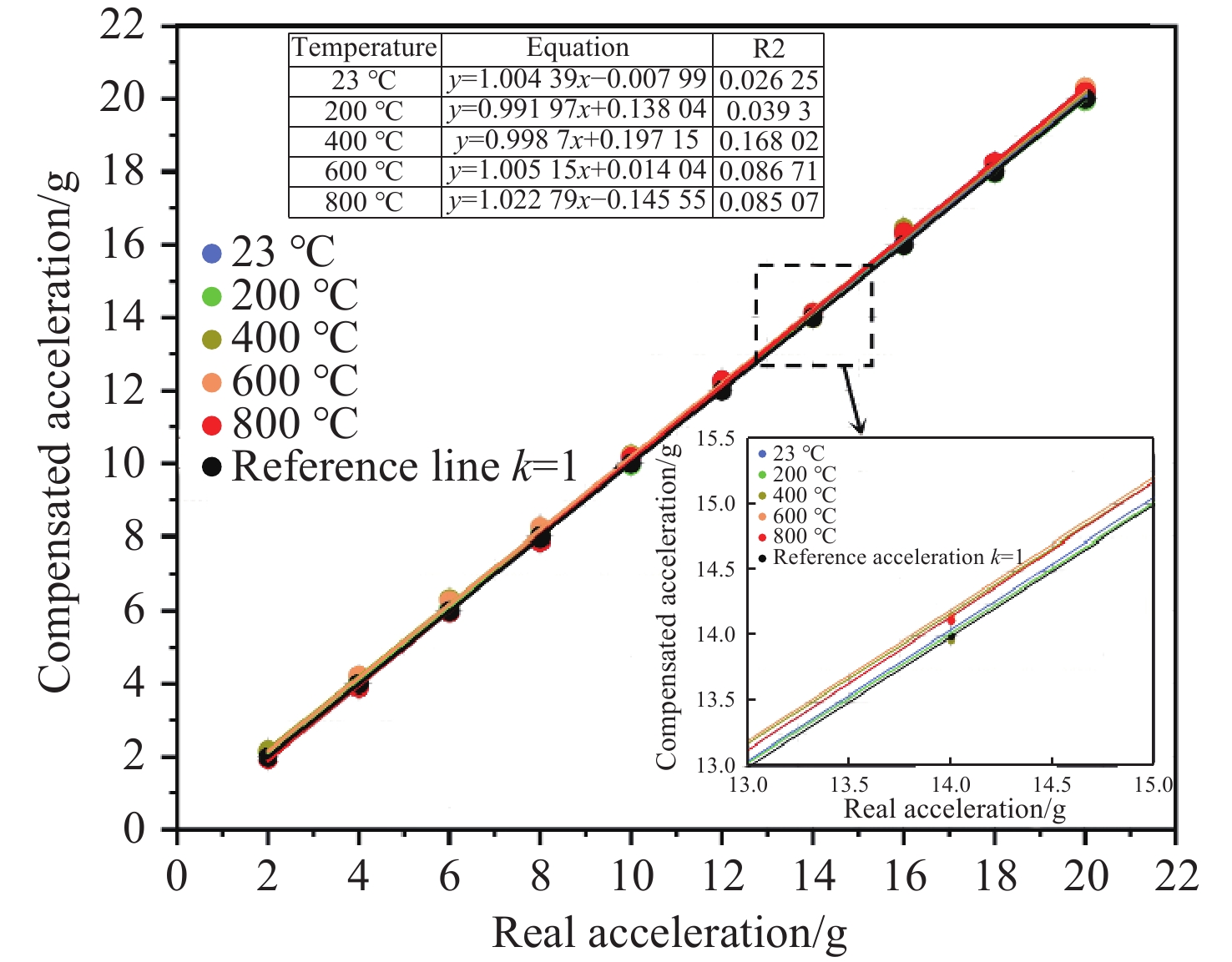
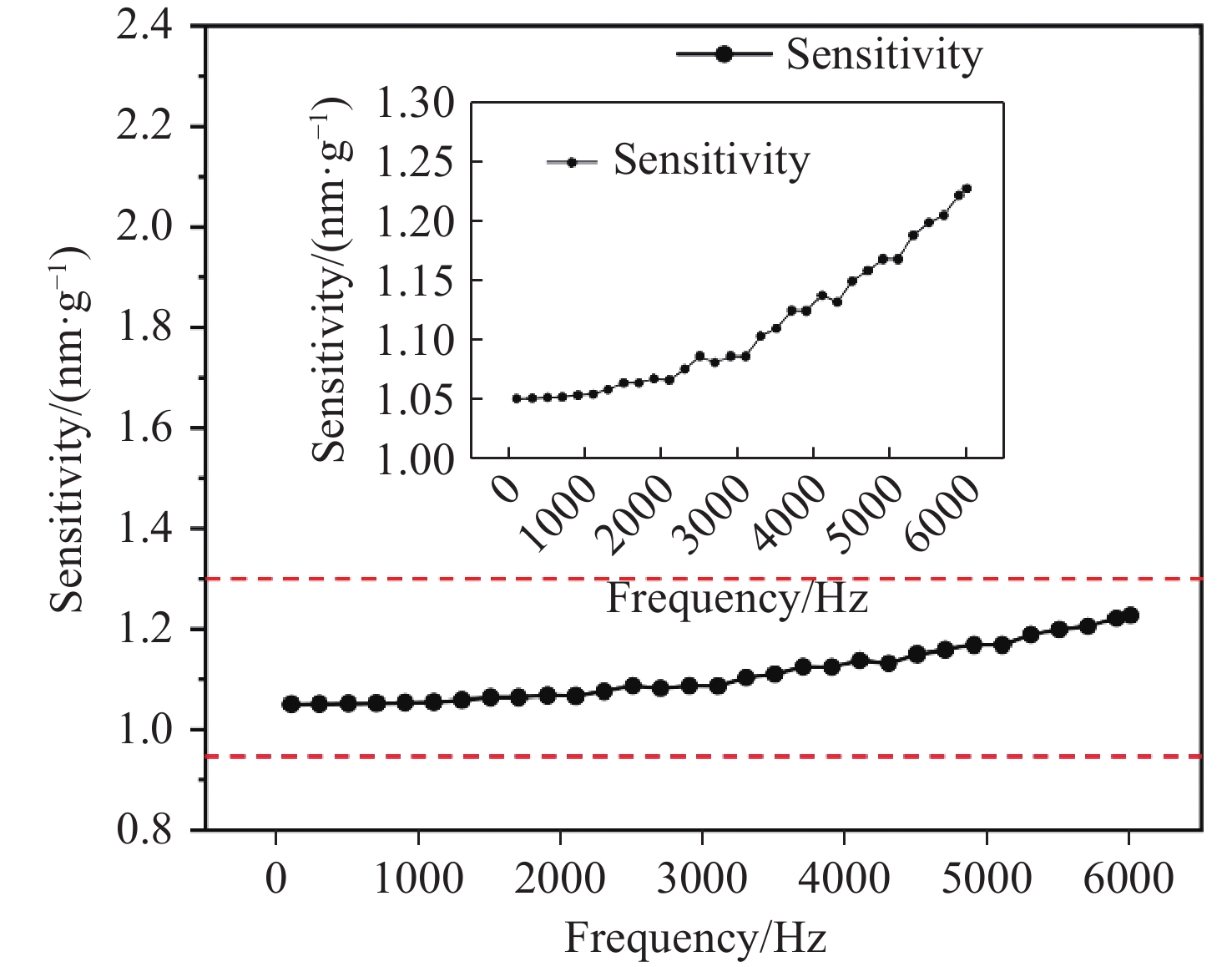
An all-silica fiber-optic Fabry-Perot (F-P) high-temperature vibration sensor is proposed to address sensor failure and signal distortion in extreme environments. A collimated coupling structure based on a silica ball lens enables integrated, non-contact signal transmission between the fiber and the sensitive structure. The sensitive units are batch-fabricated using MEMS and thermal pressure bonding technologies. By combining three-wavelength dynamic demodulation with spectral cross-correlation, the extraction of vibration signal and temperature compensation are realized, eliminating the interference of temperature fluctuations on vibration sensitily. Experimental results indicate that as the temperature increases from room temperature (23 °C) to 800 °C, the sensitivity of the sensor decreases from 1.051 nm/g to

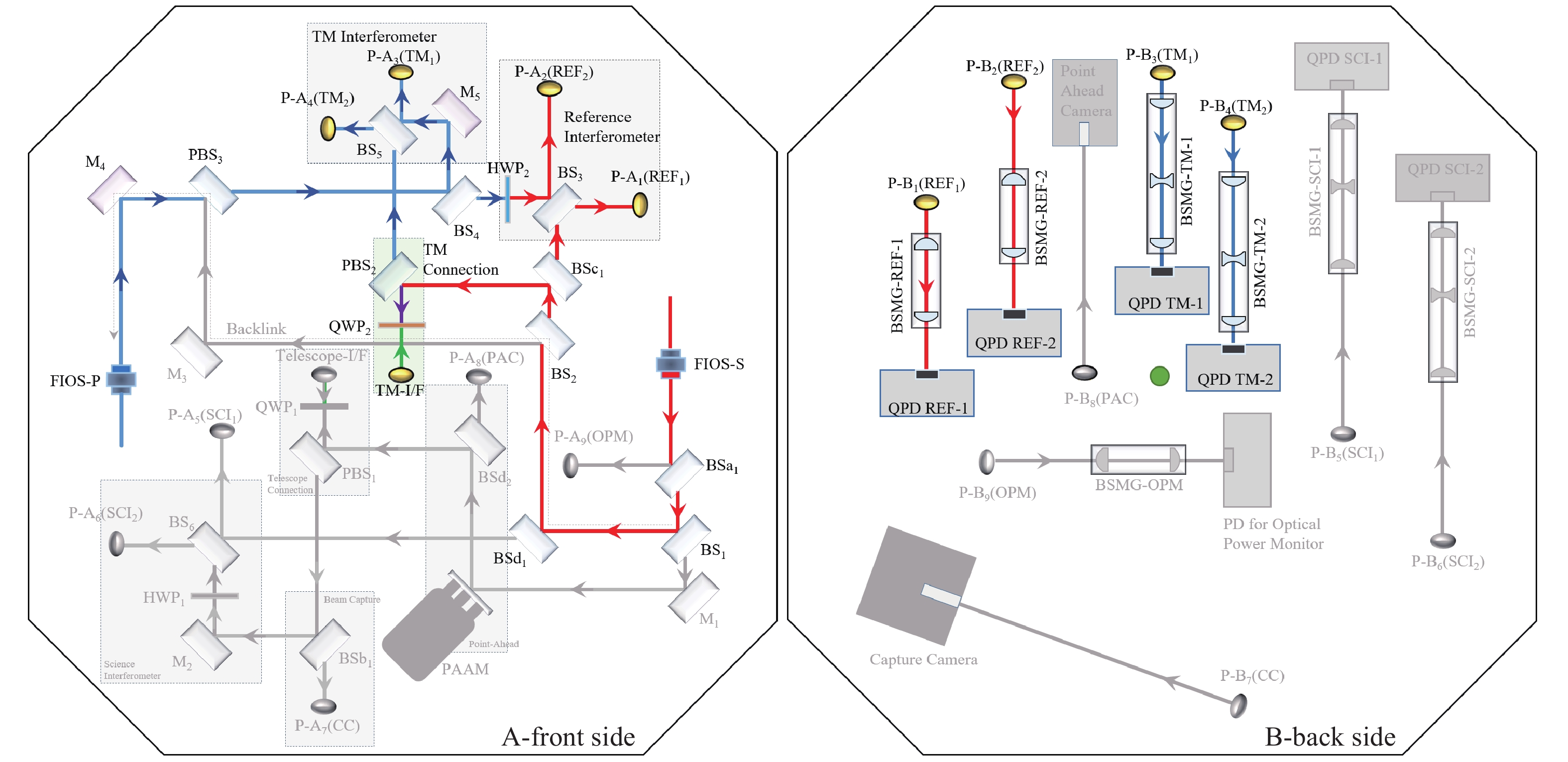
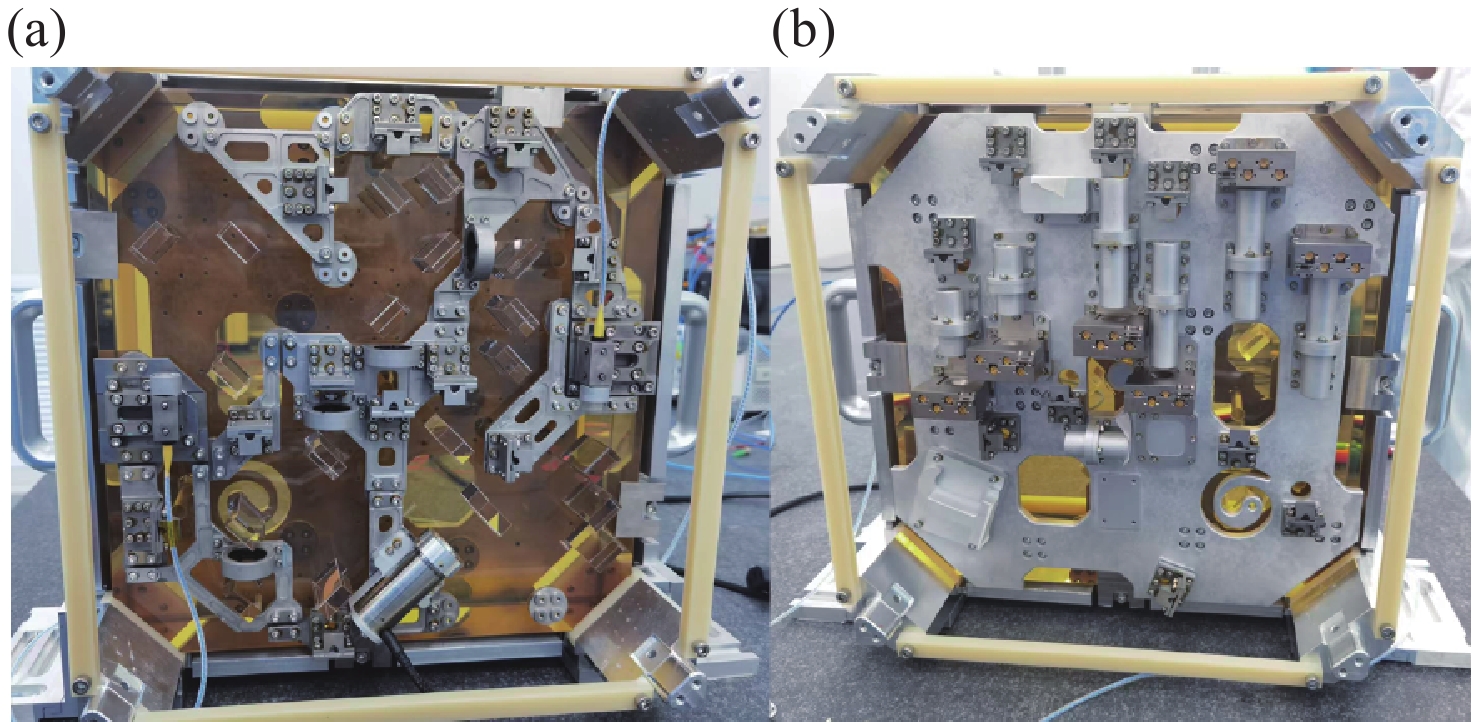
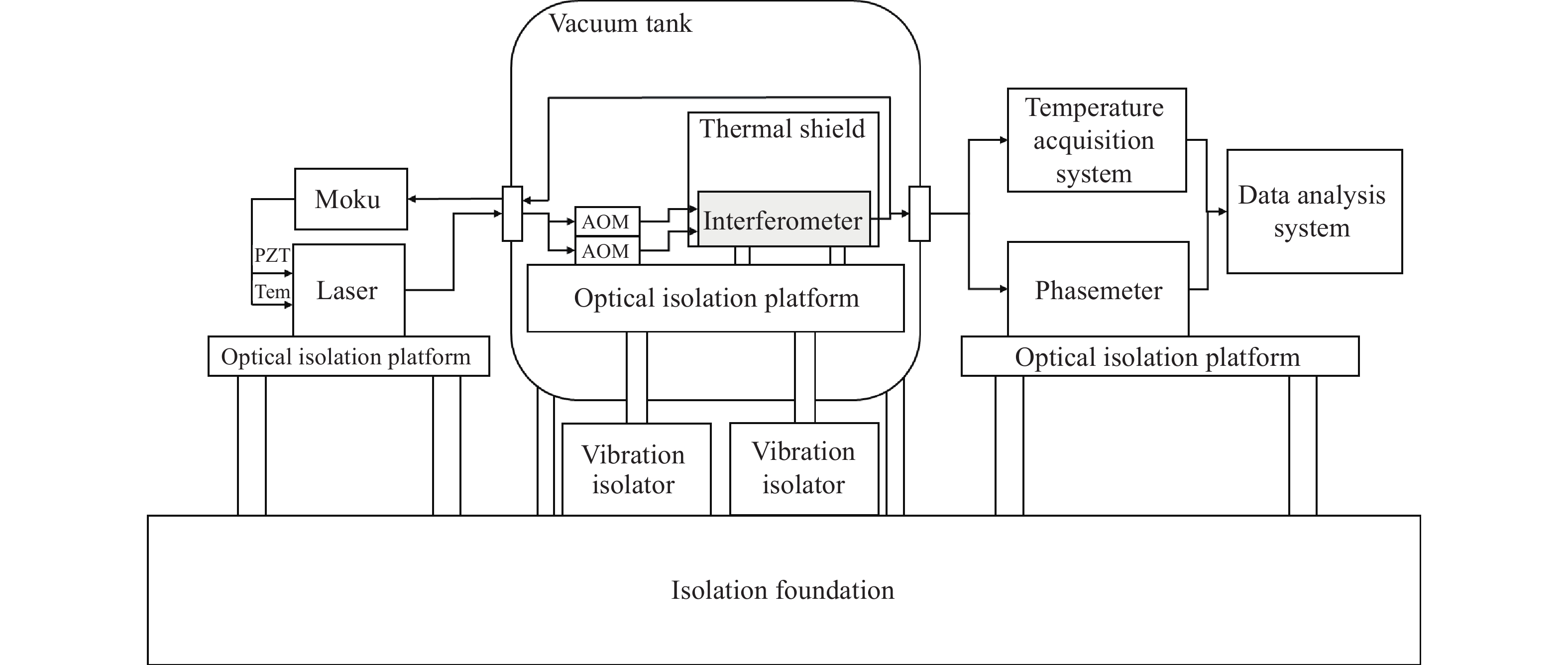
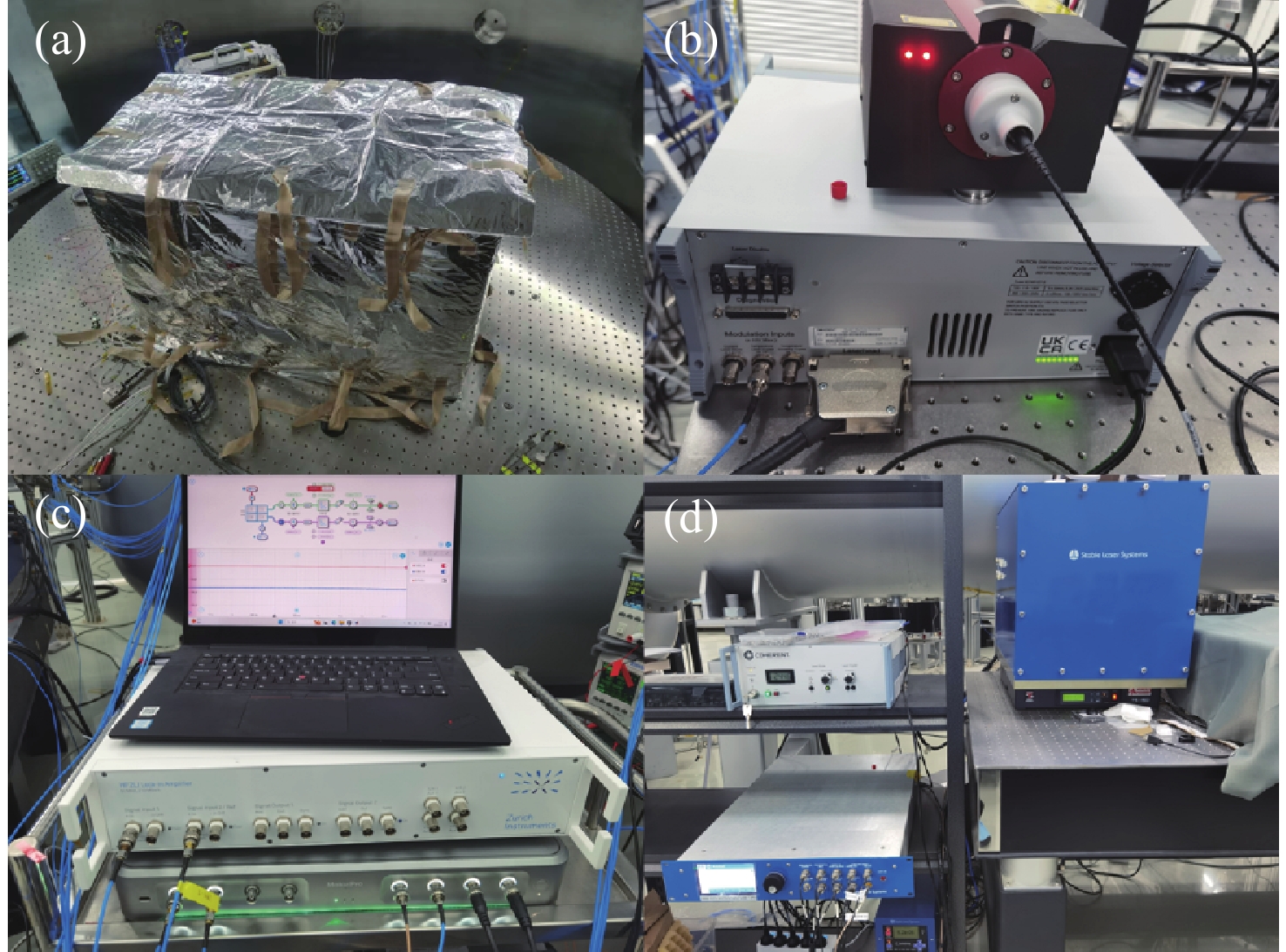
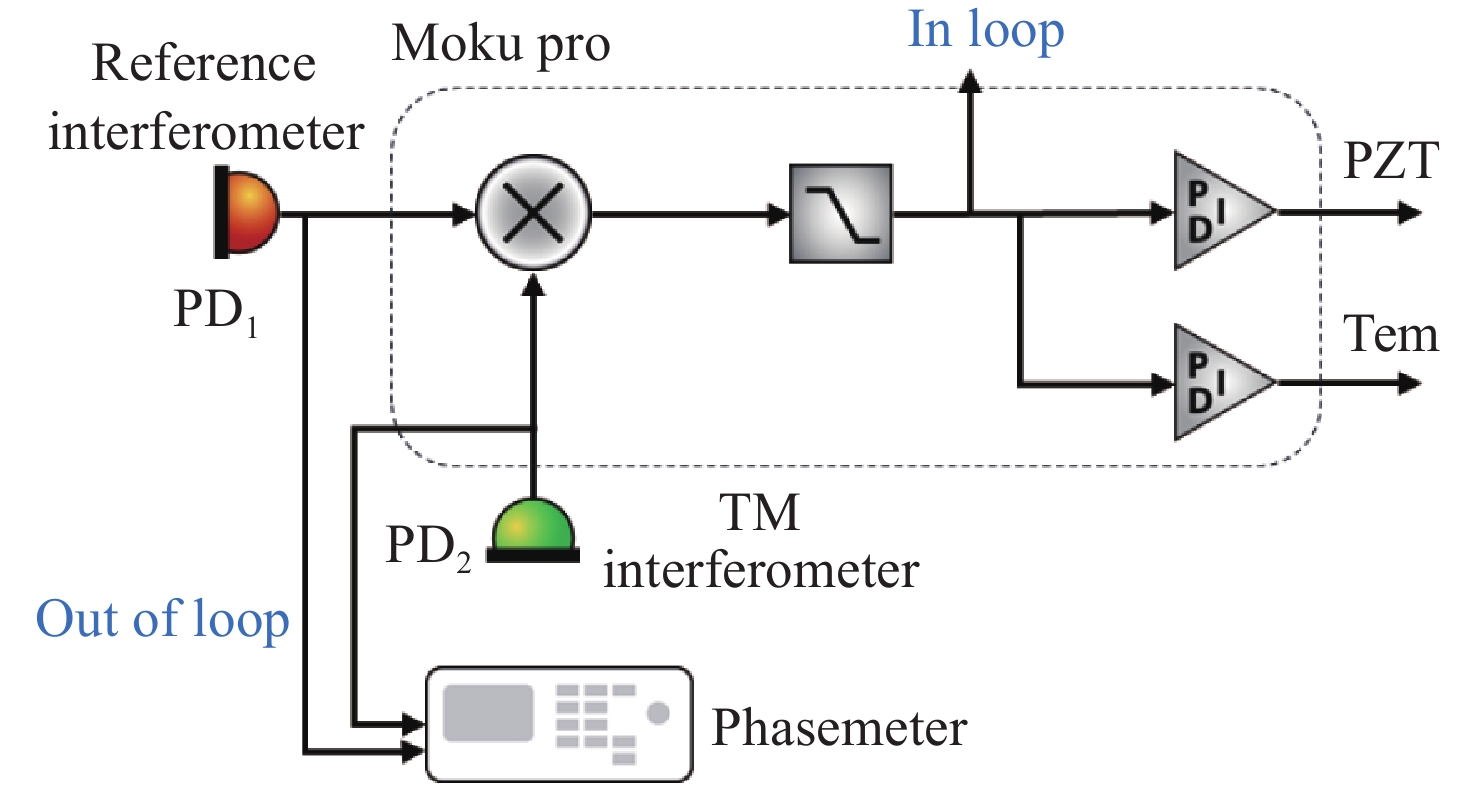
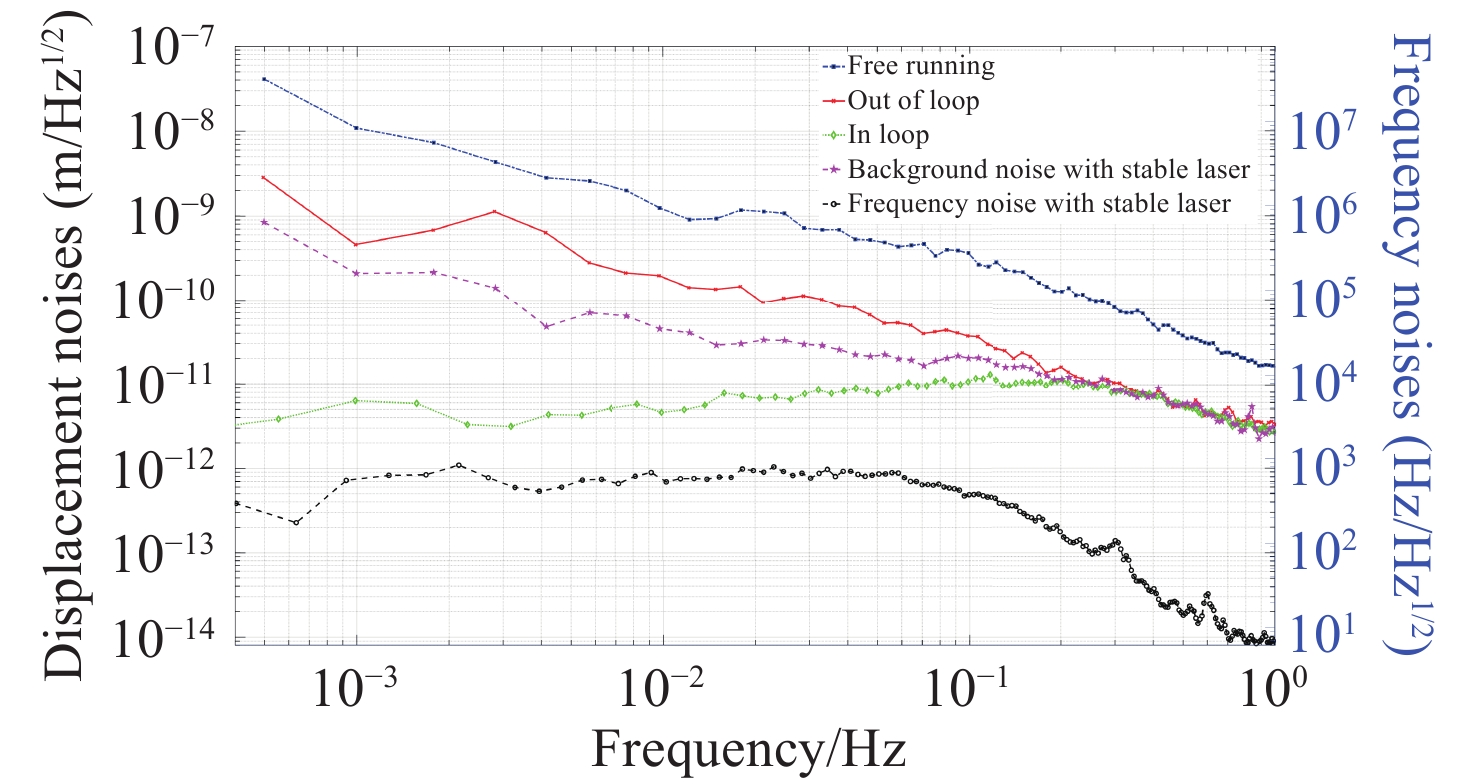
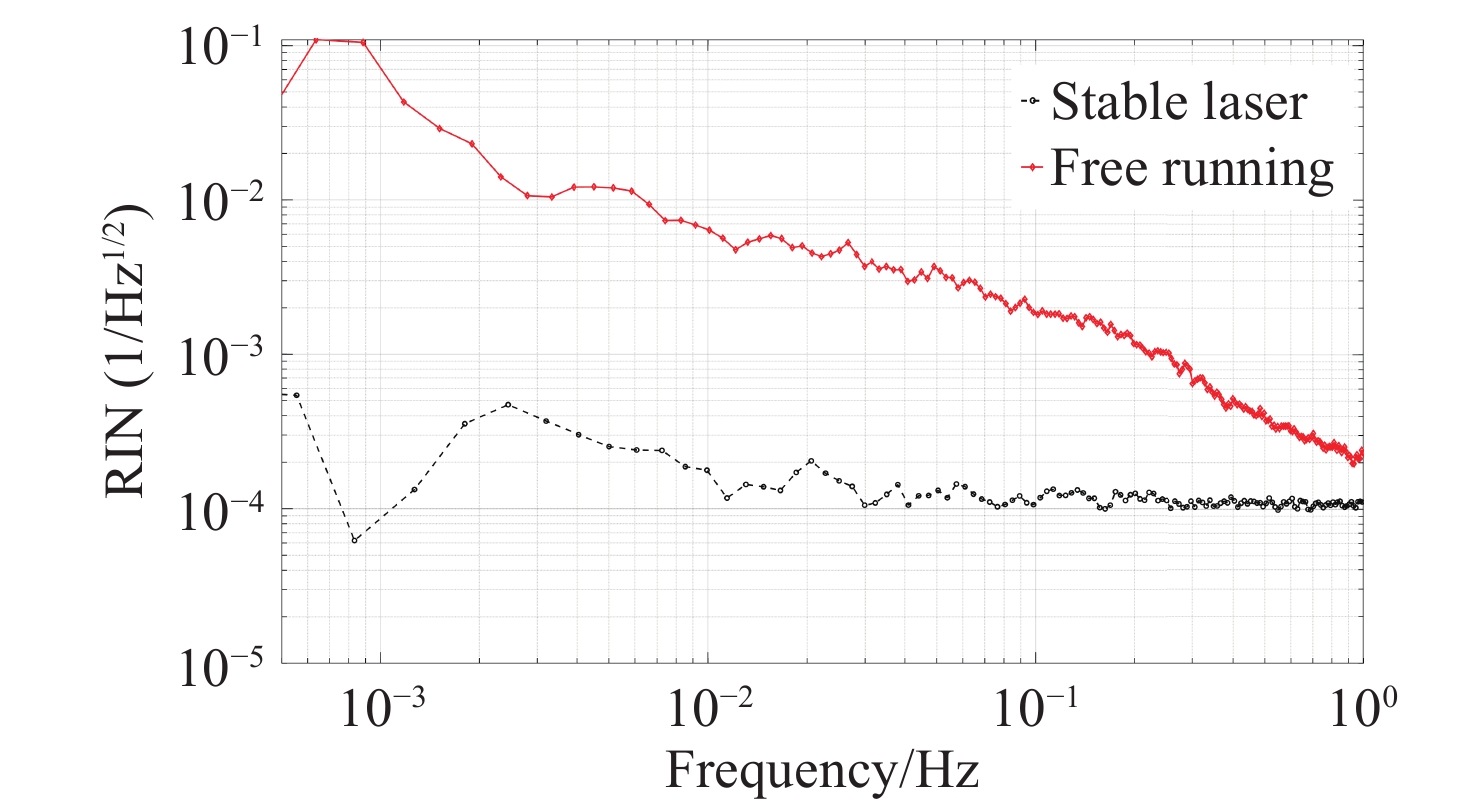
Laser frequency noise is the dominant noise source in space-based gravitational wave detection systems, which can be reduced by a multi-stage suppression approach employing PDH (Pound-Drever-Hall) cavity-locking pre-stabilization, arm-locking, and time-delay interferometry. However, with the advancement of picometer-level measurement, unequal-arm interferometric frequency stabilization using free-space laser links has emerged as a popular alternative to the PDH cavity-locking pre-stabilization scheme. This approach can effectively utilize existing space laser interferometers without requiring additional ultra-stable reference cavities. Based on the first-generation interferometric optical platform of the Taiji program, this paper verifies the feasibility and effectiveness of an unequal-arm interferometer frequency stabilization scheme using the existing interferometric optical path. Experimental results show that the free-running laser frequency noise is reduced by approximately one order of magnitude overall, reaching 3 kHz/Hz1/2 at 1 Hz. Noise analysis reveals that in the 0.2 Hz–1 Hz band, the main limiting factor is the background noise of the interferometer; in the 0.1 Hz–1 mHz band, the dominant noise source is the power noise of the free-running laser. Future work will focus on further reducing the interferometer noise to 1 pm/Hz1/2 and exploring the feasibility of replacing the PDH cavity-locking scheme with frequency stabilization using the existing interferometric optical path.
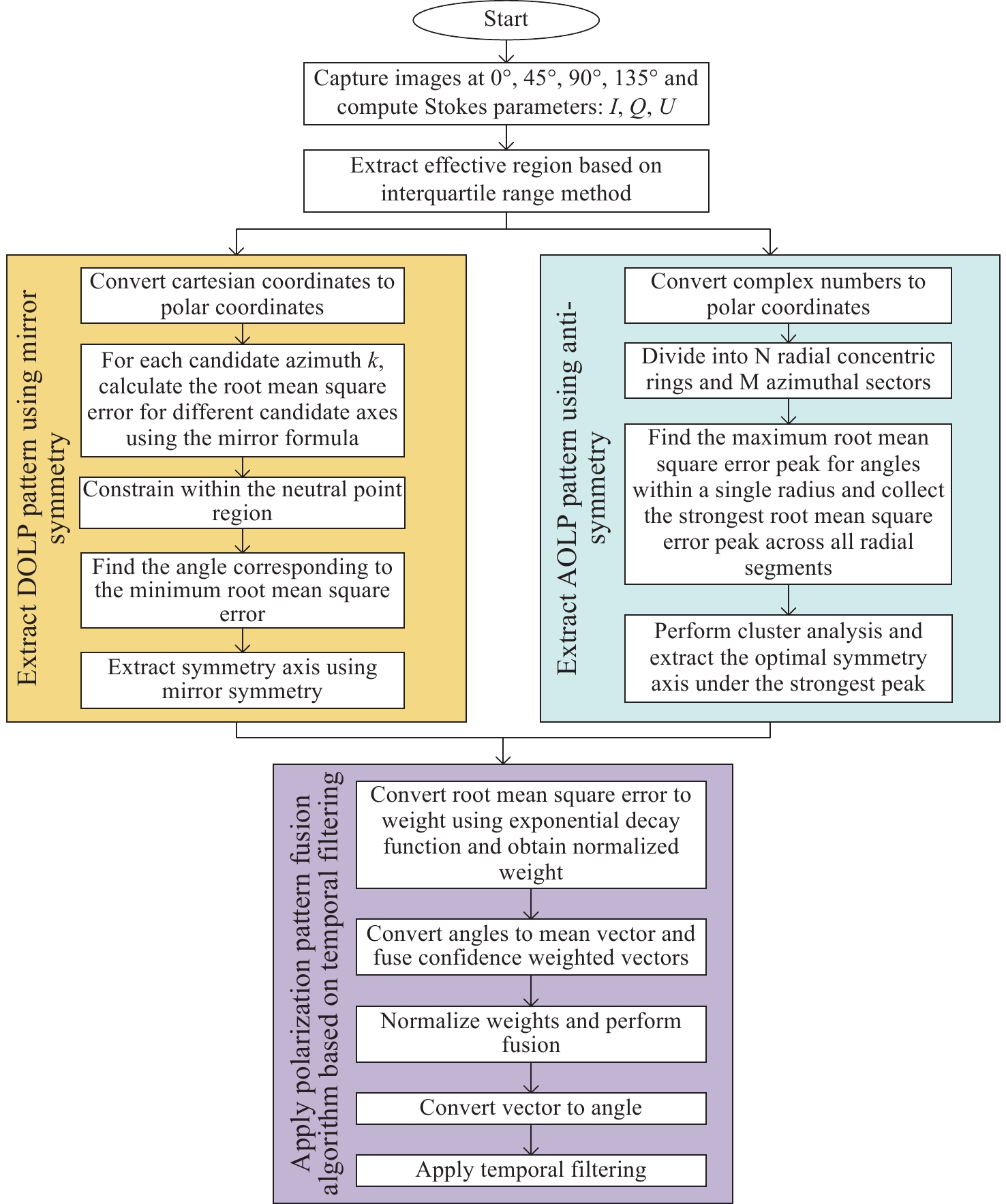
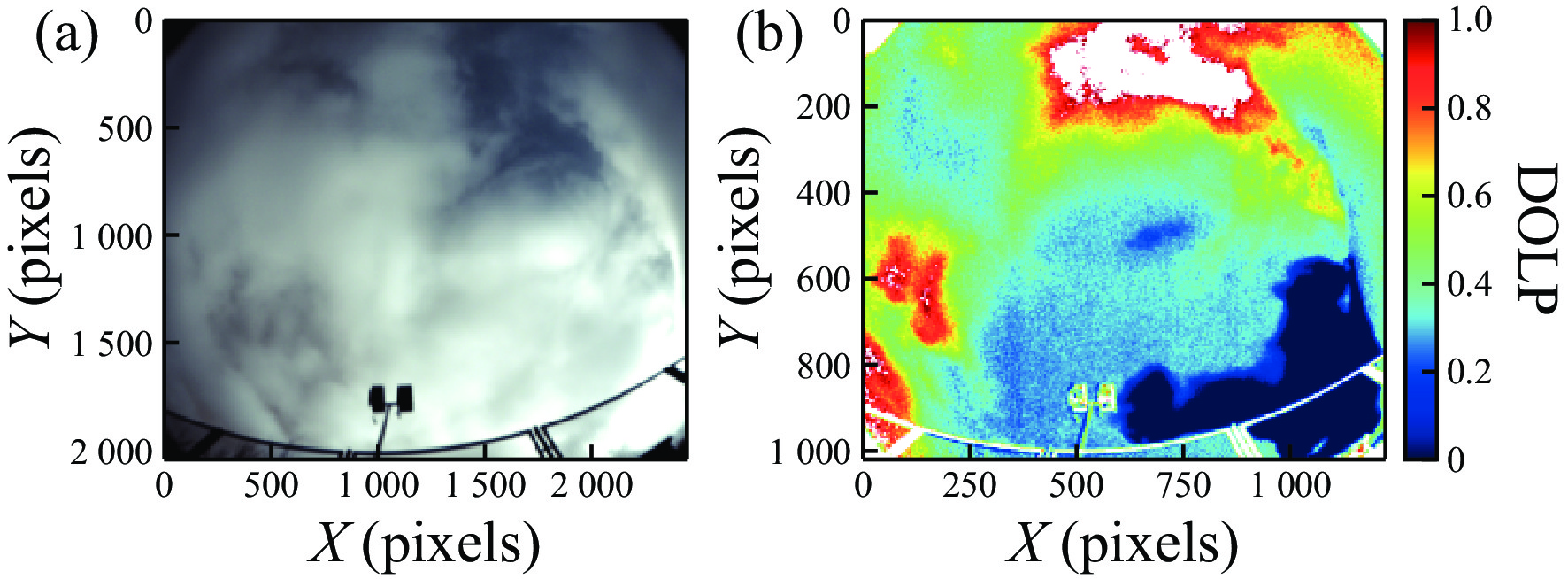
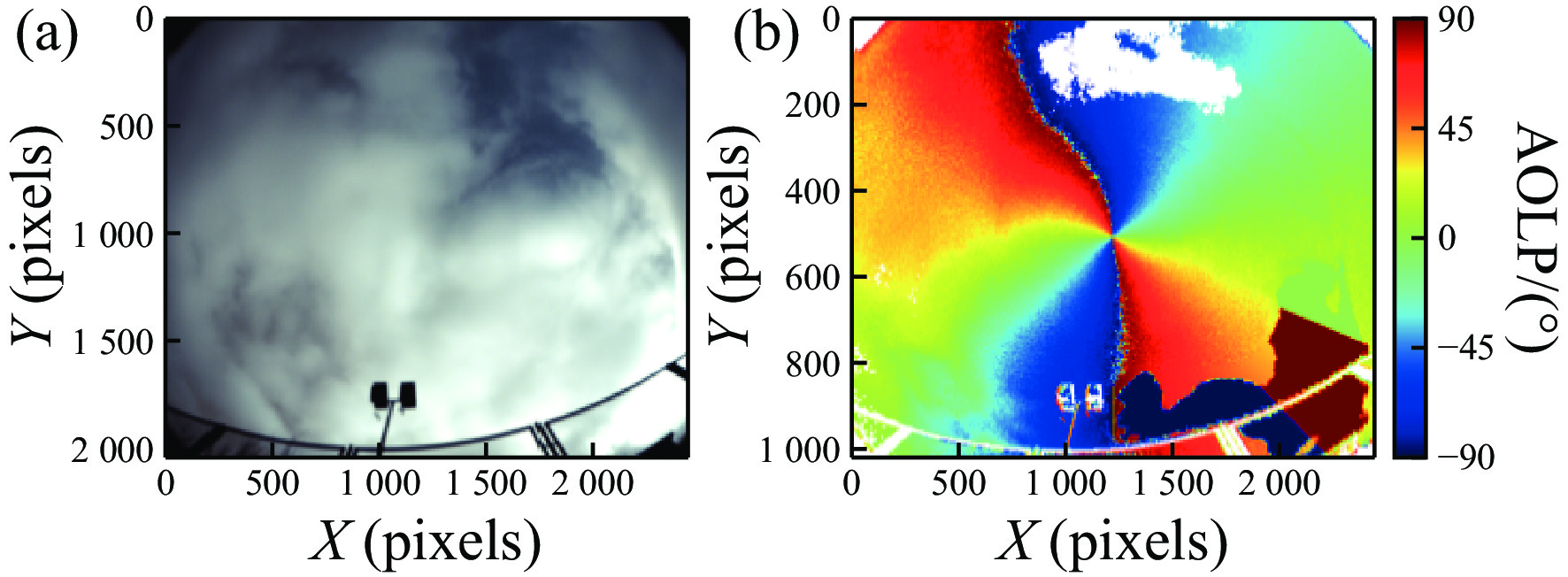
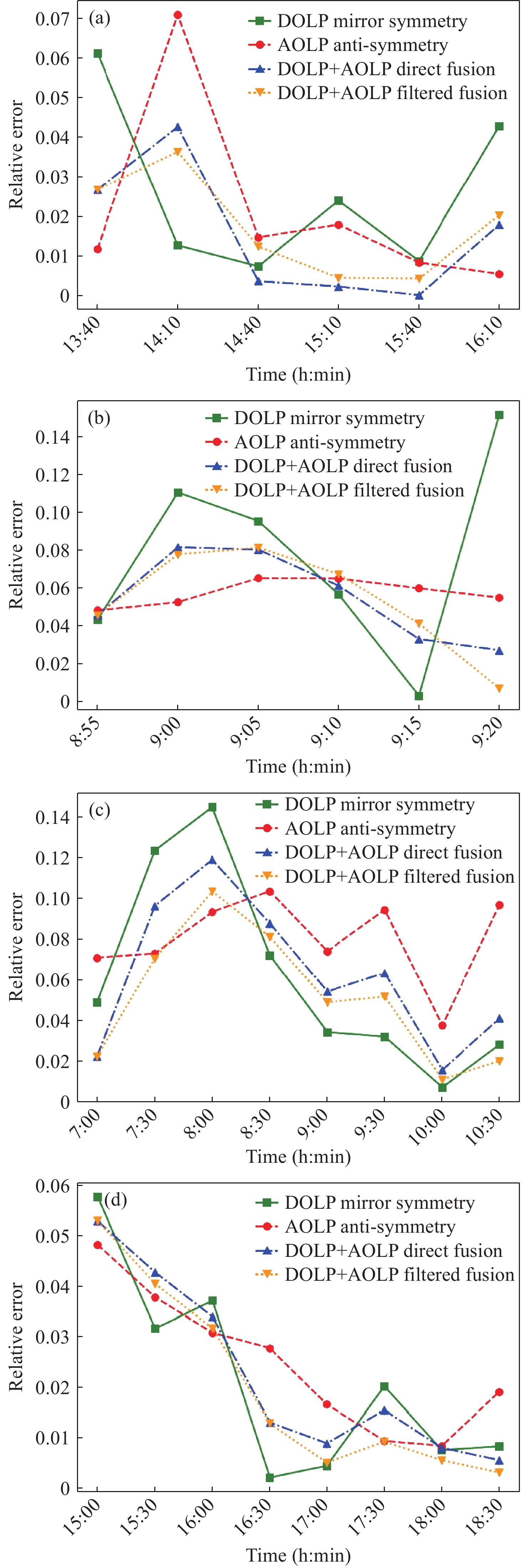
To address the issues of high noise and low accuracy in solar meridian extraction using a single polarization mode, we propose a dual-polarization mode fusion method. First, the method preprocesses the polarization field using the interquartile range method. Then, by combining the mirror symmetry of the degree of linear polarization with the anti-symmetry of the polarization angle and applying complex domain transformation along with radial-azimuthal segmentation analysis, the method fuses global and local polarization features. Finally, temporal filtering is applied based on solar motion law and the neutral point constraint, further improving extraction accuracy. Experimental evaluations under diverse conditions demonstrate that the complete pipeline achieves mean relative errors of 0.02 (sunny), 0.051 (cloudy), 0.053 (fog), and 0.017 (dust) against the astronomical solar azimuth references, substantially outperforming single-feature methods. This study not only provides a polarization-based heading reference for autonomous systems, but also offers a scalable computational paradigm for integrating global and local polarization features.
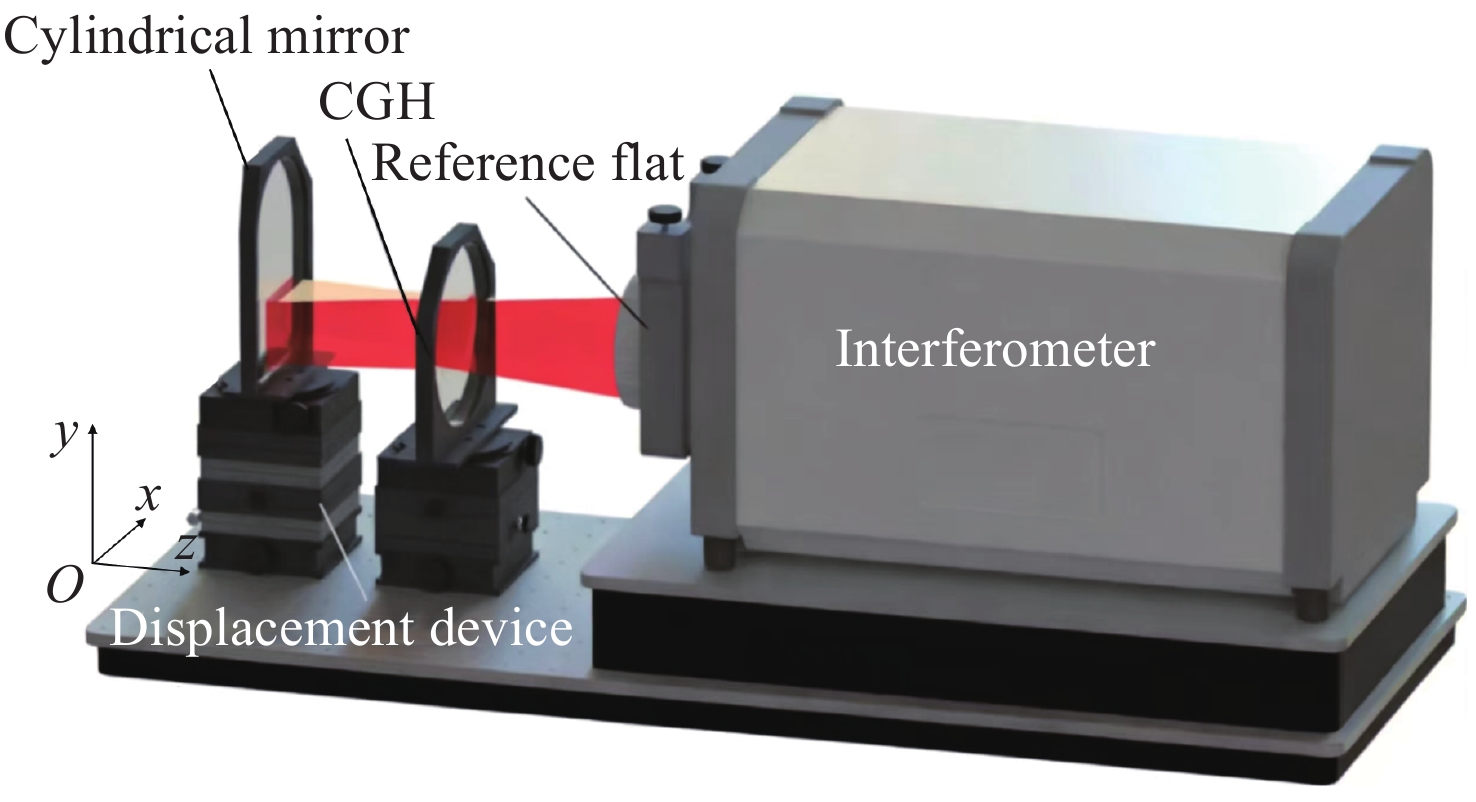
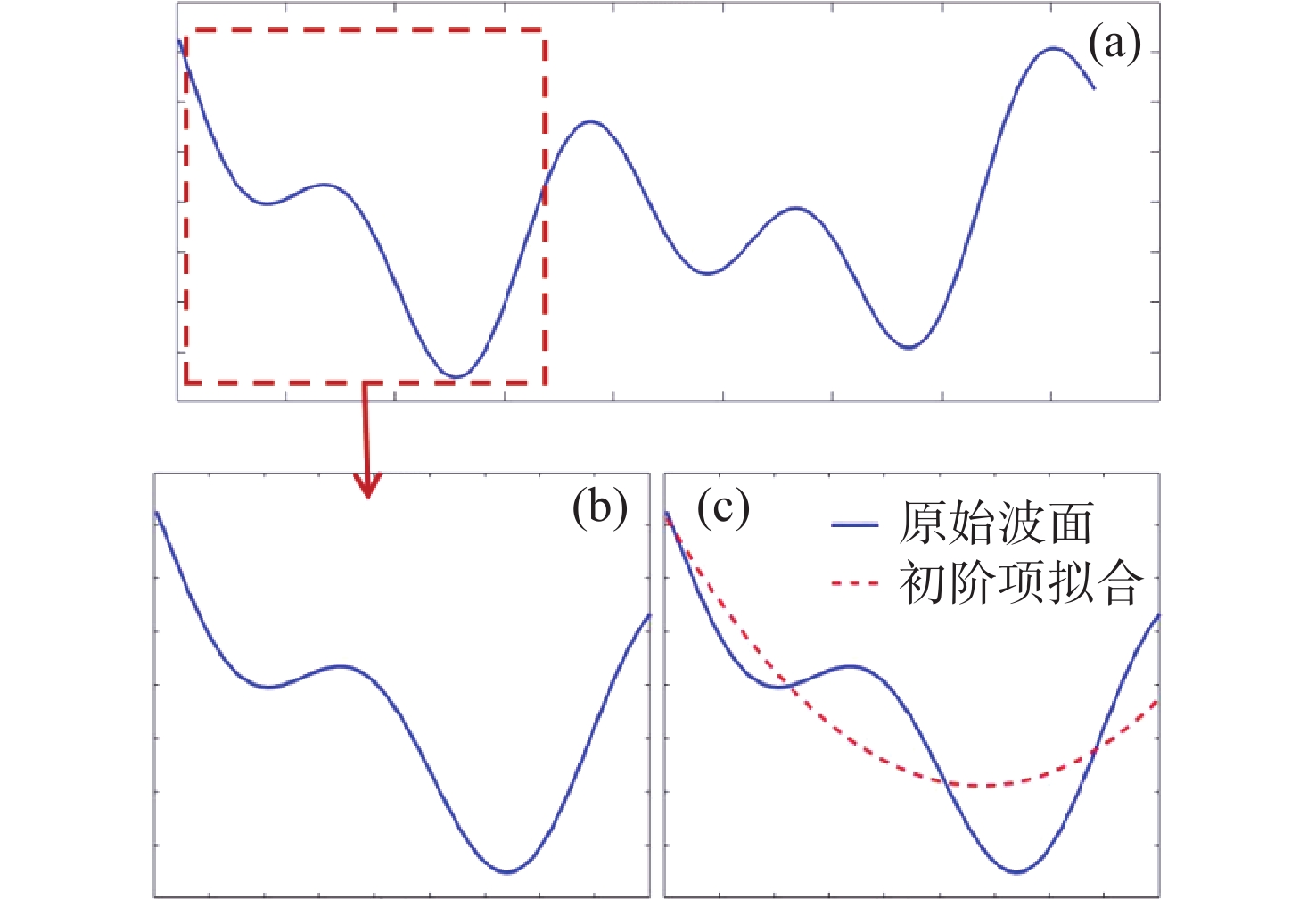
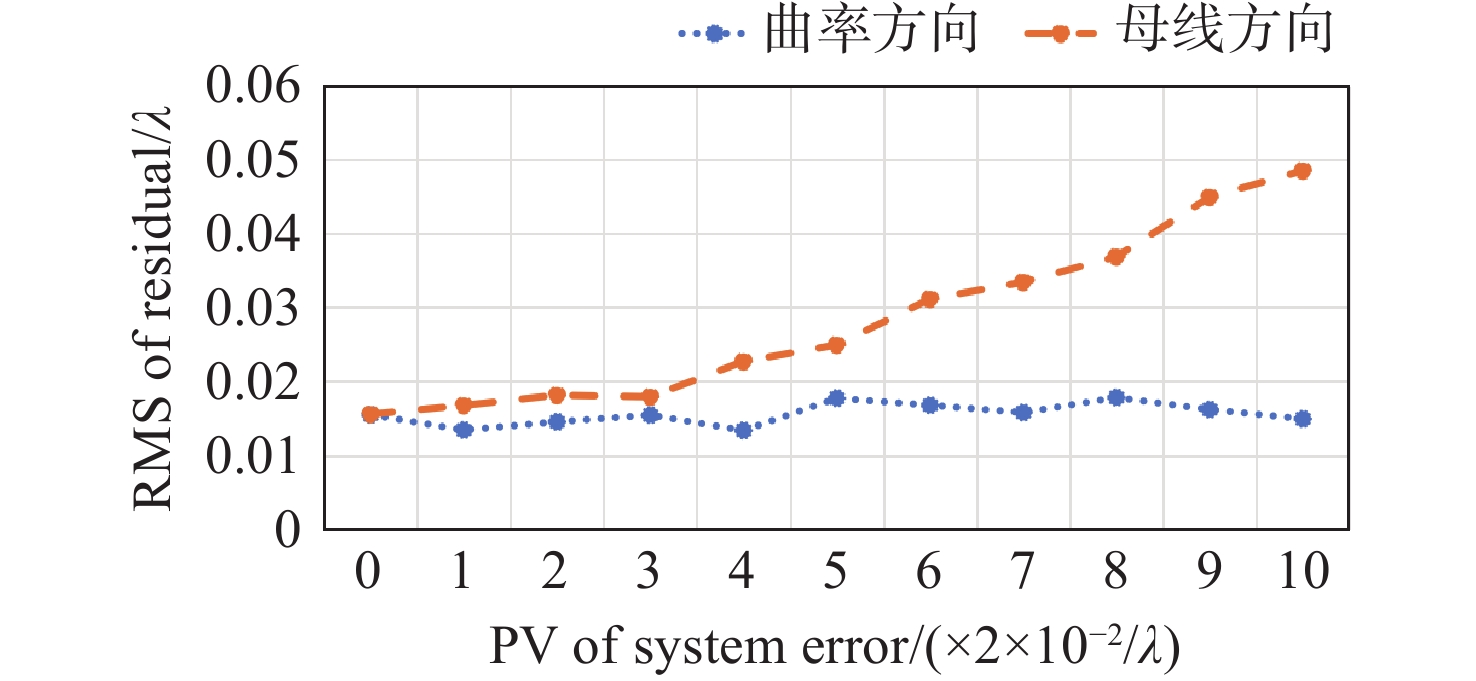
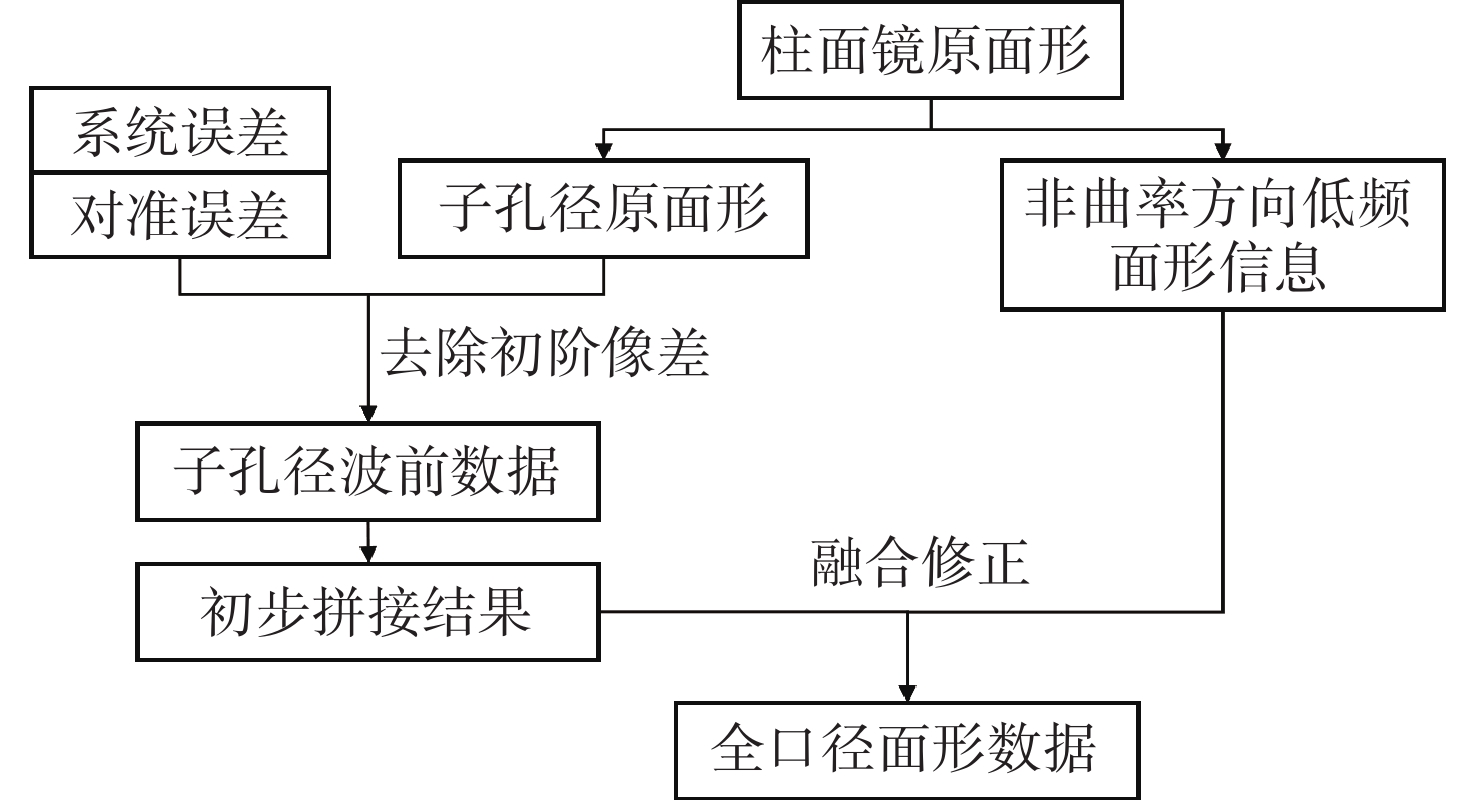
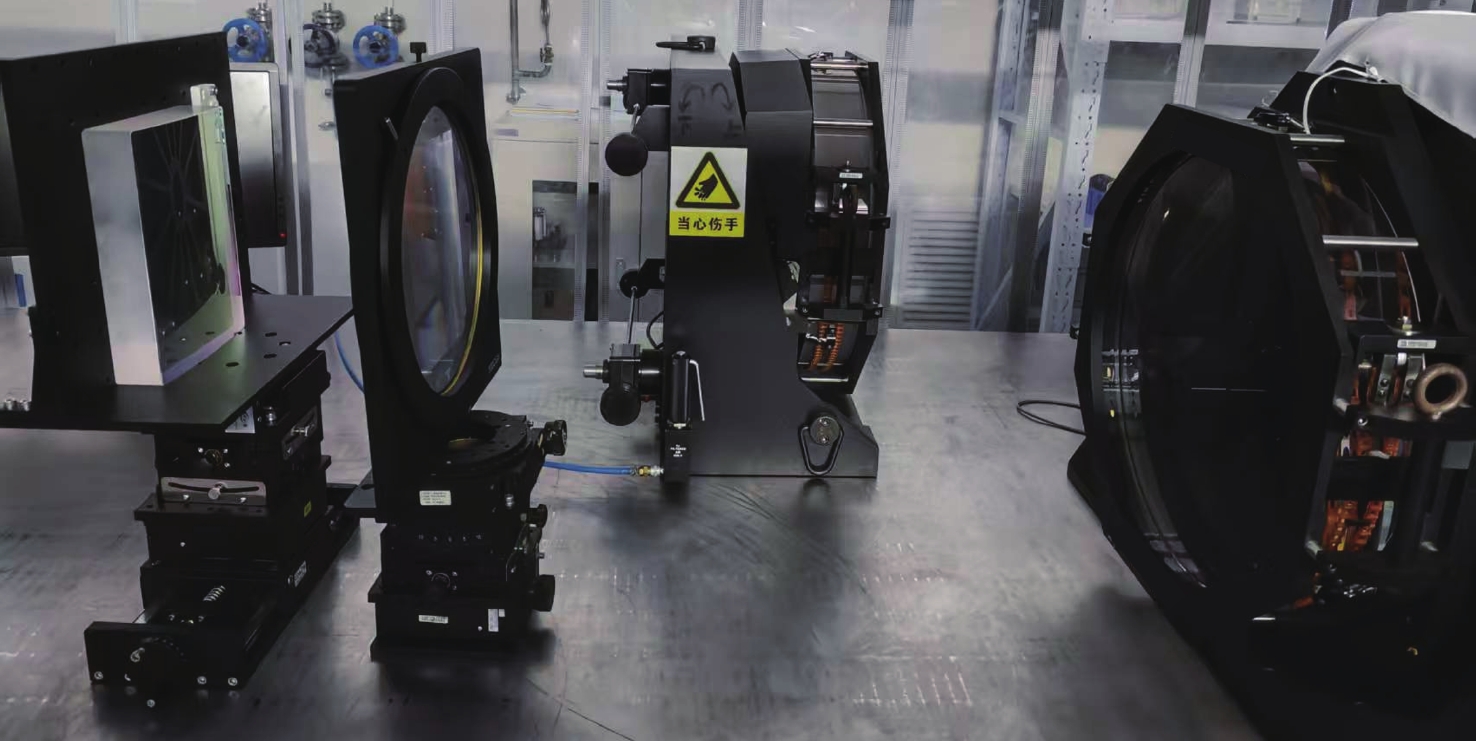
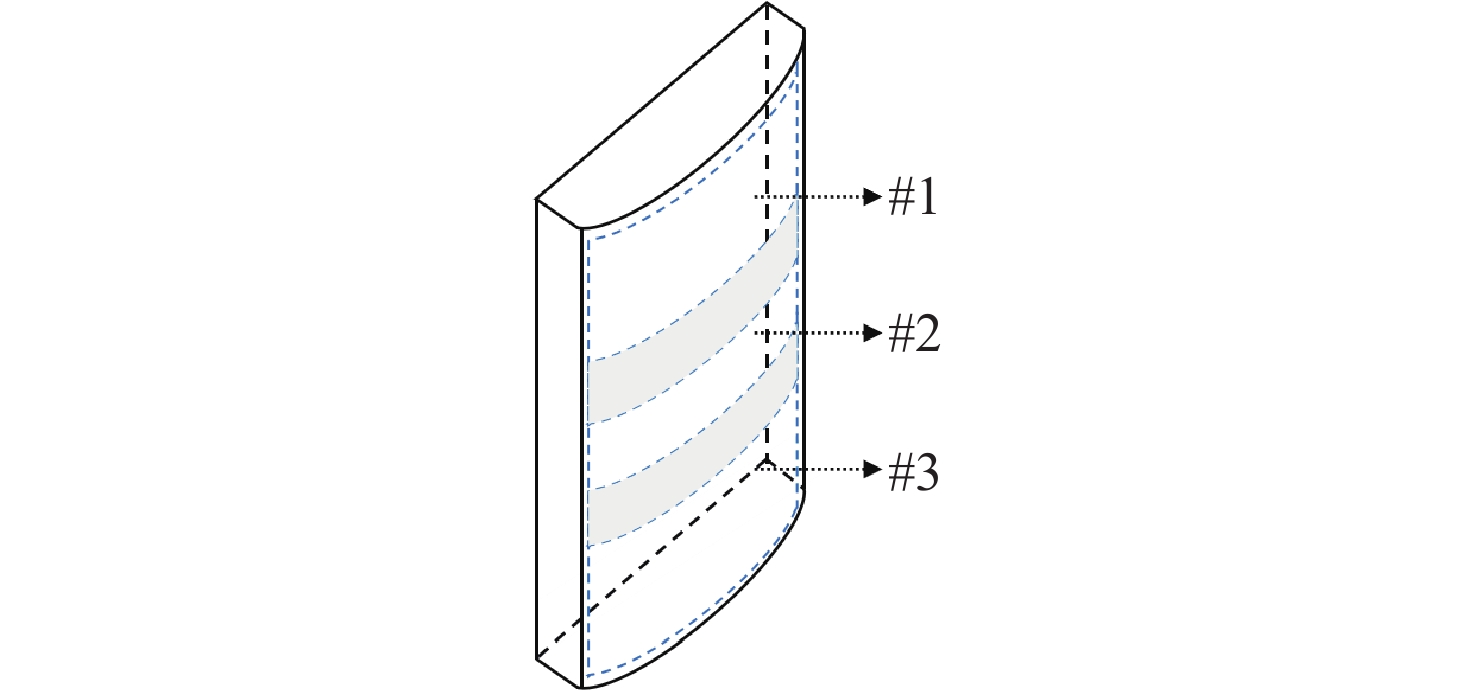
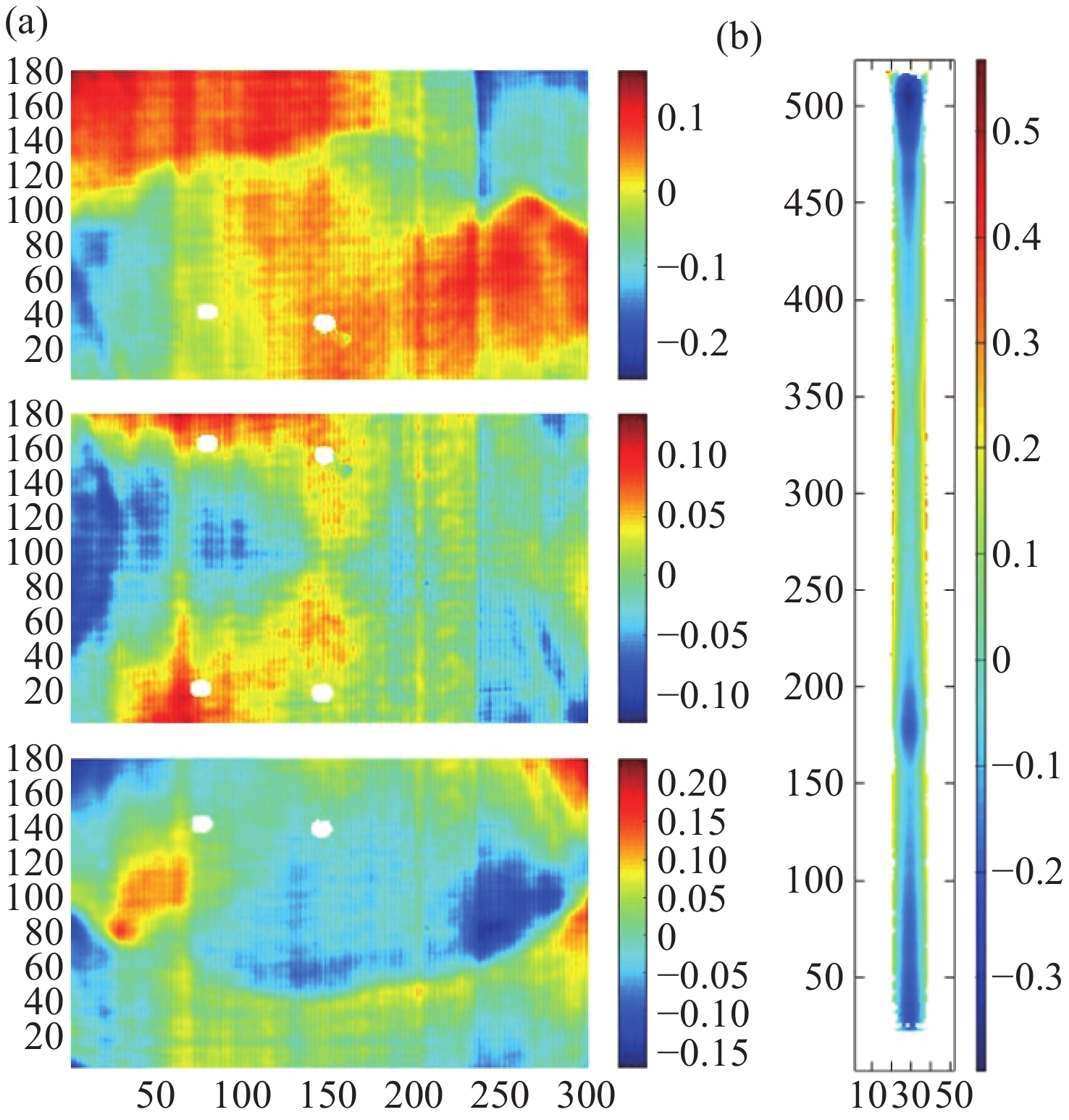
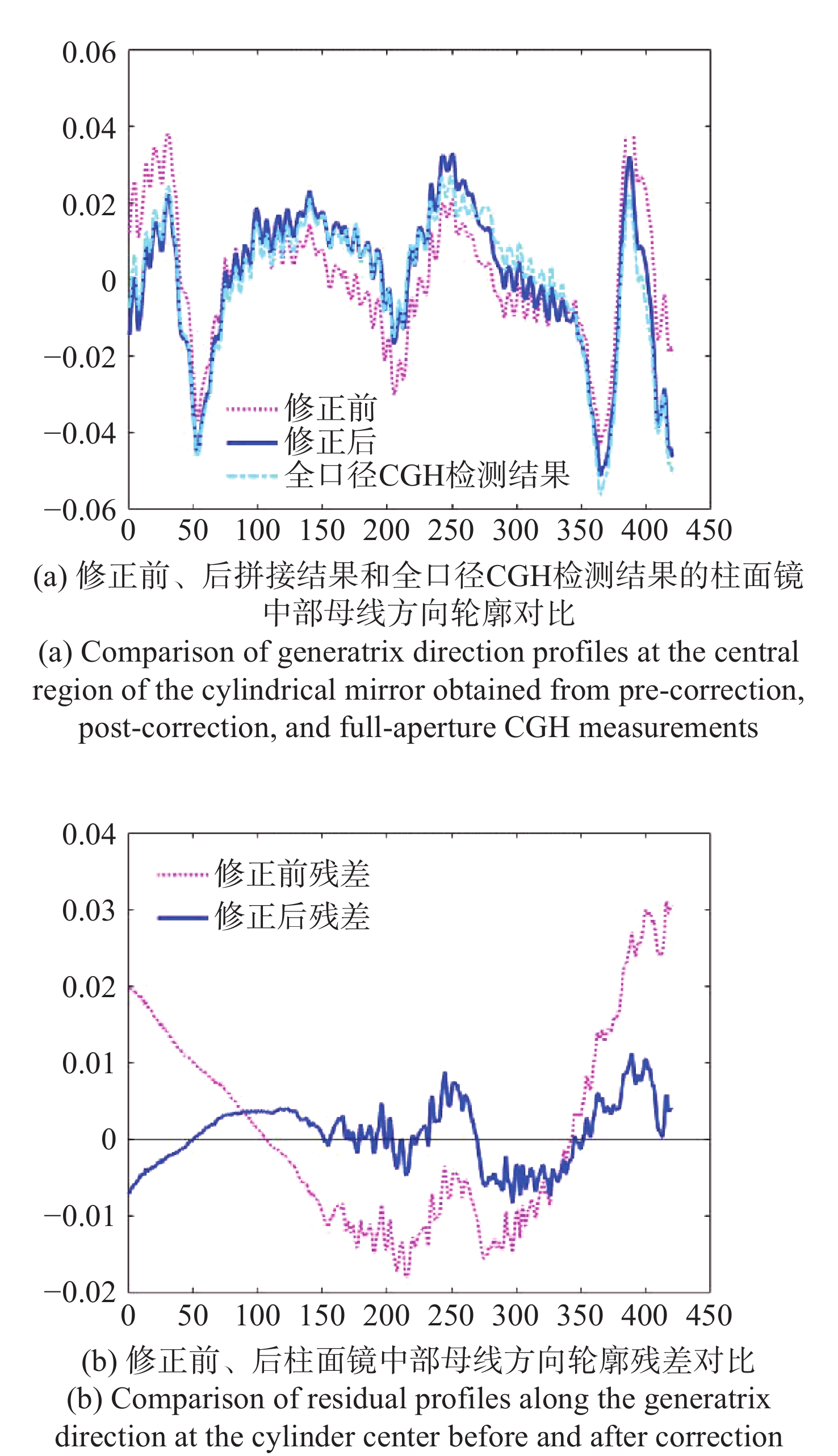
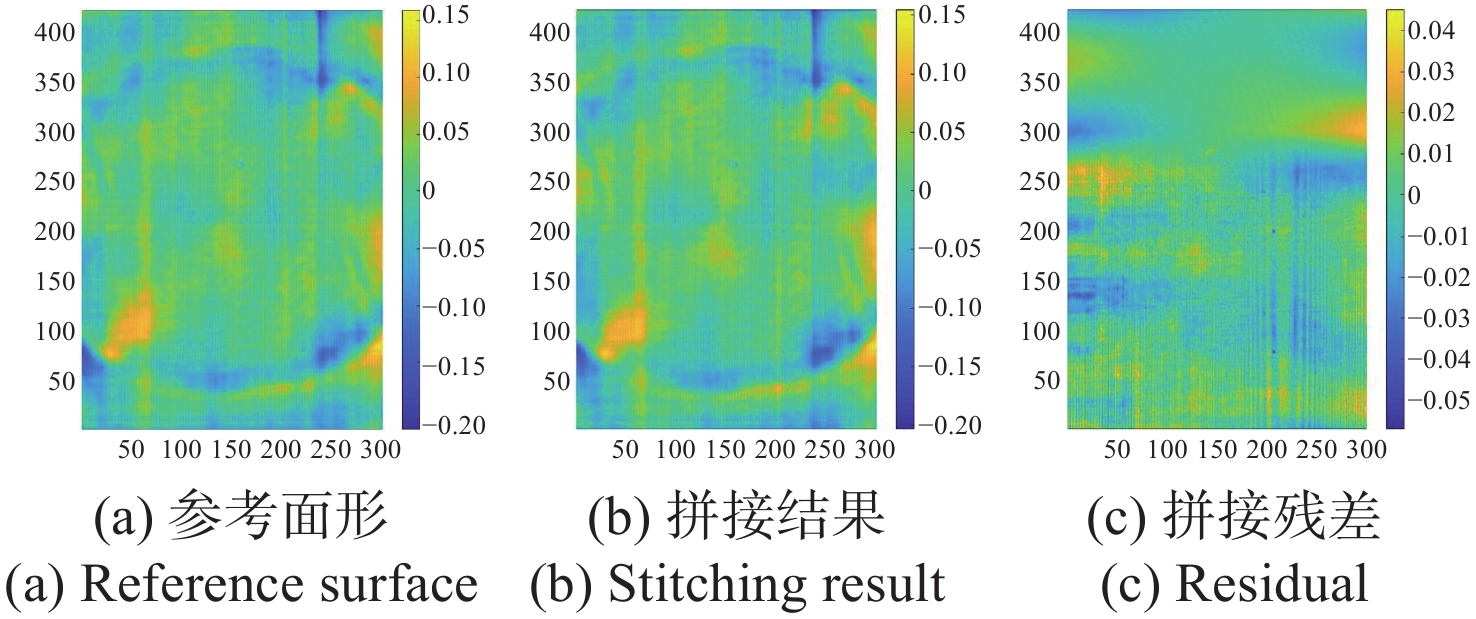
The subaperture stitching method based on computer-generated holograms (CGH) is a common approach for measuring the surface profile of cylindrical mirrors. However, the stitching result suffers from distortion of low-frequency surface shape information. This is primarily caused by the cumulative amplification of errors and the inability of conventional aberration fitting methods (based on orthogonal polynomials) to effectively separate errors from the true surface figure. To address this issue, this paper proposes a novel method to compensate for and correct the low-frequency information of cylindrical mirror surface profiles. First, an initial stitching is performed using a successive subaperture stitching method based on Chebyshev polynomials. Next, the profile along the mirror's stitching direction (i.e., the generatrix direction) is measured independently to extract its low-frequency component. Finally, this low-frequency information is used to further fuse and correct the initial stitching result. Experimental validation was conducted on a cylindrical mirror with a clear aperture of 150 mm × 210 mm and a radius of curvature of 790.23 mm. The results demonstrate that the proposed method effectively corrects the generatrix direction profile of the cylindrical mirror. Compared to the full-aperture reference surface obtained via full-aperture CGH measurement, the root mean square (RMS) of the residual error for the stitching result is approximately
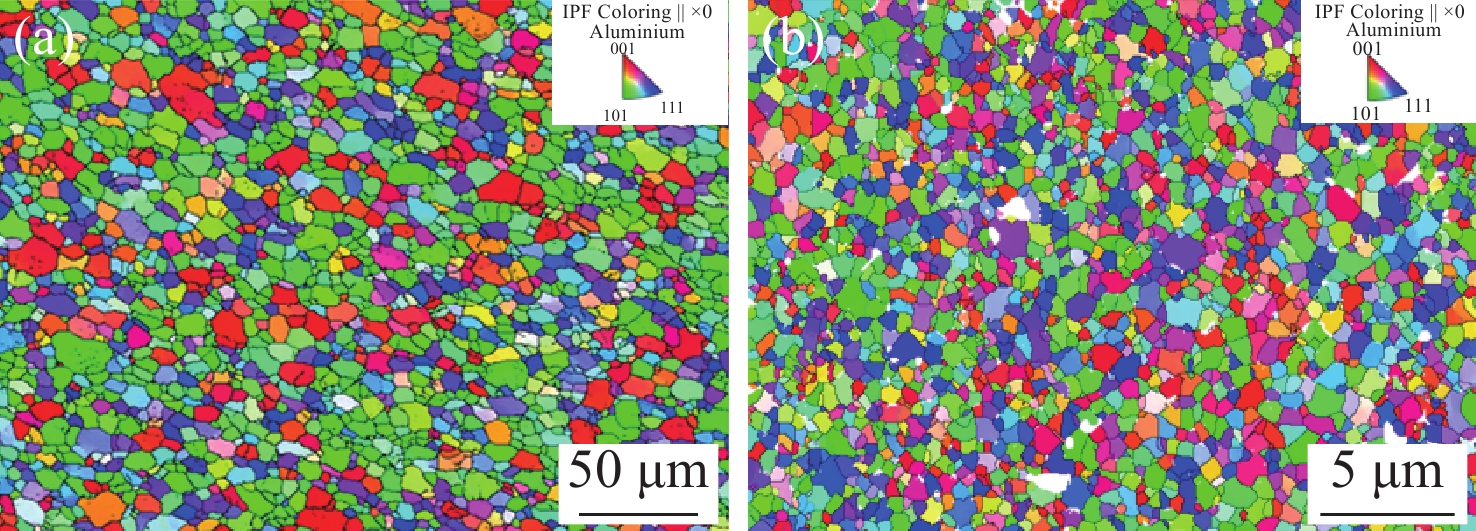
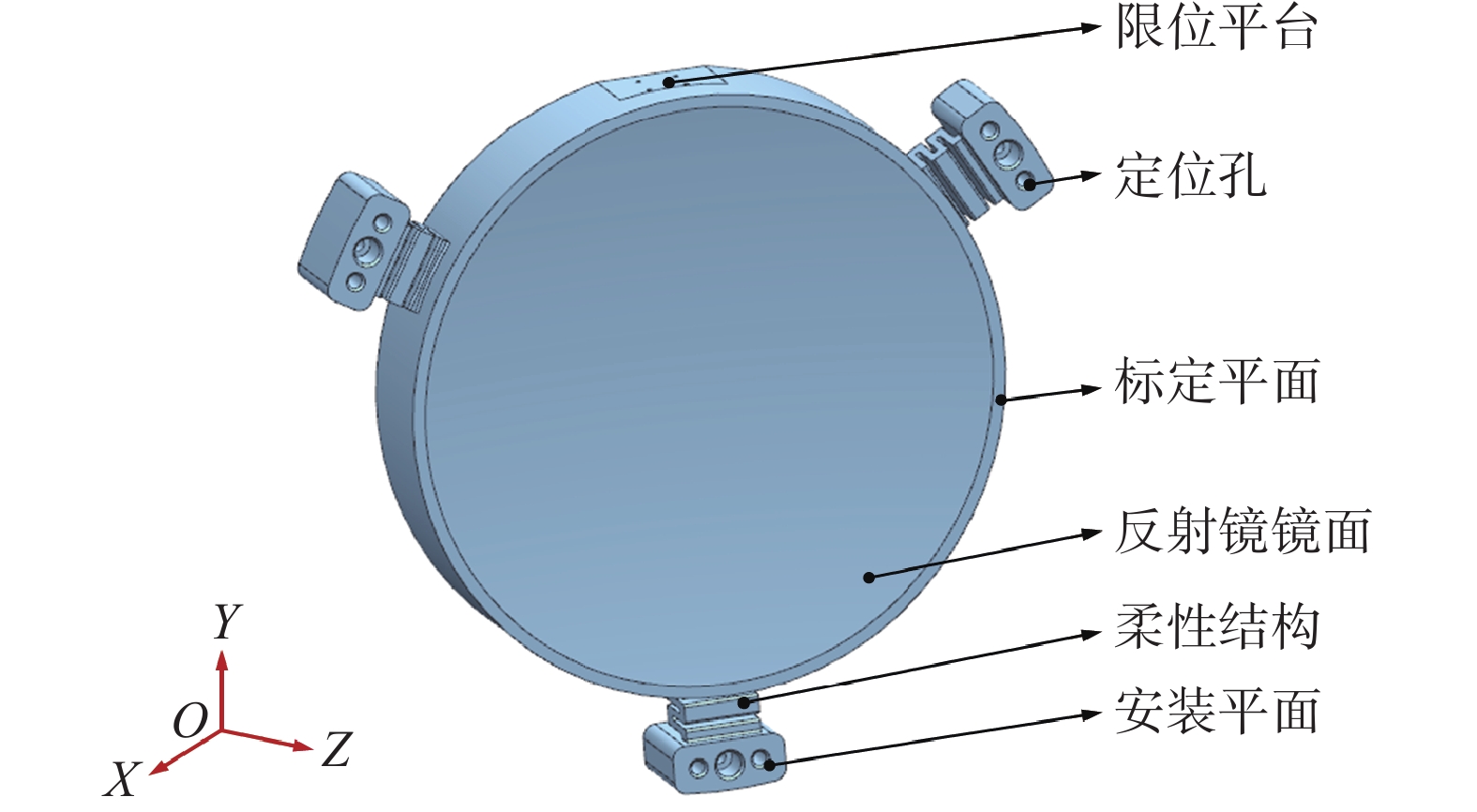
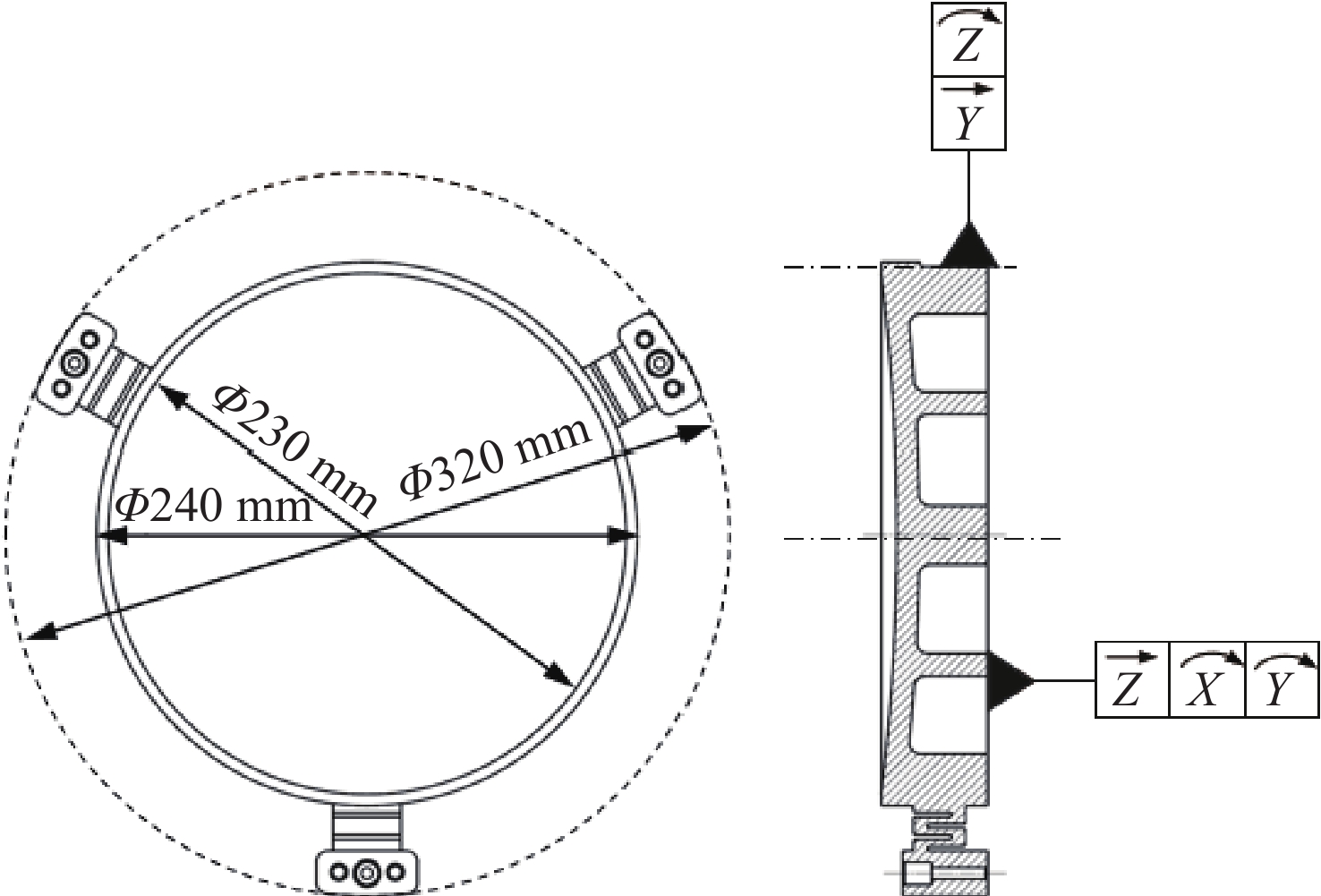
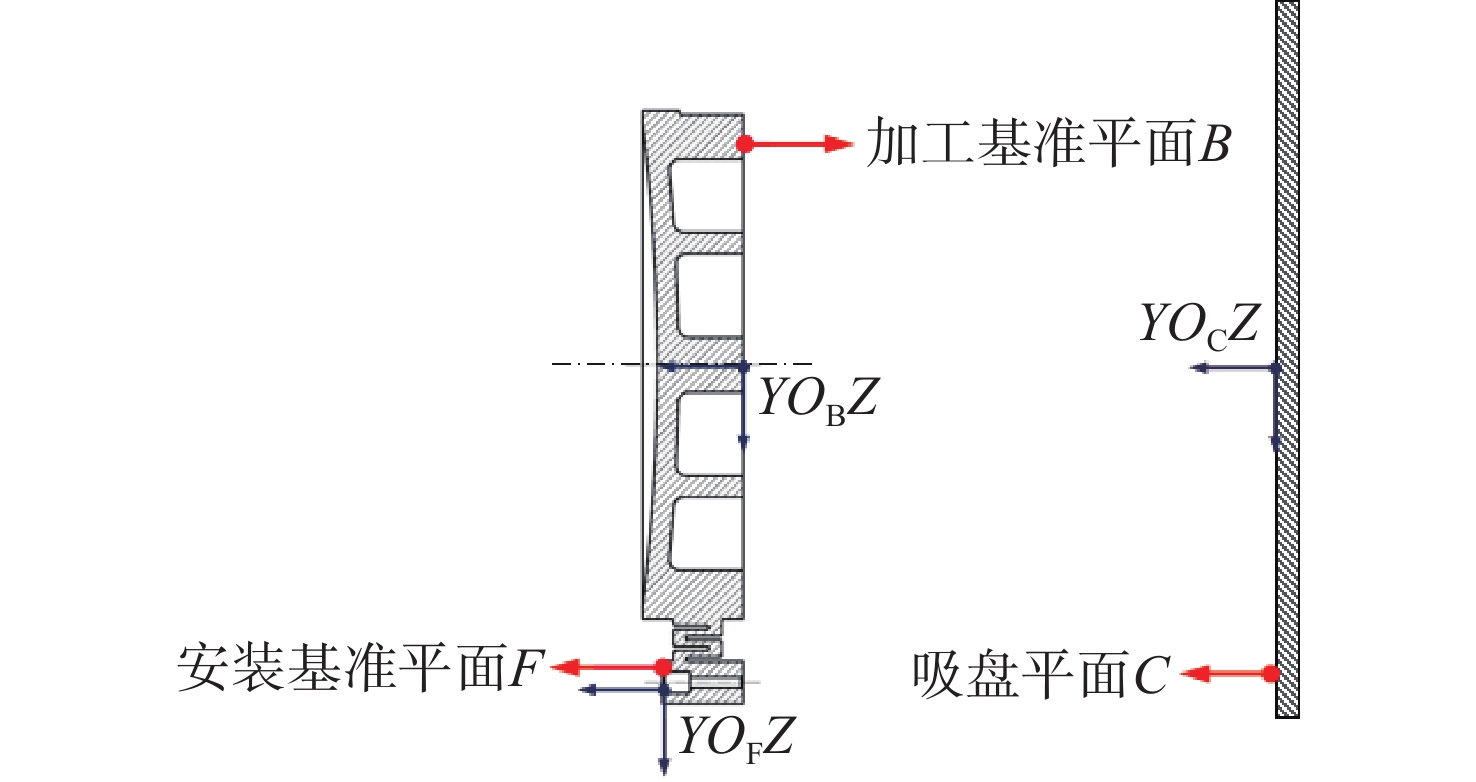
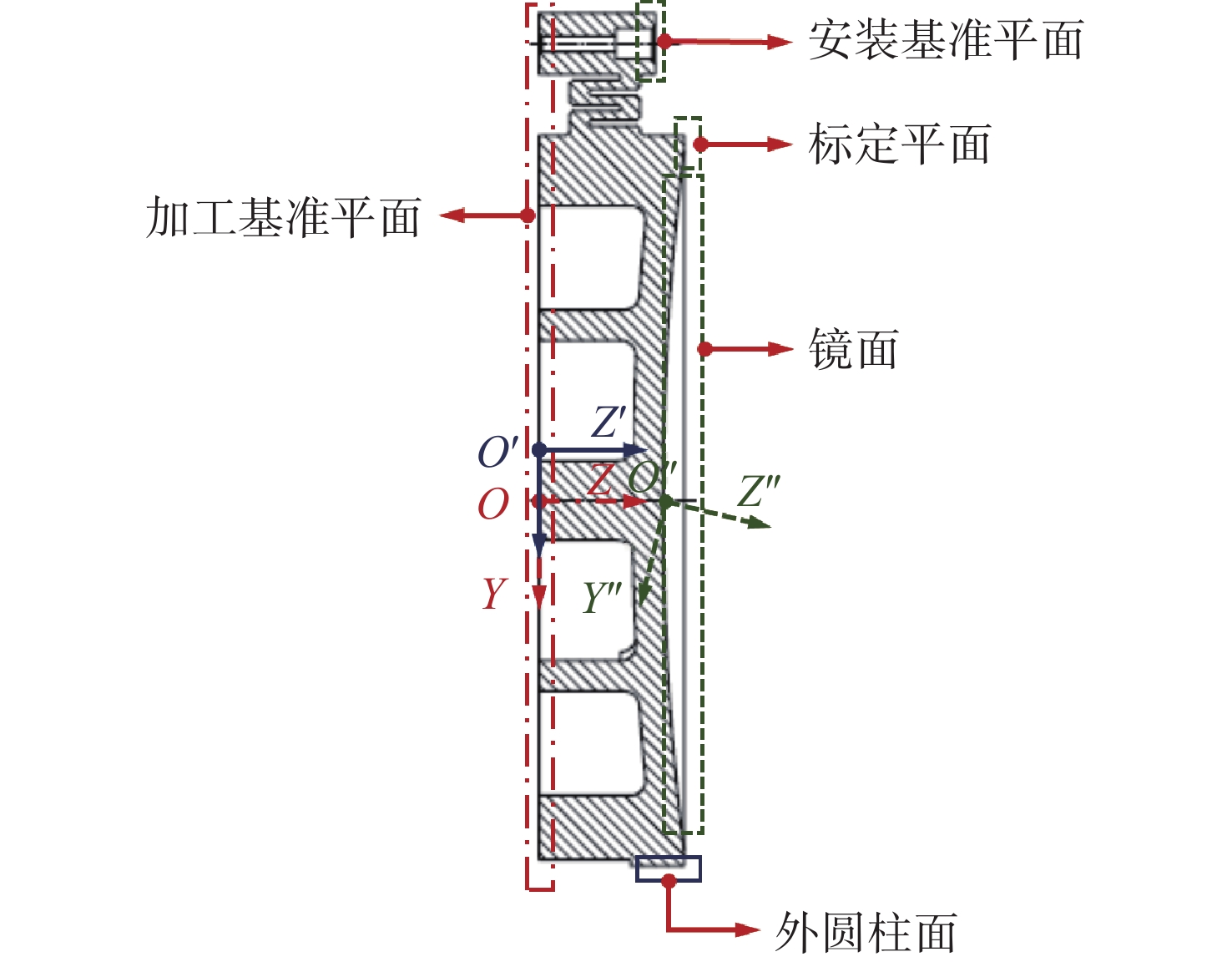
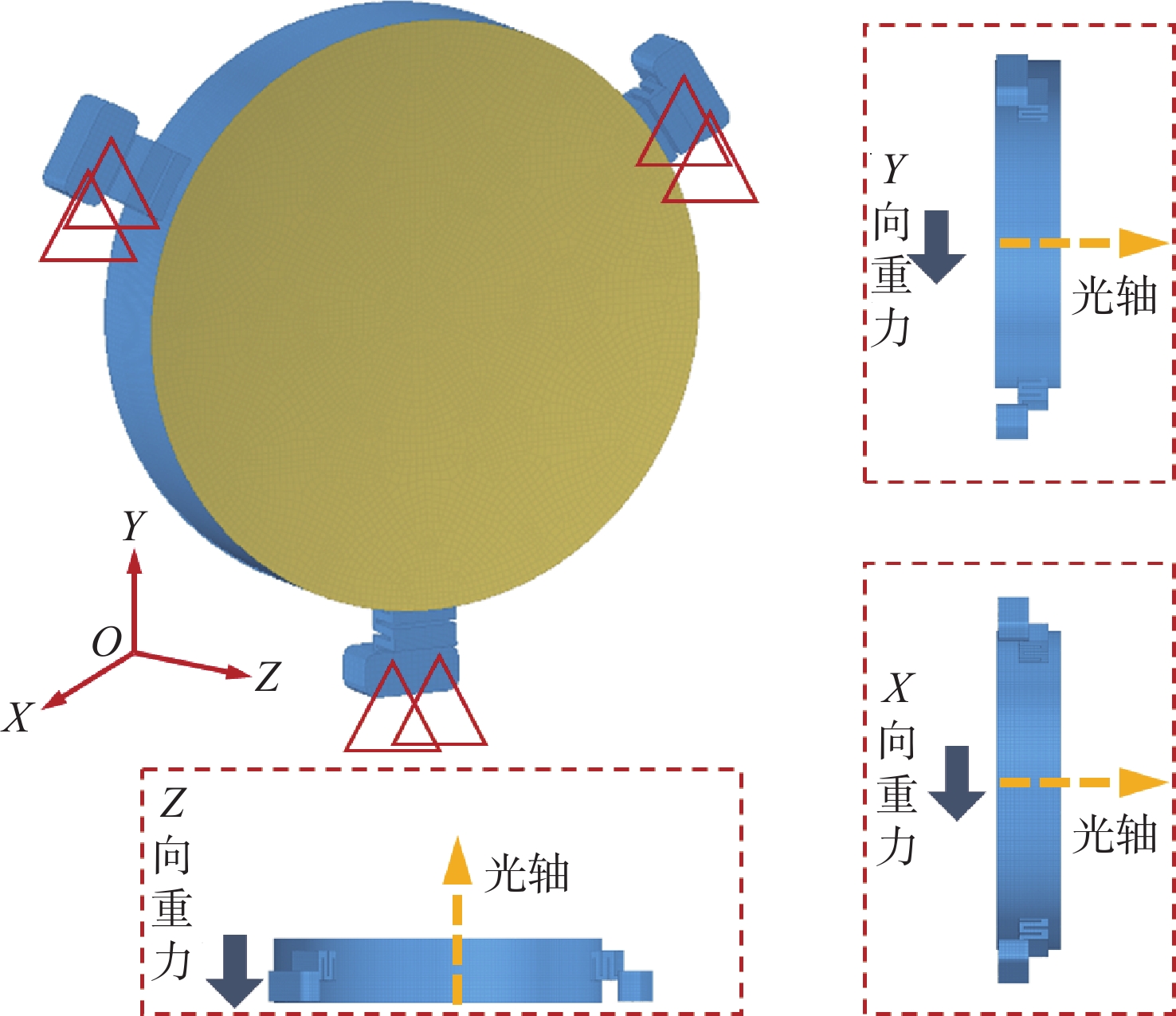
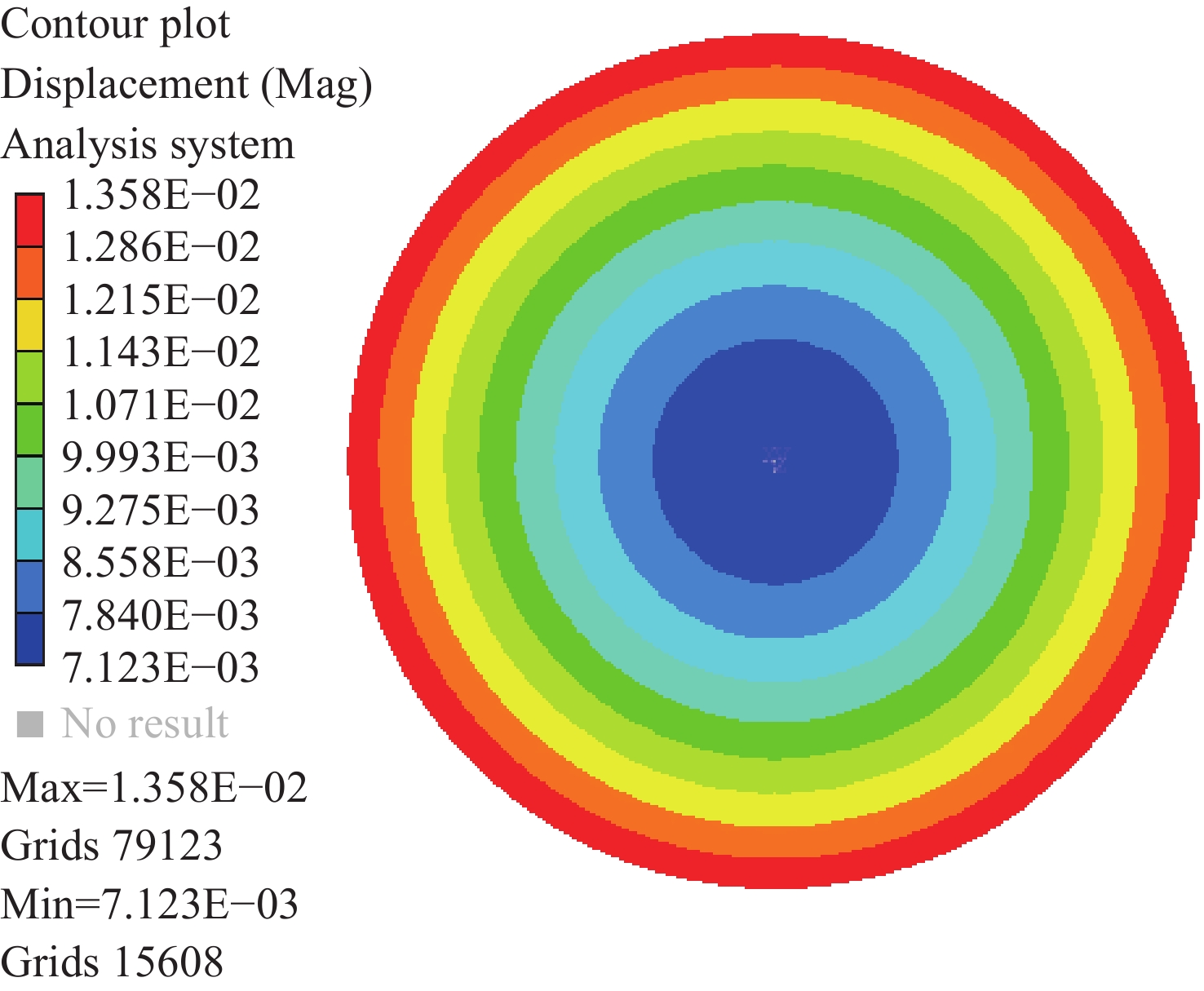
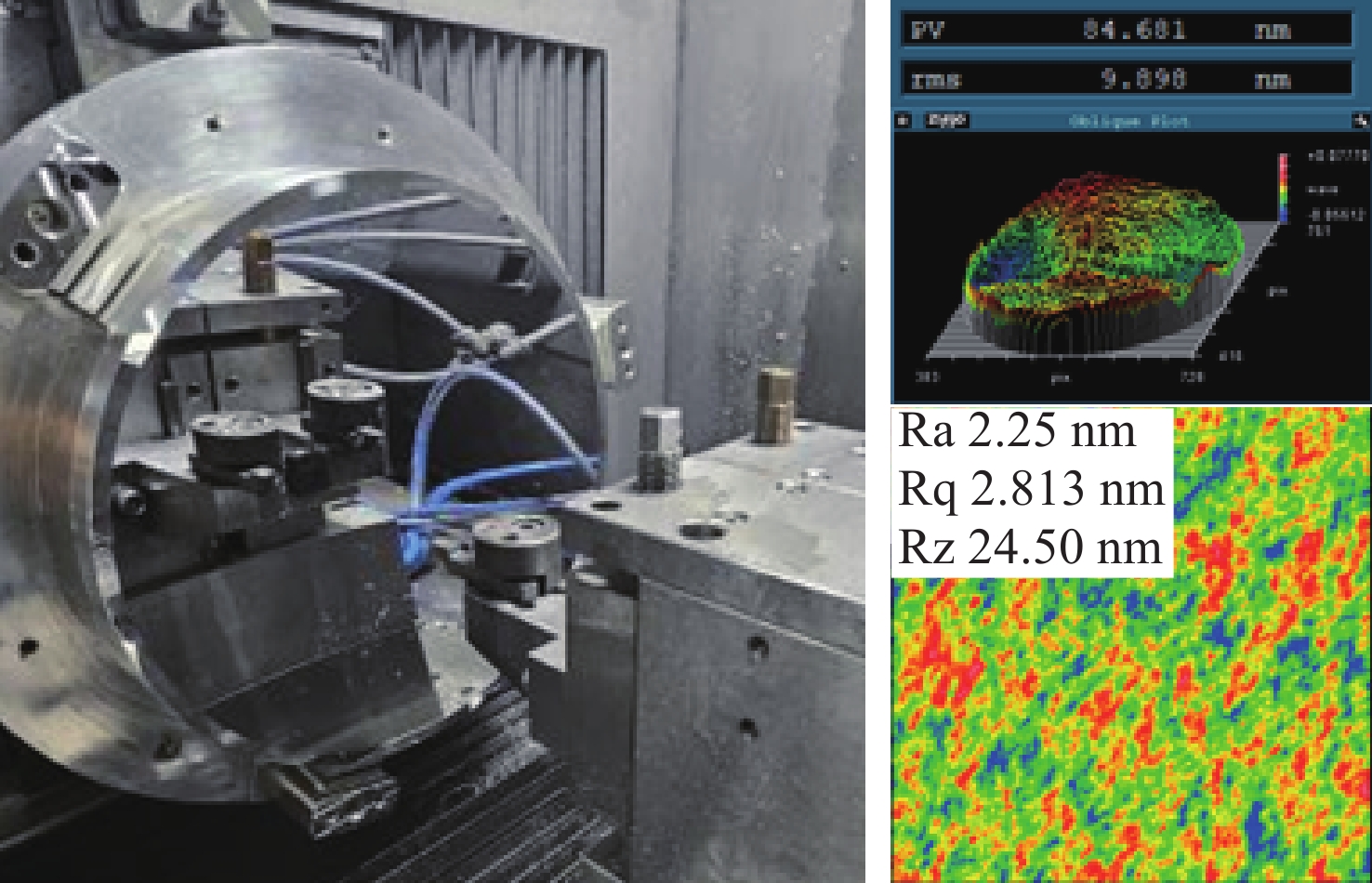
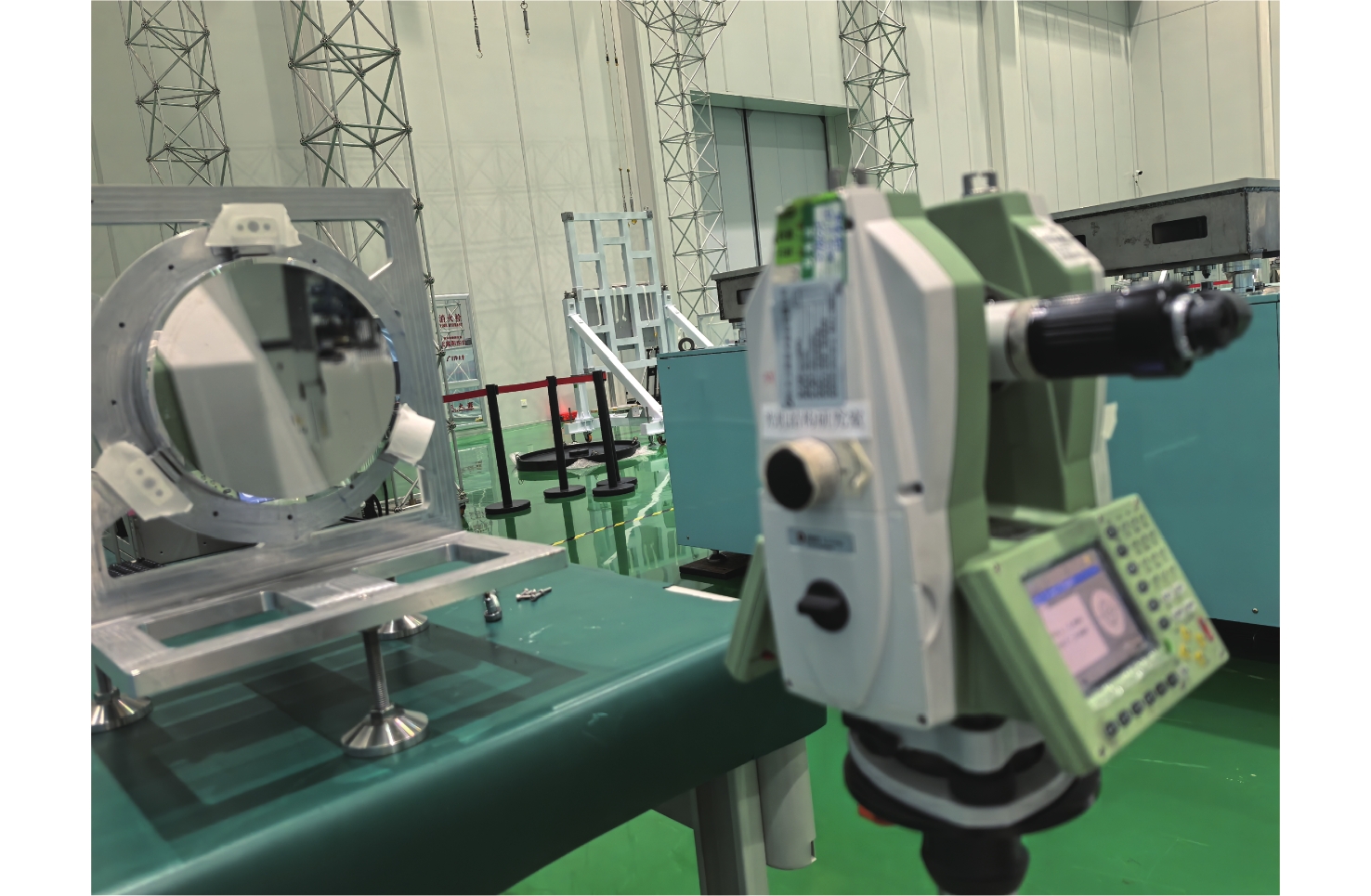
To reduce the difficulty of installing and adjusting space cameras, a collaborative design of structure and process for common-reference integrated aluminum alloy mirrors was carried out. First, based on the concept of integrating multiple functions such as mirror surface, flexible support, installation reference and so on, the structure design of a monolithic mirror was carried out. Besides, while designing the structure, co-reference process design was conducted simultaneously by establishing an error transmission model and a corresponding precision allocation scheme. Finally, simulation analysis and processing were carried out on the designed mirror. The results show that the surface accuracy variation of the monolithic mirror is less than RMS 0.01λ@632.8 nm under typical working conditions, the precision of the processed mirror reaches up to RMS 0.016λ@ 632.8 nm, and the deviation between the mechanical and optical references is better than 2″. The monolithic aluminum alloy mirrors designed in this study can satisfy the space mirror requirements of stability, high precision and excellent consistency.
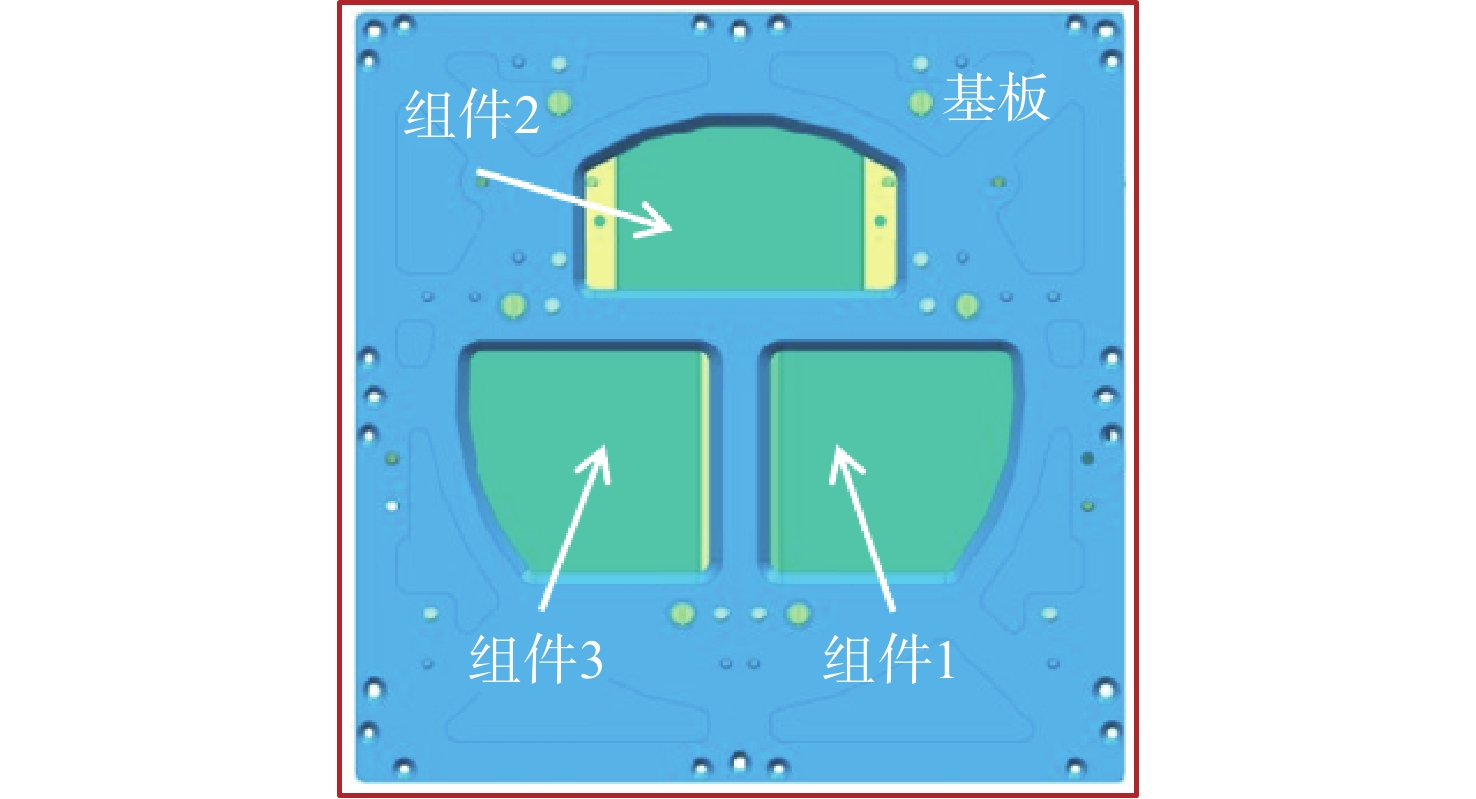
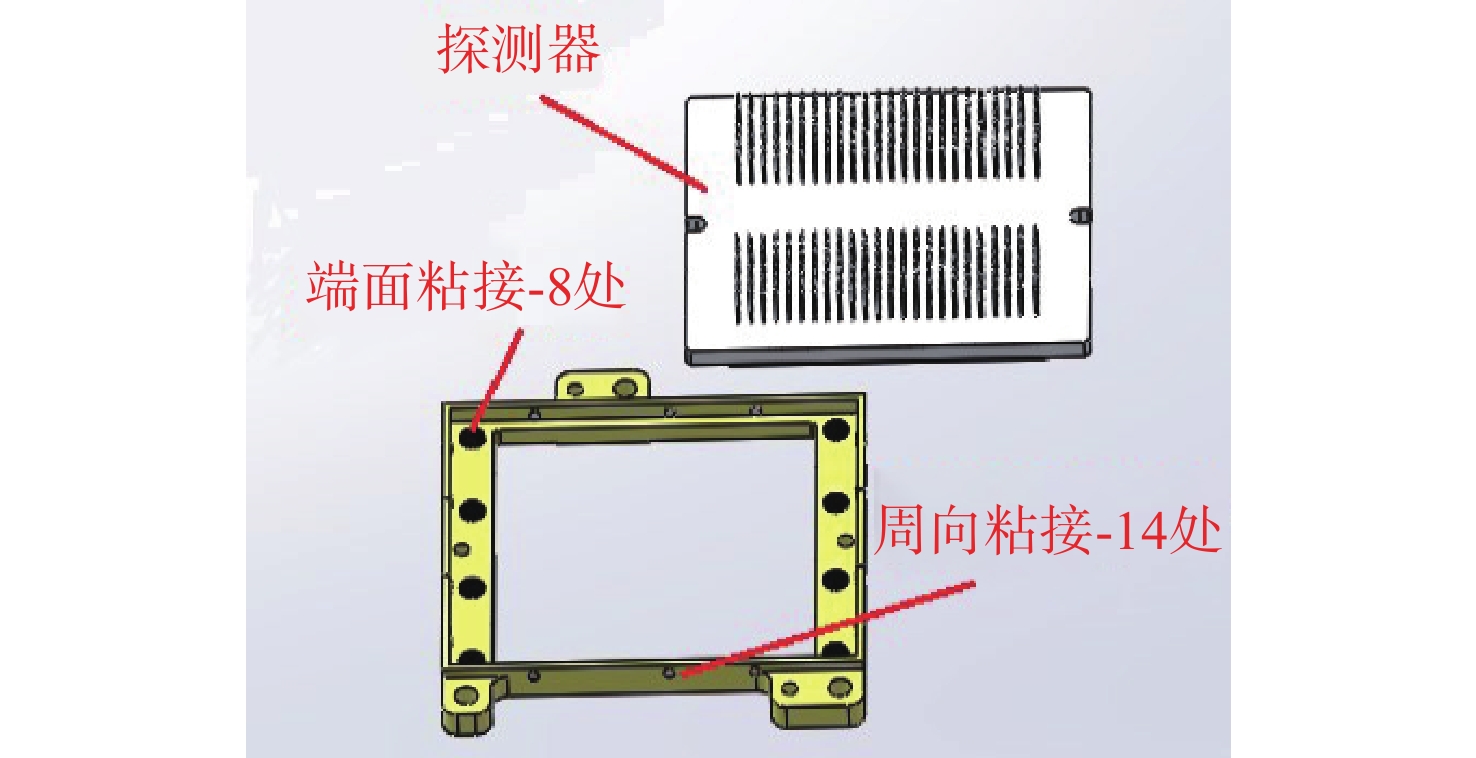
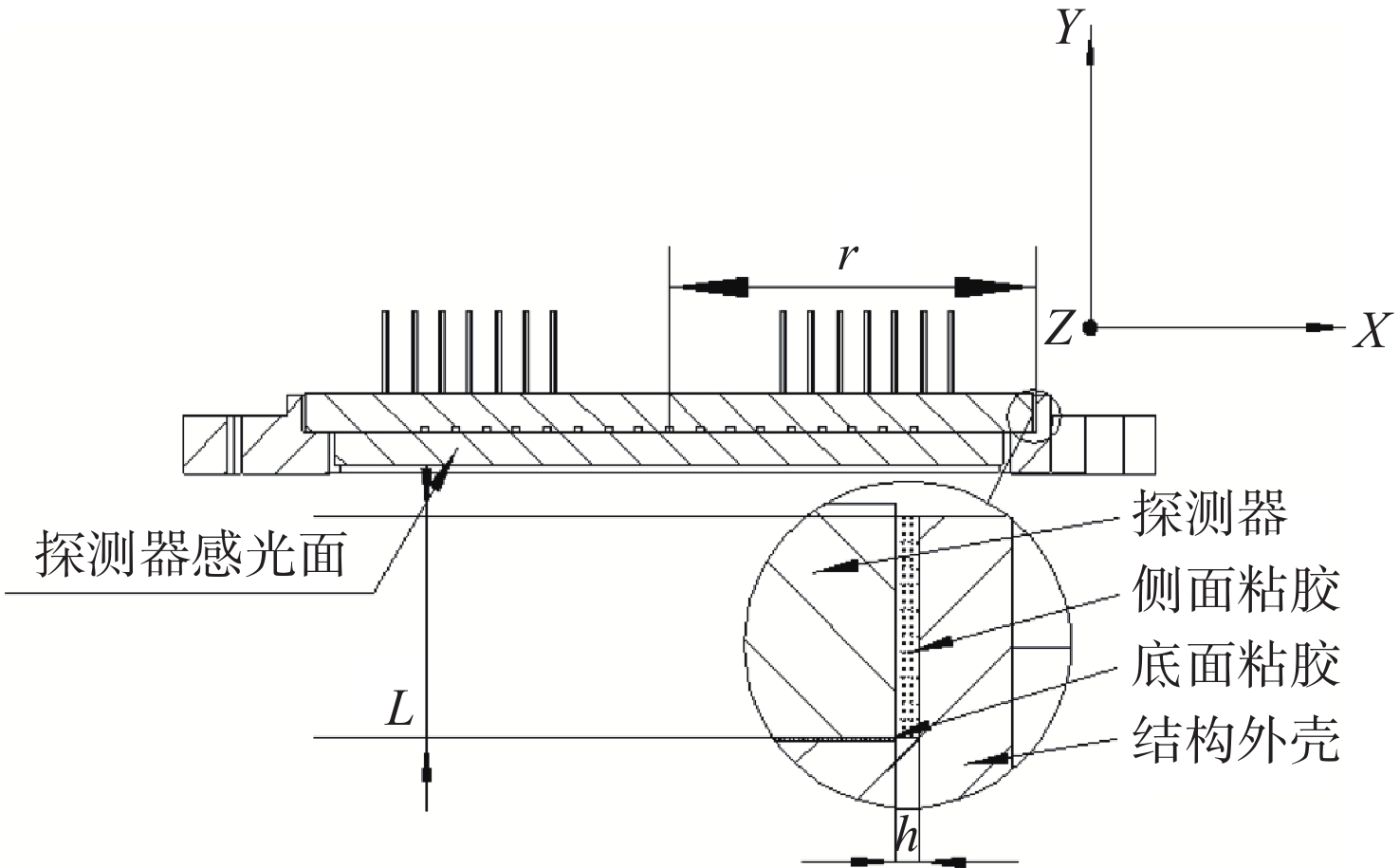
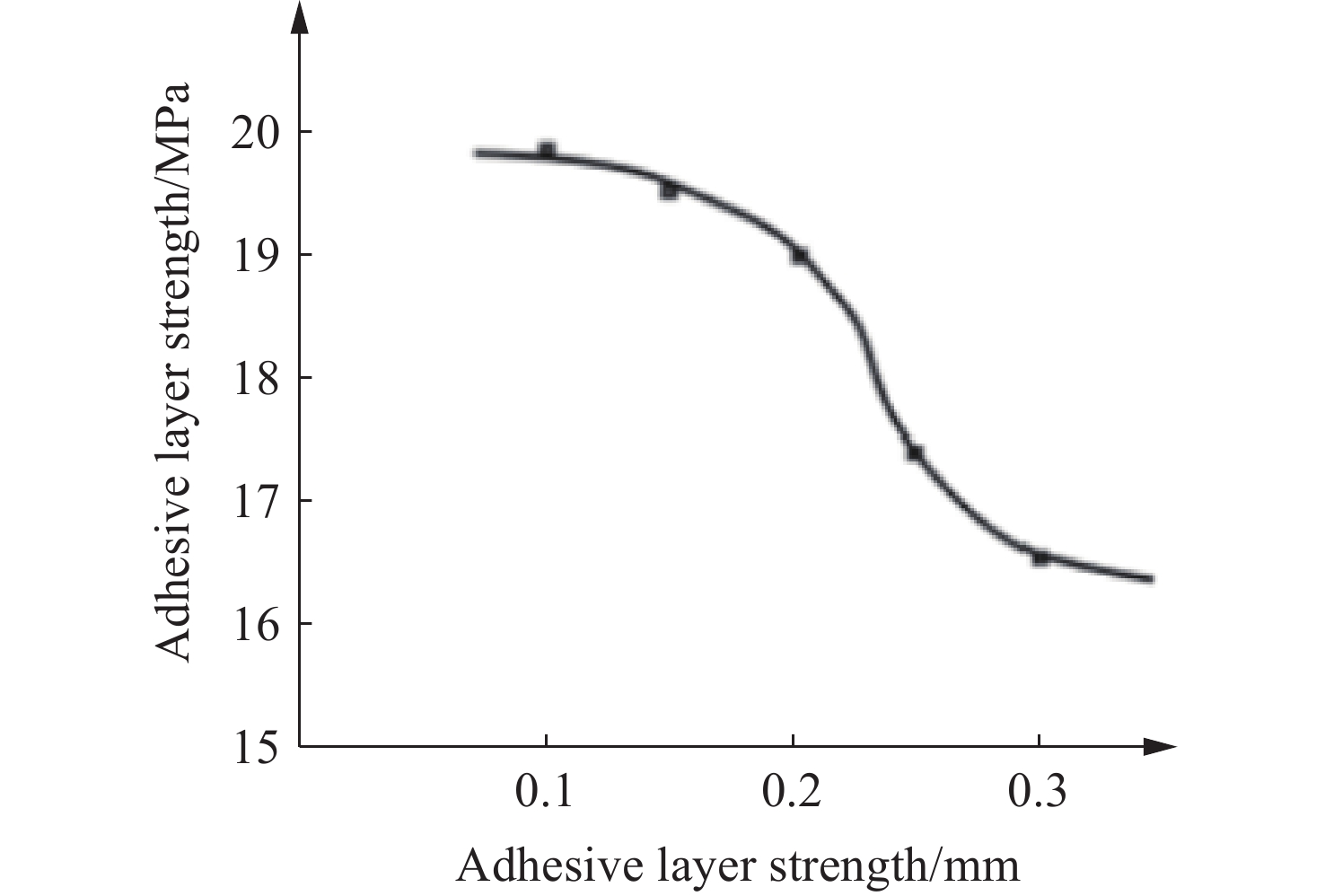
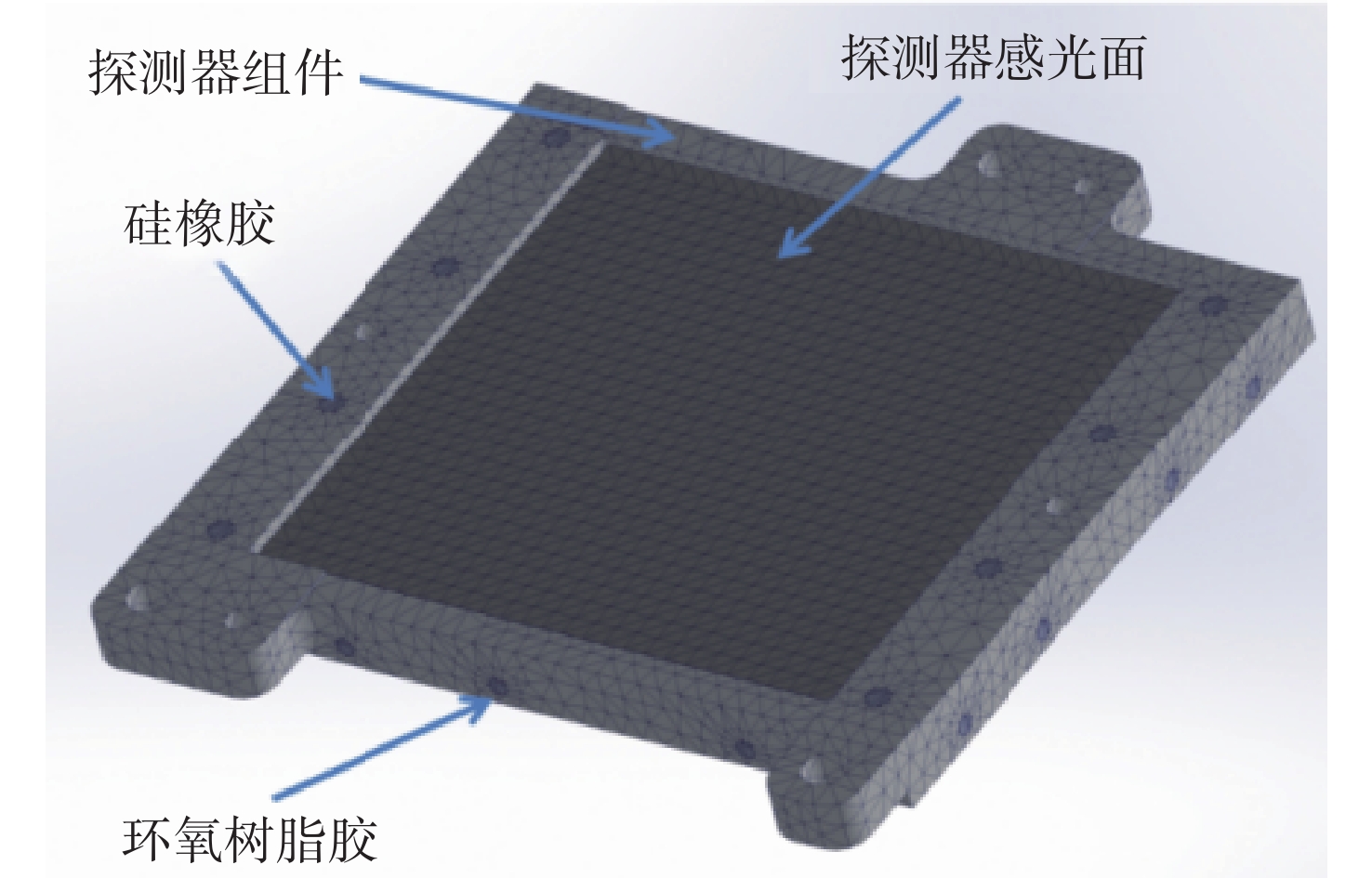
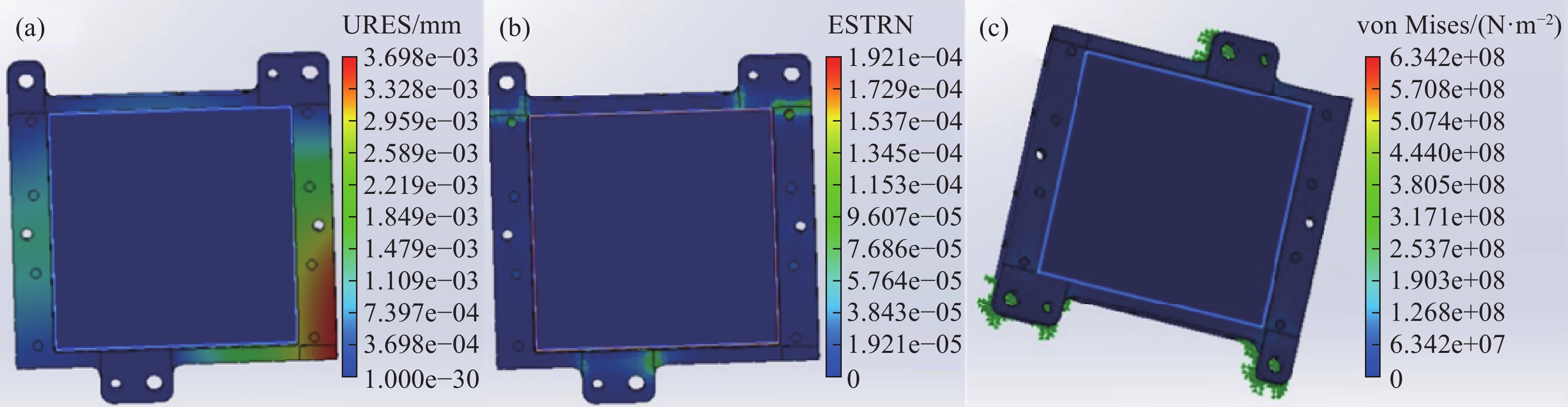
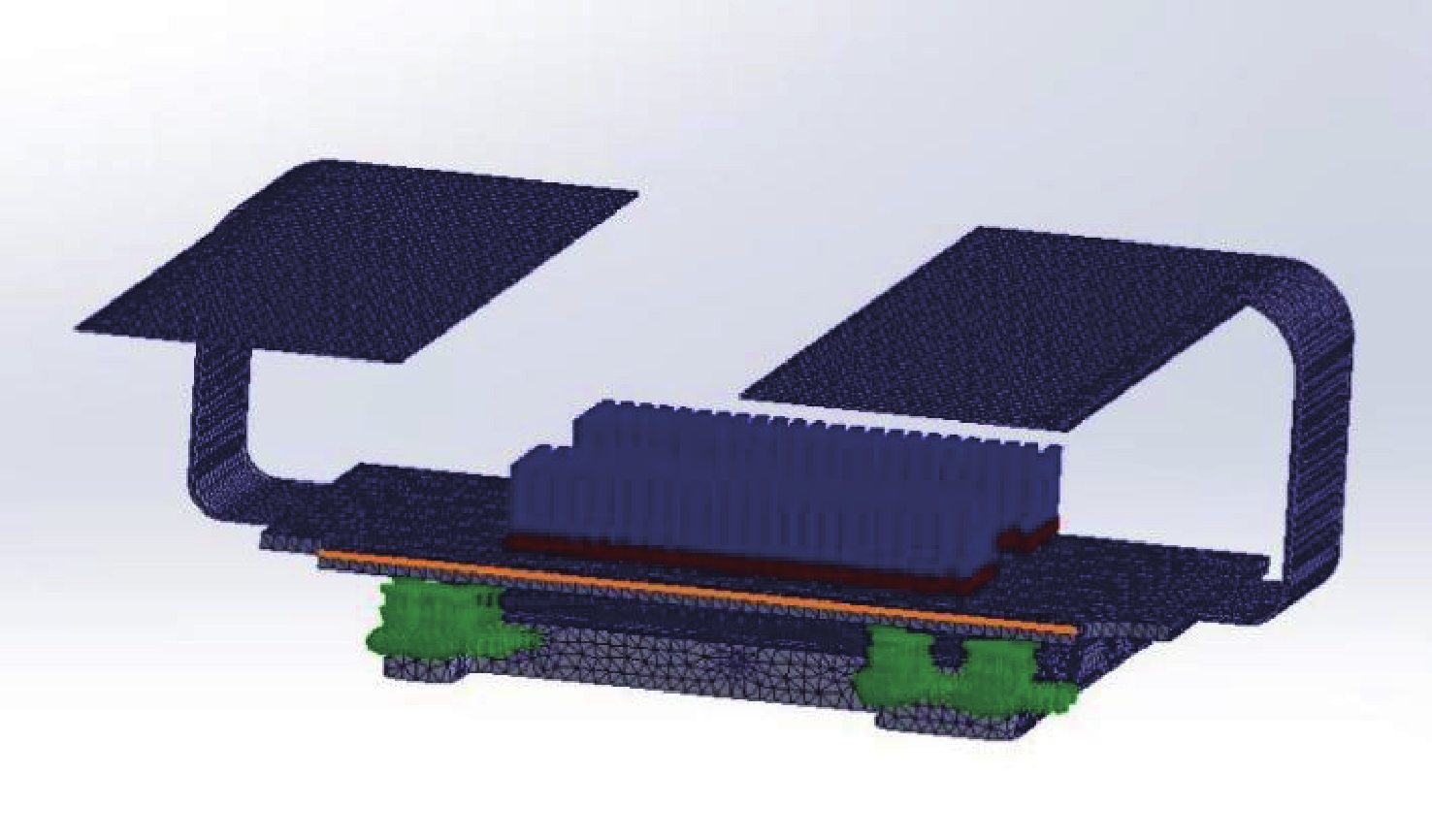
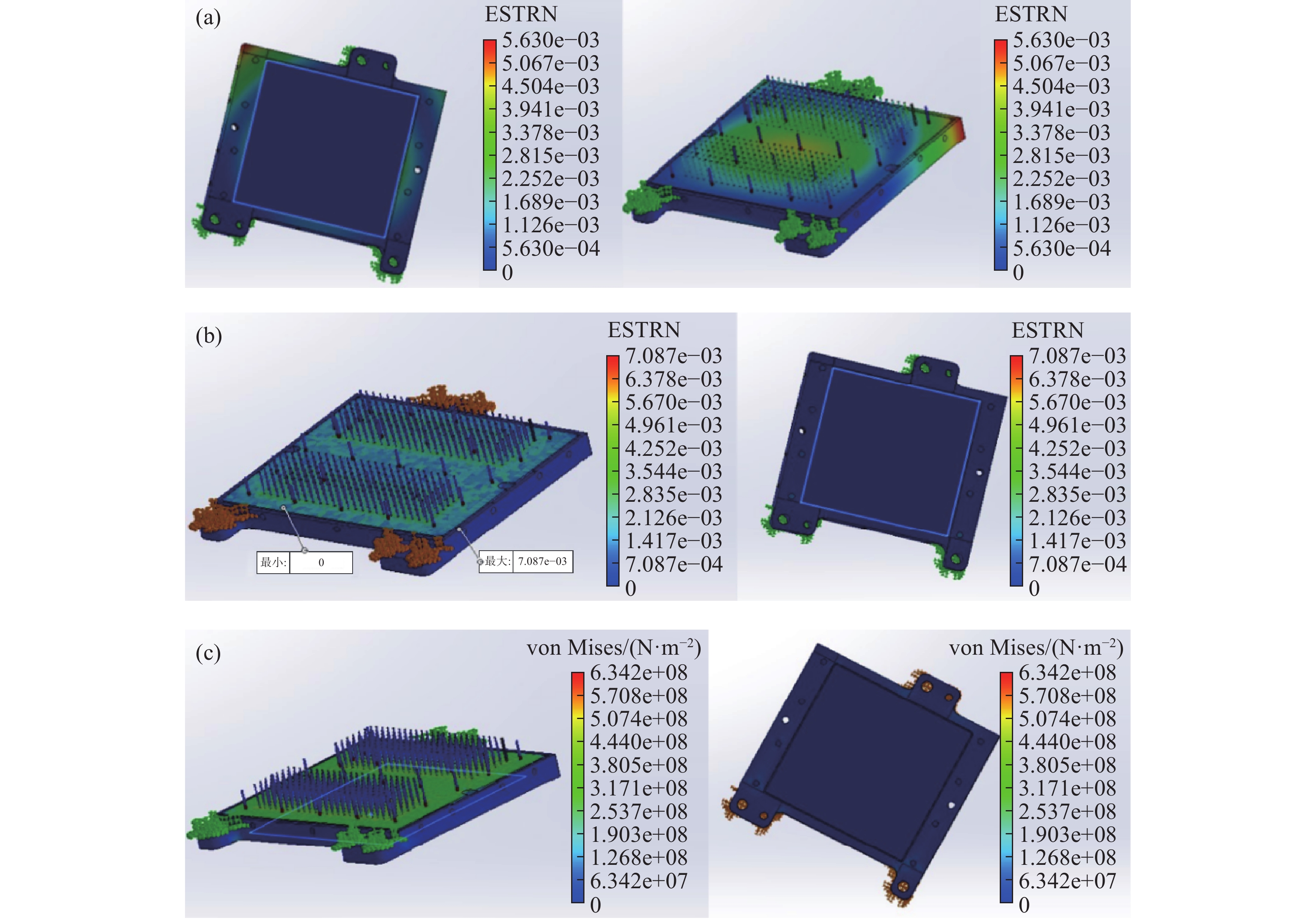
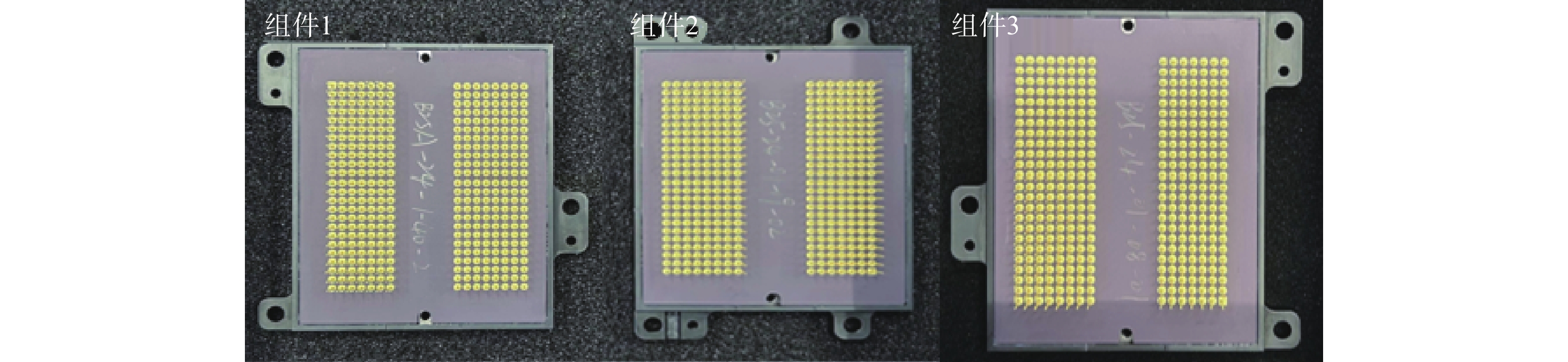
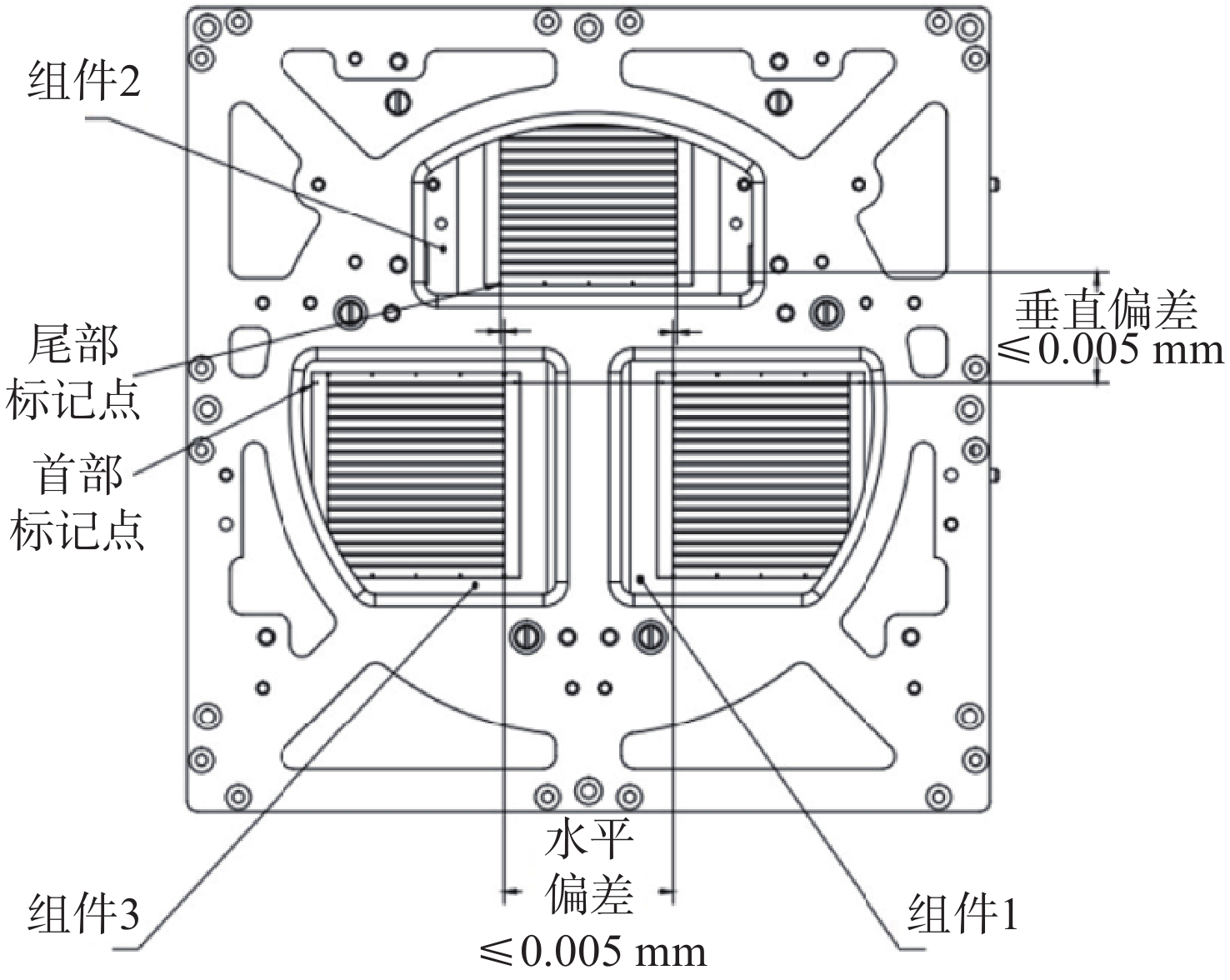
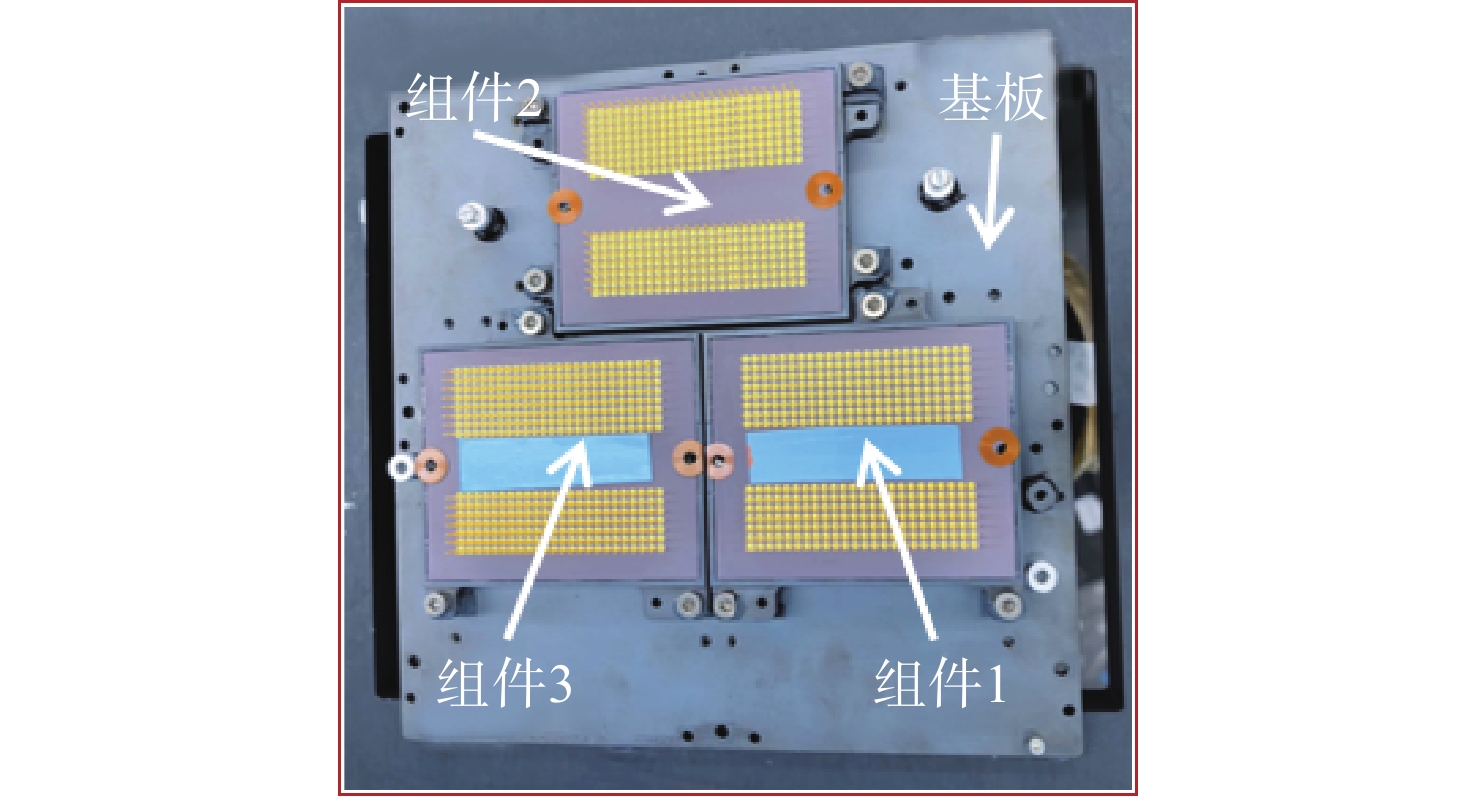
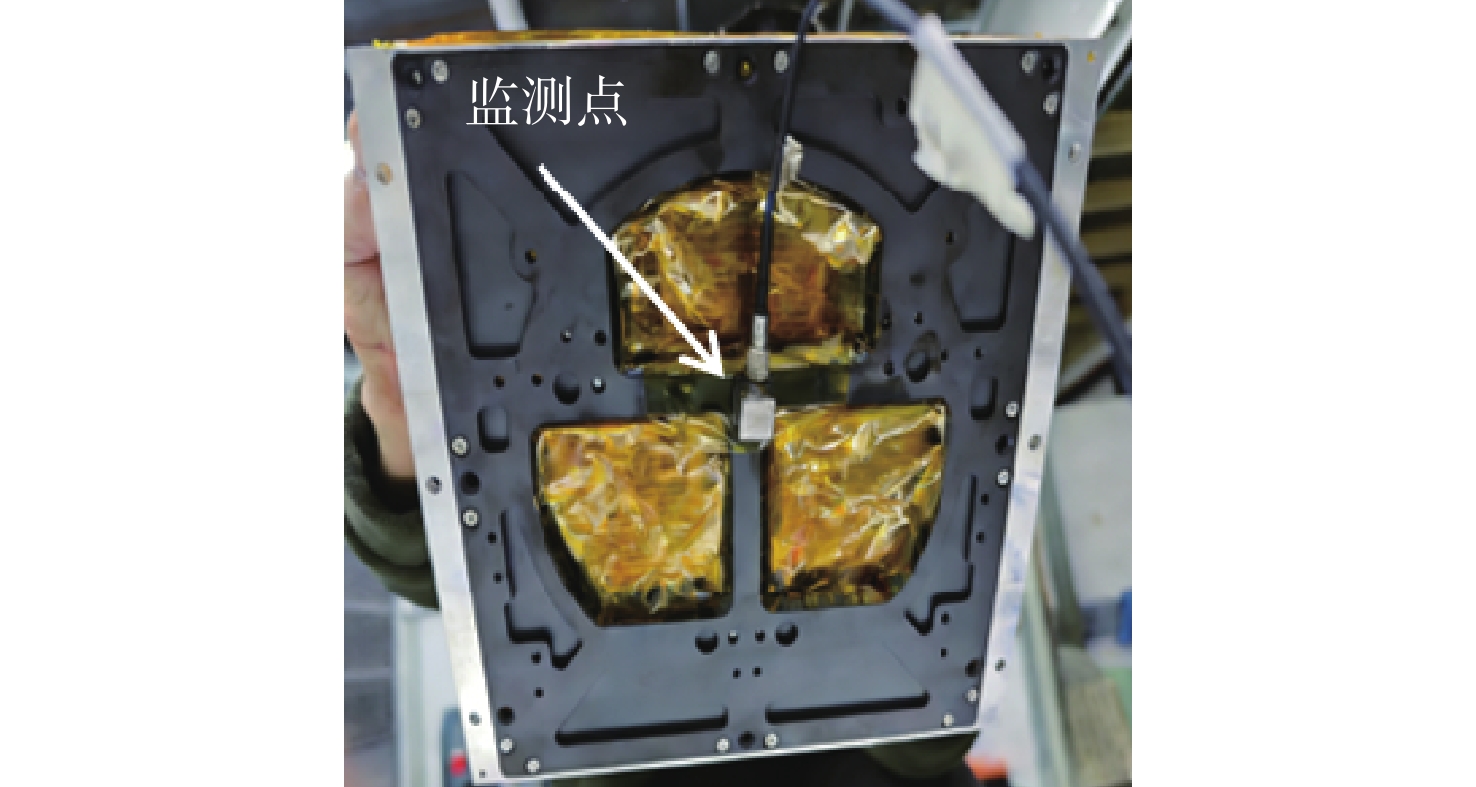
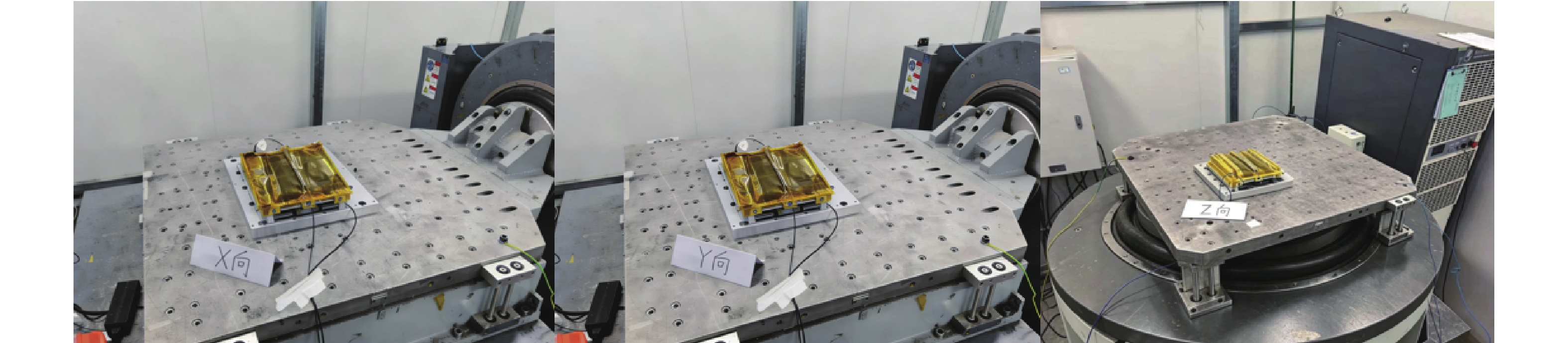
To meet the high-resolution imaging requirements of space-based optical payloads and address the challenge of ensuring reliable bonding between detectors and structural frames under extreme environmental conditions, this paper proposes a collaborative optimization scheme for the bonding of detector assemblies. Firstly, in accordance with the space environmental adaptability requirements of optical payloads, a systematic comparison of the core performance characteristics of commonly used adhesives was conducted. Epoxy resin was adopted as the primary bonding agent to ensure rigid and dependable attachment between the imaging unit and the support frame, while silicone rubber was employed to provide stress-buffering capability, forming a composite adhesion architecture. Subsequently, a multiphysics coupled simulation model was developed to investigate the influences of static mechanical loads and PCB soldering thermal conduction (200°C) on the stress, strain, and displacement of the photosensitive surface of the device while achieving quantitative control of adhesive. Finally, the reliability and stability of the scheme were verified through environmental testing. The results demonstrate that the closed-loop design effectively resolves the challenge of high-precision assembly. Pre- and post-test inspection using a coordinate measuring machine confirmed a coplanarity precision of 0.019 mm, a linearity precision of

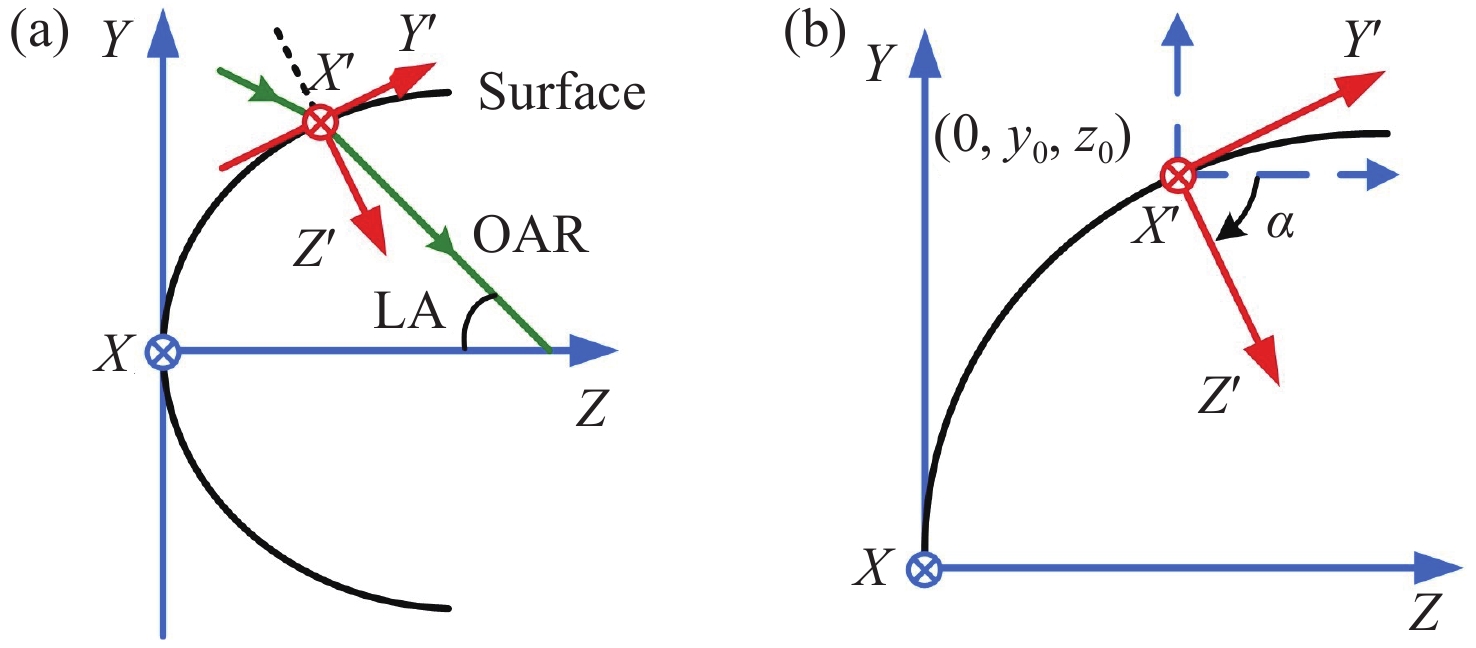
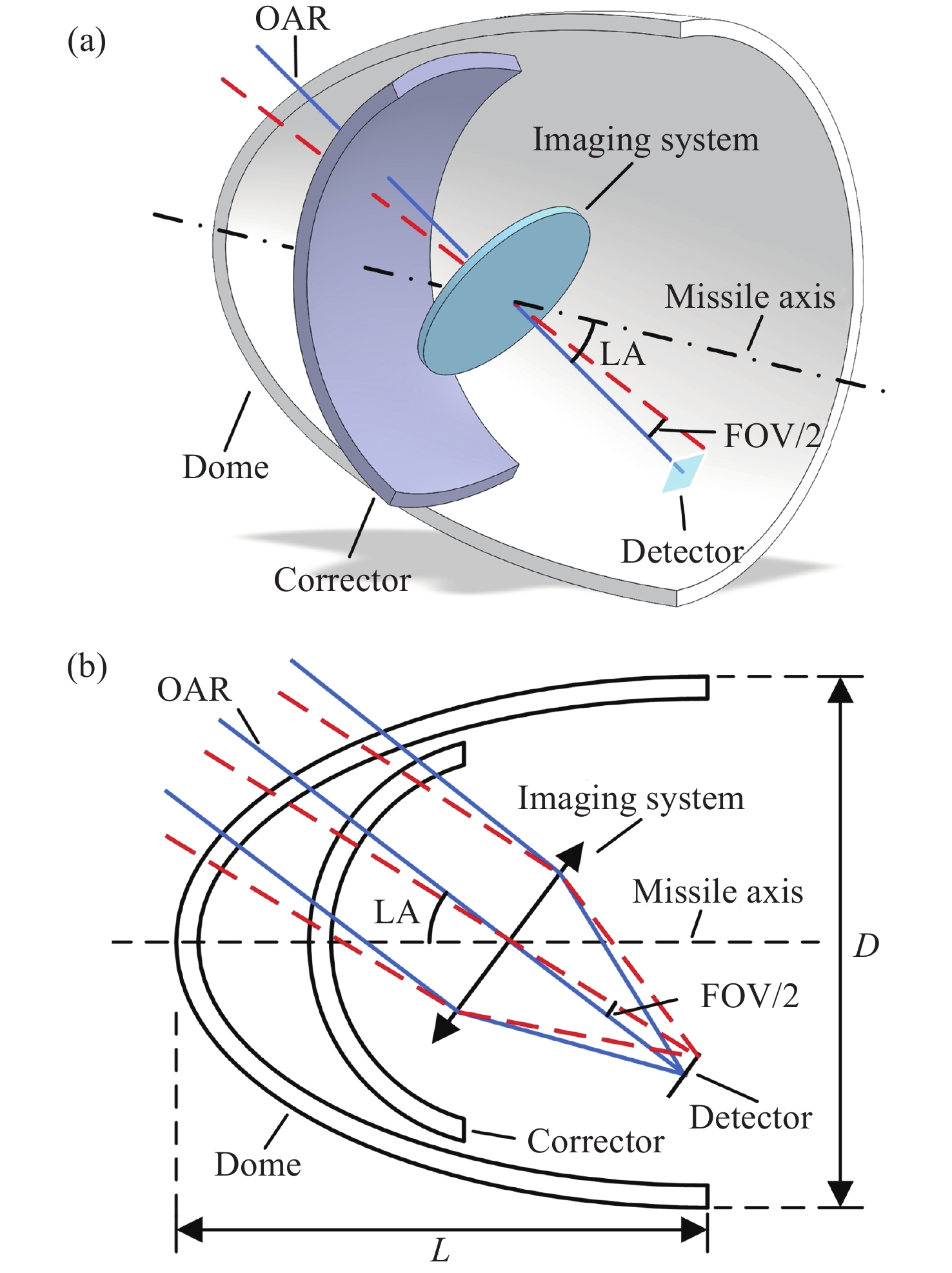
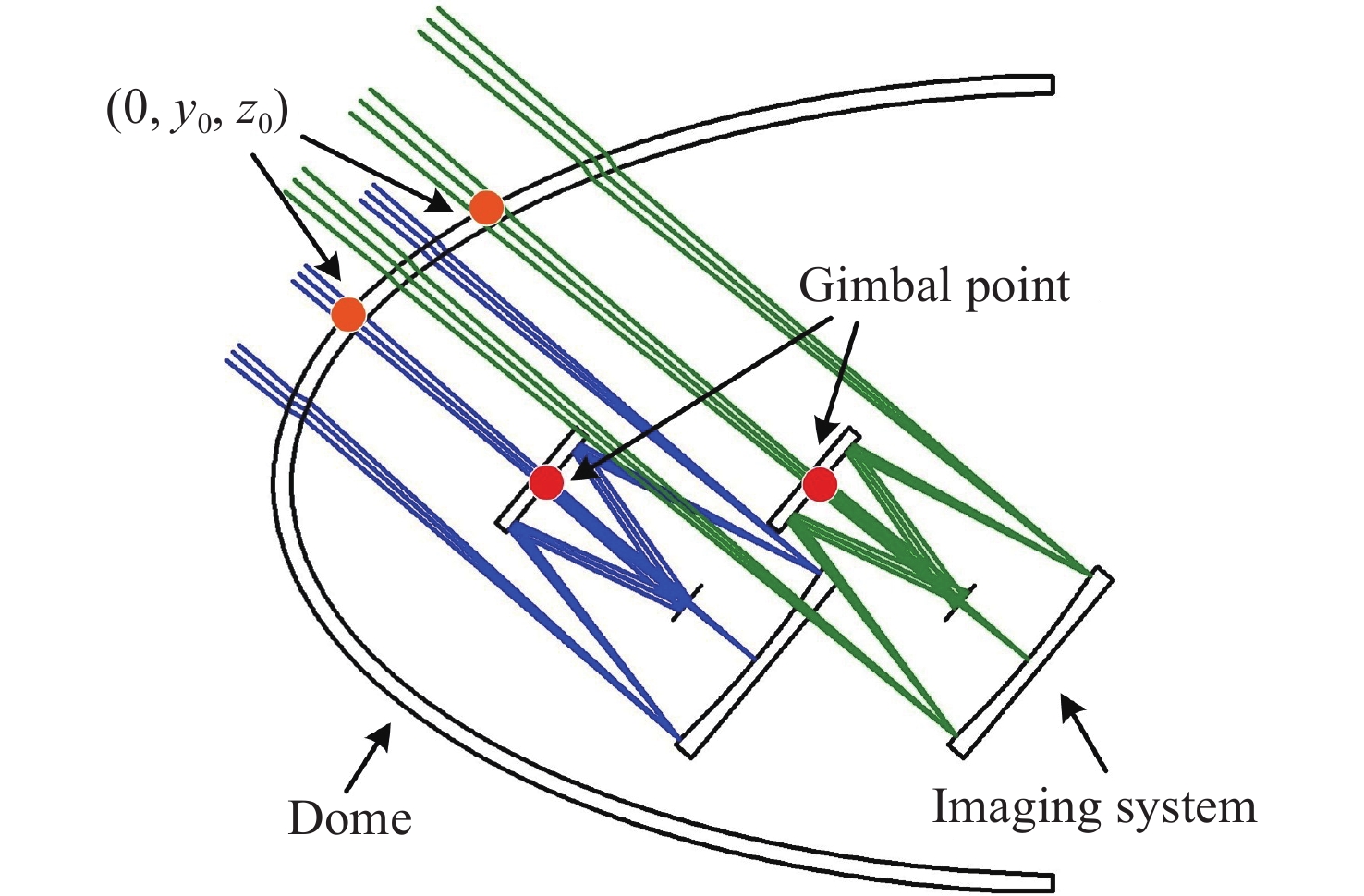
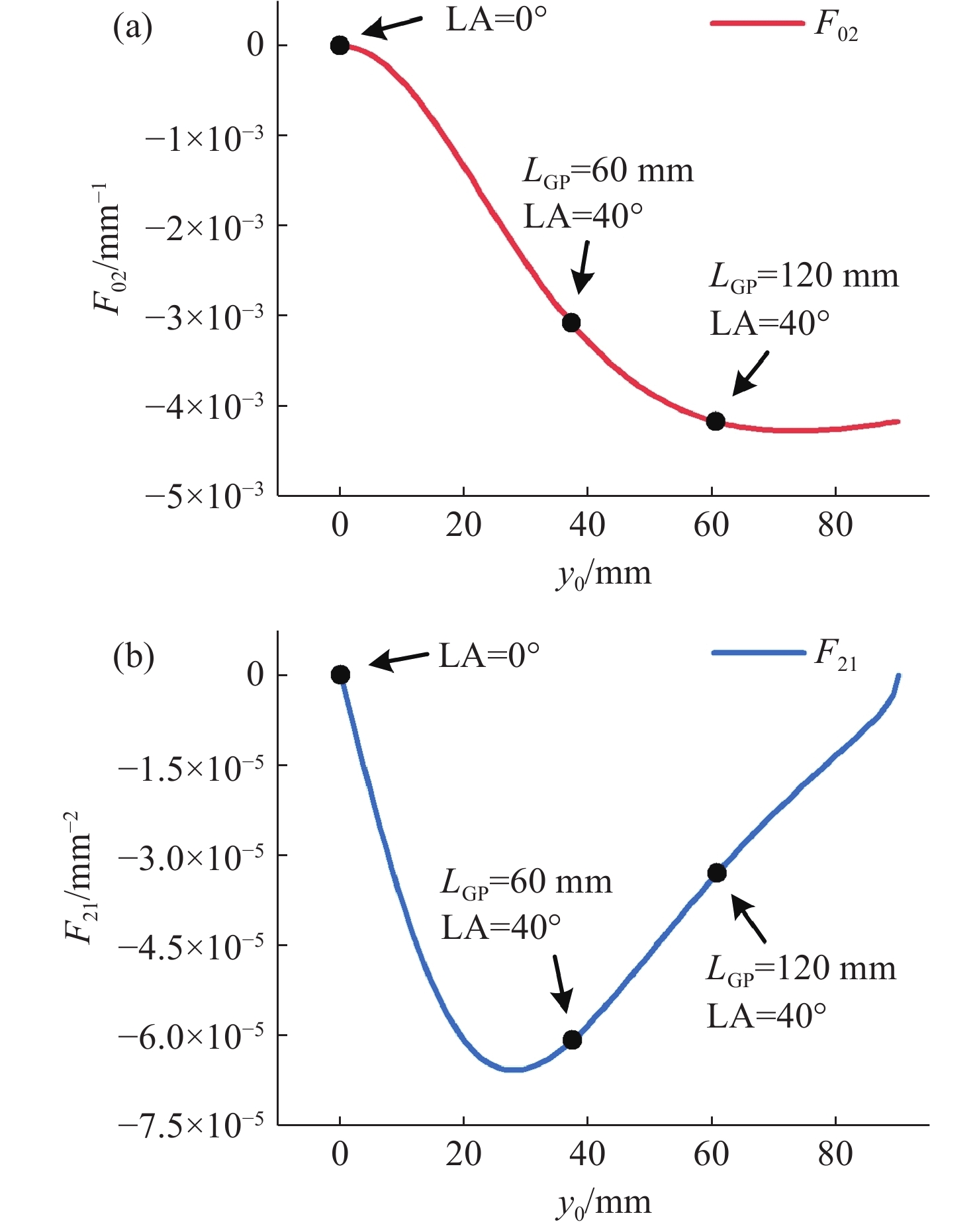
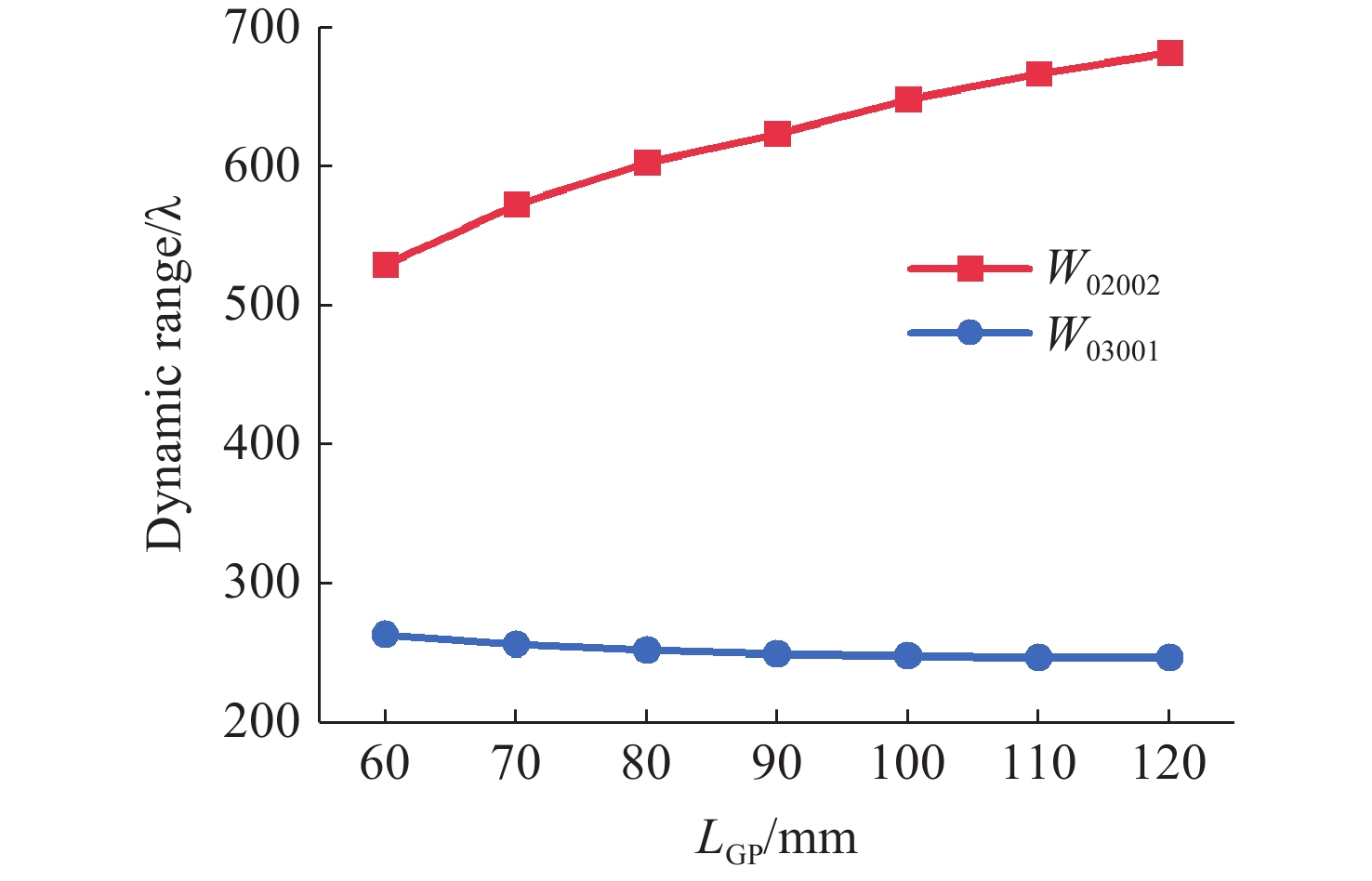
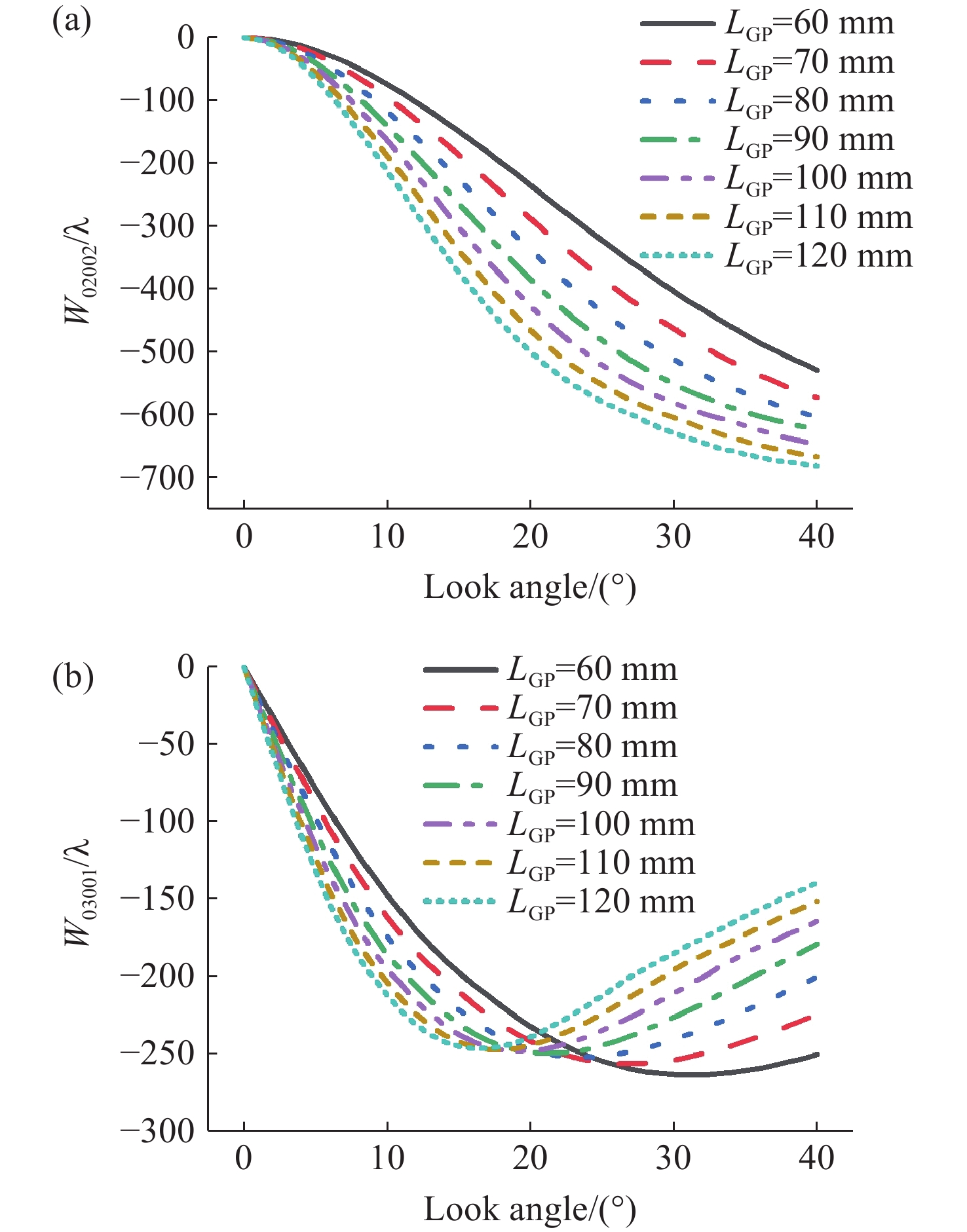
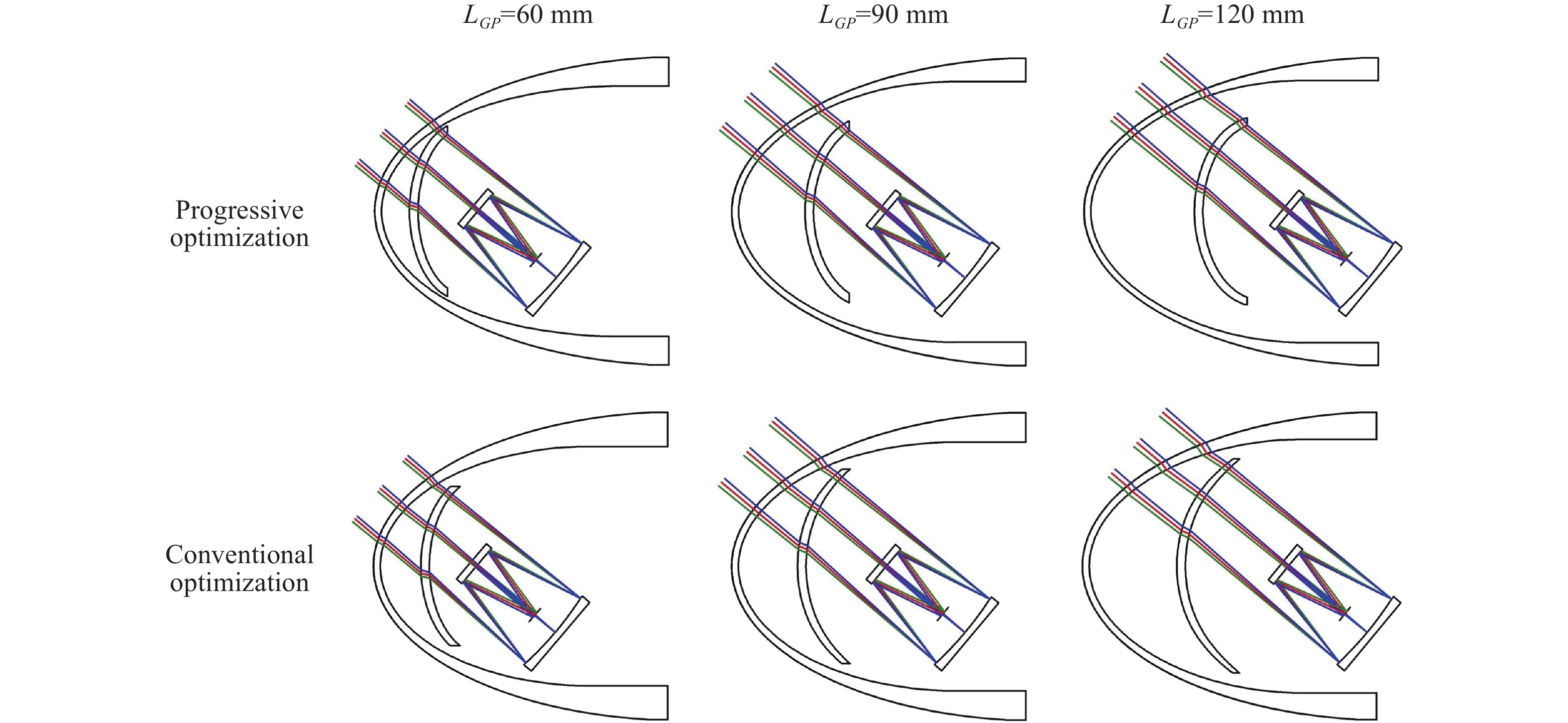
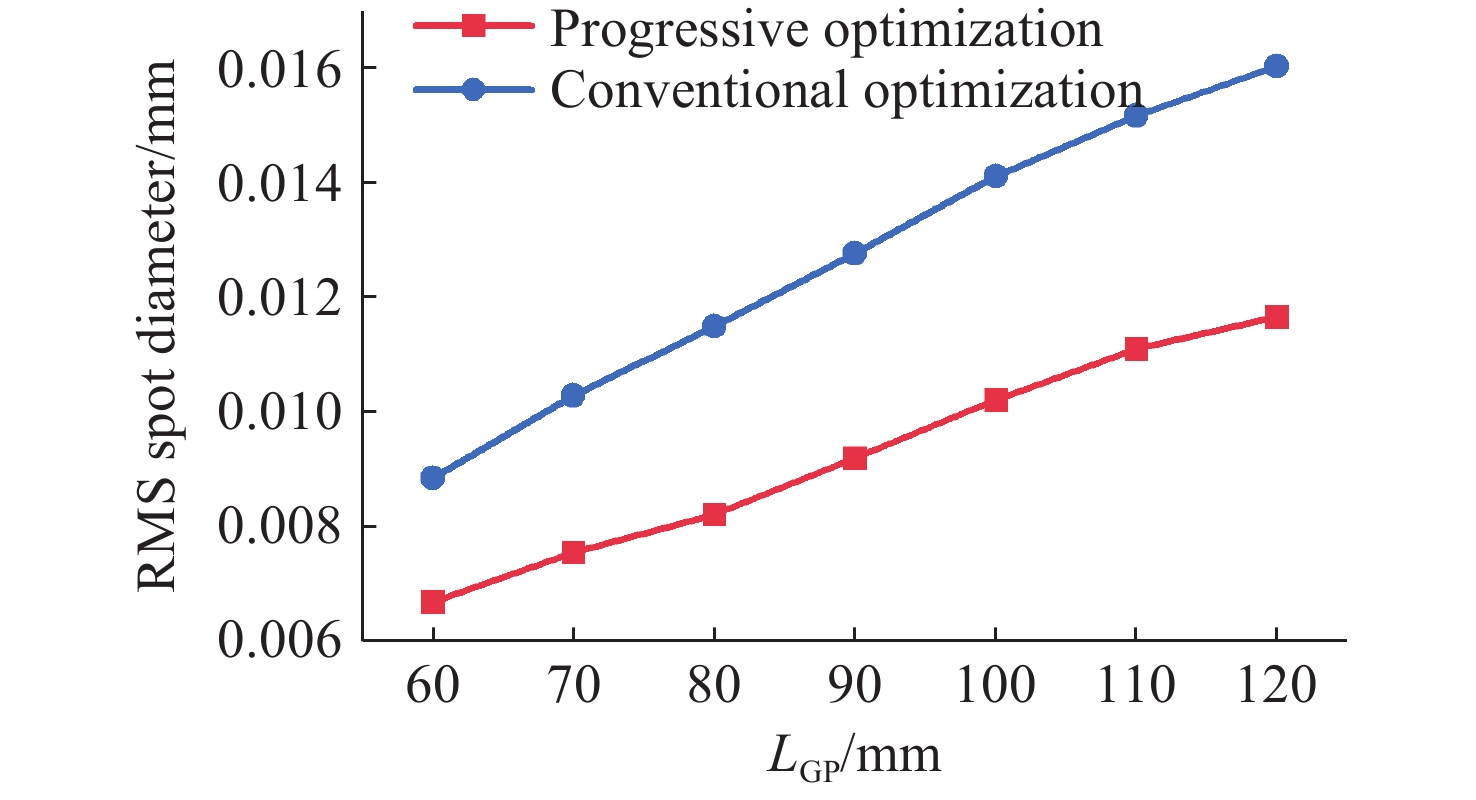
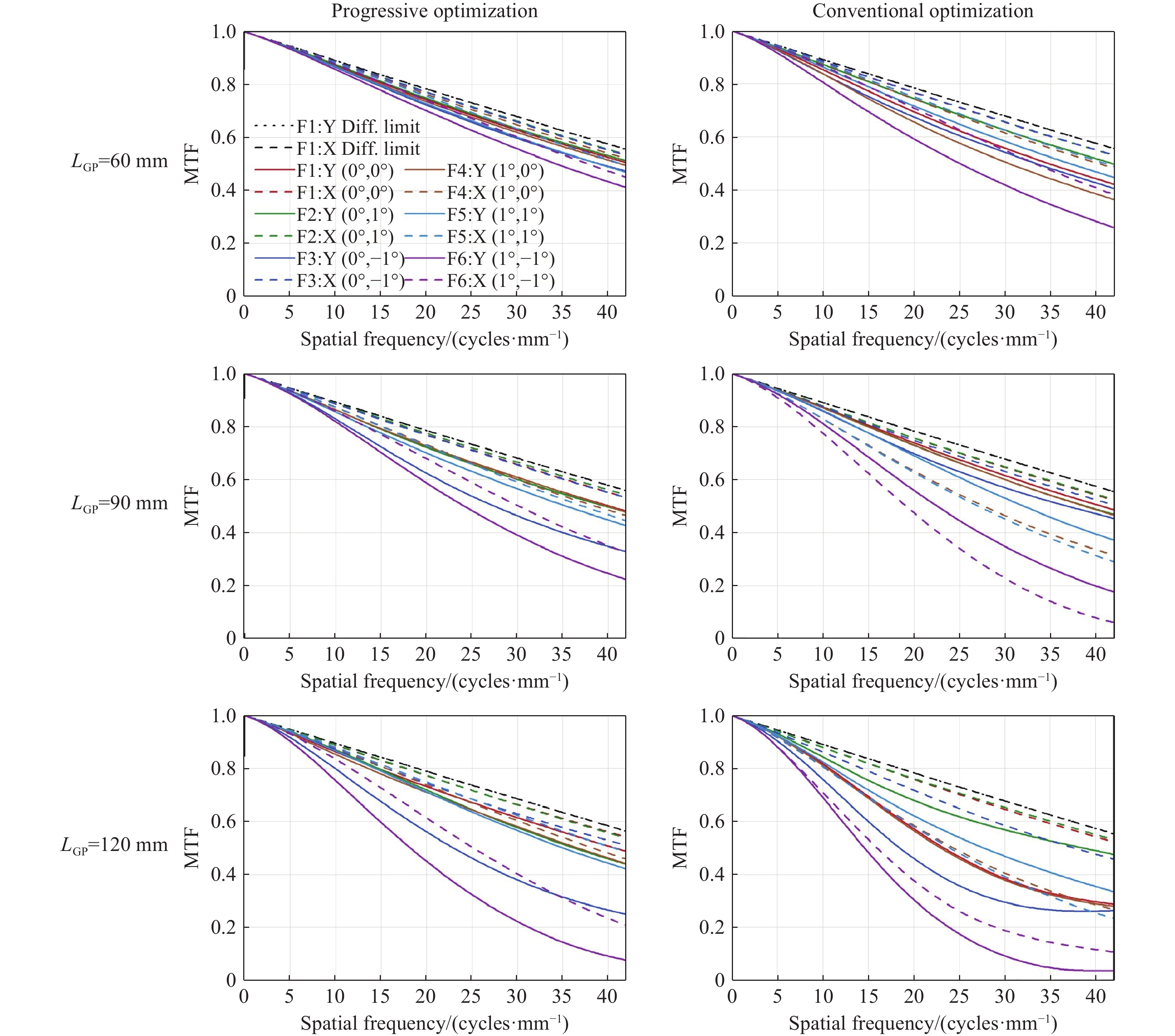
The design of conformal optical systems often suffers from insufficient theoretical guidance, resulting in repeated trial-and-error optimization. To address this, we introduce a design method based on aberration theory for plane-symmetric systems. By converting global surface parameters into local surface parameters, the aberration theory is generalized to conformal systems, enabling analytical calculation of each surface’s aberration contribution. Using this formulation, we propose a two-step design strategy. First, the optimal gimbal position is determined by minimizing the aberration contribution of the dome’s outer surface. Second, during arch-corrector optimization, freeform parameters associated with dominant aberrations are progressively introduced, and an aberration-coefficient-based merit function is employed. To validate the effectiveness of the proposed method, comparative designs of 14 conformal systems were completed for identical specifications across different gimbal positions and optimization approaches. Results demonstrate that the system designed using our method achieves a full-field modulation transfer function (MTF) exceeding 0.4 at a spatial frequency of 42 lp/mm, with imaging quality approaching the diffraction limit—representing a 2.4× improvement over conventional design methods. This approach provides systematic theoretical guidance for the design of high-performance conformal optical systems.
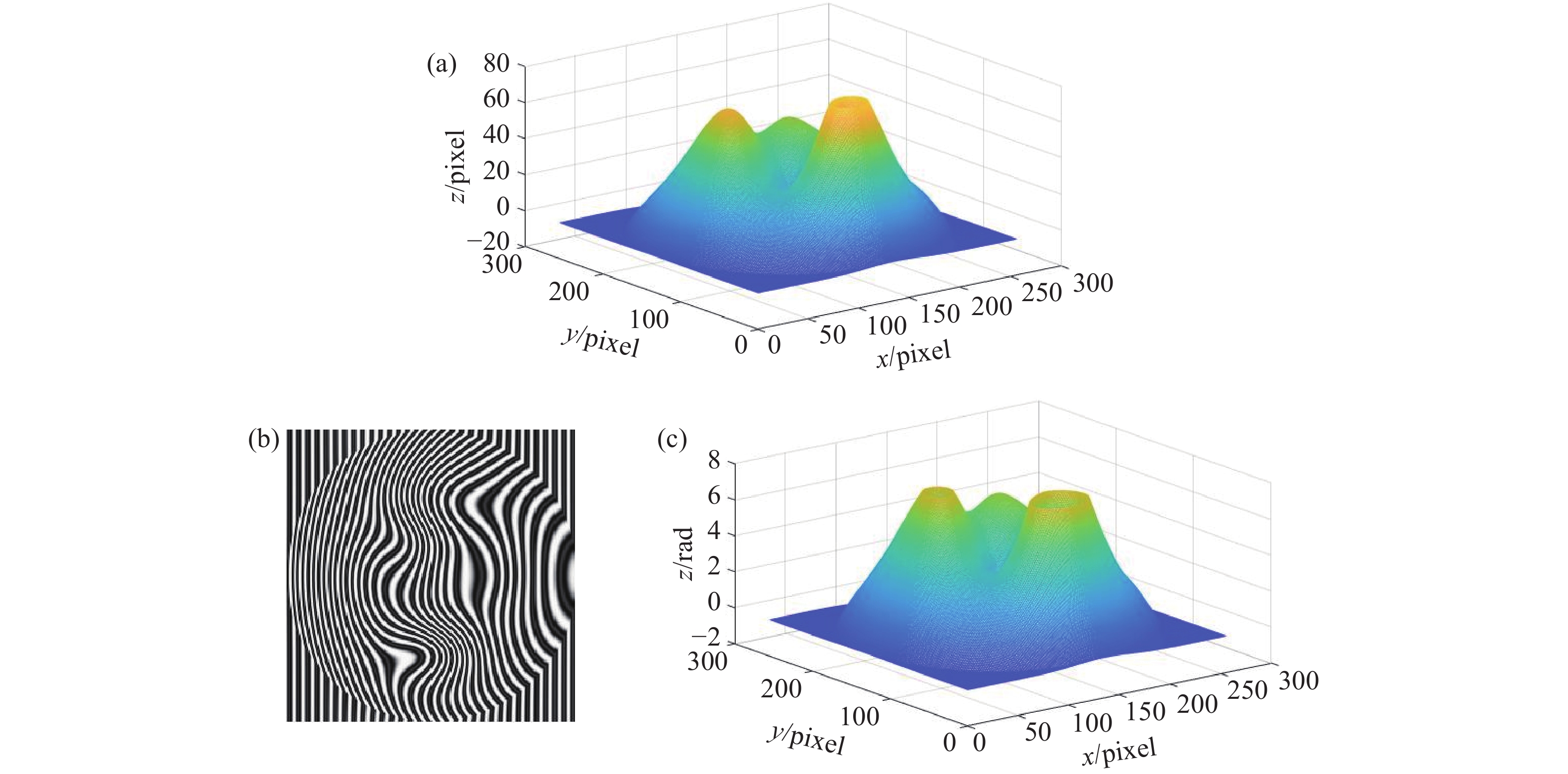
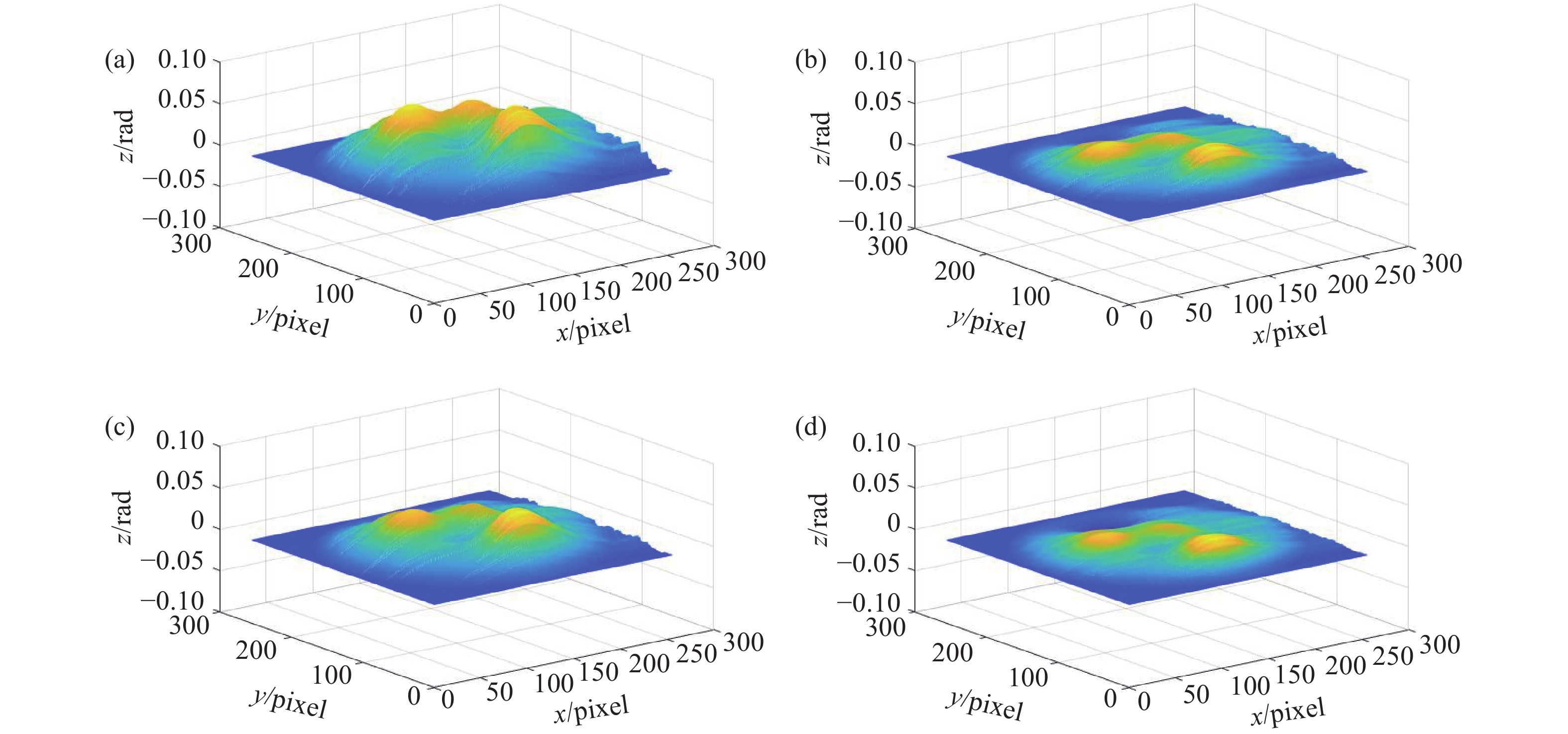
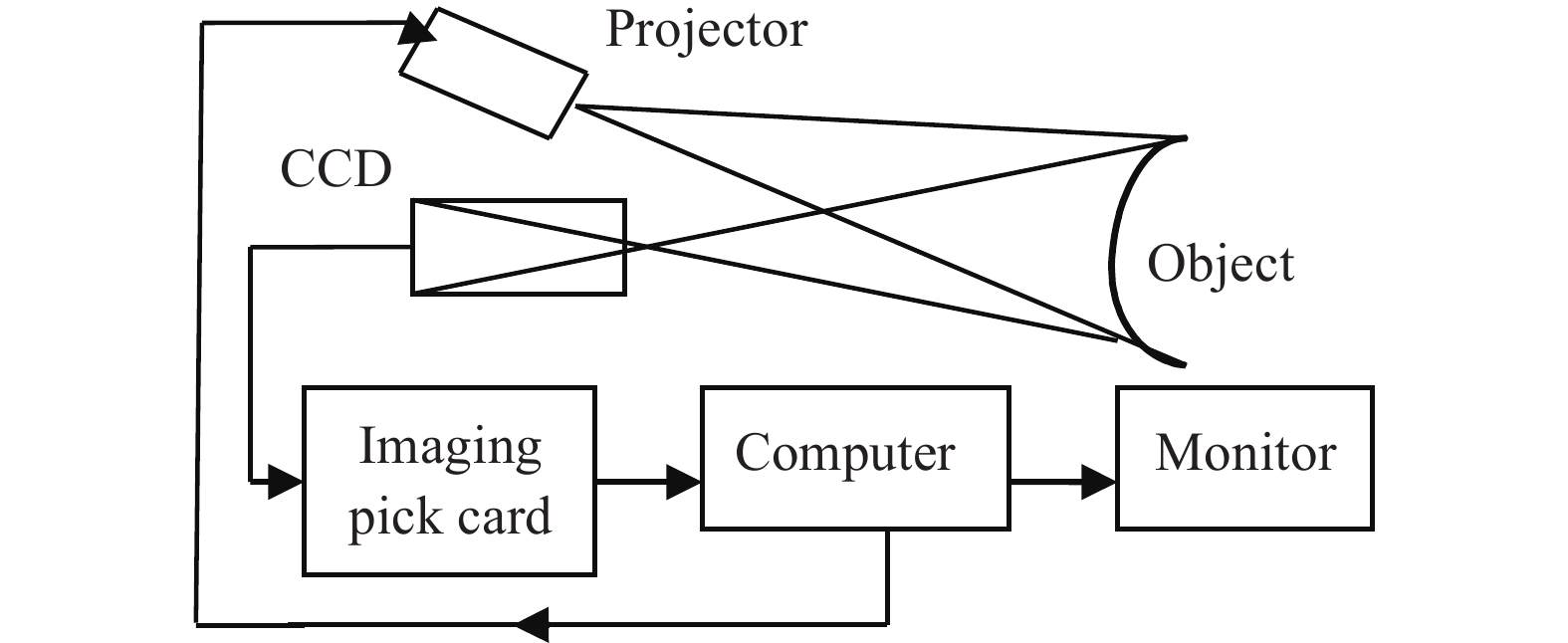
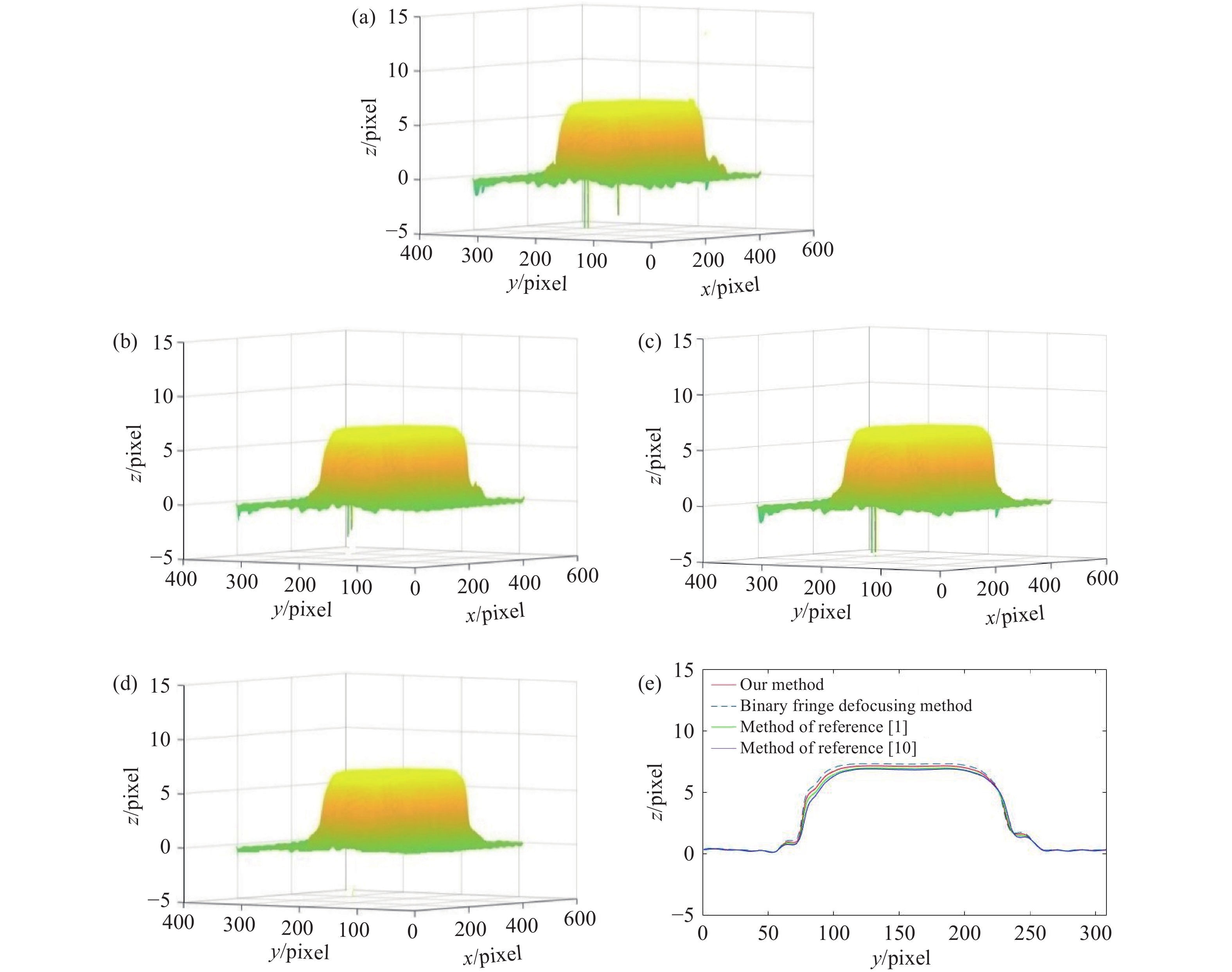
Due to the nonlinear effects produced by the actual defocusing projection system, which affect the accuracy of phase measurement, the phase error of binary fringe defocusing projection was studied. Based on the analysis of the current study status in the field, an expression for the intensity distribution of deformed fringe pattern signal in nonlinear systems is given, and the reasons for both high-order spectra components occurrence and their mixing with the fundamental frequency components, resulting in spectra overlapping, are analyzed. Defocus the projector to remove the higher-order harmonic components in the spectra domain and filter out one of the fundamental frequency components. An inverse Fourier transform was then performed on the spectra to obtain the expression of fringe intensity in the spatial domain. The continuous phase containing continuous signals was obtained using the phase-shift algorithm and phase unwrapping, and the expression for phase error after unwrapping in actual measurement systems was derived. The correct analysis of the basic principles has been verified through simulation and experiments. The simulation results indicate that the errors value obtained by the method mentioned in this paper are 34.51% for the binary fringe defocusing method, 44.83% for sampling method of Ref. [1], and 67.83% for method of self-correction method of Ref. [10], respectively. The experiment results indicate that the phase recovered by using our method has good effects, and the corresponding phase error is relatively small.
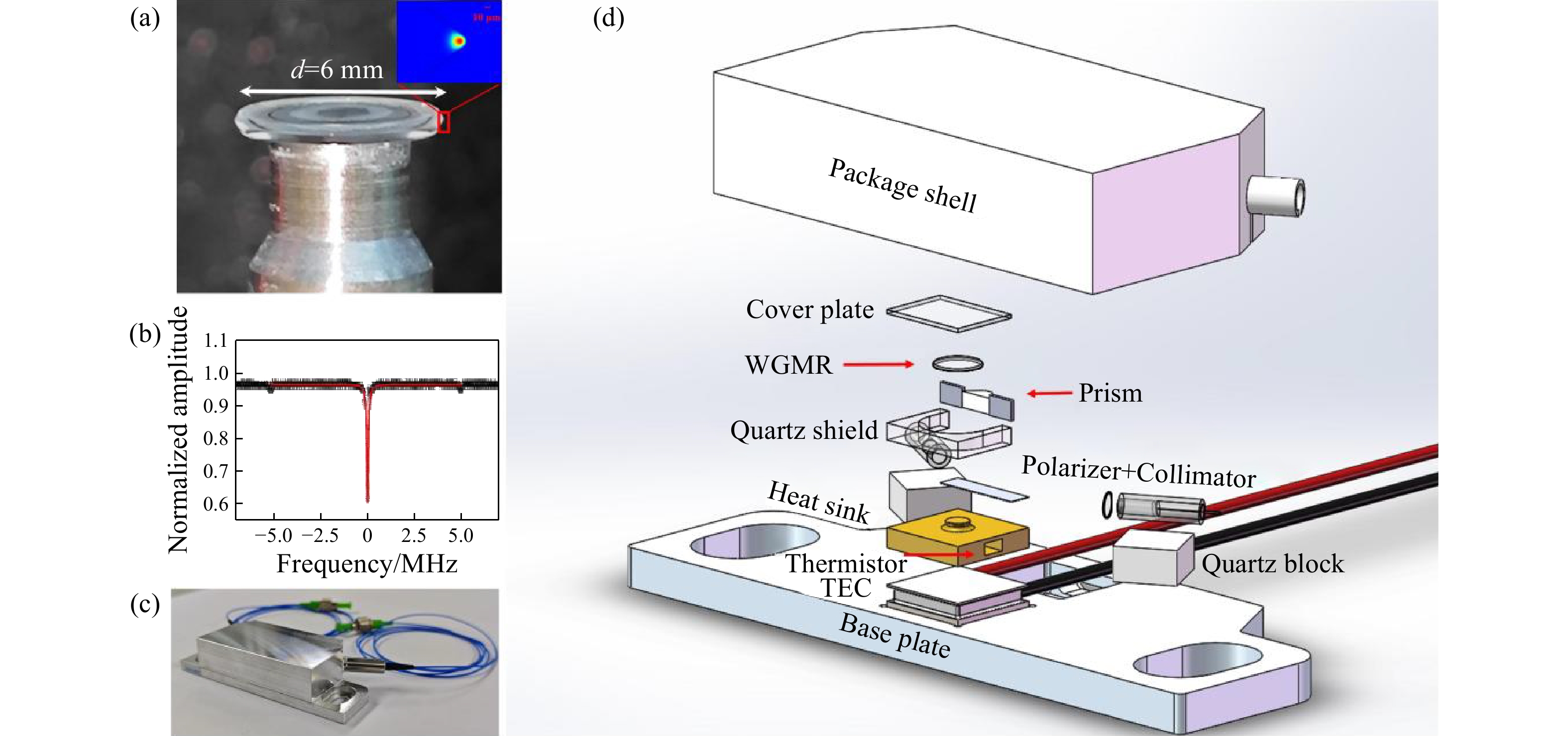
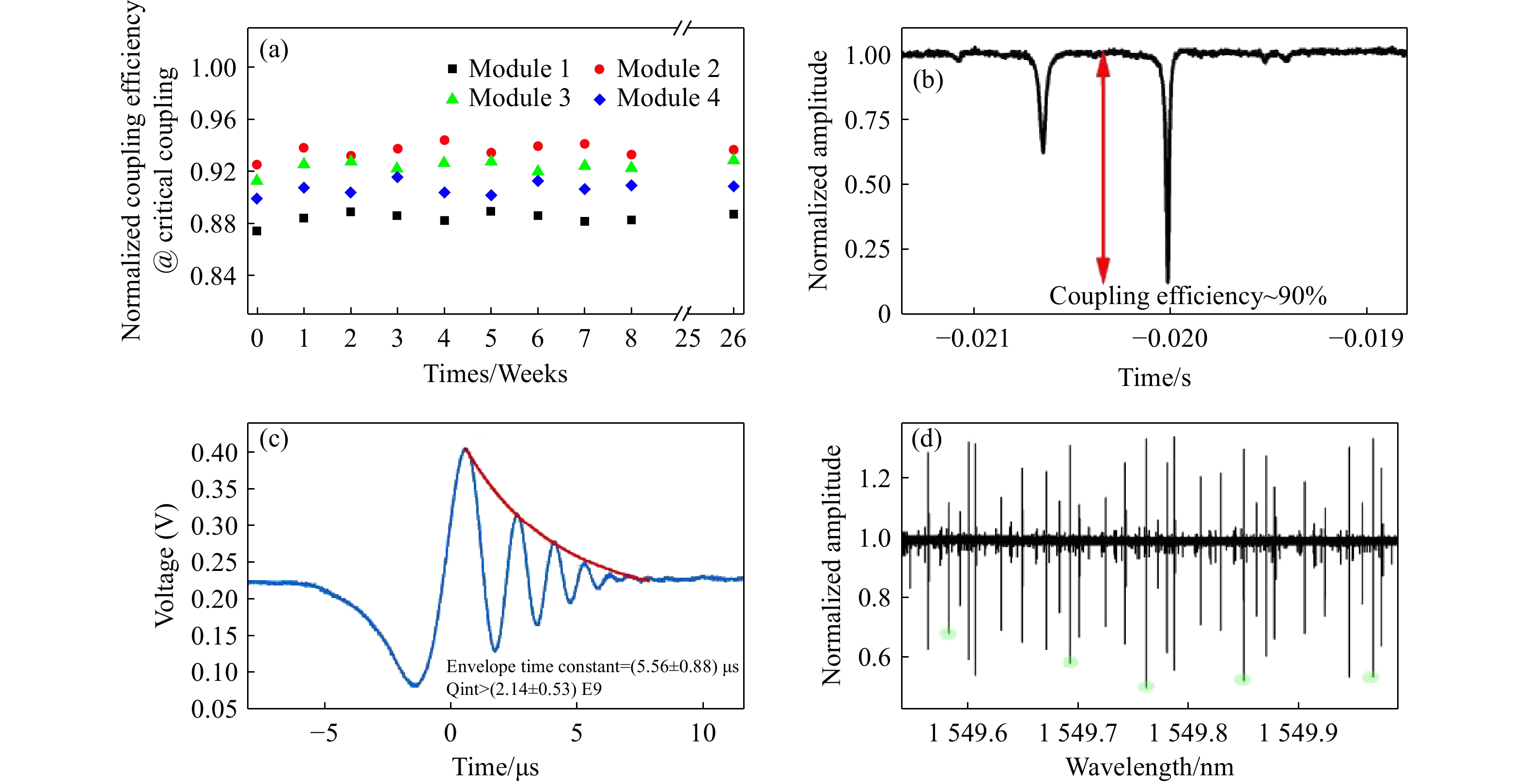
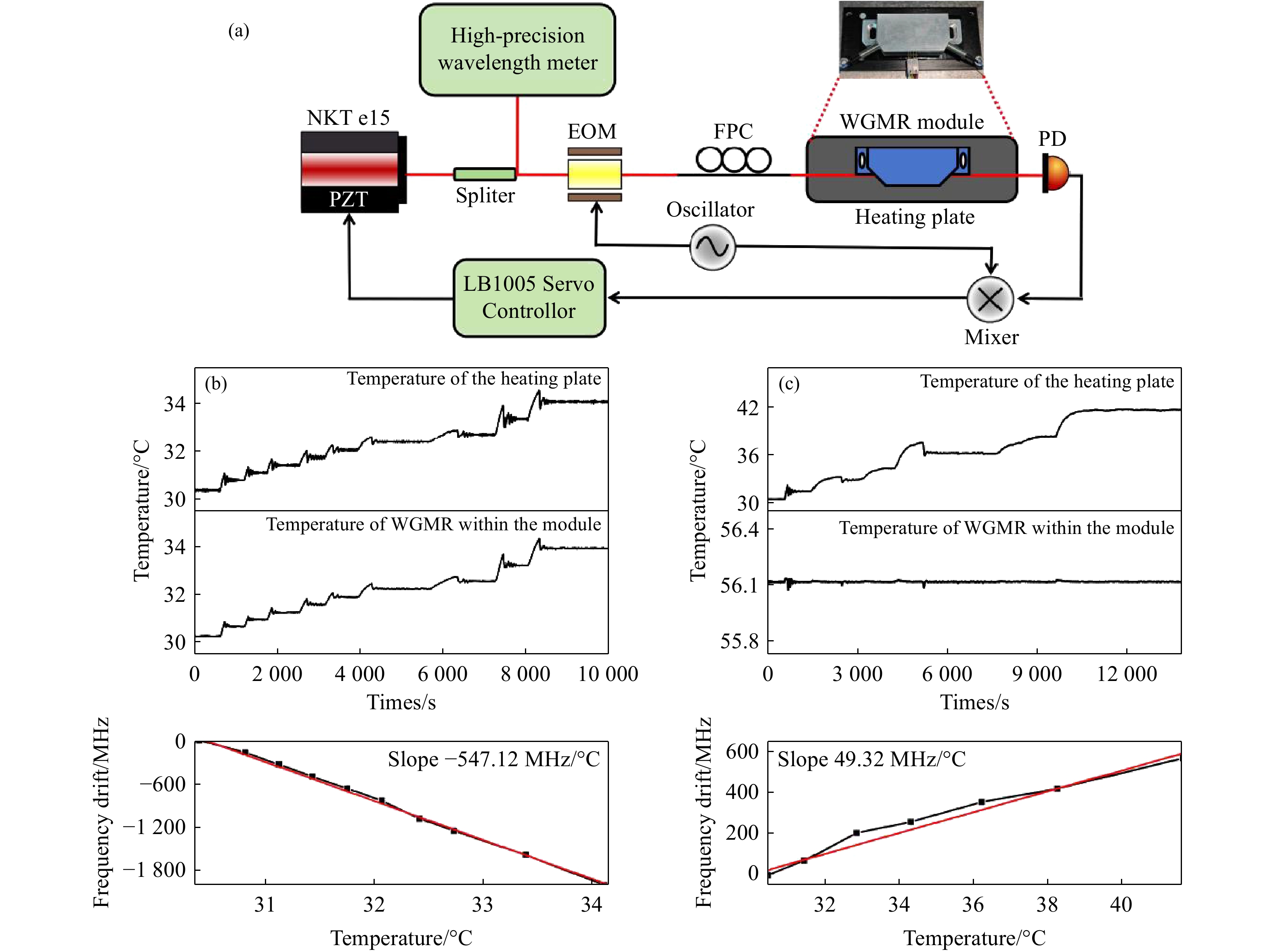
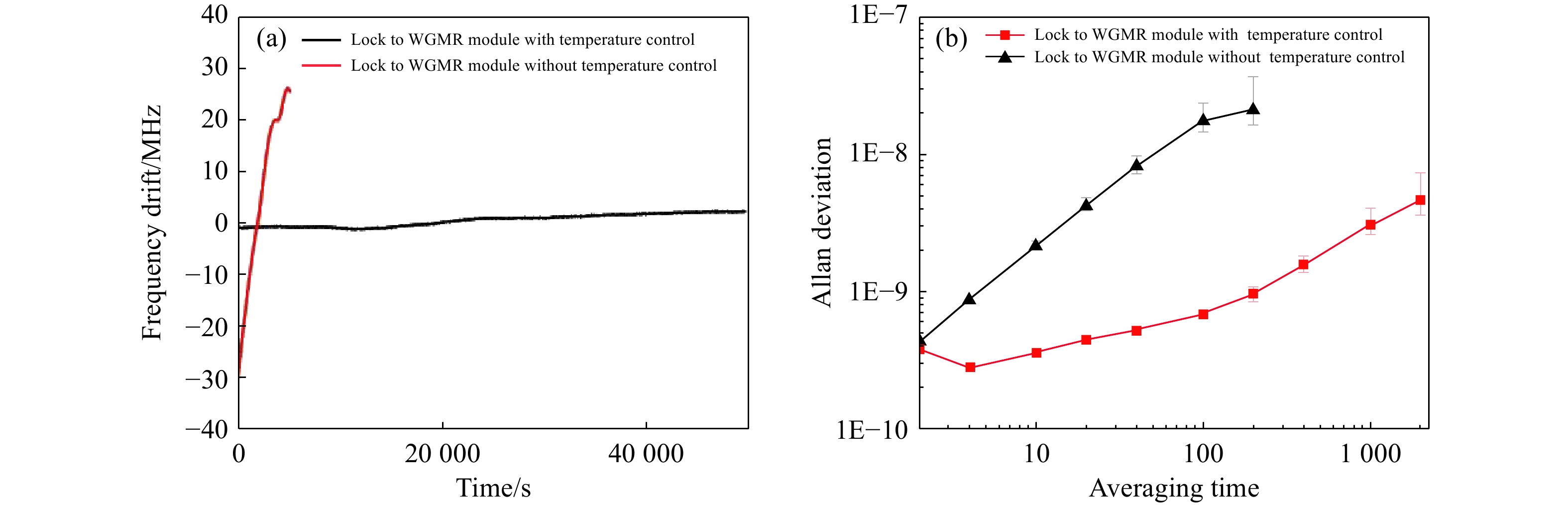
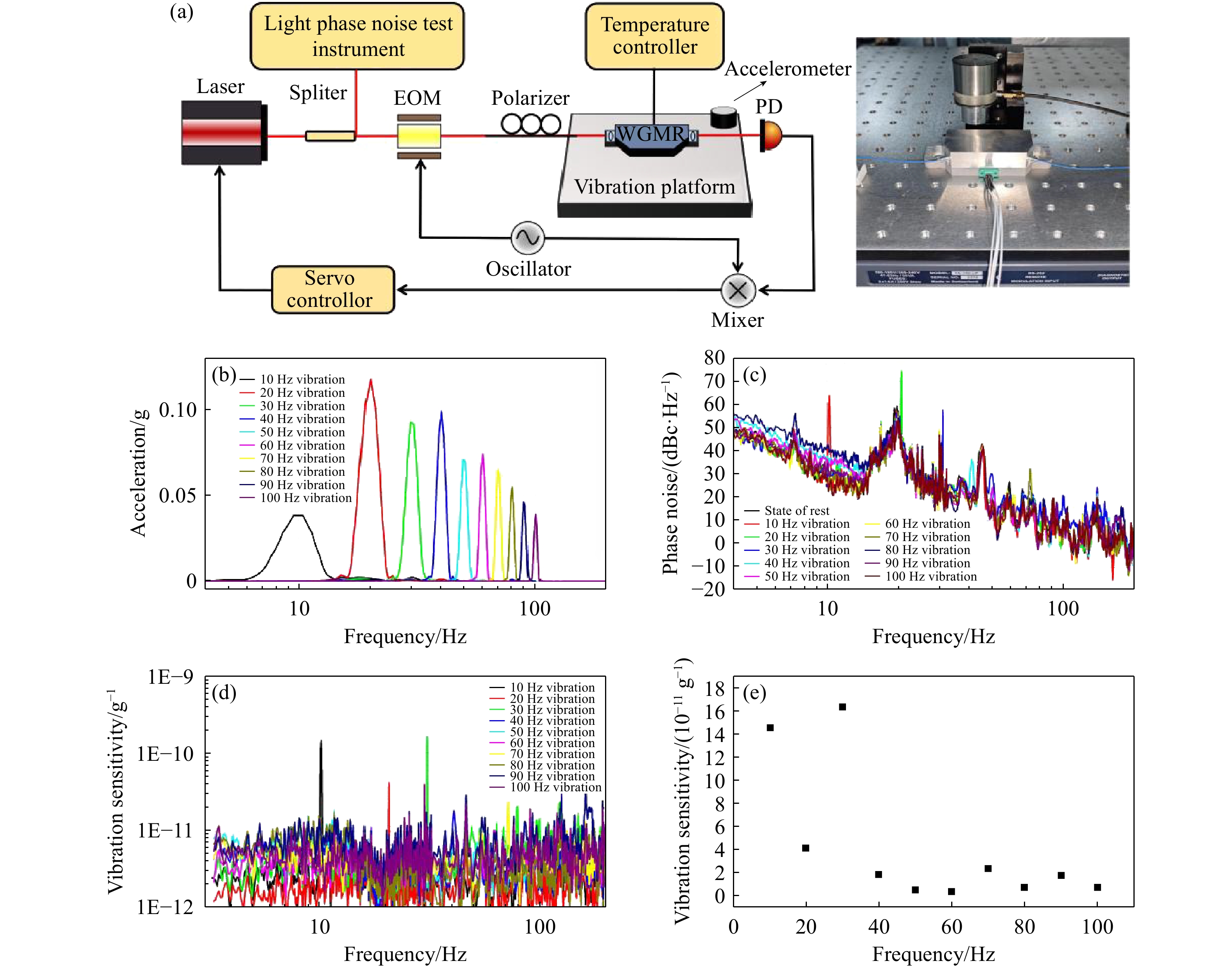
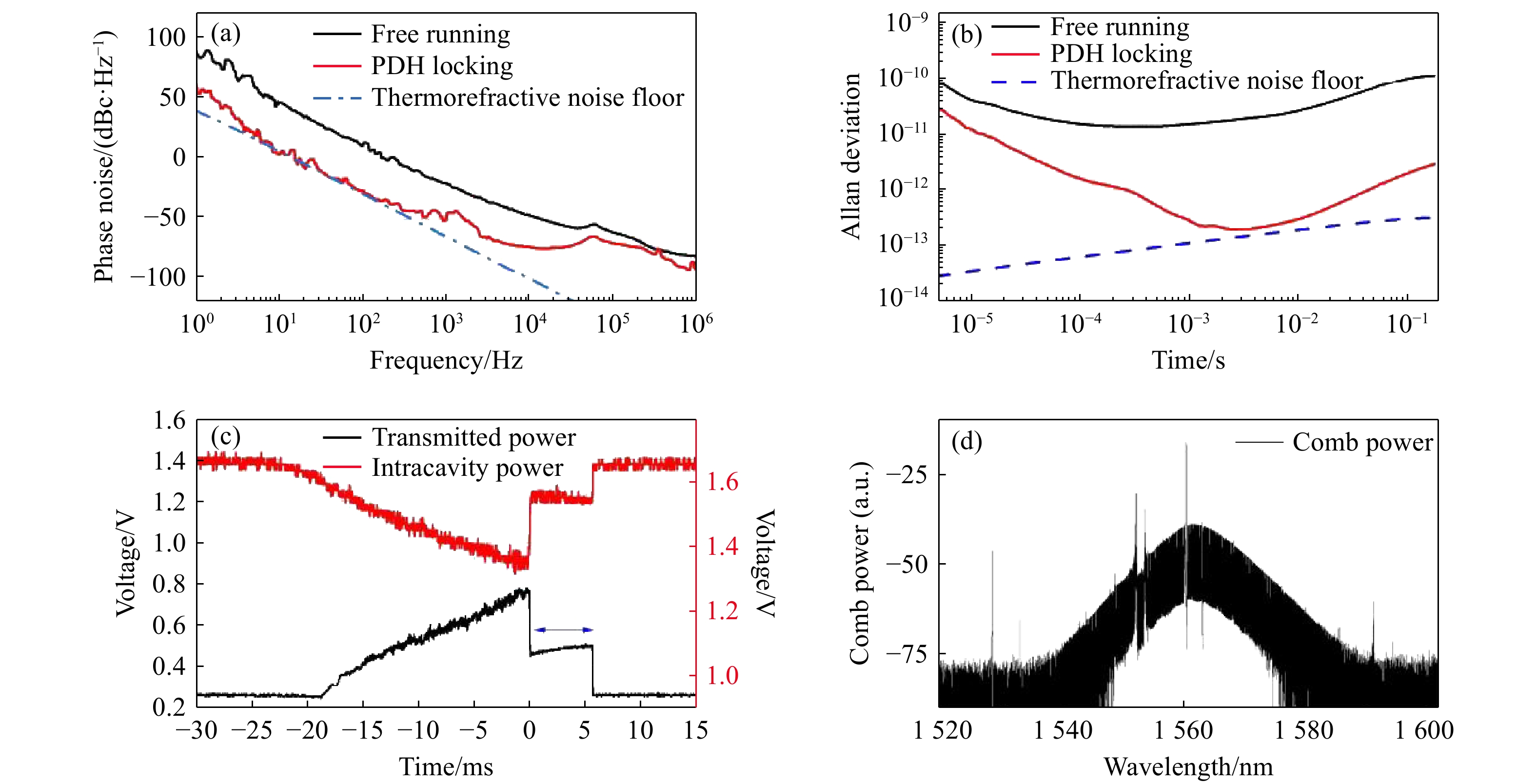
We presents a novel prism-coupled packaging strategy for whispering gallery mode resonators (WGMRs). Utilizing an all-solid-state optical adhesive process combined with active temperature control and hermetic sealing, the proposed package scheme exhibits exceptional long-term stability and environmental robustness. The standalone WGMR module was fully characterized, demonstrating a temperature sensitivity below 10−7/°C and a low-frequency Z-axis acceleration sensitivity below 10−10/g. Furthermore, the application of this module was explored as a stable optical frequency reference and a nonlinear photonic platform, achieving a short-term frequency stability of 2×10⁻¹³ at 2 ms and generating Kerr soliton microcombs with a pump power of 100 mW. This compact, robust, and stable packaging solution significantly enhances the immediate applicability of WGMRs in real-world applications such as narrow-linewidth lasers and portable microcombs, thereby facilitating the transition of WGMR technology from laboratory research to practical deployment.
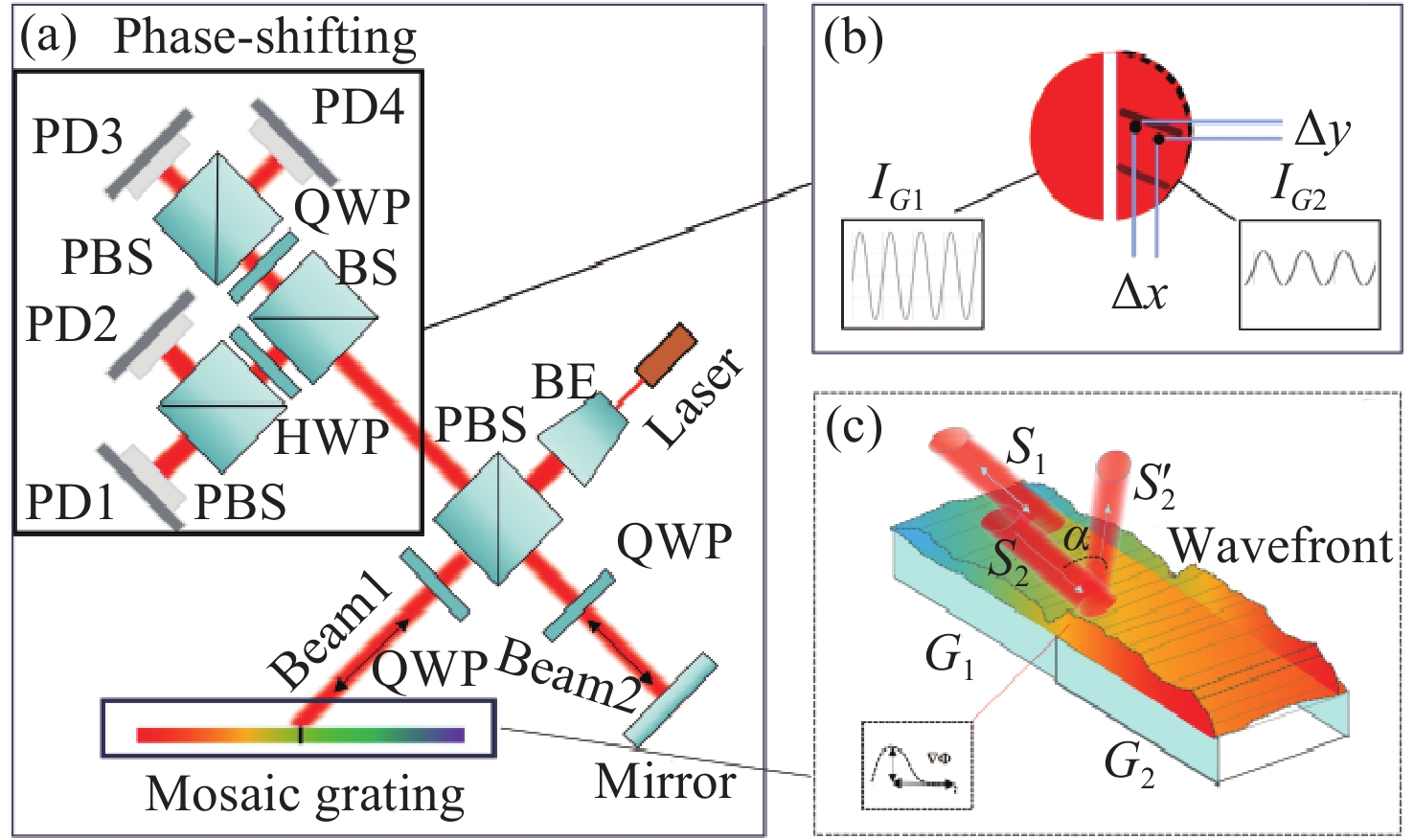
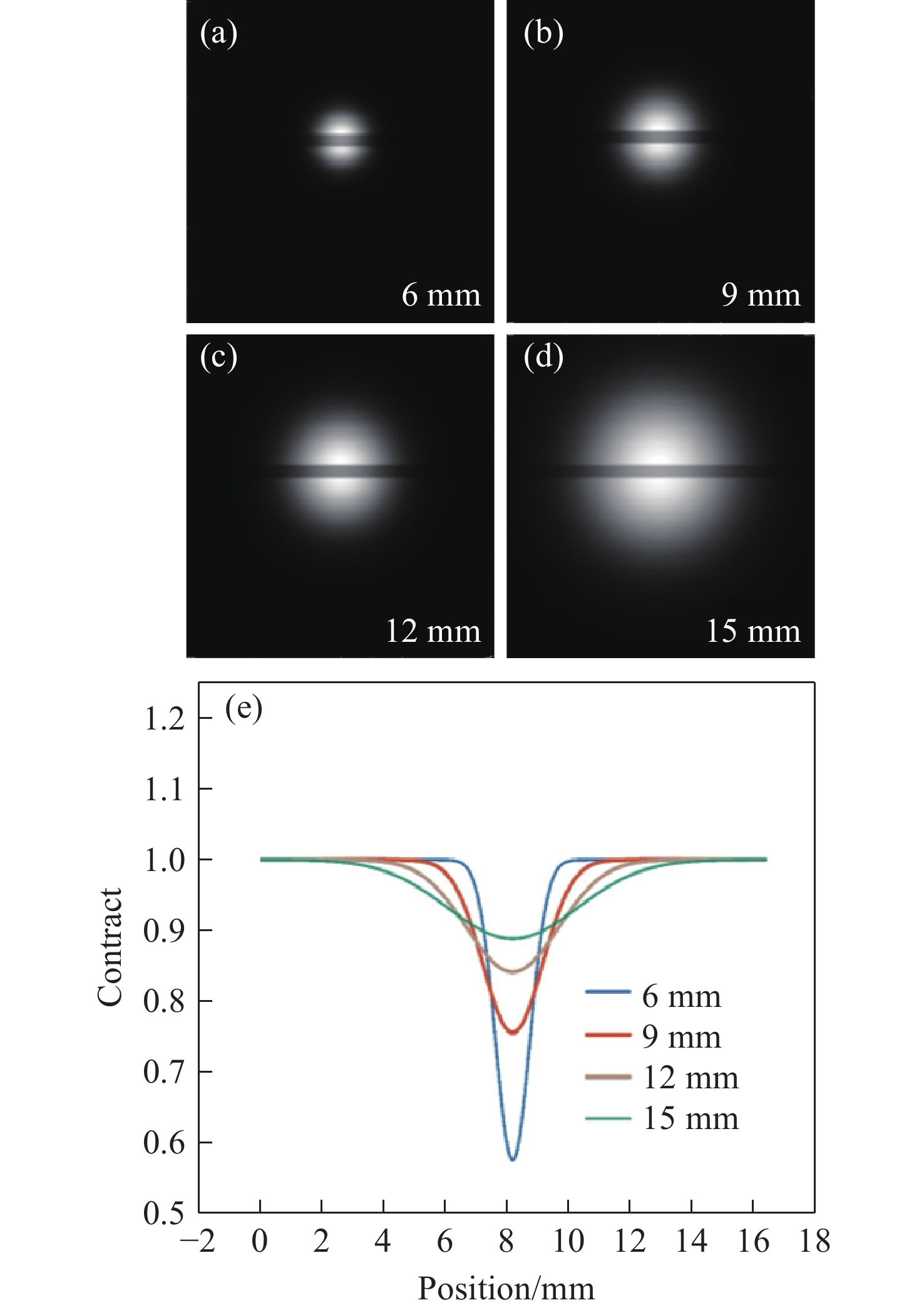
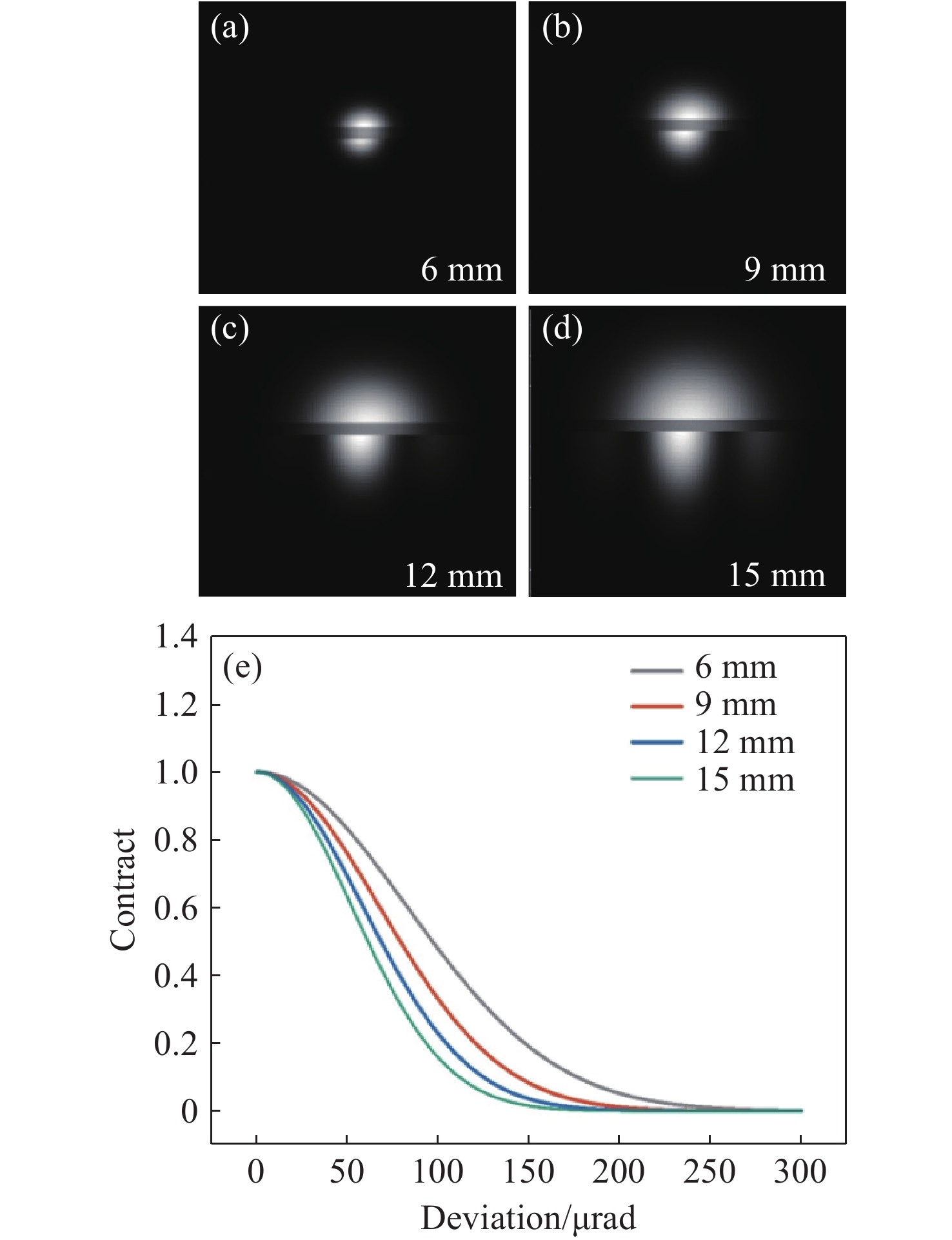
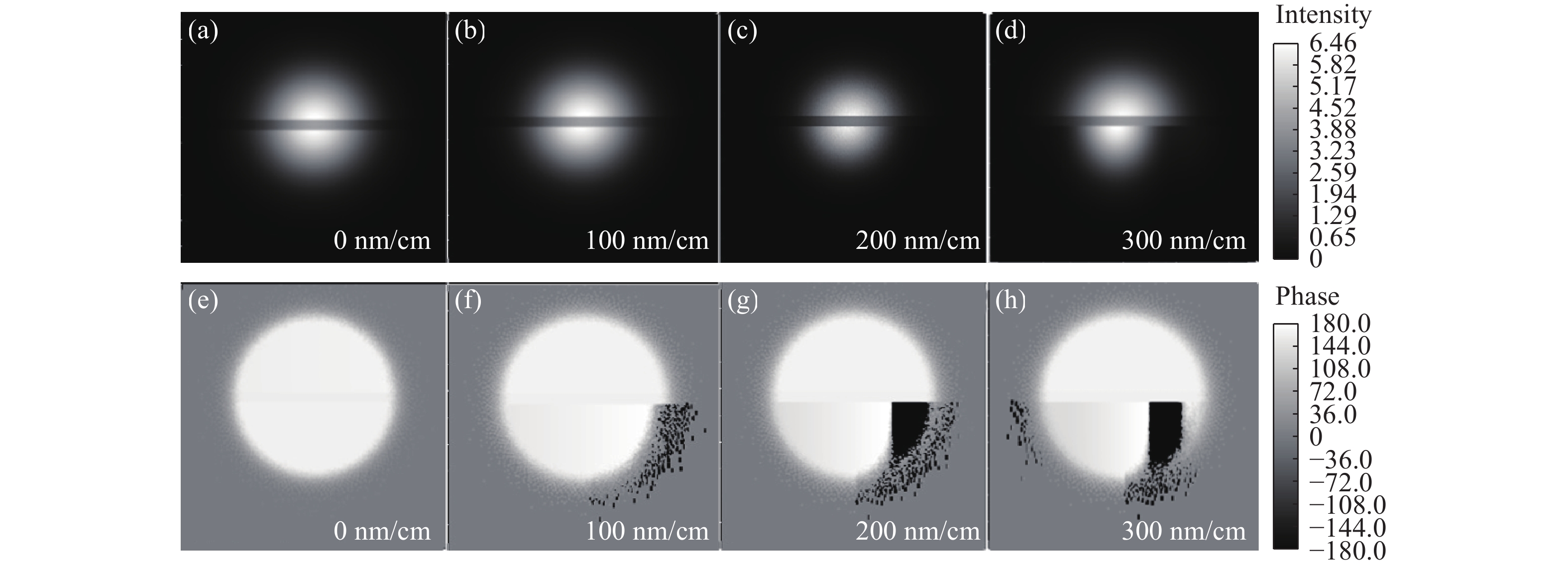
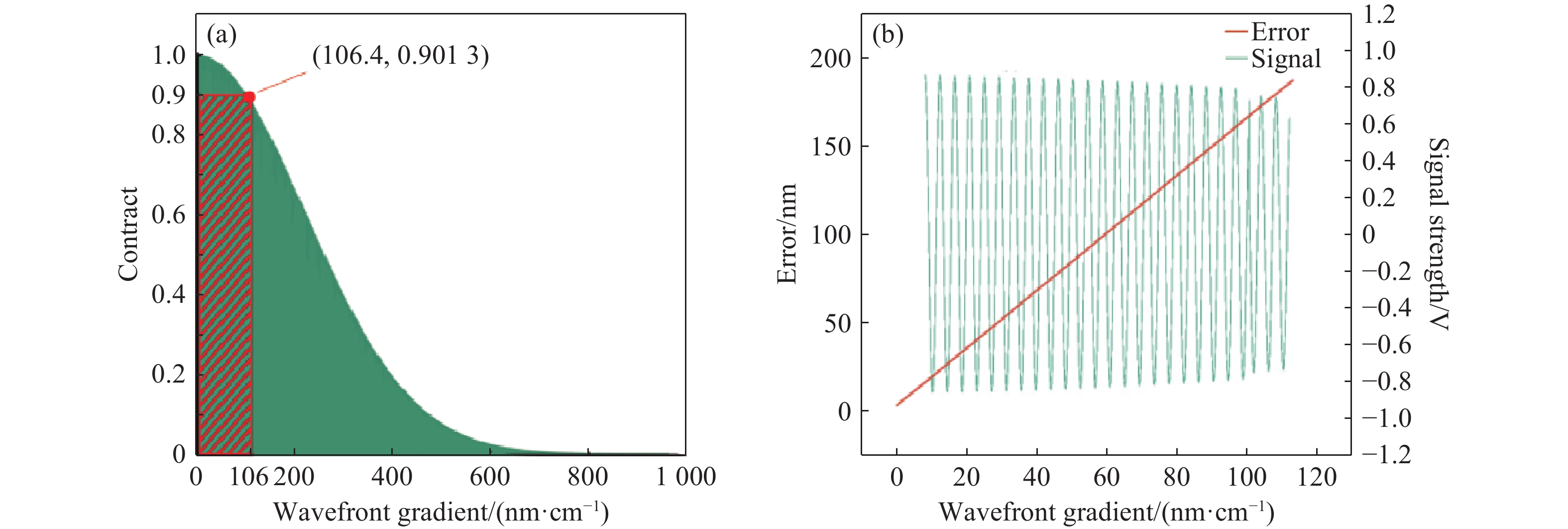
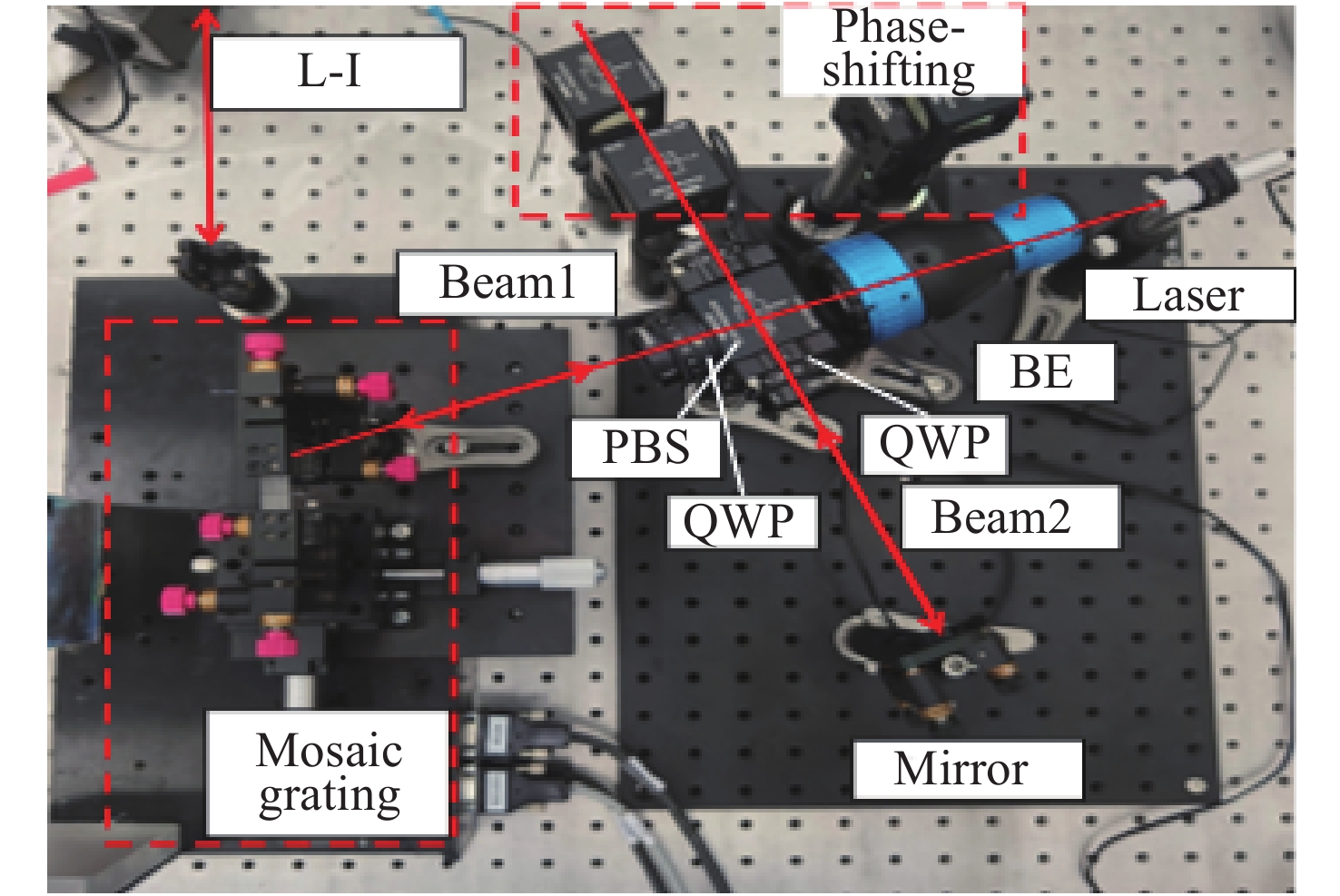
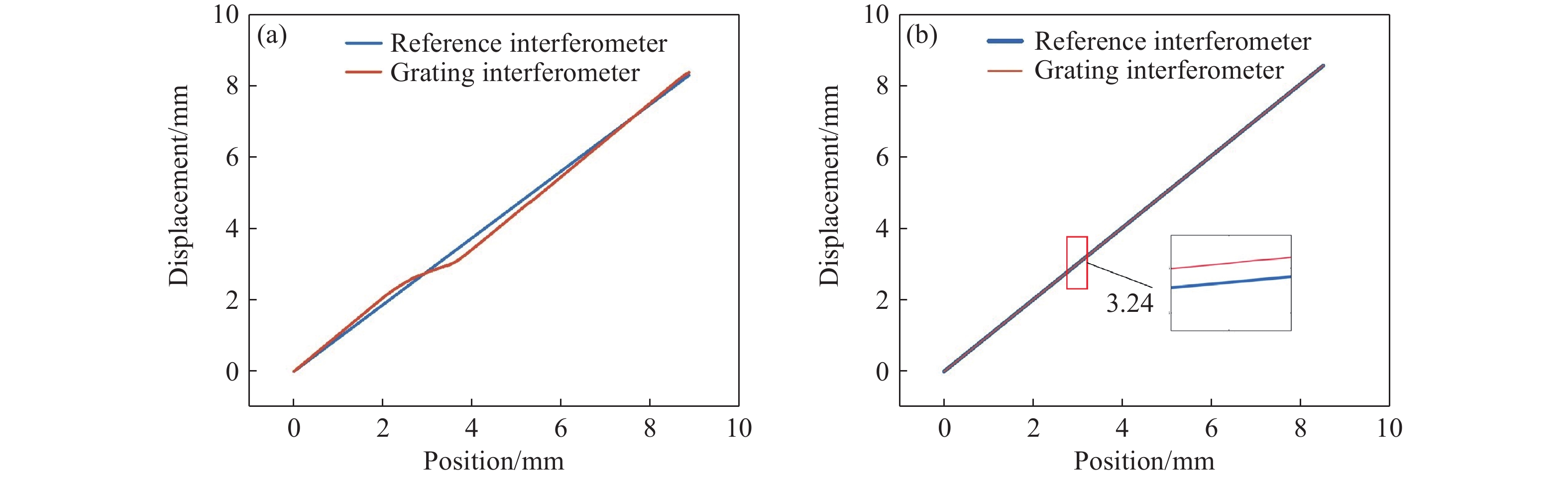
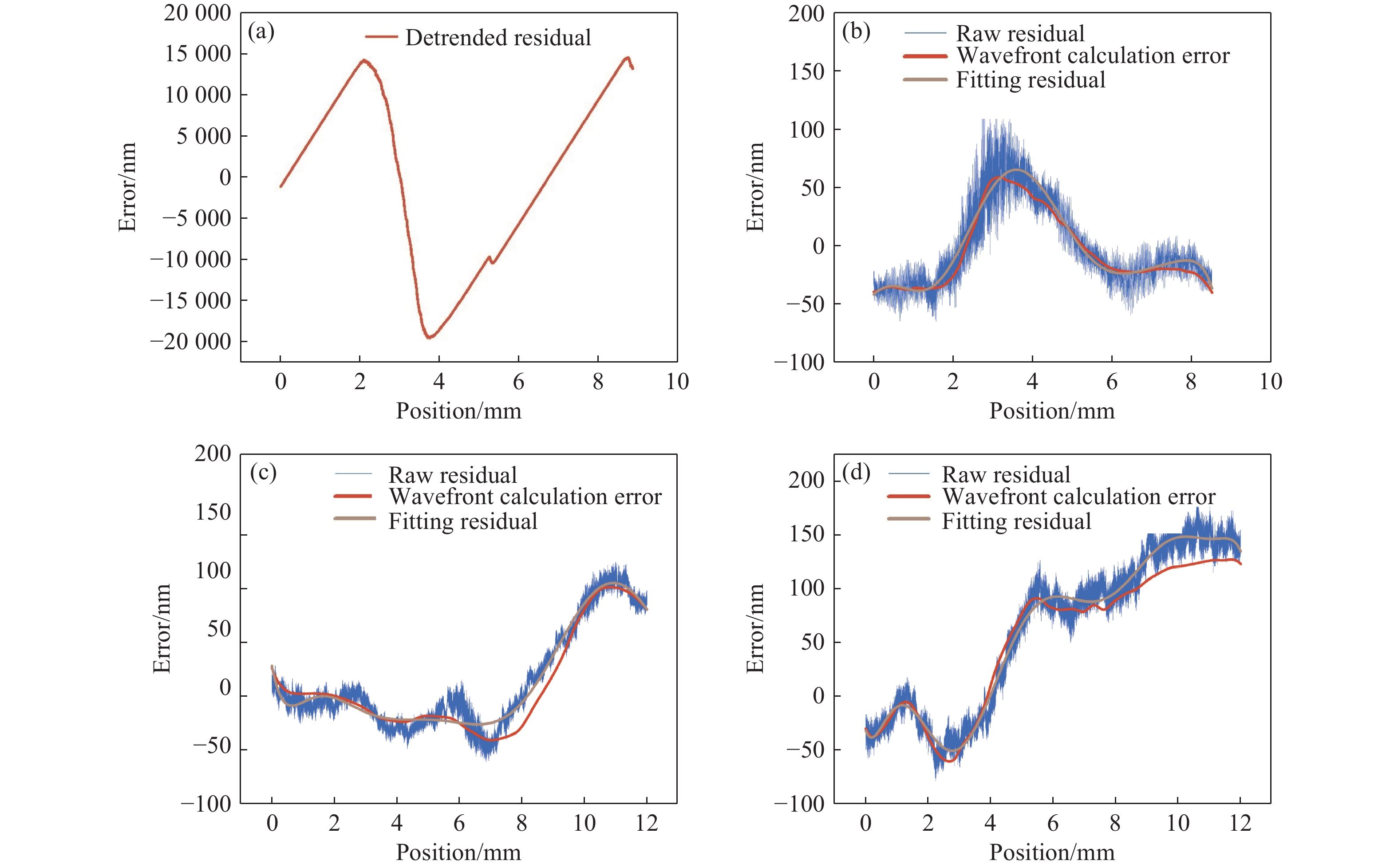
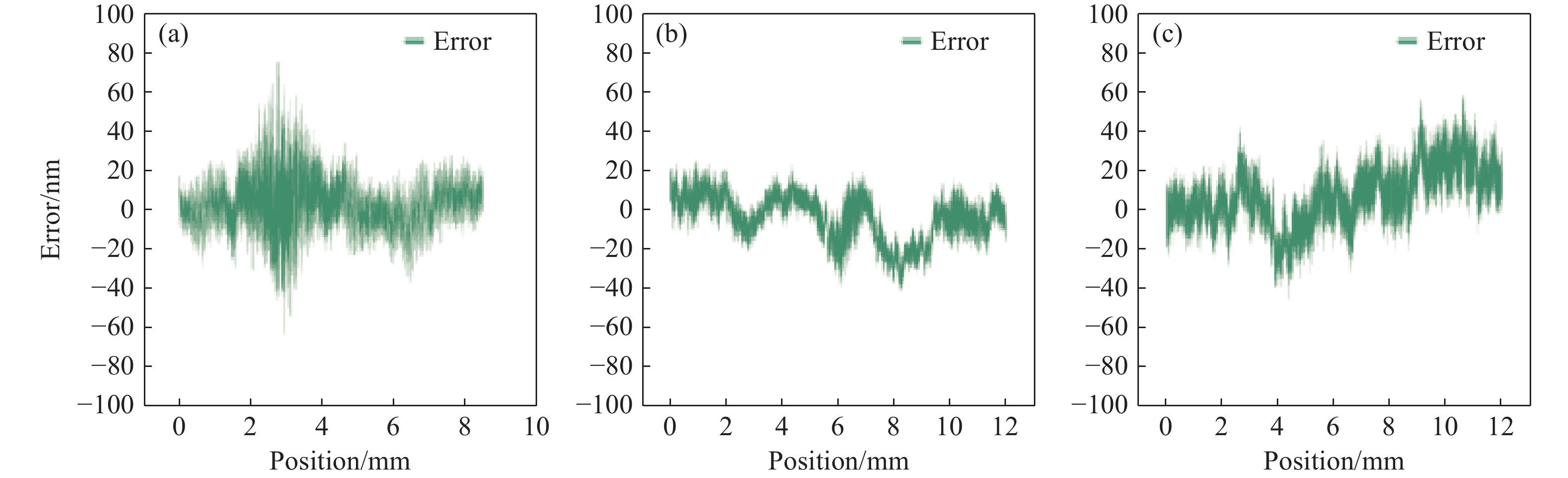
Stitched gratings provide an important method to extend the grating displacement measurement range. However, the existence of stitched seams and stitching errors prevents high-precision continuous displacement measurement. This paper proposes an improved stitched grating displacement measurement method which reduces light signal intensity loss during stitching via a large spot suppression technique, ensures continuous displacement measurement using wavefront gradient modulation technology, establishes a theoretical model of the mapping between the stitched grating wavefront and the displacement measurement error, and verifies continuous displacement measurements experimentally using a single-sided Littrow optical path. Experimental results show that, based on the premise of matching the wavefront gradient index, the linear correlation between the theoretical model error and the actual measurement residual is greater than 0.9, and the corrected continuous displacement measurement residual is less than 50 nm. This verifies that the proposed method can realize high-precision continuous displacement measurement and high-stability range extension in the grating displacement measurement field.

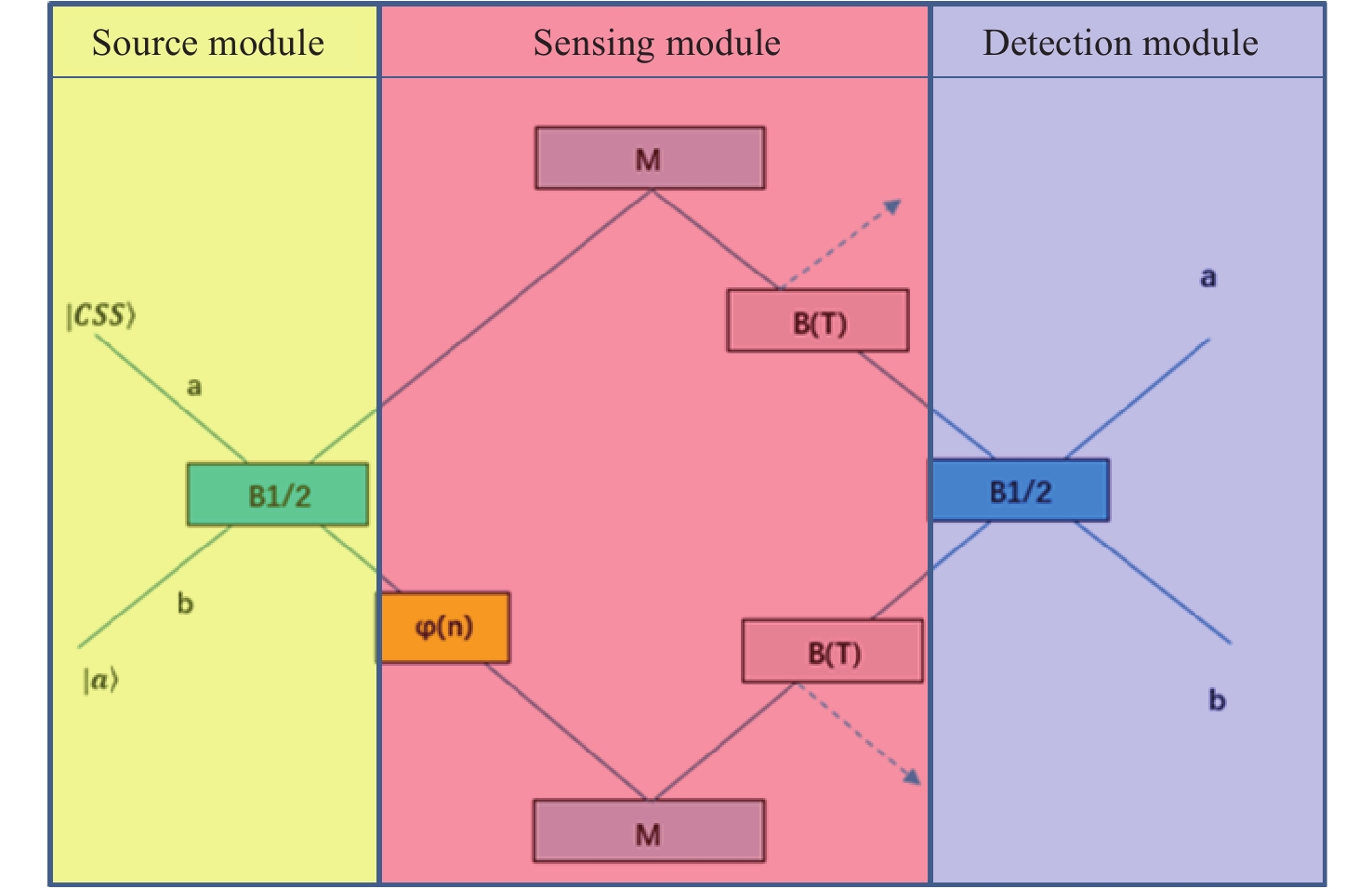
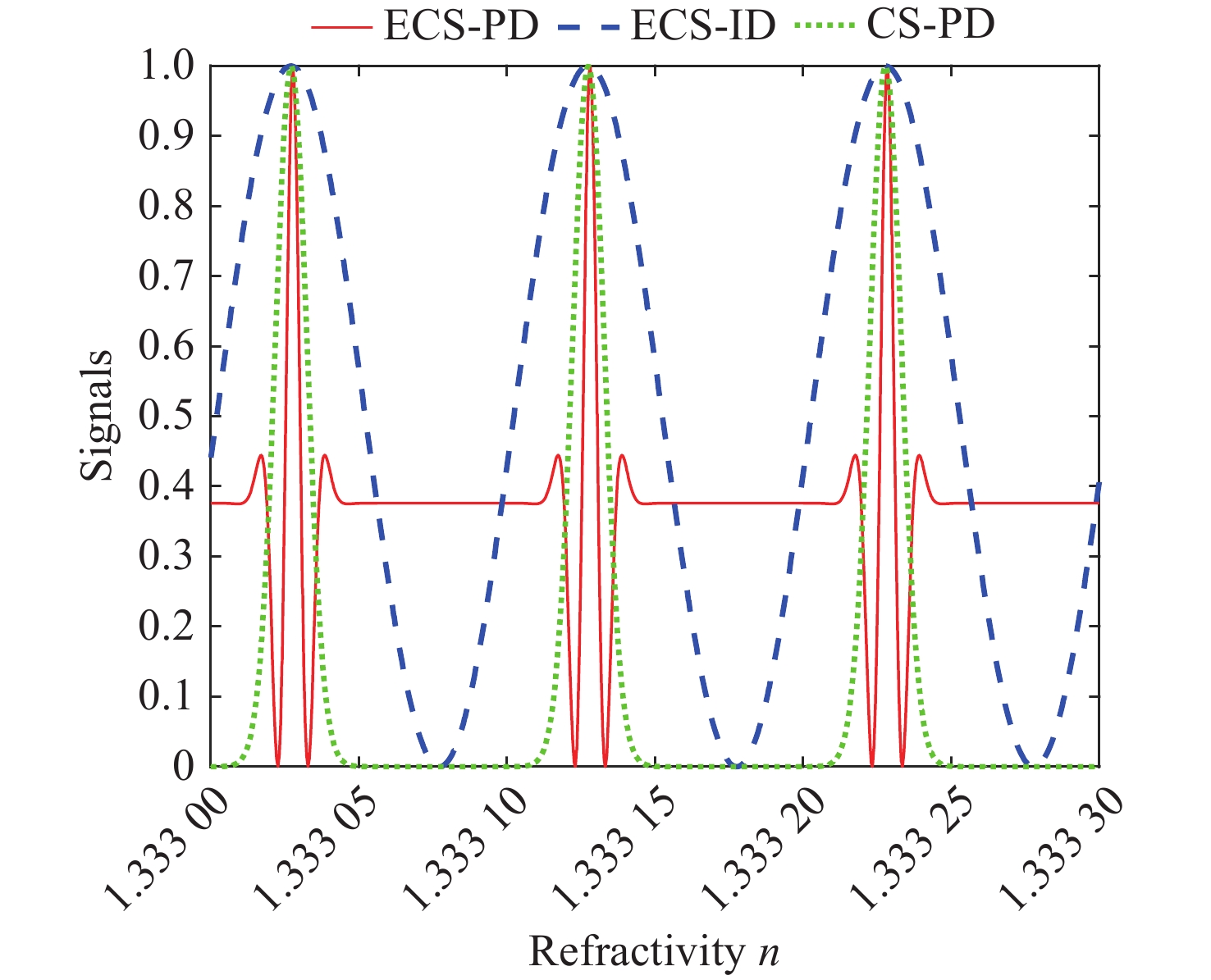
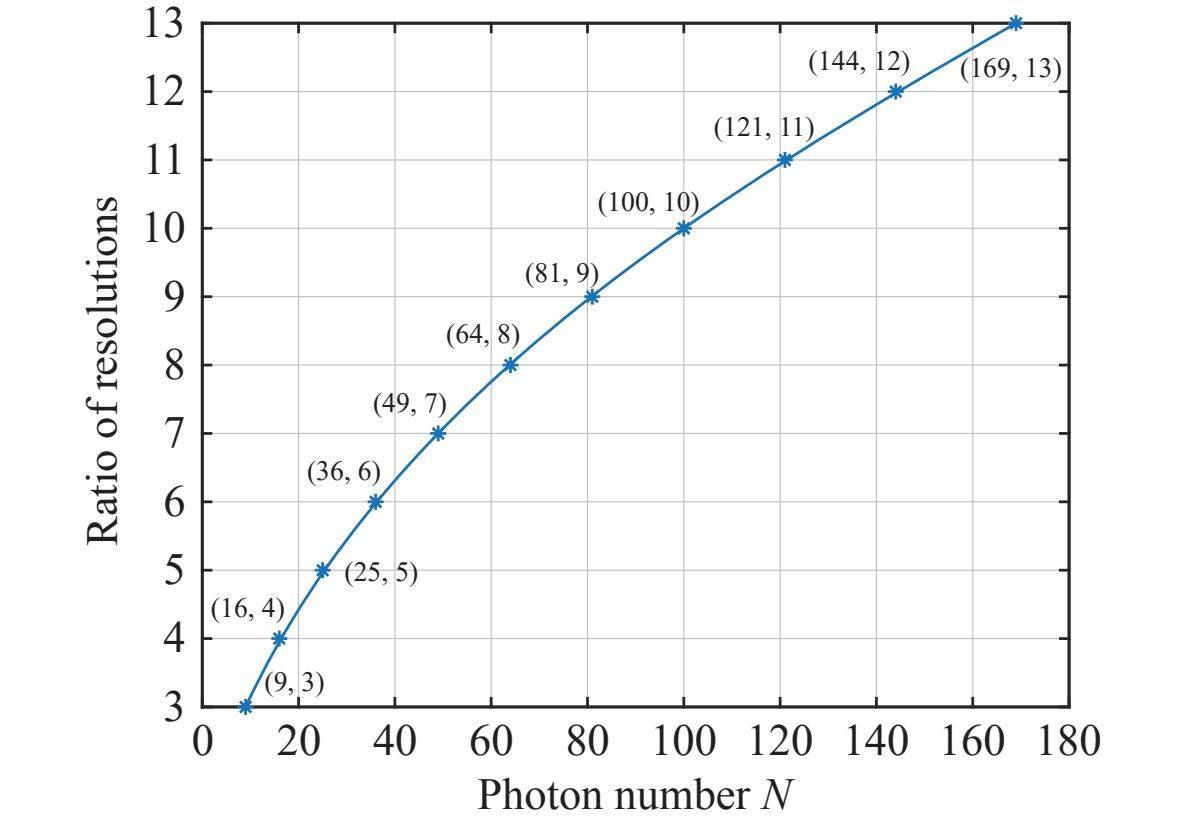
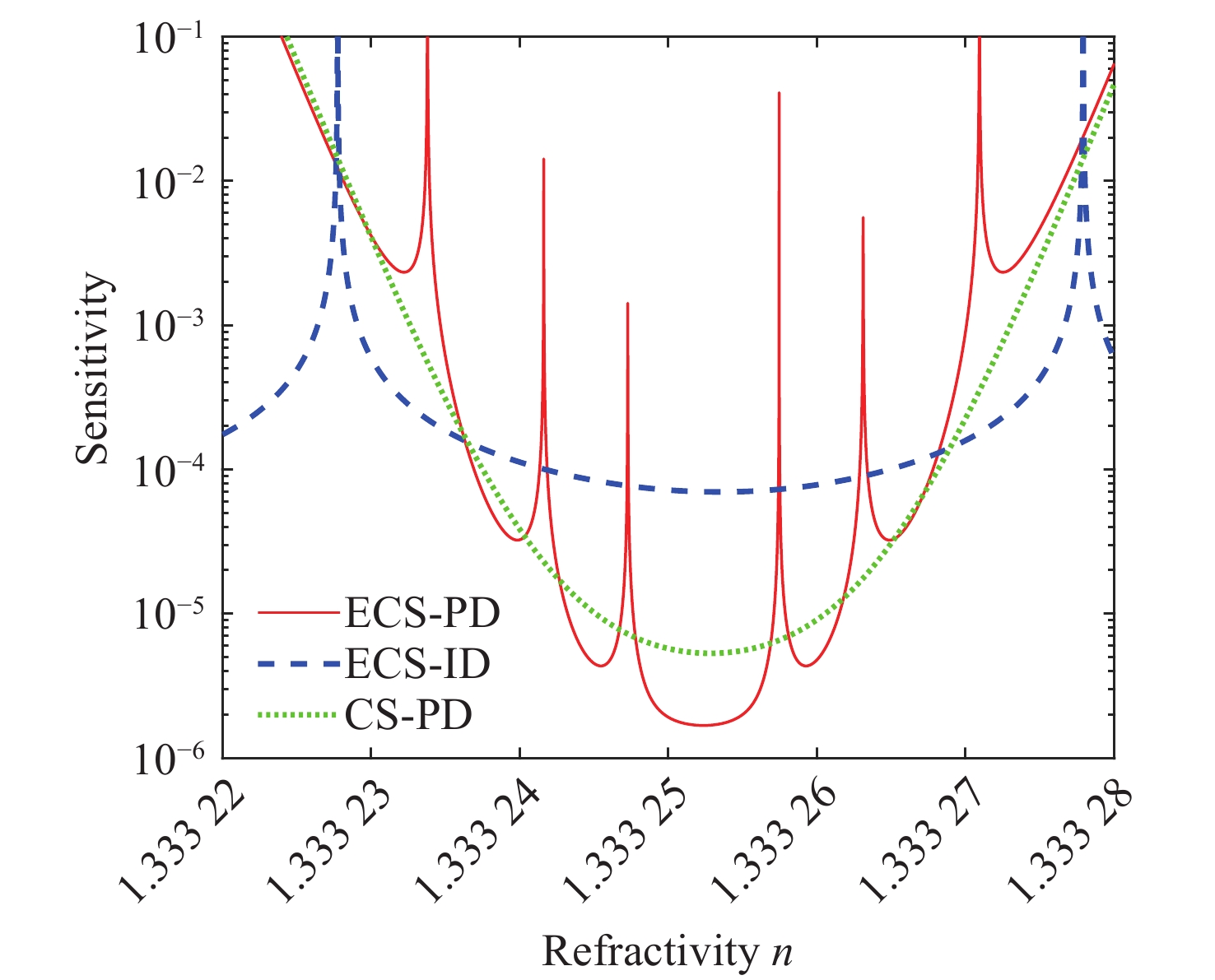
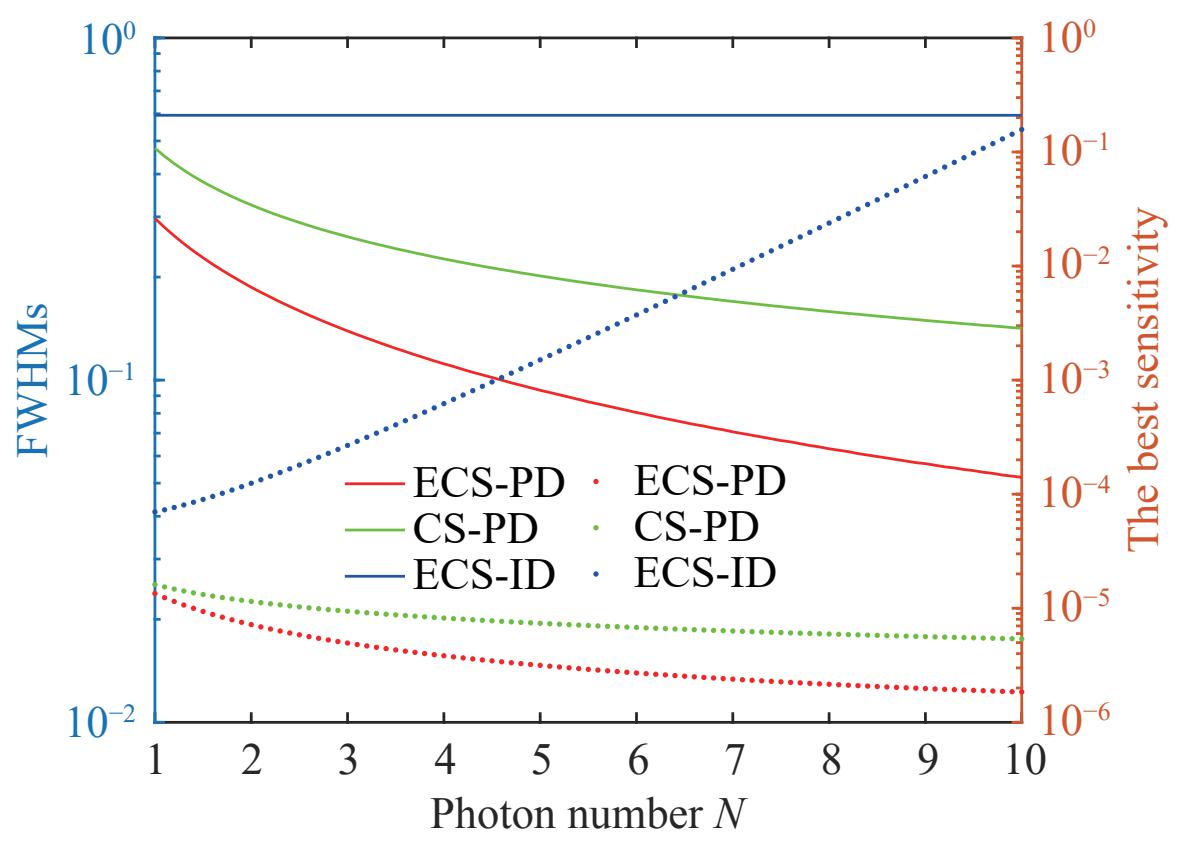
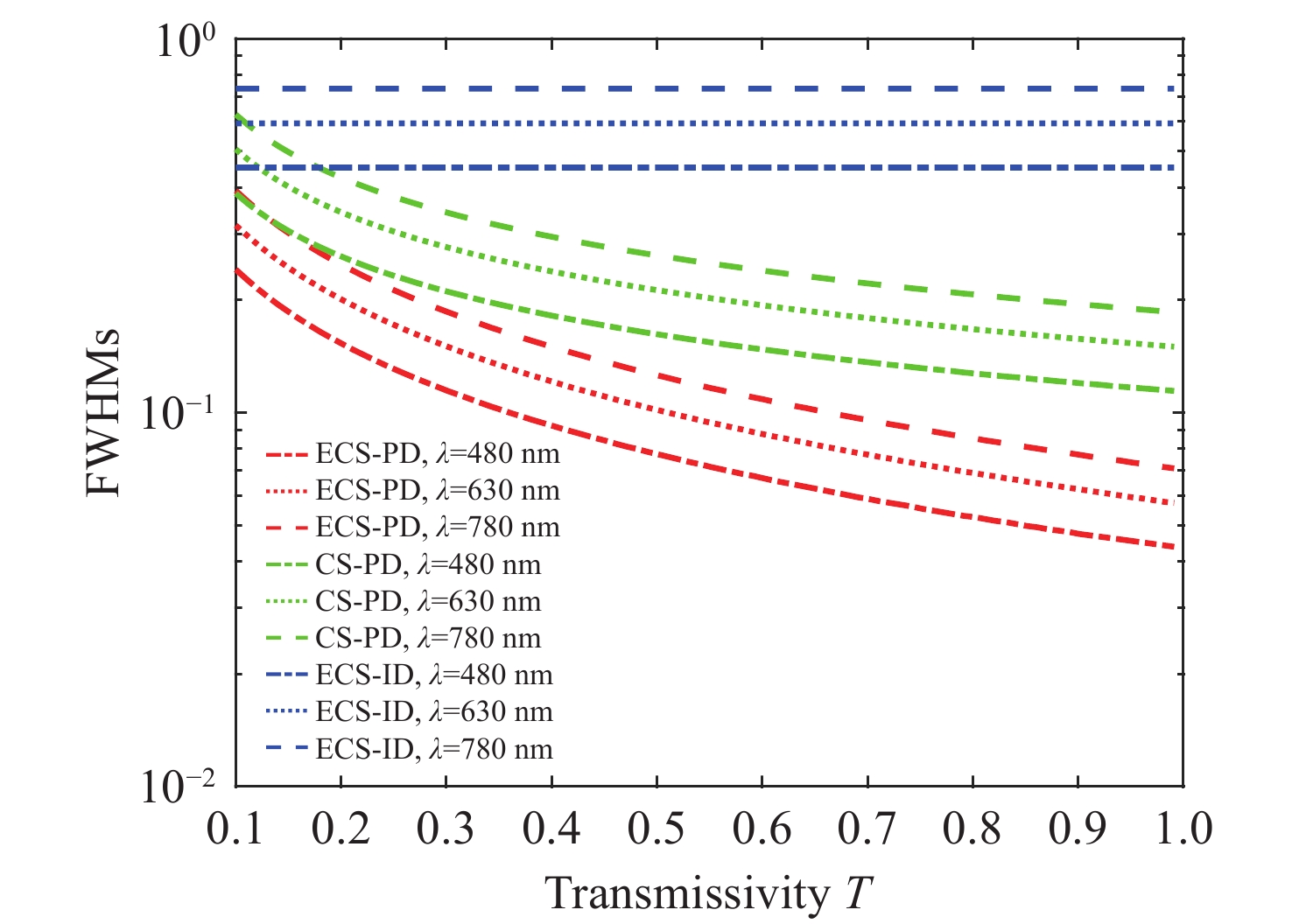
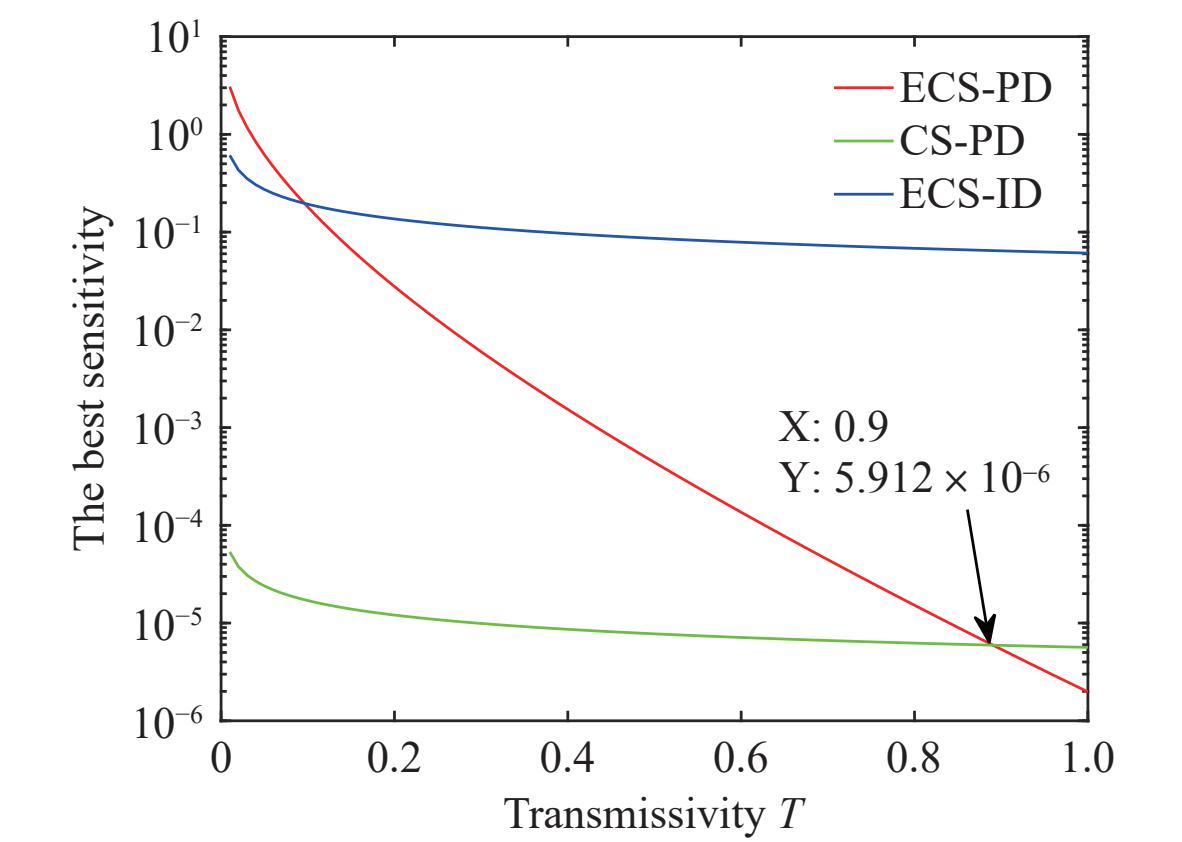
Traditional intensity-based refractive index measurement methods are constrained by the classical diffraction limit and the shot noise limit, which severely restricts the improvement of measurement precision. To address this issue, a novel quantum measurement scheme integrating entangled coherent states (ECS) and parity detection (PD) is proposed. Taking advantage of the non-classical correlation of quantum entanglement, the scheme constructs a dual-mode entangled coherent state light source and realizes high-fidelity signal demodulation through a customized parity detection system. Theoretical derivation and numerical simulation results demonstrate that the measurement resolution of the proposed scheme breaks through the Rayleigh limit, achieving a

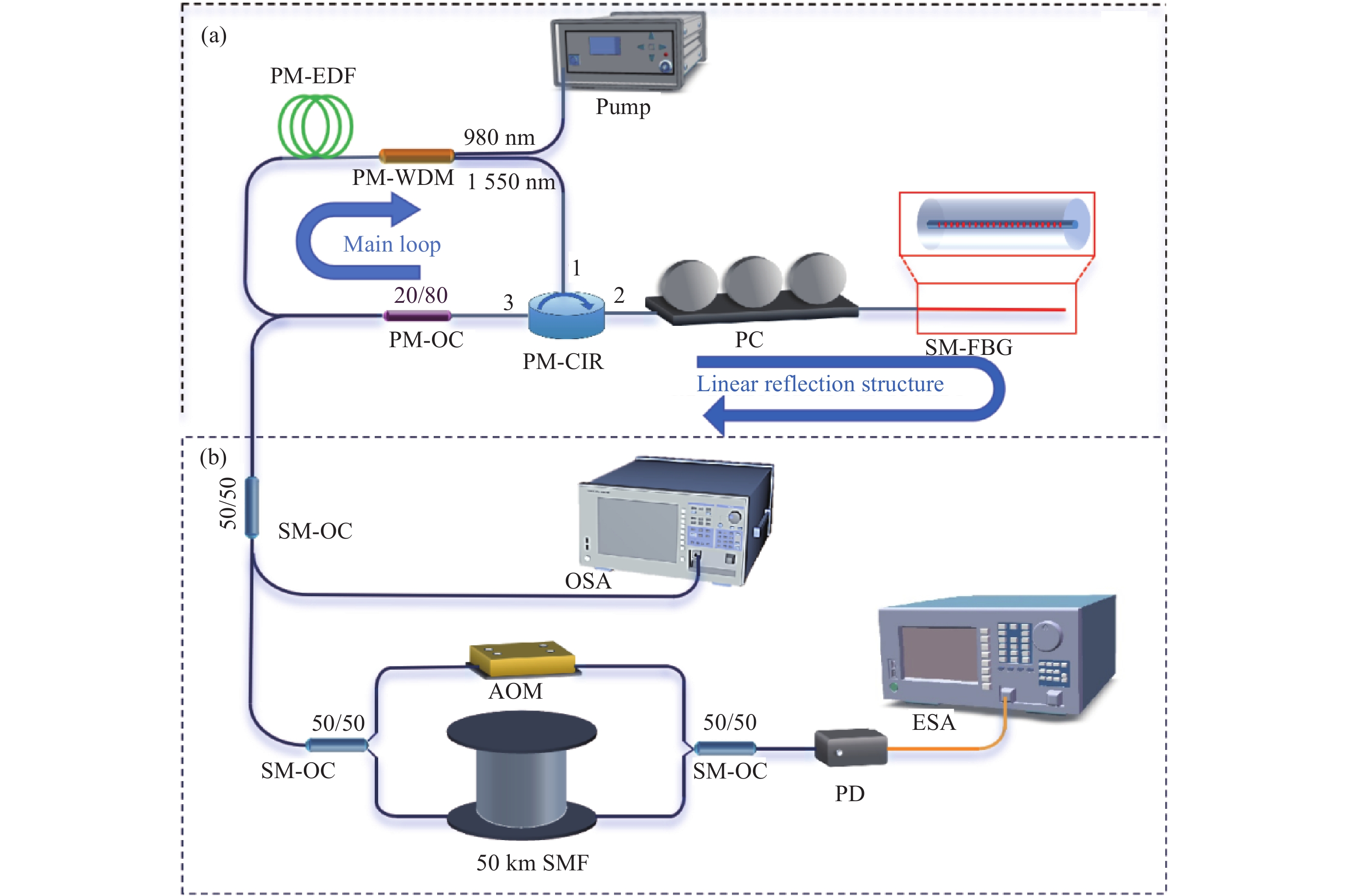
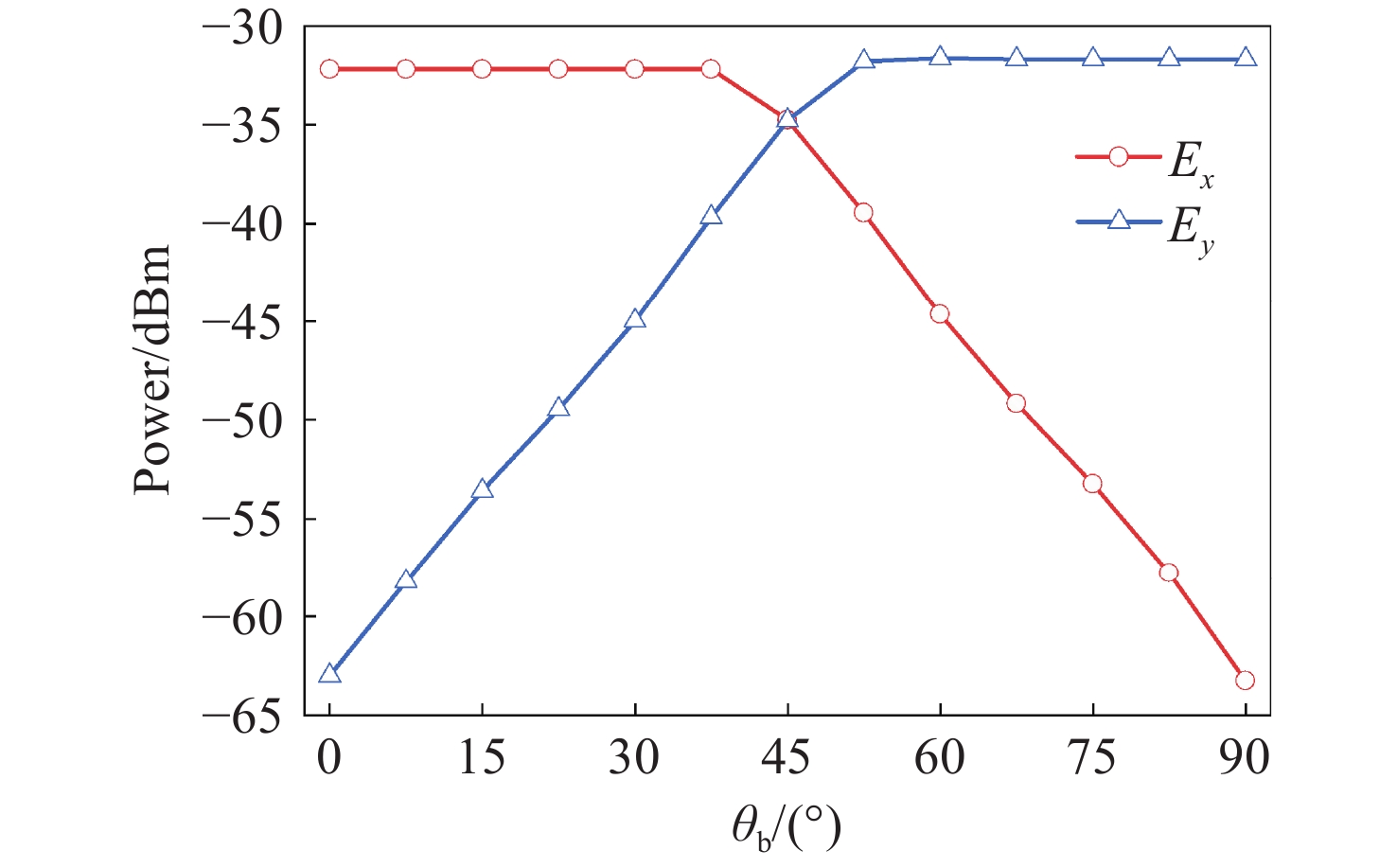
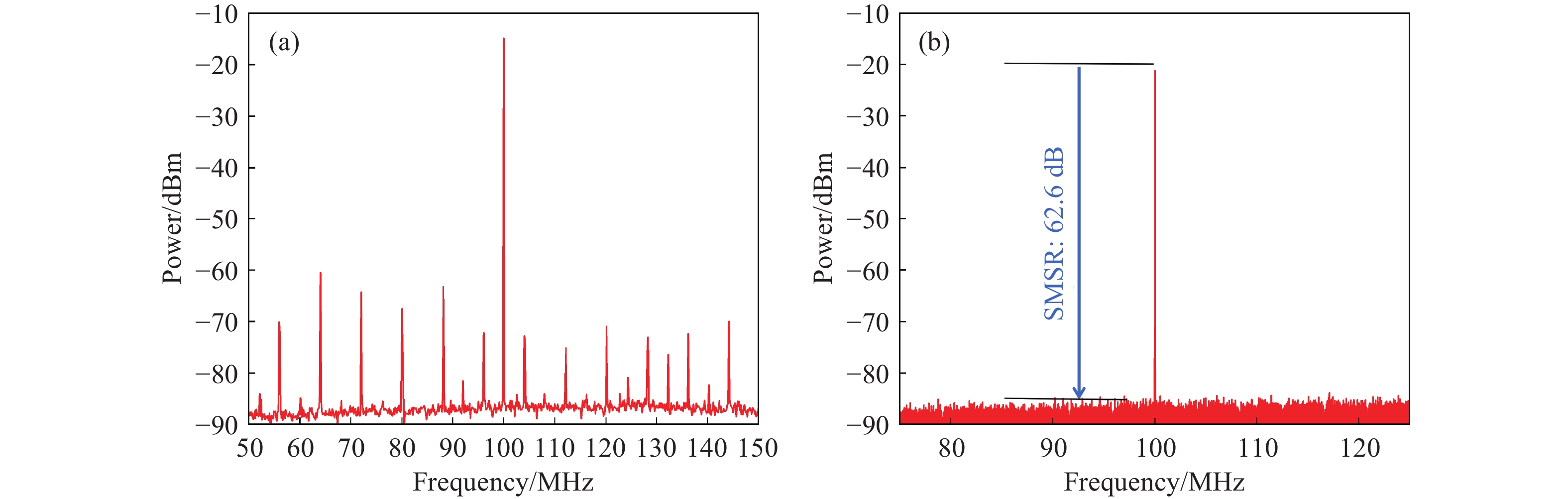
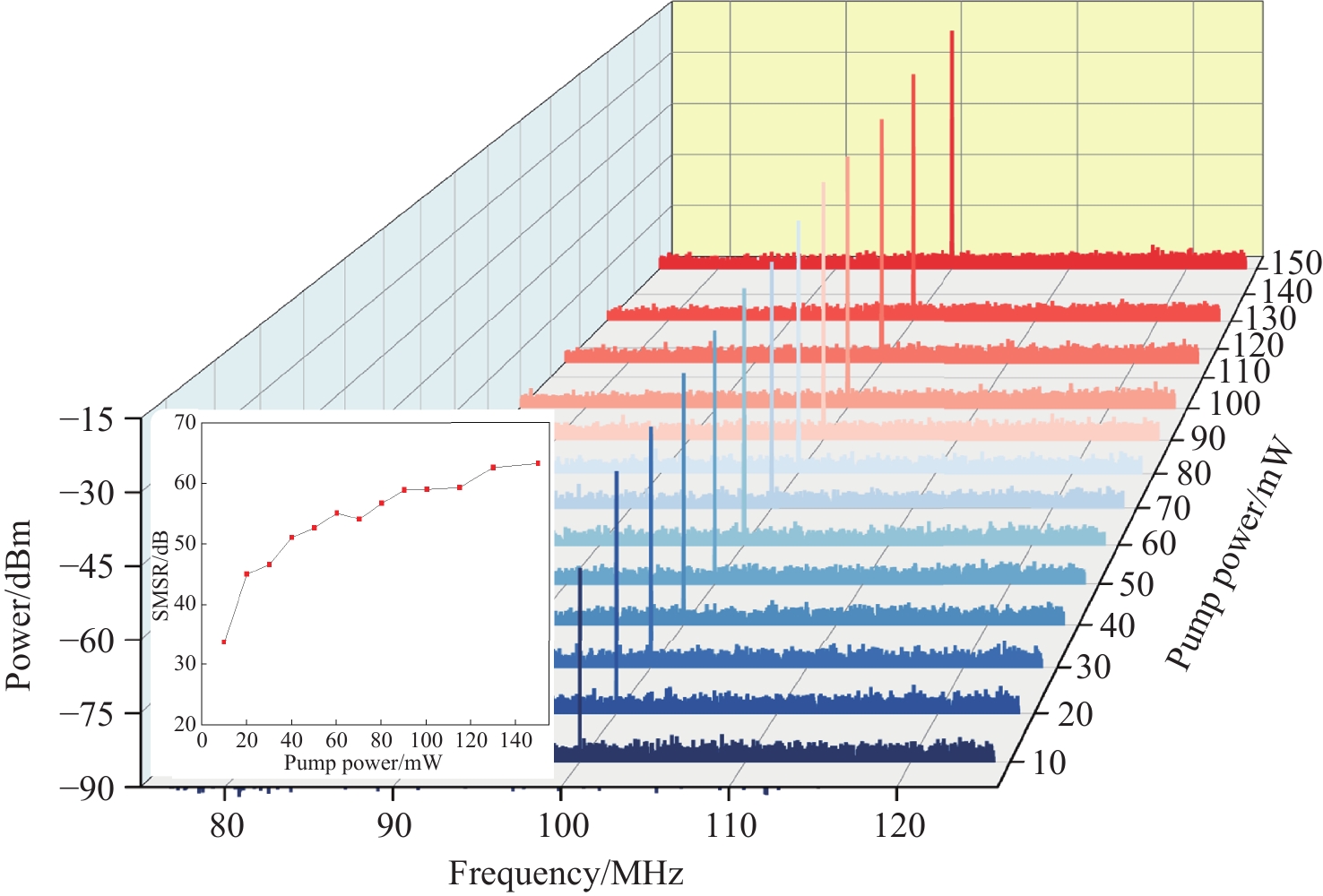
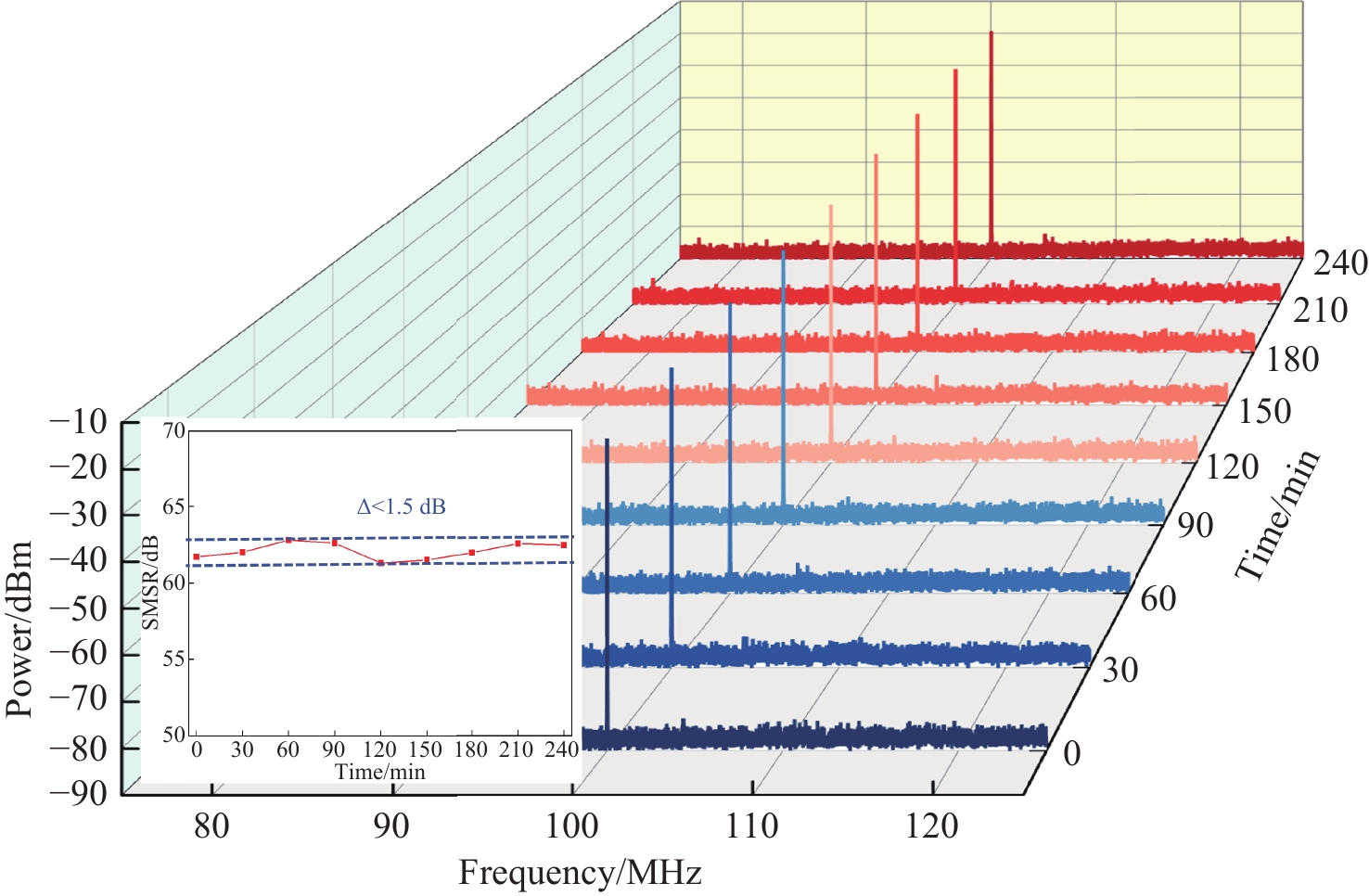
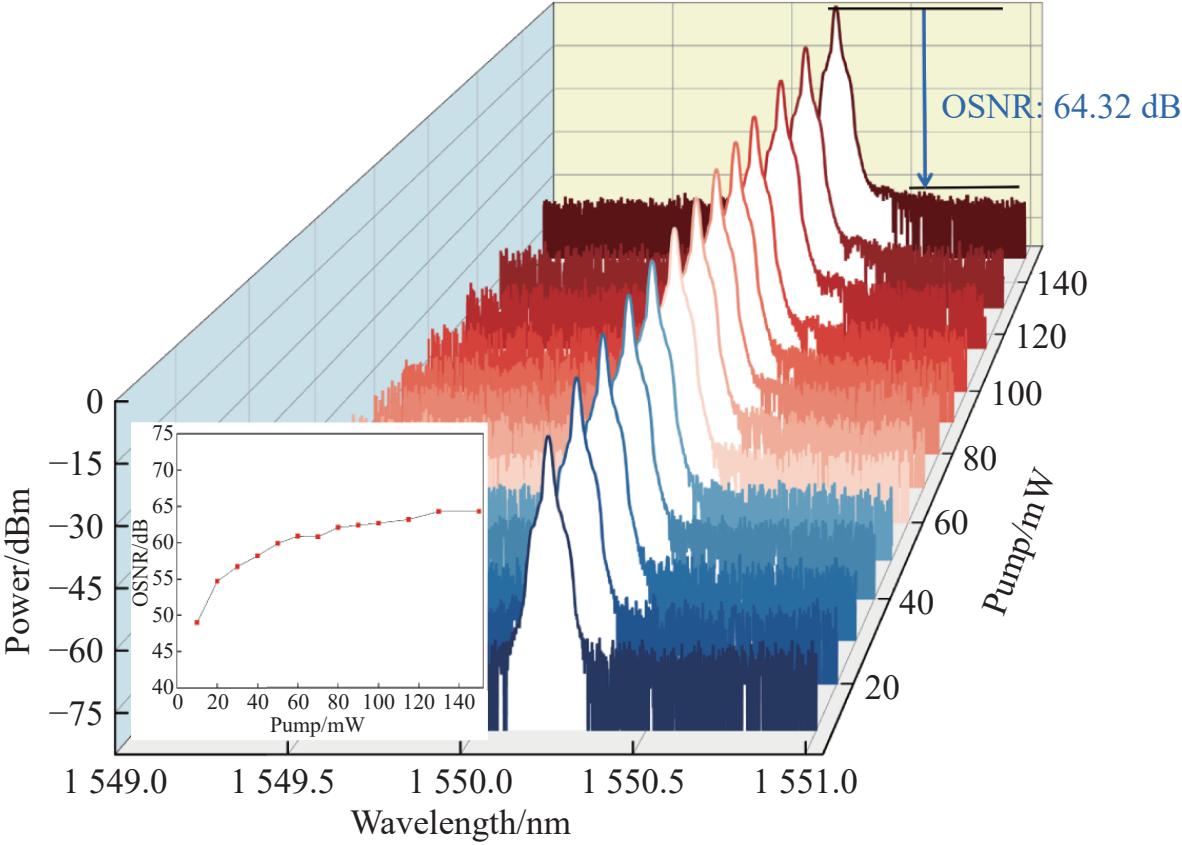
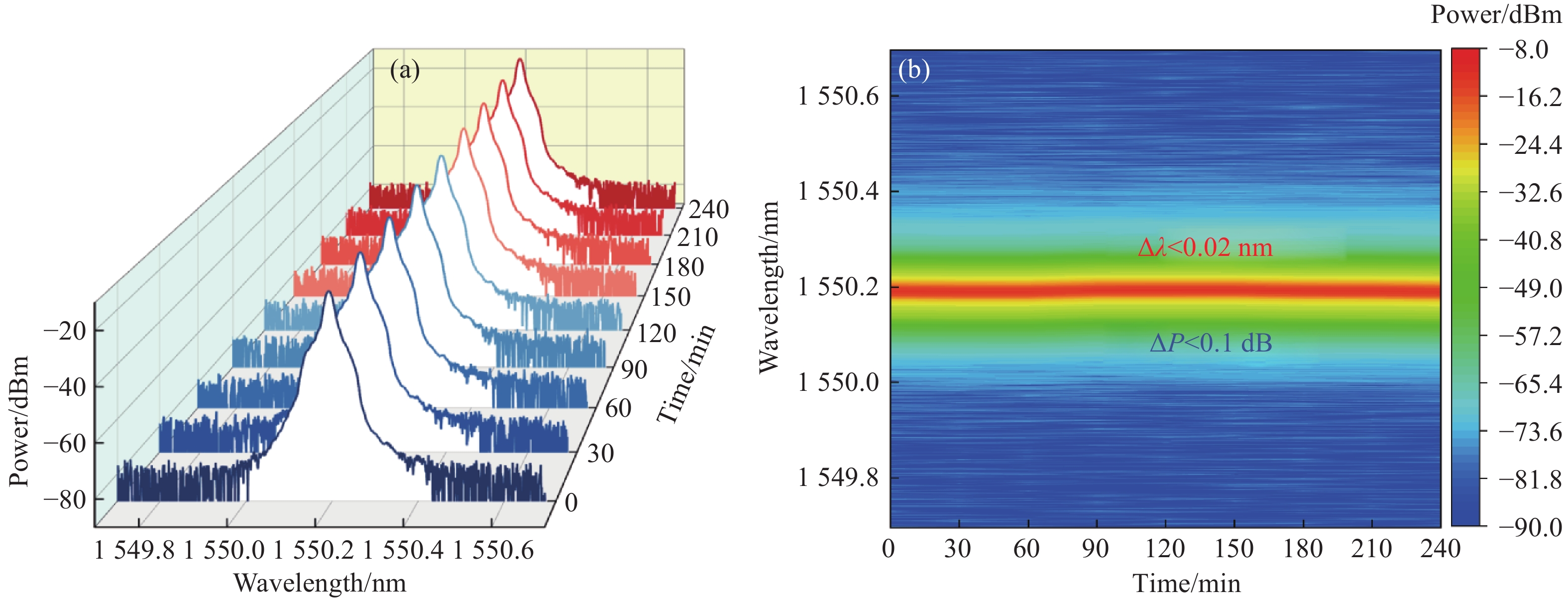
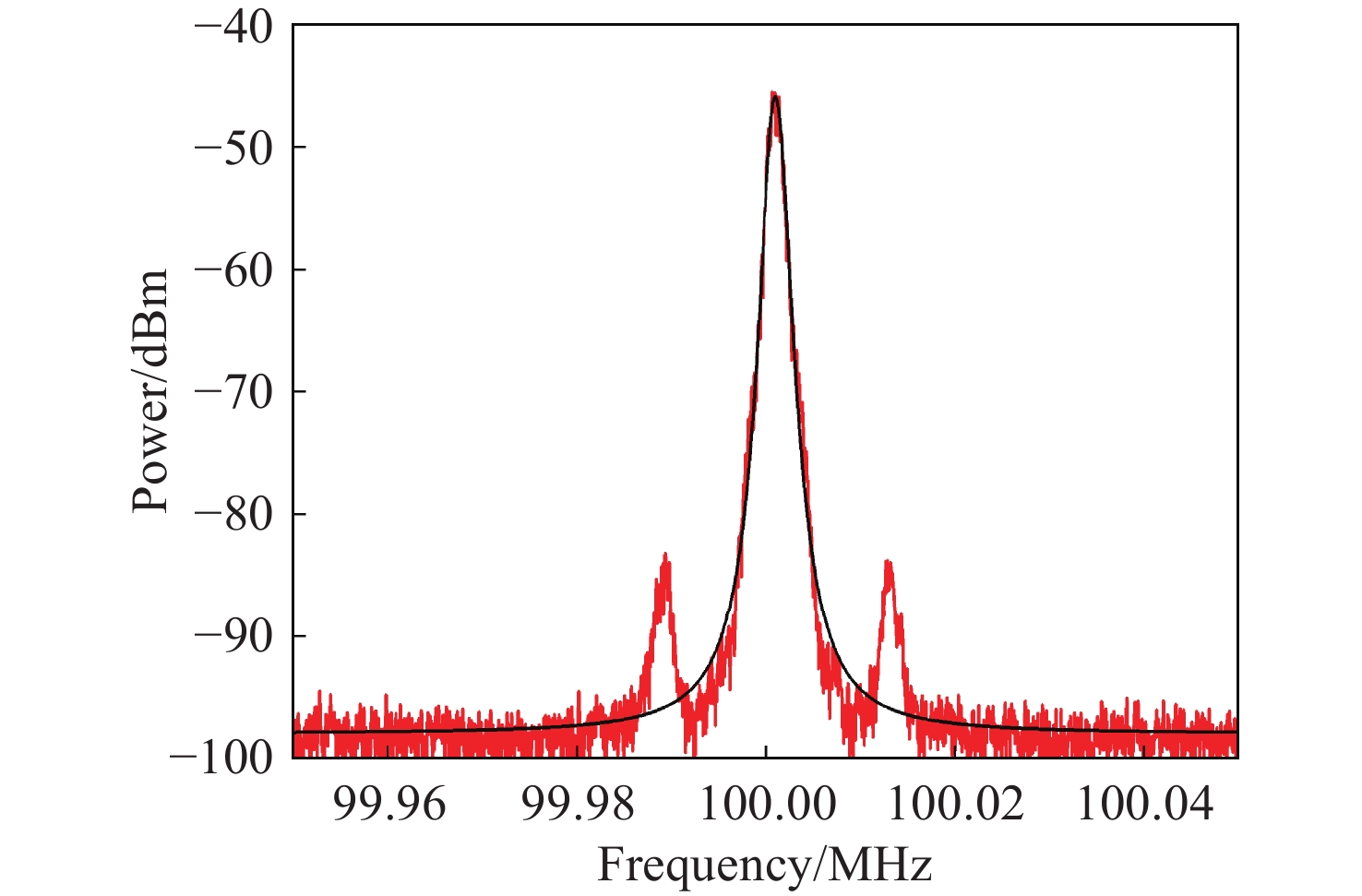
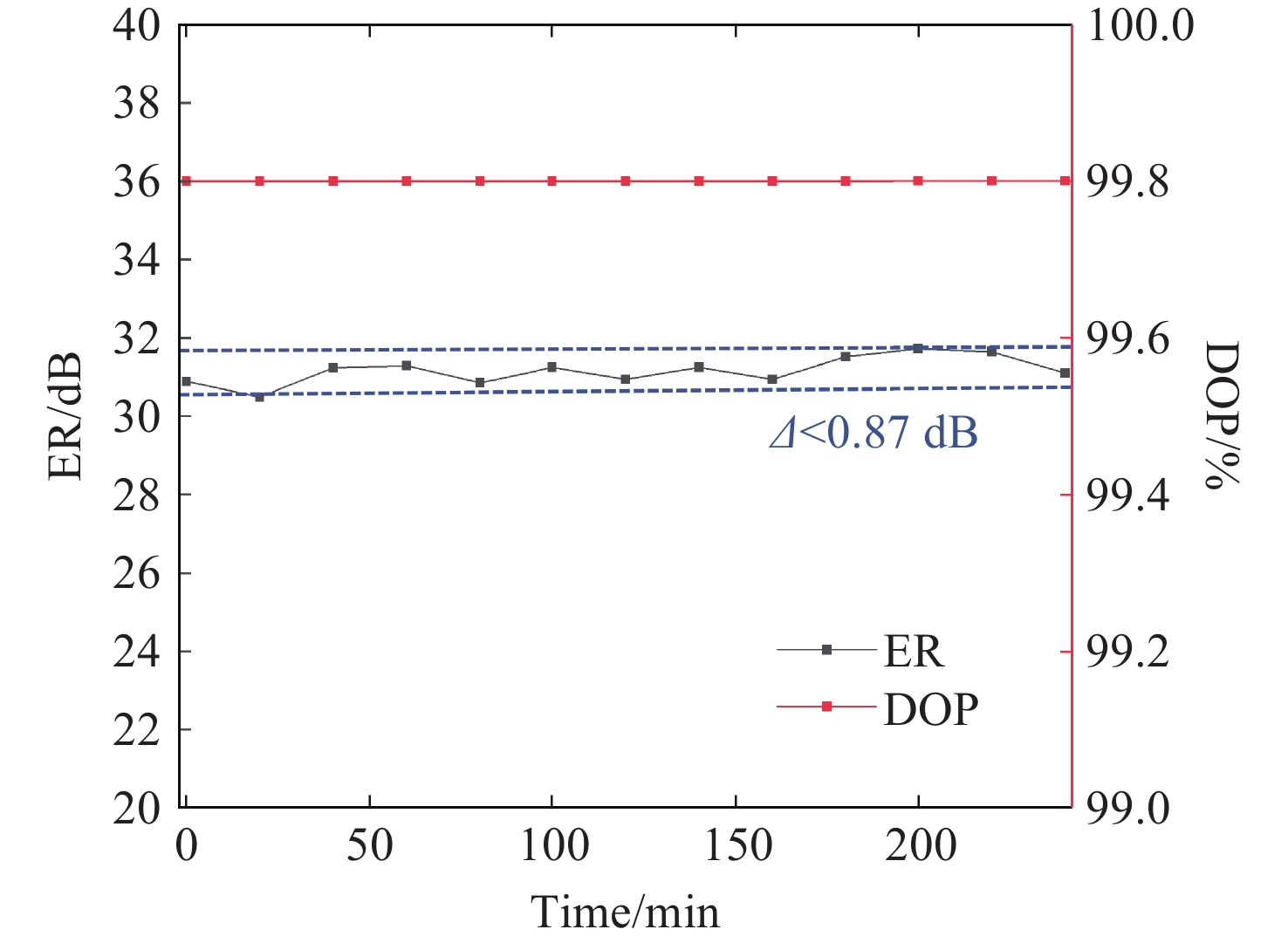
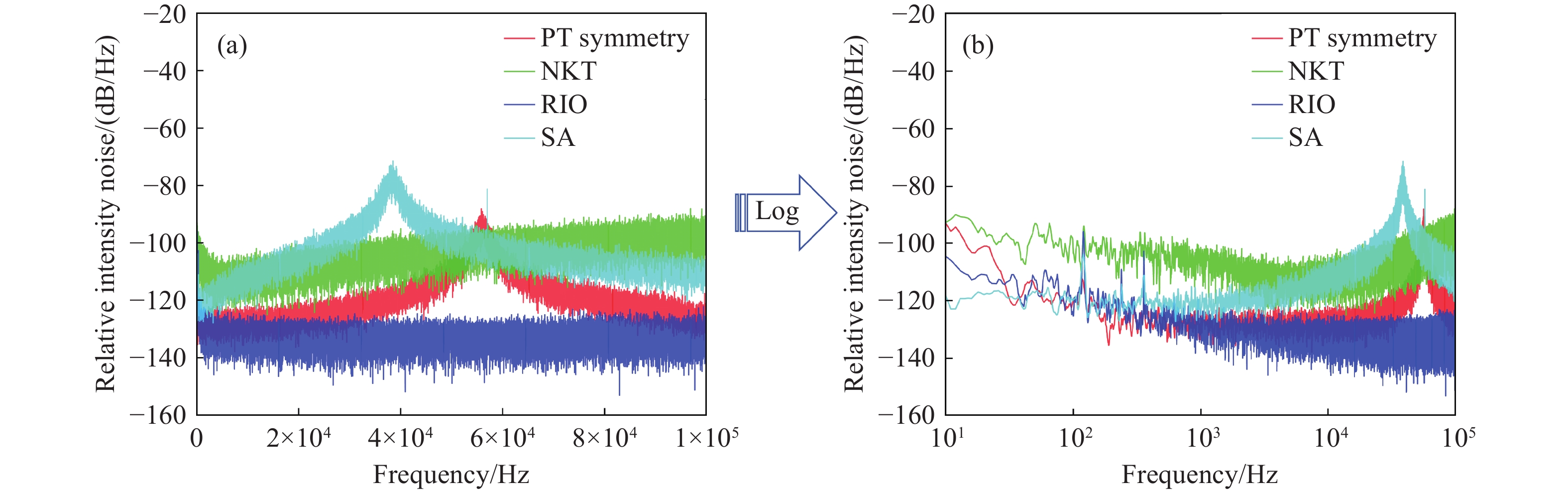
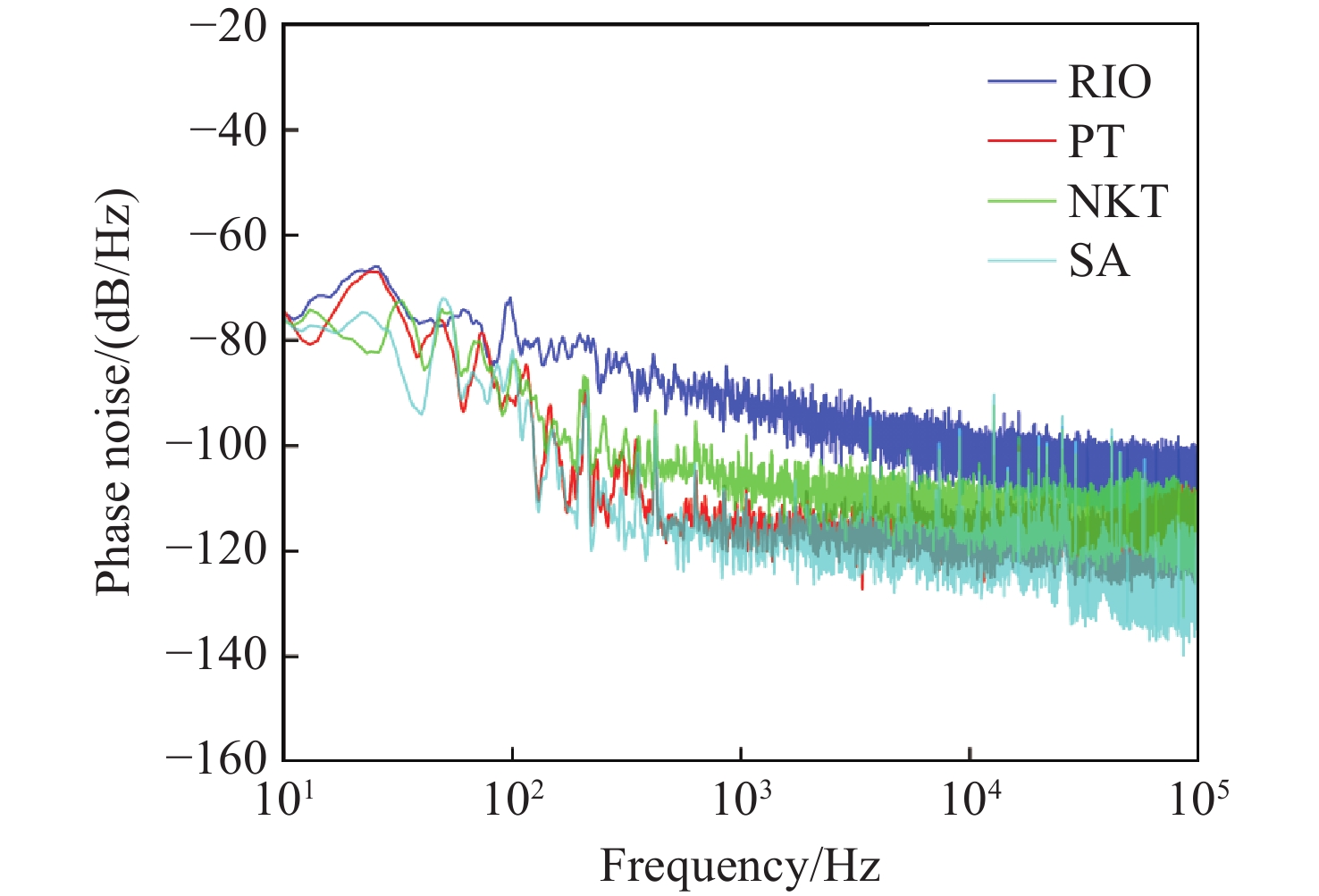
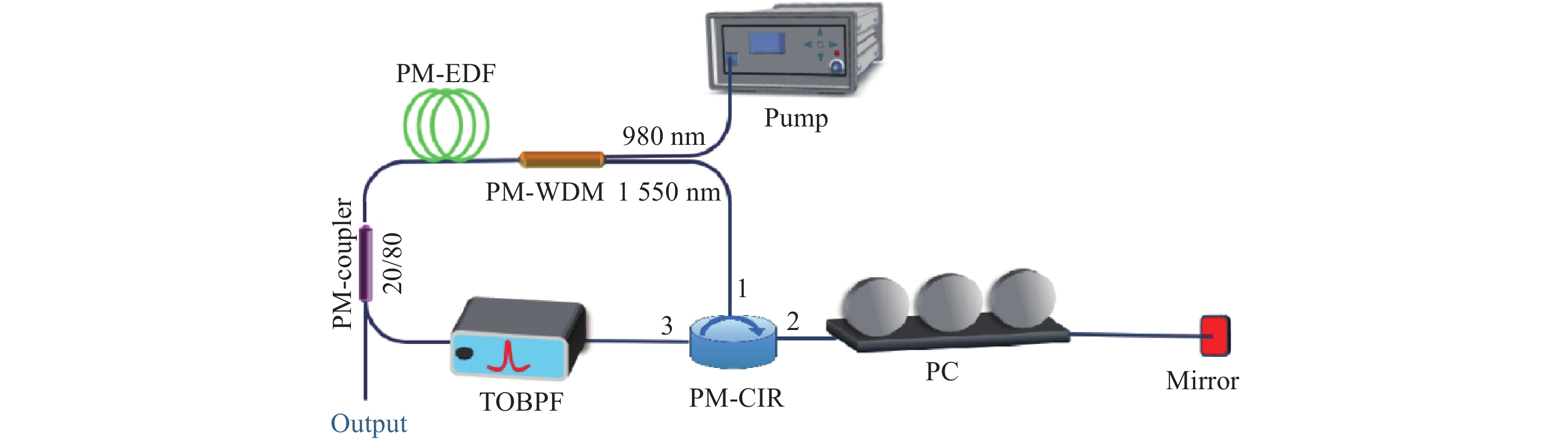
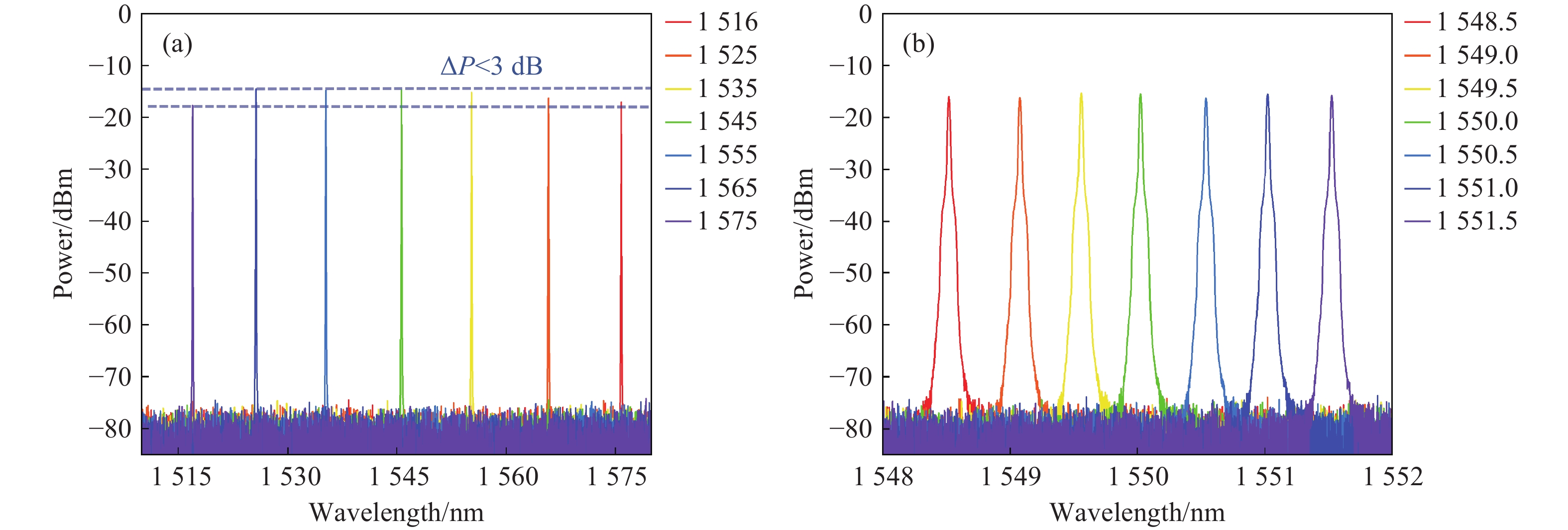
A low-noise linear-polarization single longitudinal mode (SLM) fiber laser based on polarimetric parity-time (PT) symmetry is proposed and experimentally demonstrated. PT symmetry is achieved within a linear reflection structure. When the balanced gain–loss contrast surpasses the coupling coefficient, the condition for PT-symmetry breaking is met, enabling the realization of an SLM laser. Stable laser output with a high sidemode suppression ratio (SMSR) of 62.6 dB and a high optical signal-to-noise ratio (OSNR) of 64.32 dB is realized. The Lorentz linewidth is measured as 182.5 Hz. The degree of polarization (DOP) and polarization extinction ratio (PER) of the laser remain above 99.8 % and 30.8 dB within 4 hours. Furthermore, the relative intensity noise (RIN) and phase noise of the PT-symmetric laser are analyzed and compared with those of fiber lasers and semiconductor lasers. The results demonstrate the low-noise performance of the proposed PT-symmetric laser.
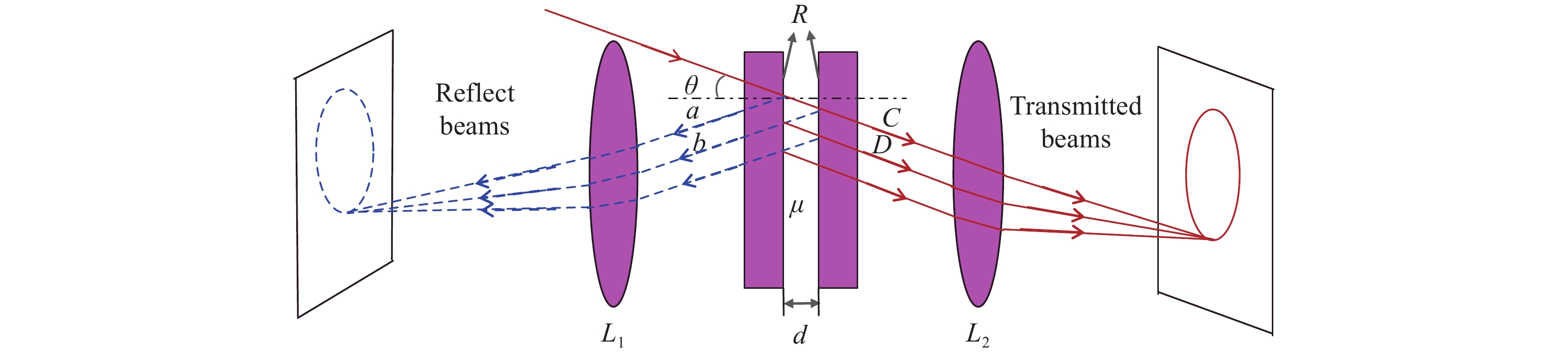
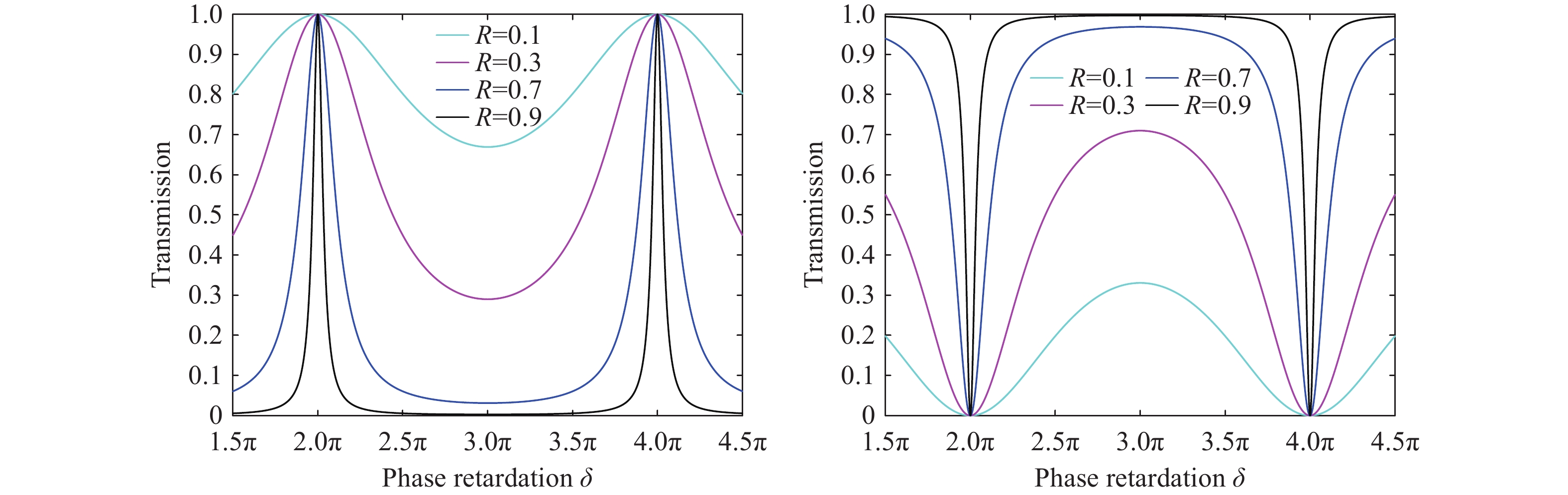
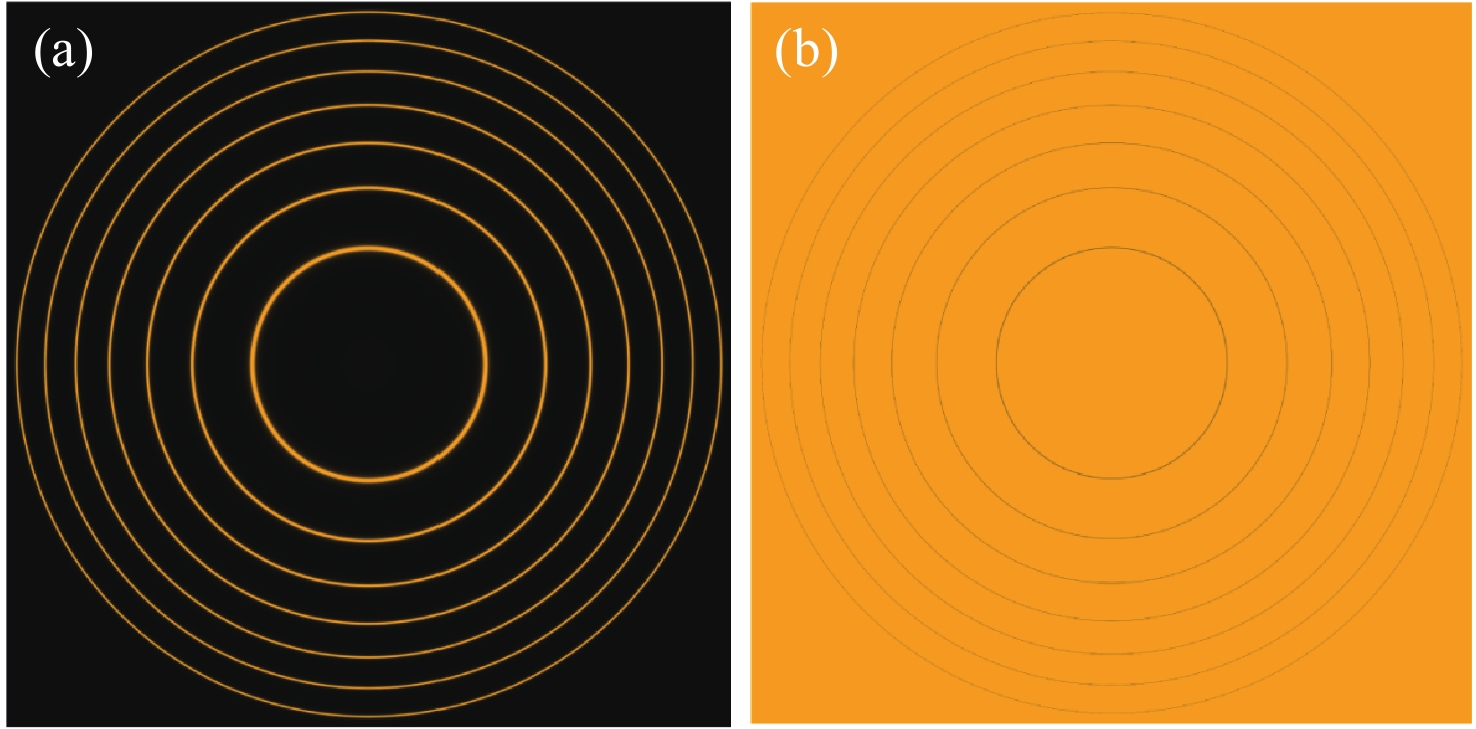
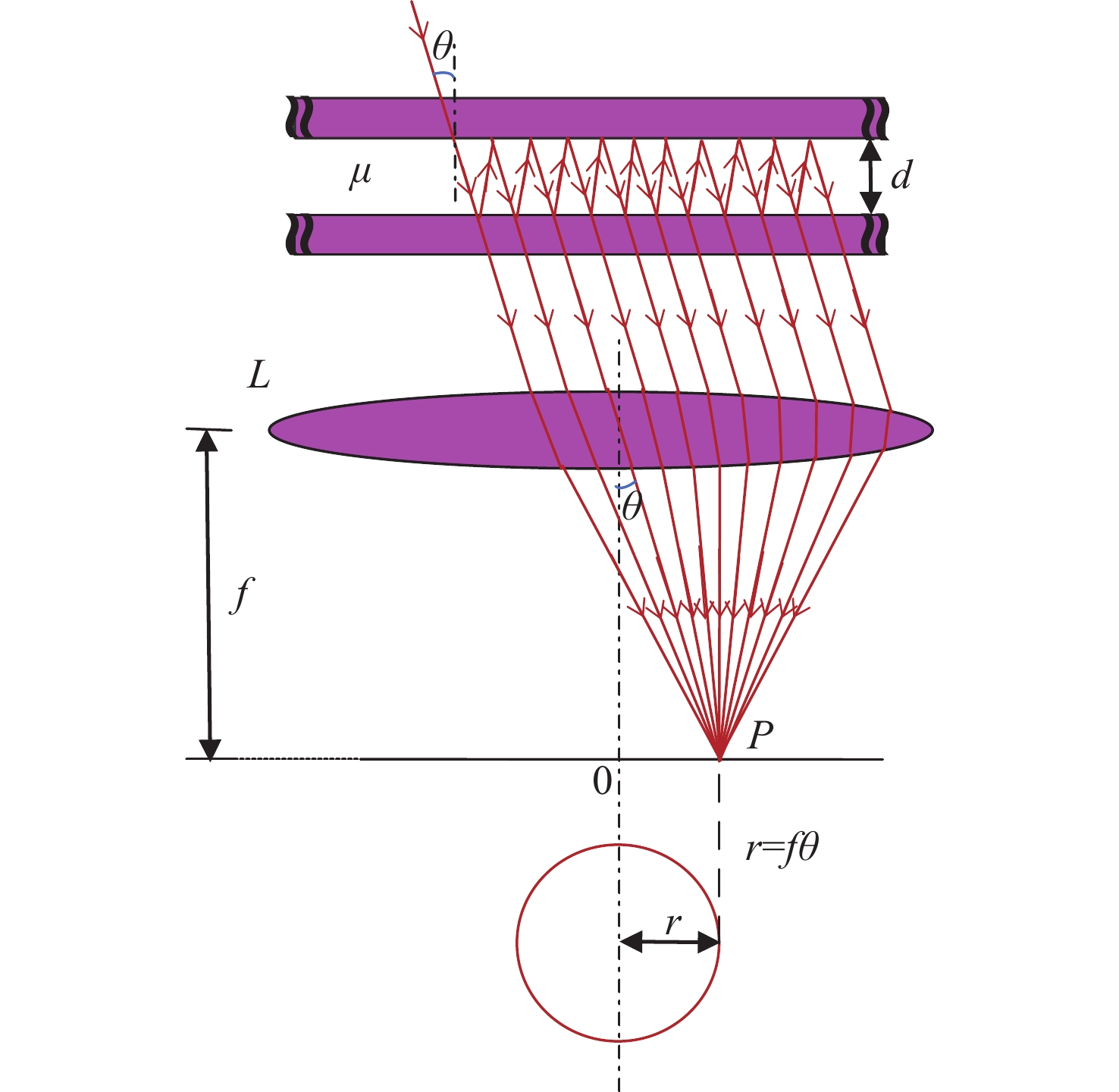
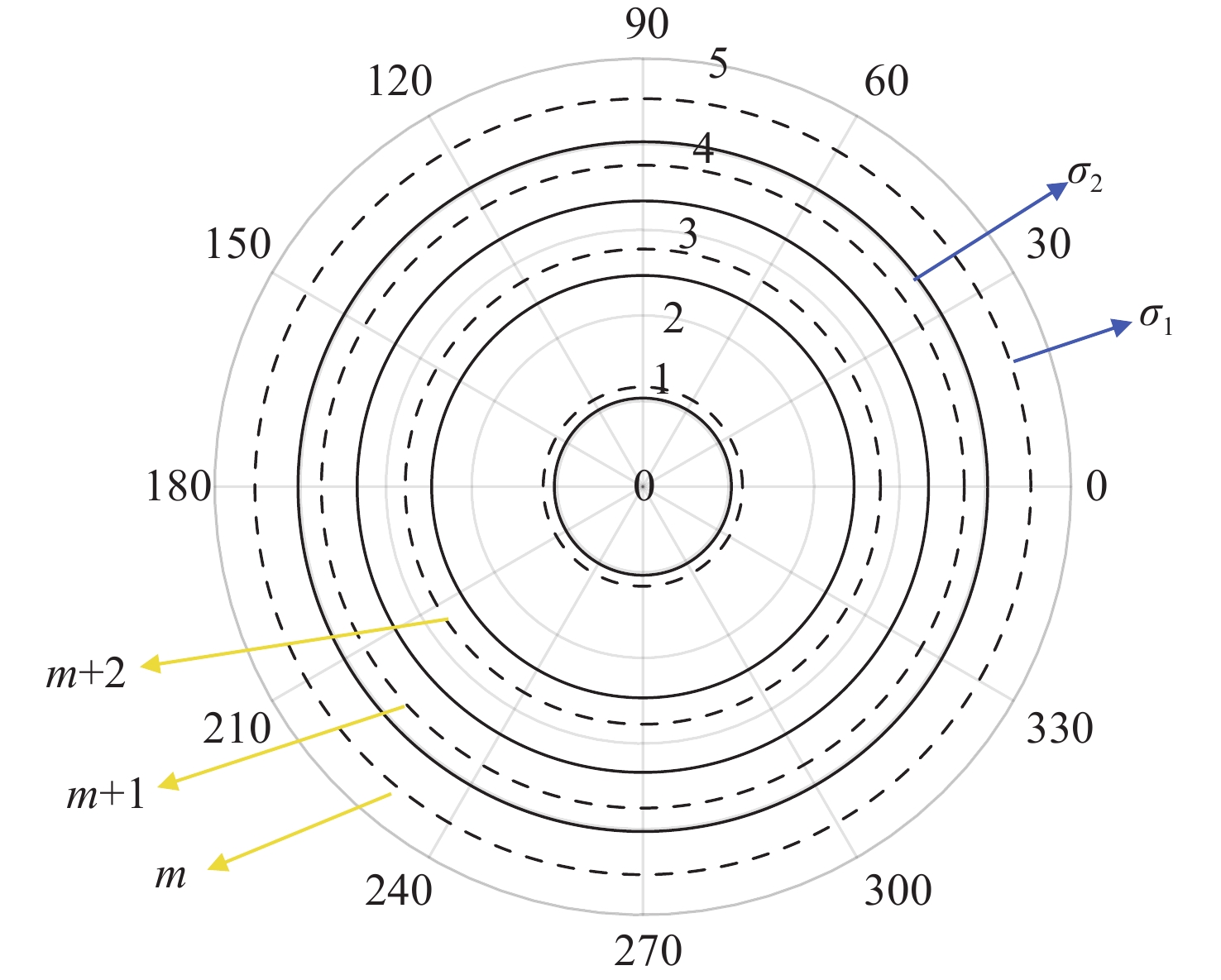
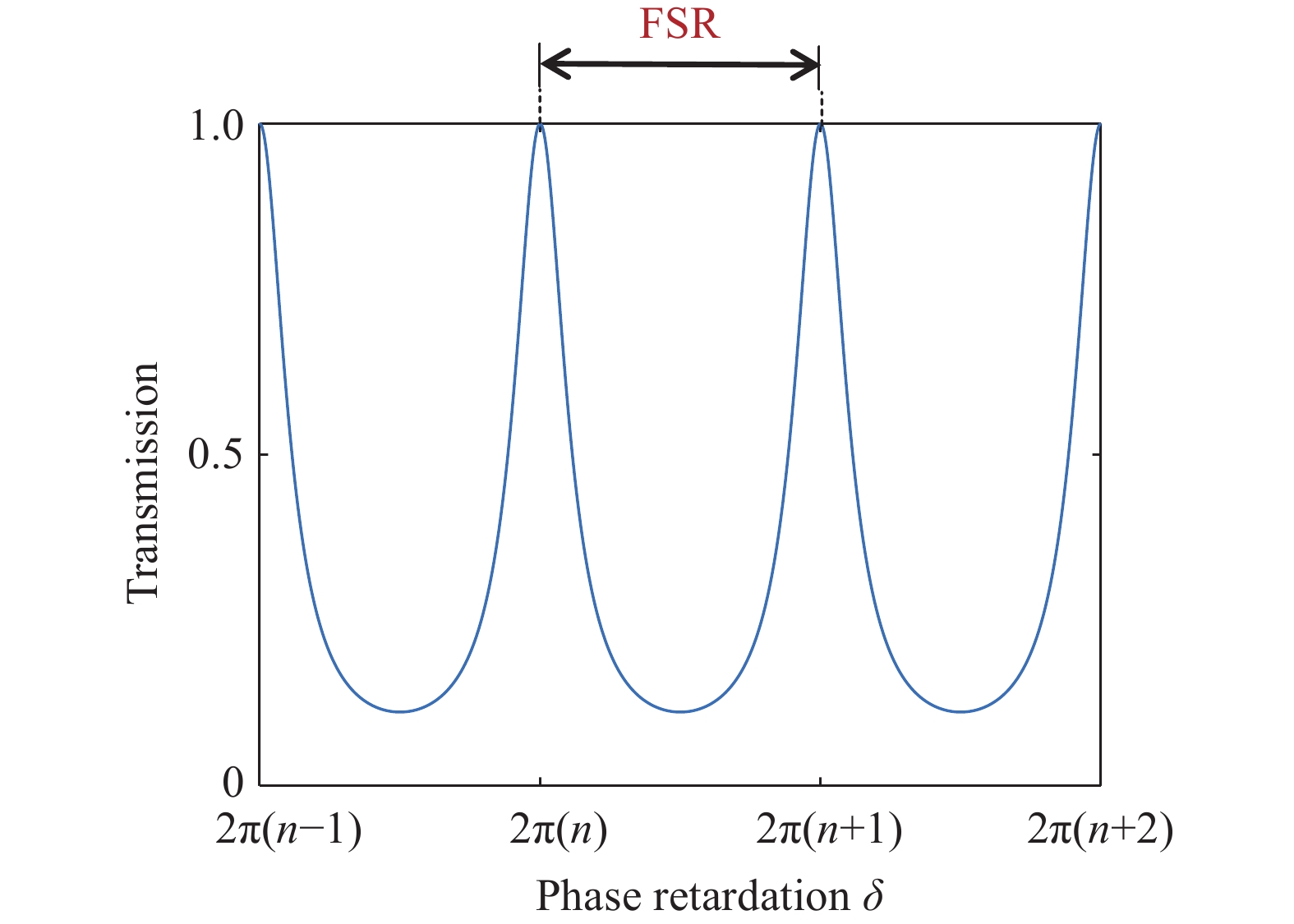
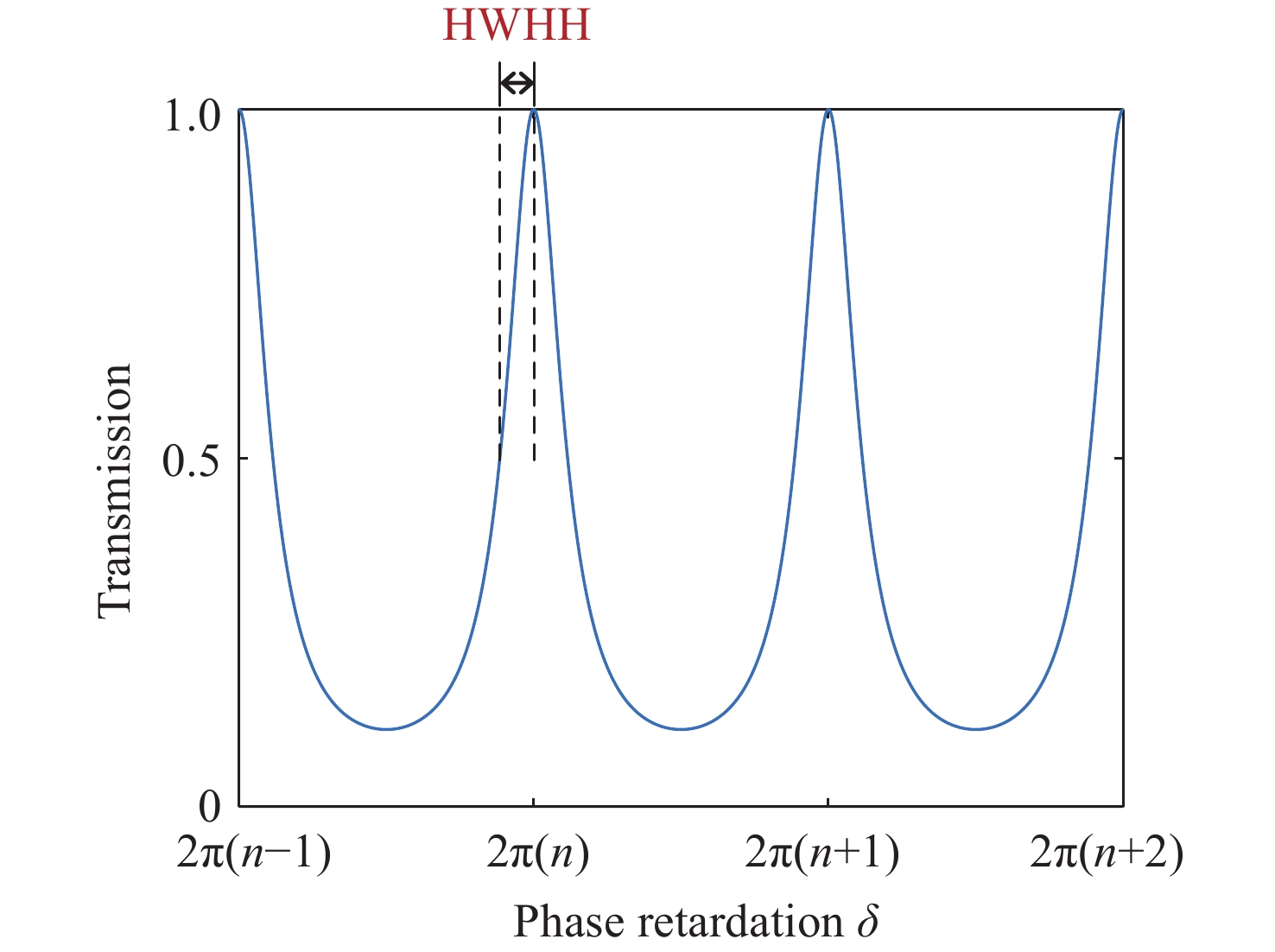
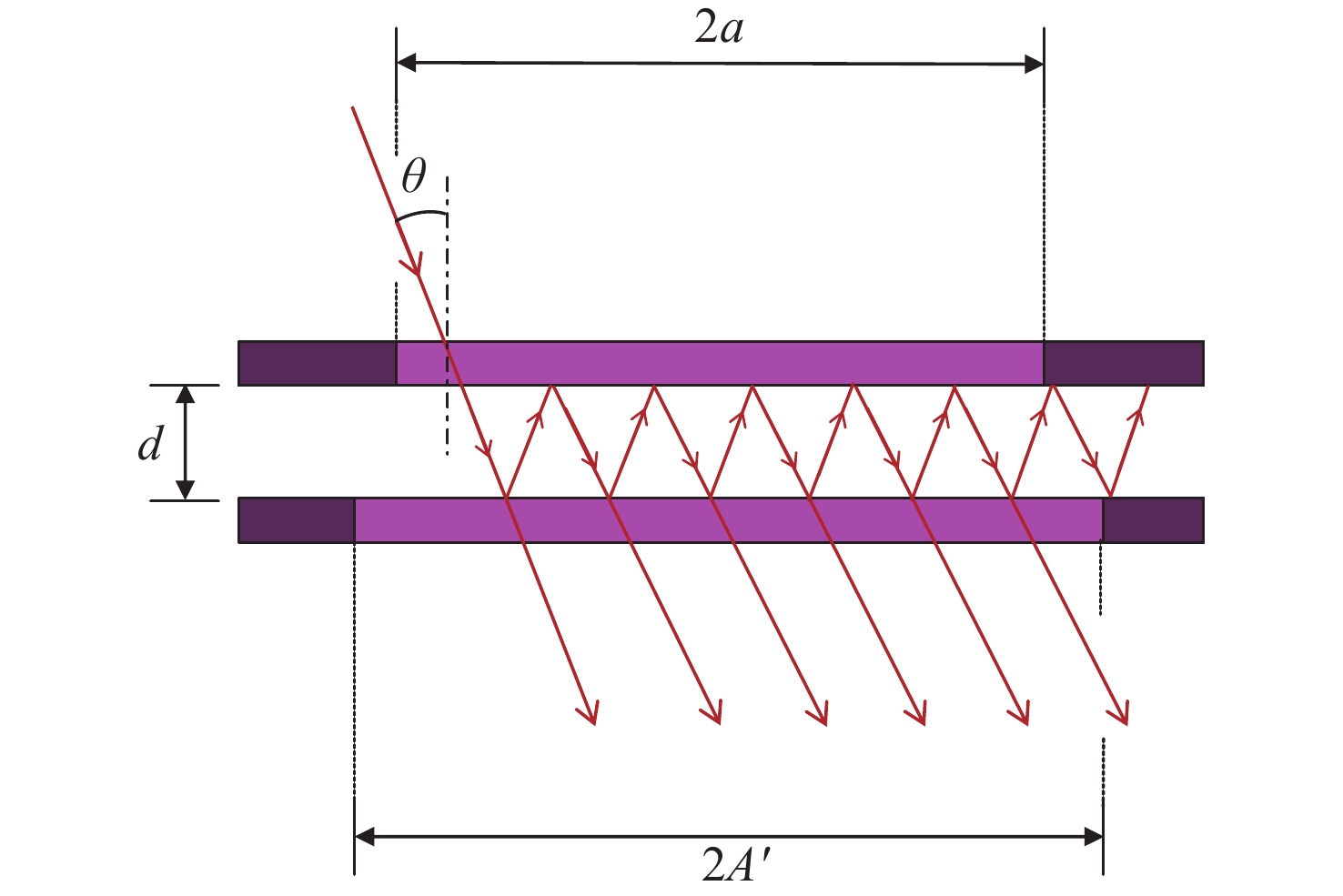
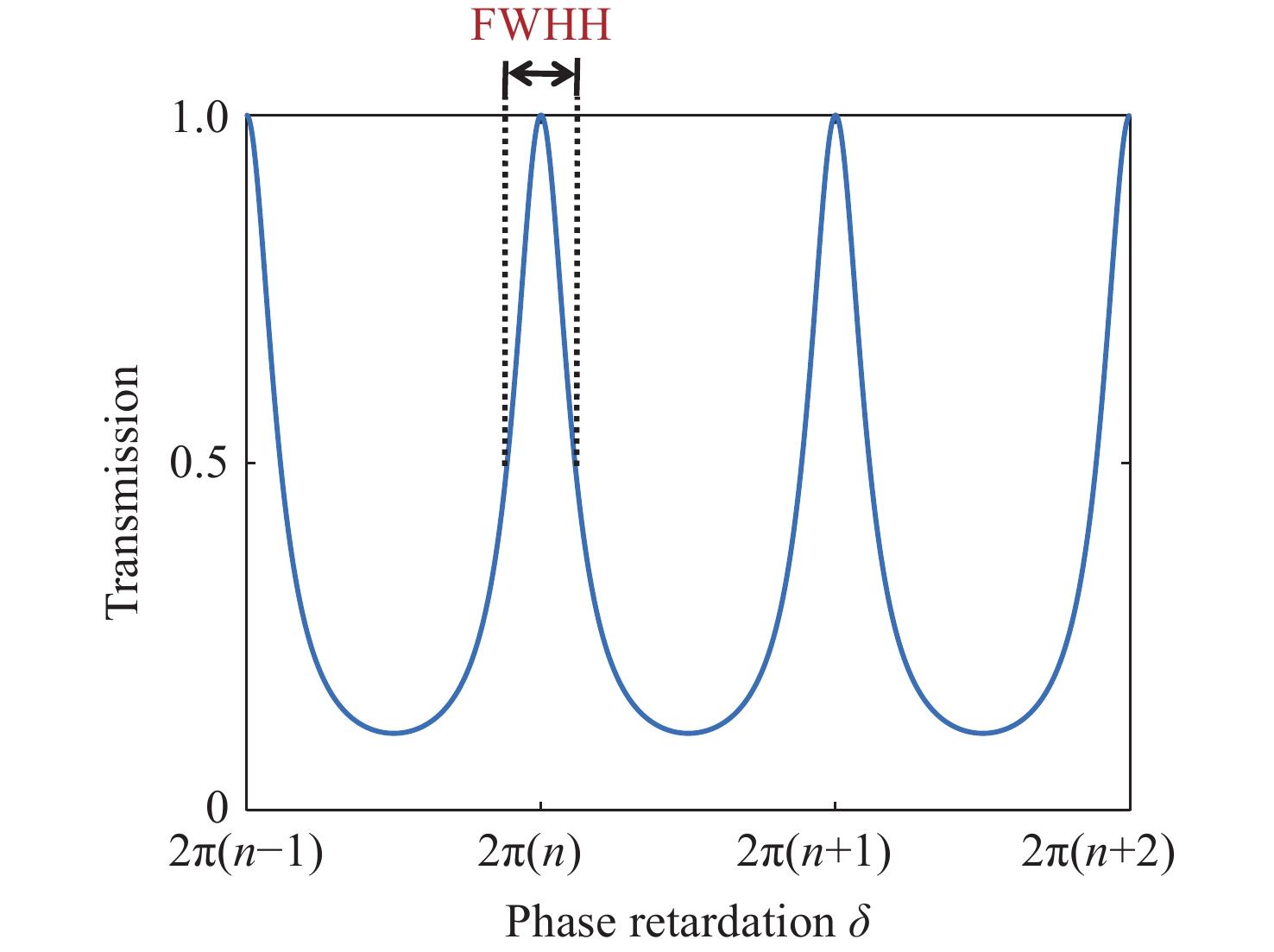
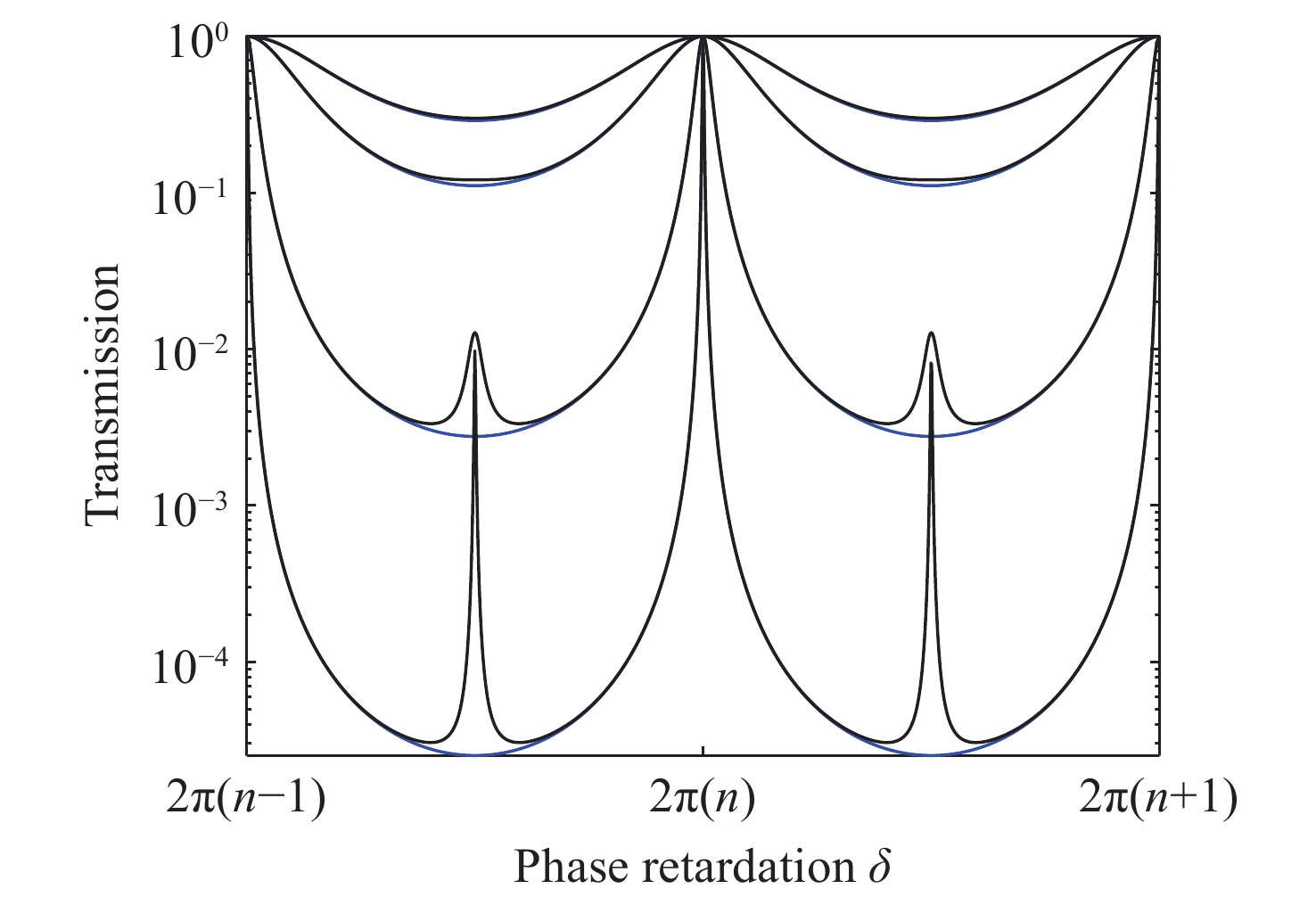
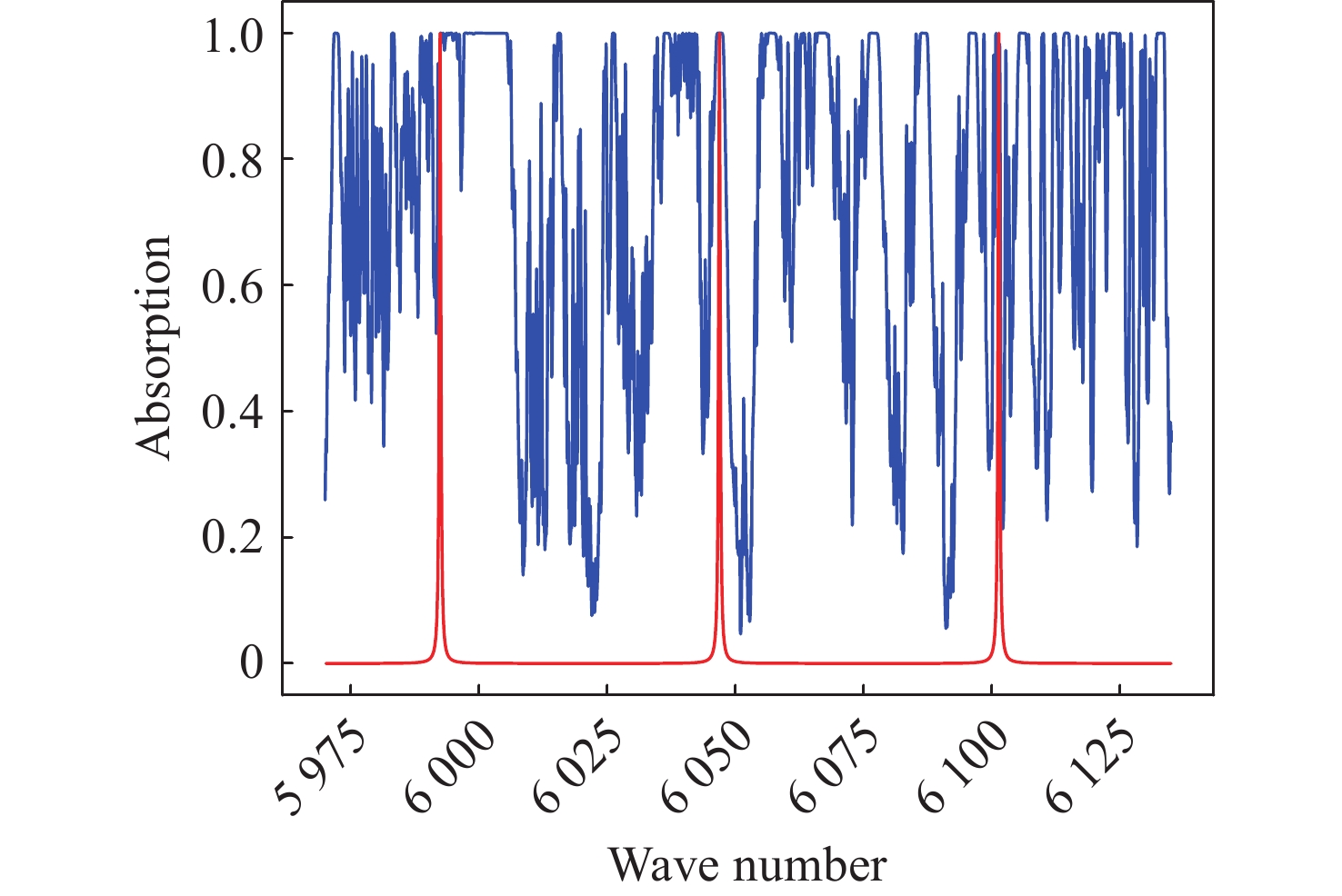
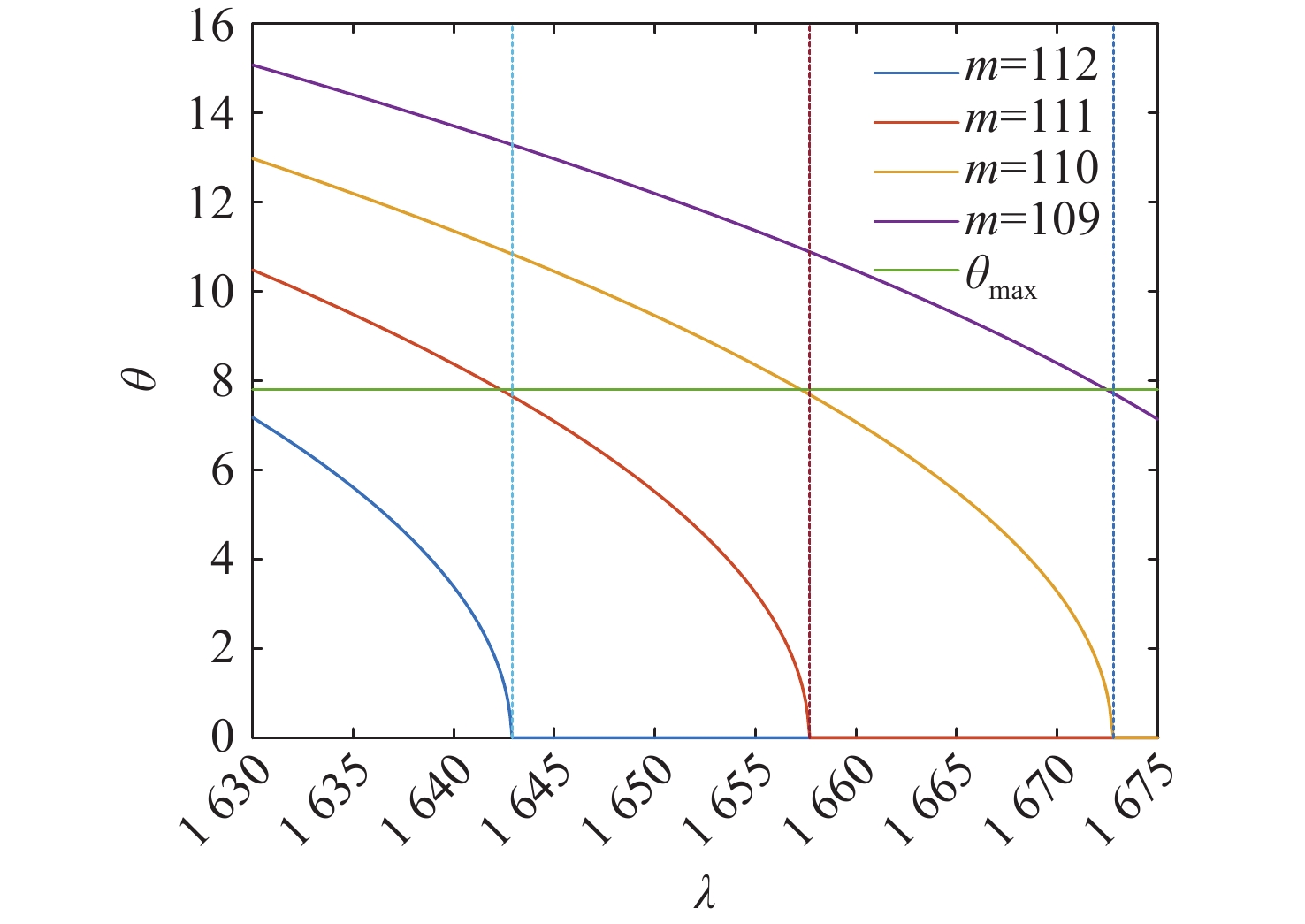
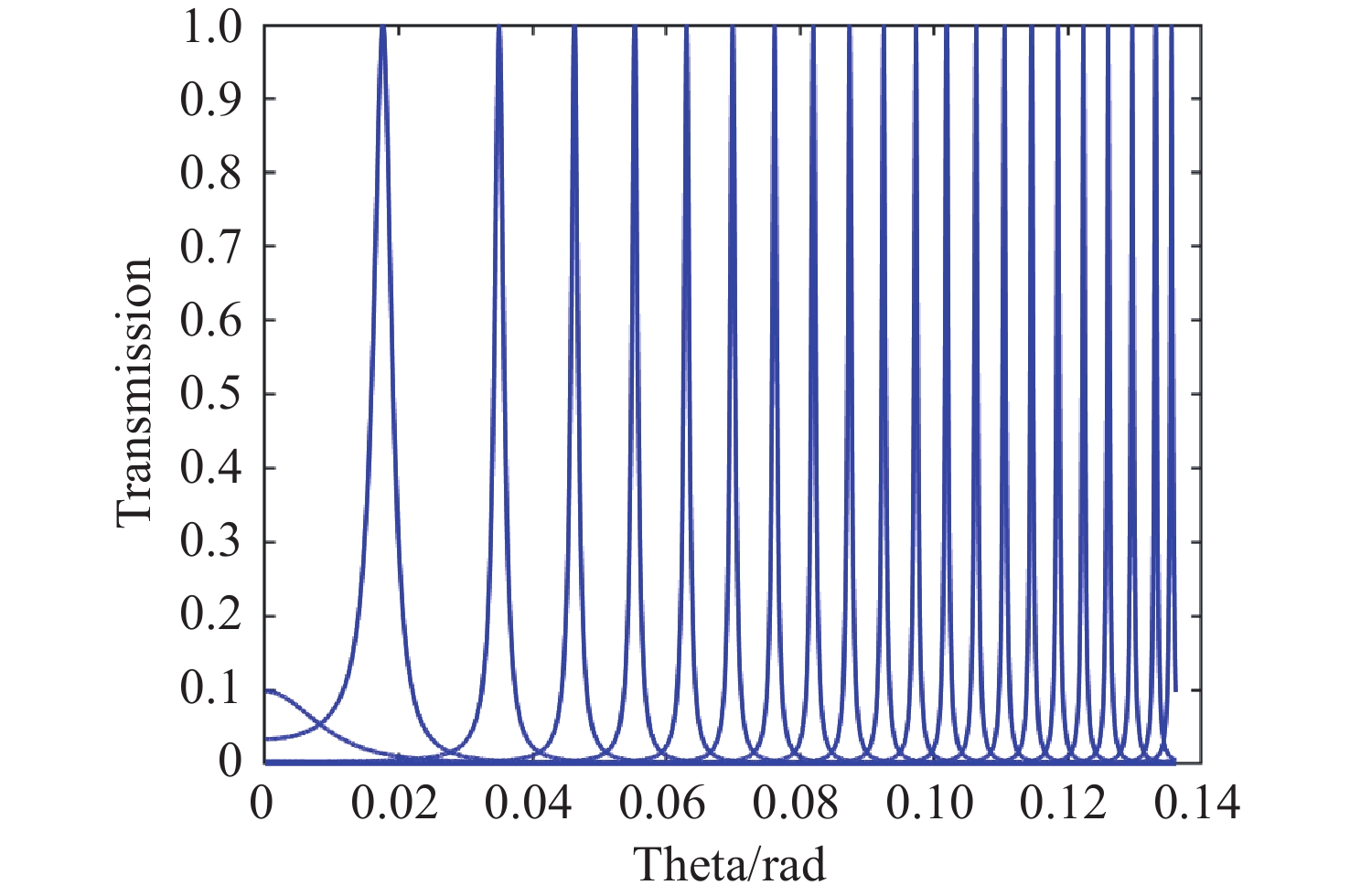
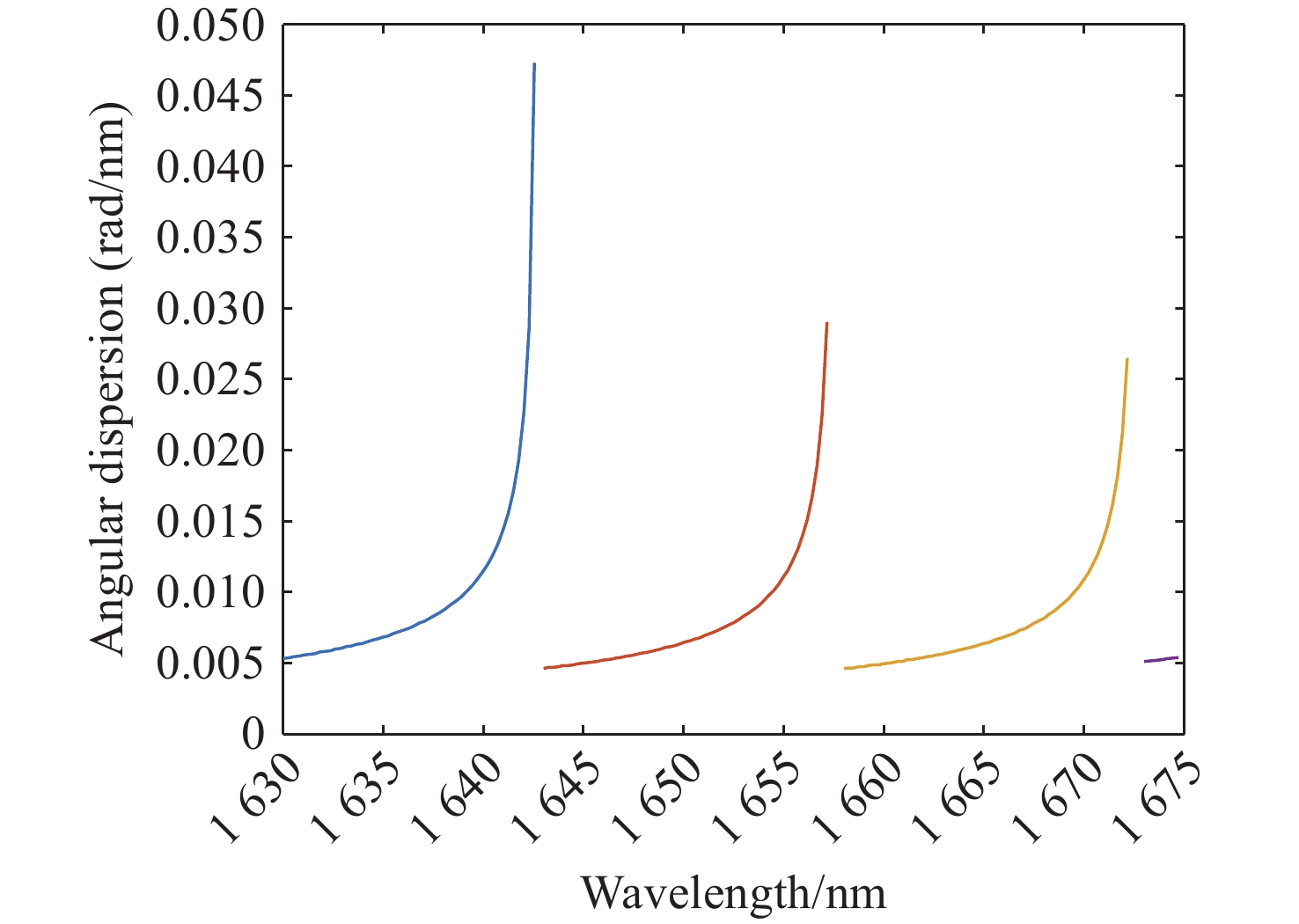
To accurately monitor methane emissions from point sources, this paper explores the use of a Fabry-Perot (F-P) interferometer as the spectroscopic element of a spatial imaging spectrometer, aiming to achieve both high spatial and high spectral resolution. The study focuses on constructing both theoretical and physical models of the F-P cavity to meet the technical requirements of methane point-source monitoring. First, an initial theoretical model of F-P cavity interference under ideal conditions is developed based on multi-beam interference theory. Building upon this, a corresponding geometric model is established by considering the effect of finite throughput aperture, from which a theoretical model under finite aperture conditions is derived. In addition, a more comprehensive theoretical framework is constructed by incorporating surface defect distribution functions to account for microscopic random inhomogeneities and curvature defects. In the physical model development, the F-P cavity is initially designed based on the ideal theoretical model to match the spectral characteristics of methane absorption. Using the finite-aperture theoretical model, the transmission intensity curve and its slope are analyzed, and the aperture size is precisely determined based on the physical meaning of the slope. Subsequently, the physical model is further optimized by adjusting the wedge angle at the rear surface of the mirror. To meet specific spectral and technical targets, the allowable variation in the gap spacing between the two parallel mirrors is thoroughly analyzed, thereby defining the tolerance range for the cavity gap. Surface roughness, figure accuracy, and parallelism of the reflective surfaces are then specified according to surface defect considerations. Ultimately, the optimized F-P cavity achieves a spectral resolution of 0.29 nm, meeting the technical requirements for methane point-source monitoring. By constructing a comprehensive theoretical model and optimizing the physical design, this study enables the realization of both high spectral and spatial resolution, provides a theoretical foundation for applying F-P interferometers in spatial imaging spectrometry, and supports the advancement of high-precision spectral detection technologies.
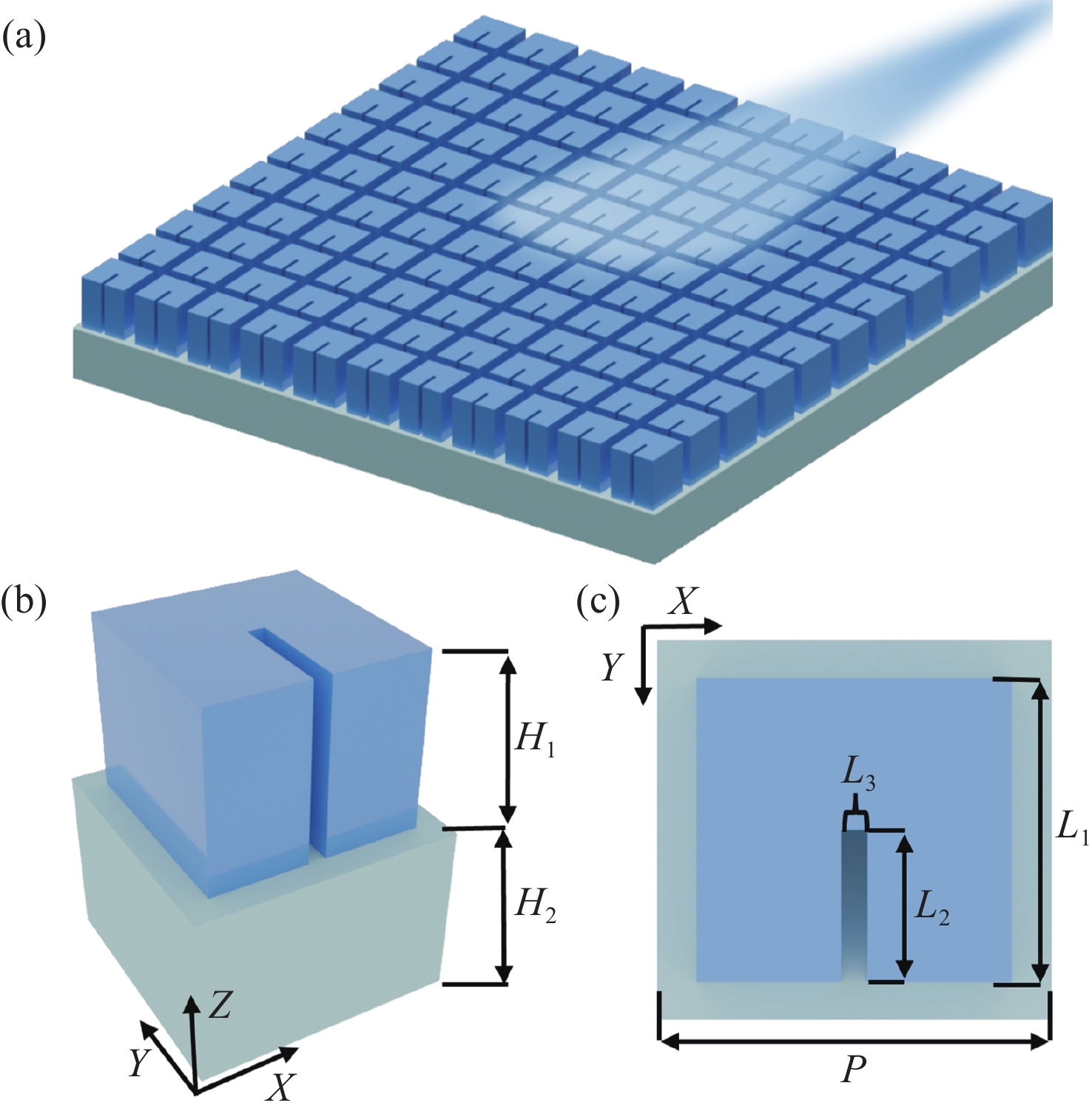
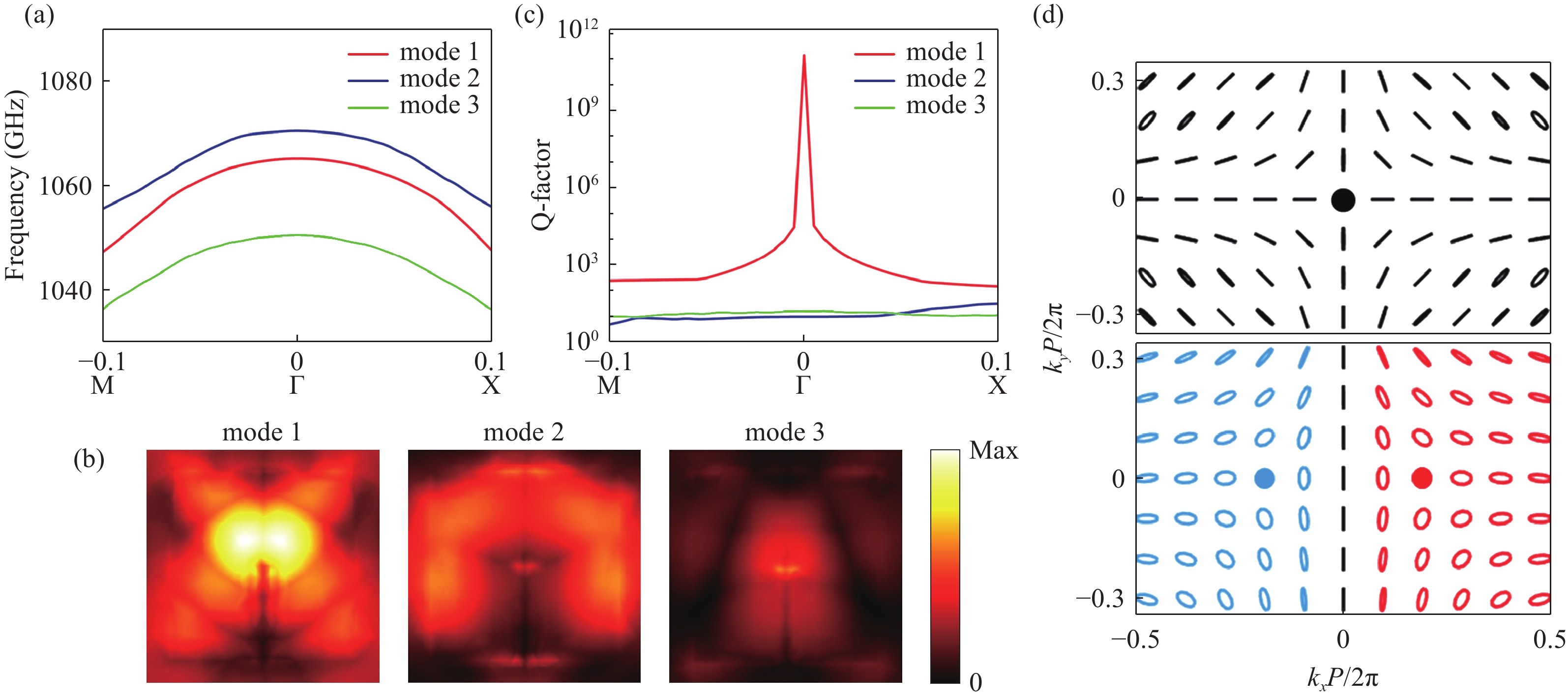
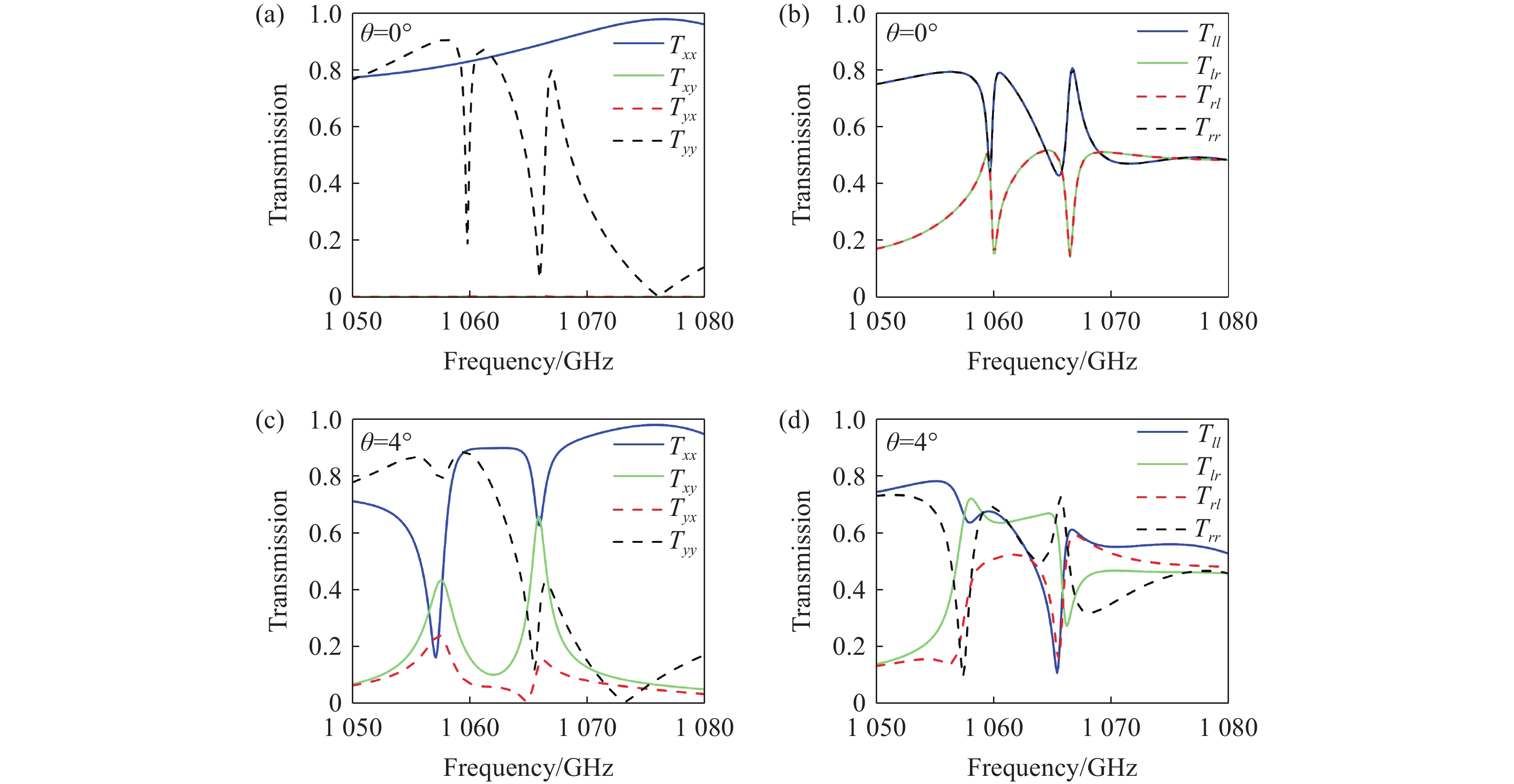
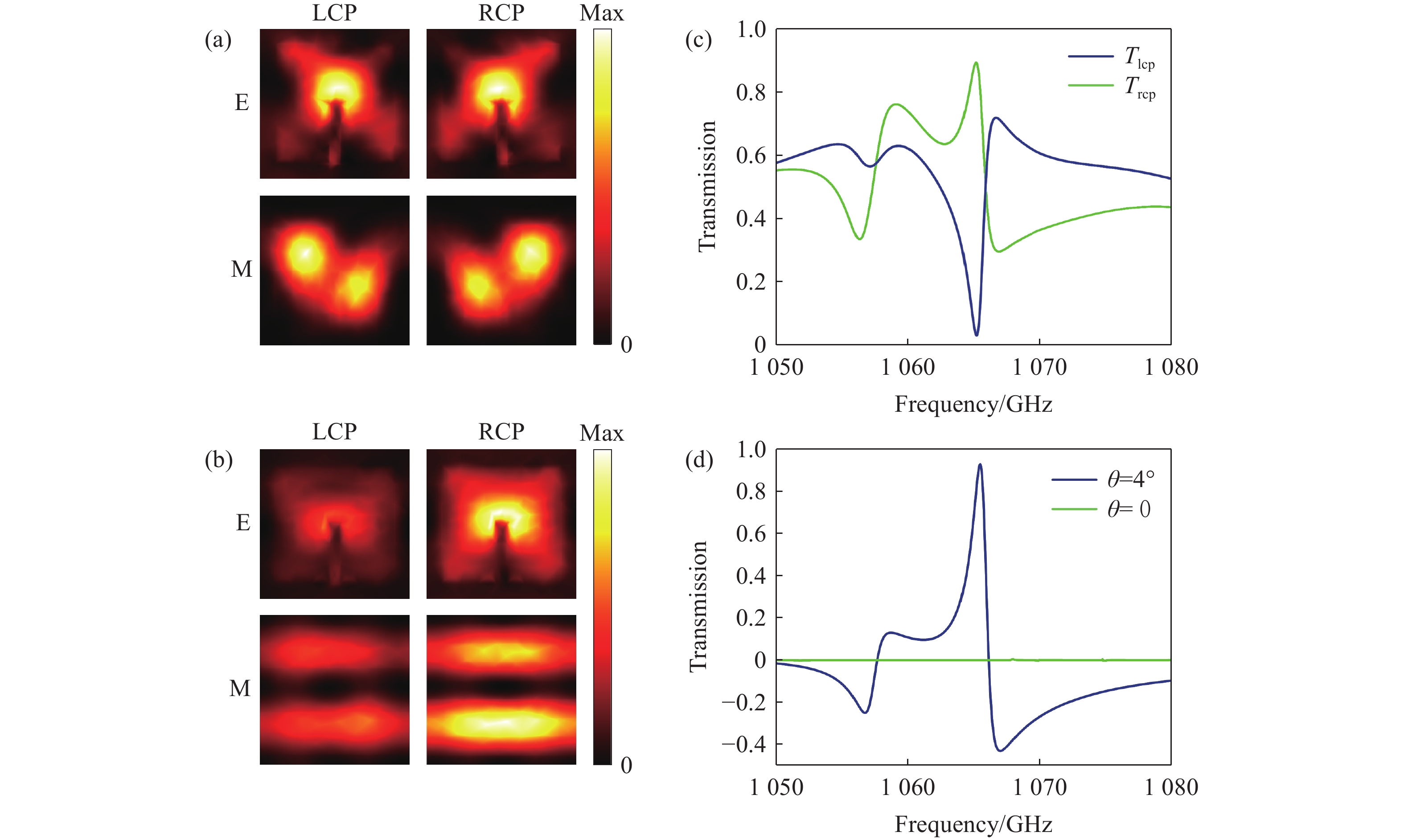
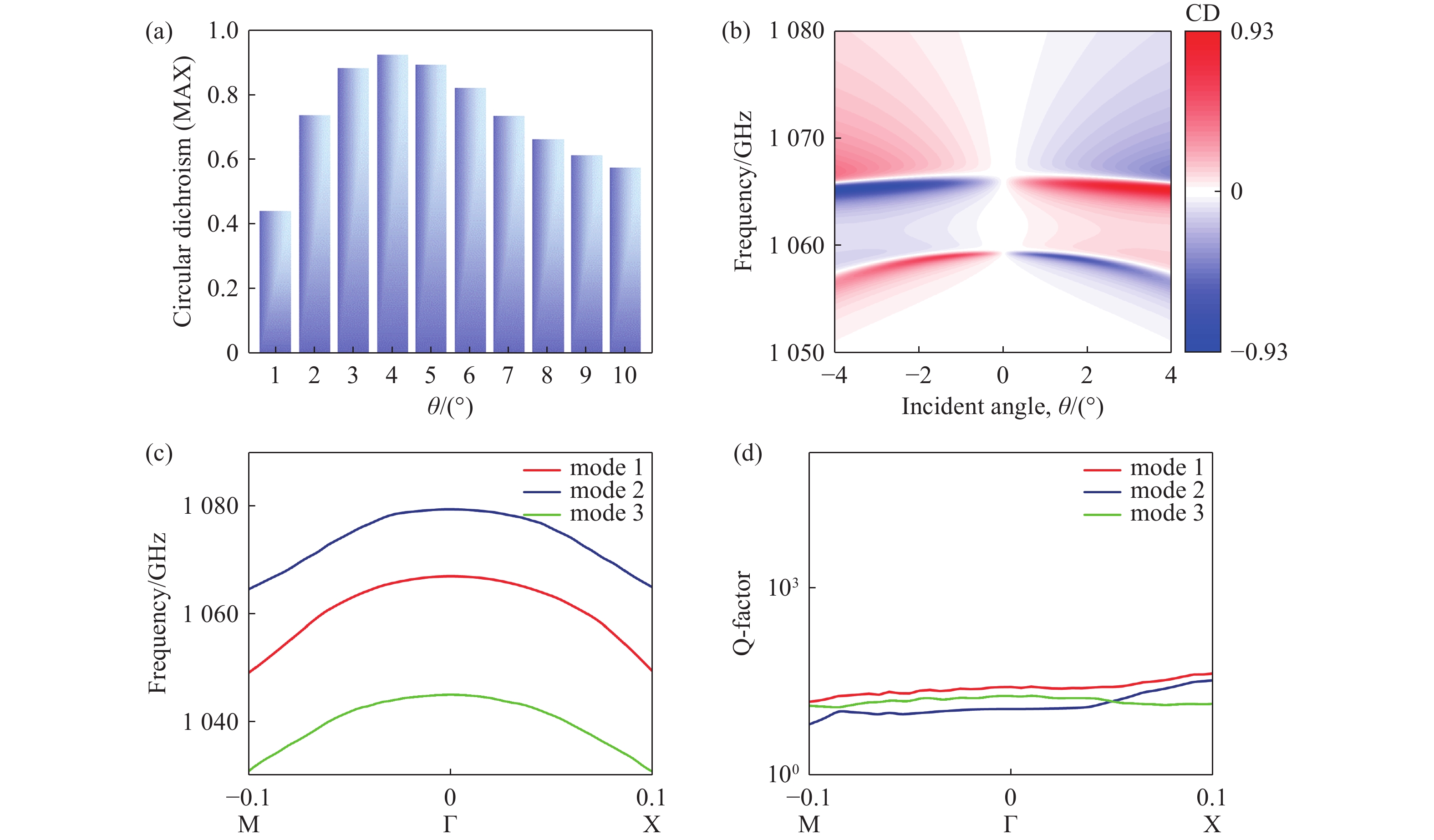
Chiral metasurfaces play critical role in physics, materials science, pharmacognosy, and communications. To achieve high-performance chiral responses, such as high circular dichroism (CD) and high-quality factors (Q-factors), bound-state-in continuum (BIC), BIC-based metasurfaces have been extensively studied as a promising platform. However, most realized BIC metasurfaces rely on metallic constituents whose high electromagnetic losses and absence of dynamic chirality tuning together impose a severe limit on their practical potential. This paper presents an all-dielectric chiral BIC metasurface. By illumination symmetry breaking, the metasurface exhibits a CD value of 0.93. Additionally, dynamic tuning of CD is enabled by external optical pumping. This scheme provides a new avenue for dynamically manipulating the chiral metasurface, which can be used to achieve more complex dynamic chiral characterization and applications.