



Physics-informed computational aberration correction for simplified optical systems
-
摘要:
针对高性能光学系统存在的结构复杂、成本高昂的问题,本研究提出了一种面向计算校正的光学系统简化与像差校正方法。在光学设计端,构建基于像差可校正性分析的光学系统简化设计准则:优先抑制神经网络难以补偿的像差,保留易于计算校正的部分,从而在保证成像质量的前提下简化光学系统结构。在计算处理端,设计了一个包含畸变校正、色差补偿、基于物理约束点扩散函数的单色像差校正和频域增强四个模块的多模块分阶段协同校正网络。该网络由时间阶段控制器(Temporal Stage Controller,TSC)驱动,利用其动态权重调度机制进行渐进式分阶段处理,有效抑制不同像差类型相互干扰的问题。实验结果表明,简易双透镜系统经过该网络校正后的图像峰值信噪比达到31.47 dB,结构相似性达到0.95,成像质量与传统六透镜双高斯系统相当,而光学系统复杂度显著降低。消融实验验证了TSC与多模块校正架构的有效性。该研究为简化光学系统实现高质量成像提供了新的技术路径。
Abstract:To address the issues of structural complexity and high cost in high-performance optical systems, this study proposes an optical system simplification and aberration correction method oriented towards computational correction. On the optical design side, a simplification design criterion based on aberration correctability analysis is constructed: priority is given to suppressing aberrations that are difficult for neural networks to compensate, while retaining portions amenable to computational correction, thereby simplifying the optical system structure while ensuring imaging quality. On the computational processing side, a multi-module progressive collaborative correction network is designed, comprising four modules: distortion correction, chromatic aberration compensation, monochromatic aberration correction based on physically-constrained Point Spread Function, and frequency-domain enhancement. This network is driven by a Temporal Stage Controller (TSC), which utilizes its dynamic weight scheduling mechanism for progressive stage-wise processing, effectively suppressing the mutual interference between different aberration types. Experimental results demonstrate that images from a simplified dual-lens system corrected by this network achieve a Peak Signal-to-Noise Ratio (PSNR) of 31.47 dB and Structural Similarity (SSIM) of 0.95, with imaging quality comparable to conventional six-lens double-Gauss systems, while significantly reducing optical system complexity. Ablation studies validate the effectiveness of the TSC and multi-module correction architecture. This research provides a novel technical pathway for achieving high-quality imaging with simplified optical systems.
-
Key words:
- aberration correction /
- computational imaging /
- simplified lens system /
- deep learning
-
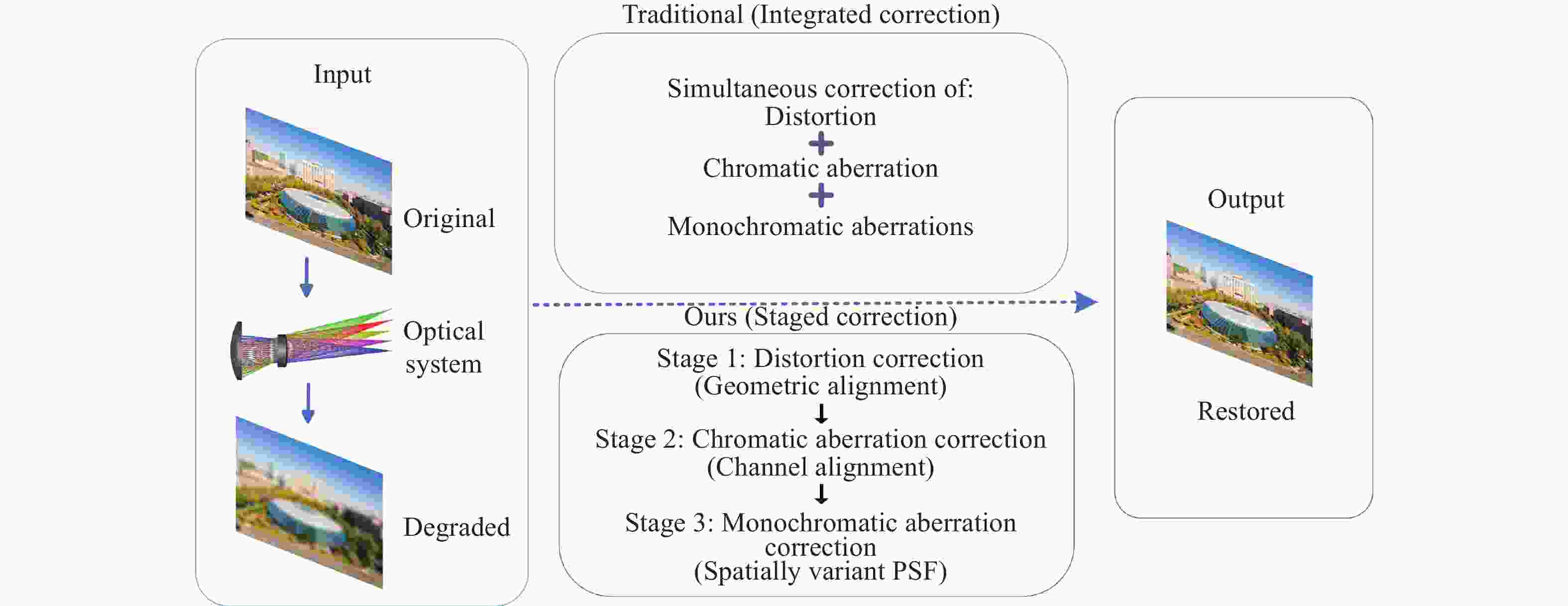
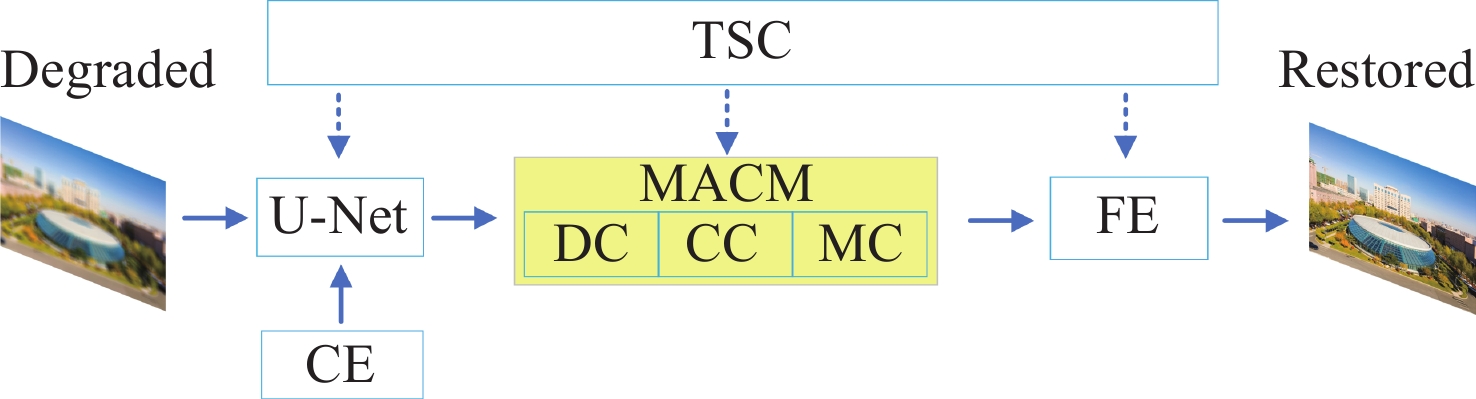
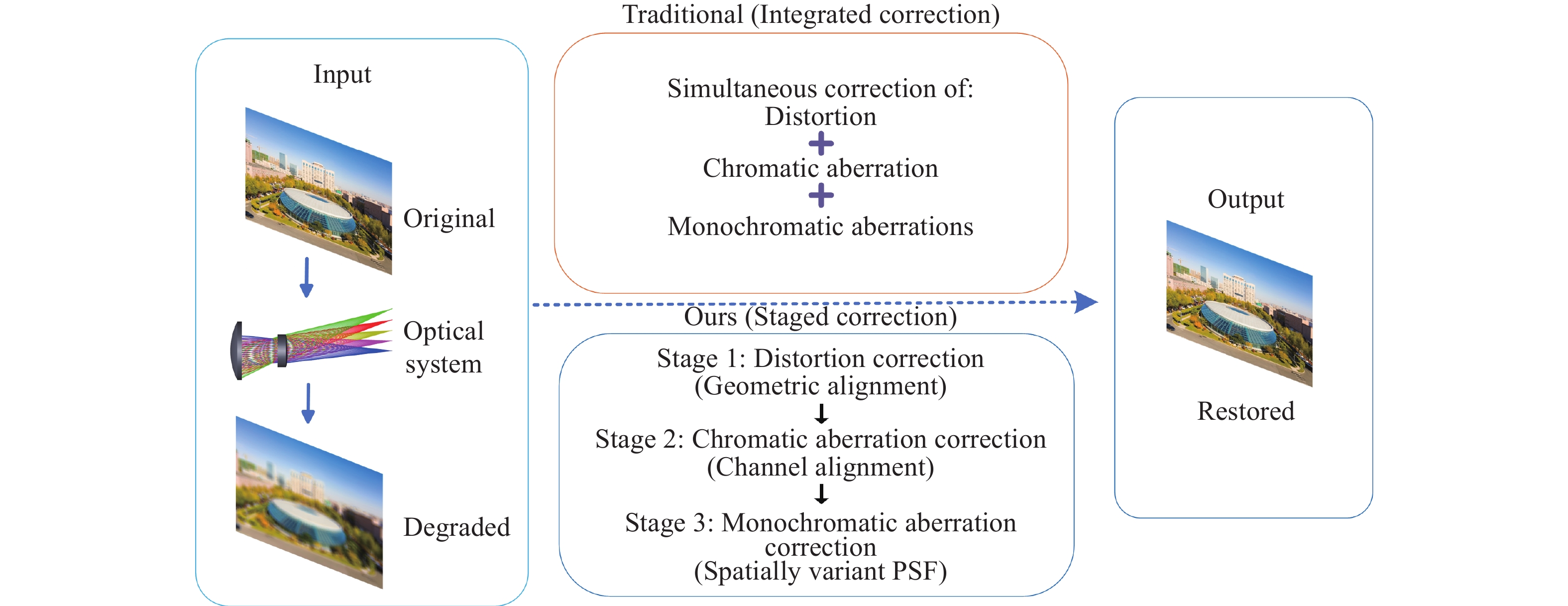
图 1 传统综合像差校正与多模块分阶段像差校正策略对比
Figure 1. Comparison between traditional integrated and multi-module staged aberration correction strategy
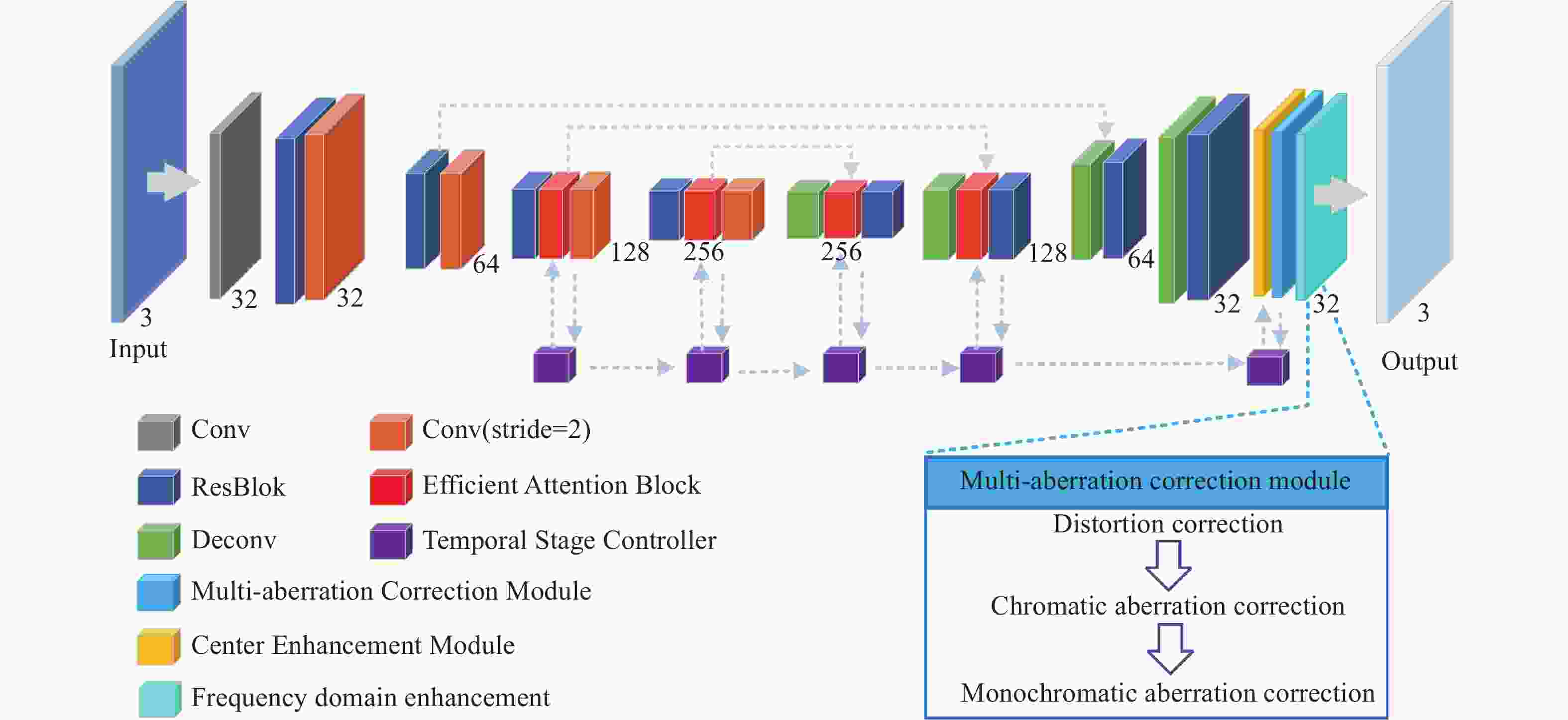
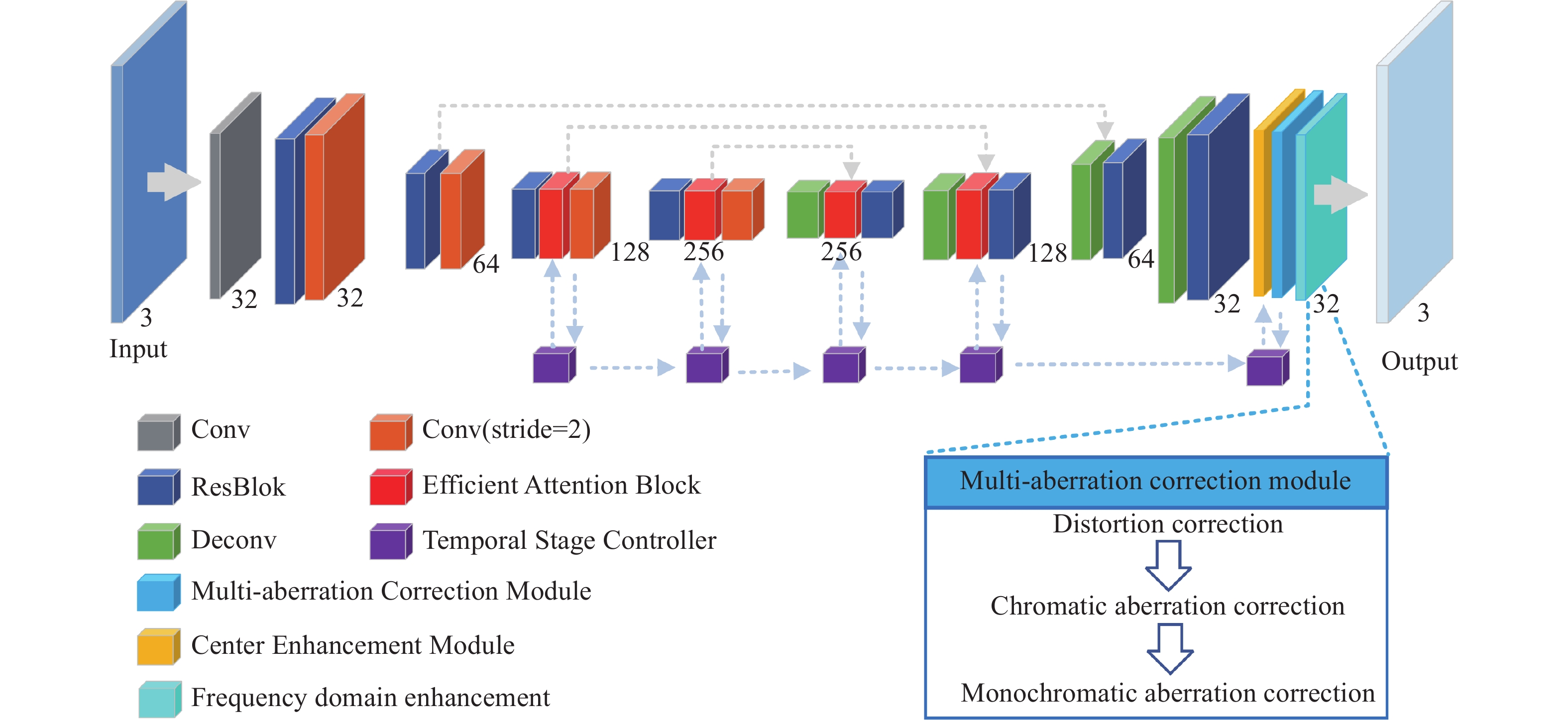
图 2 时序可控协同多像差校正网络架构
Figure 2. Architecture of the temporally-controlled collaborative network for multi-aberration correction
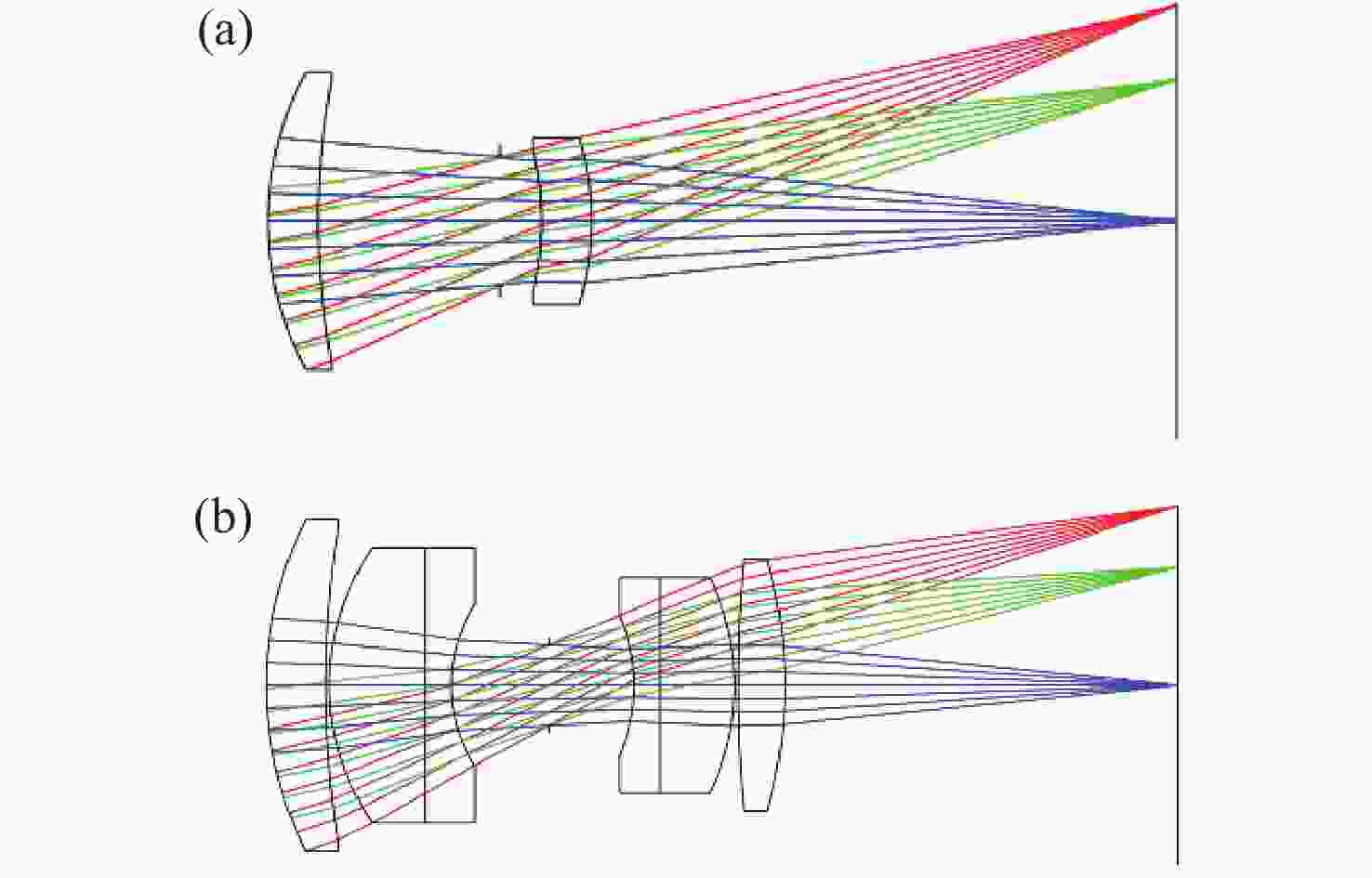
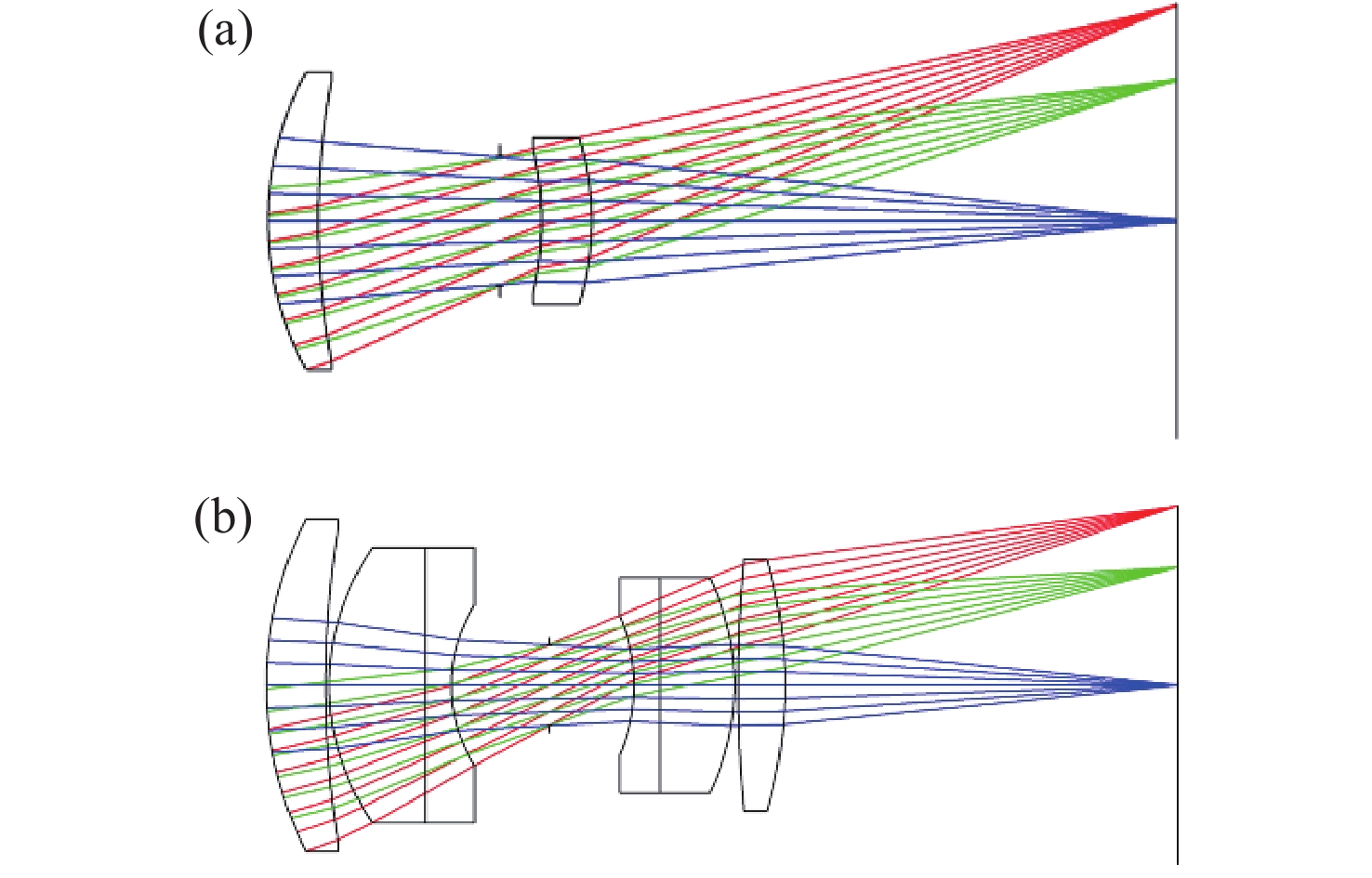
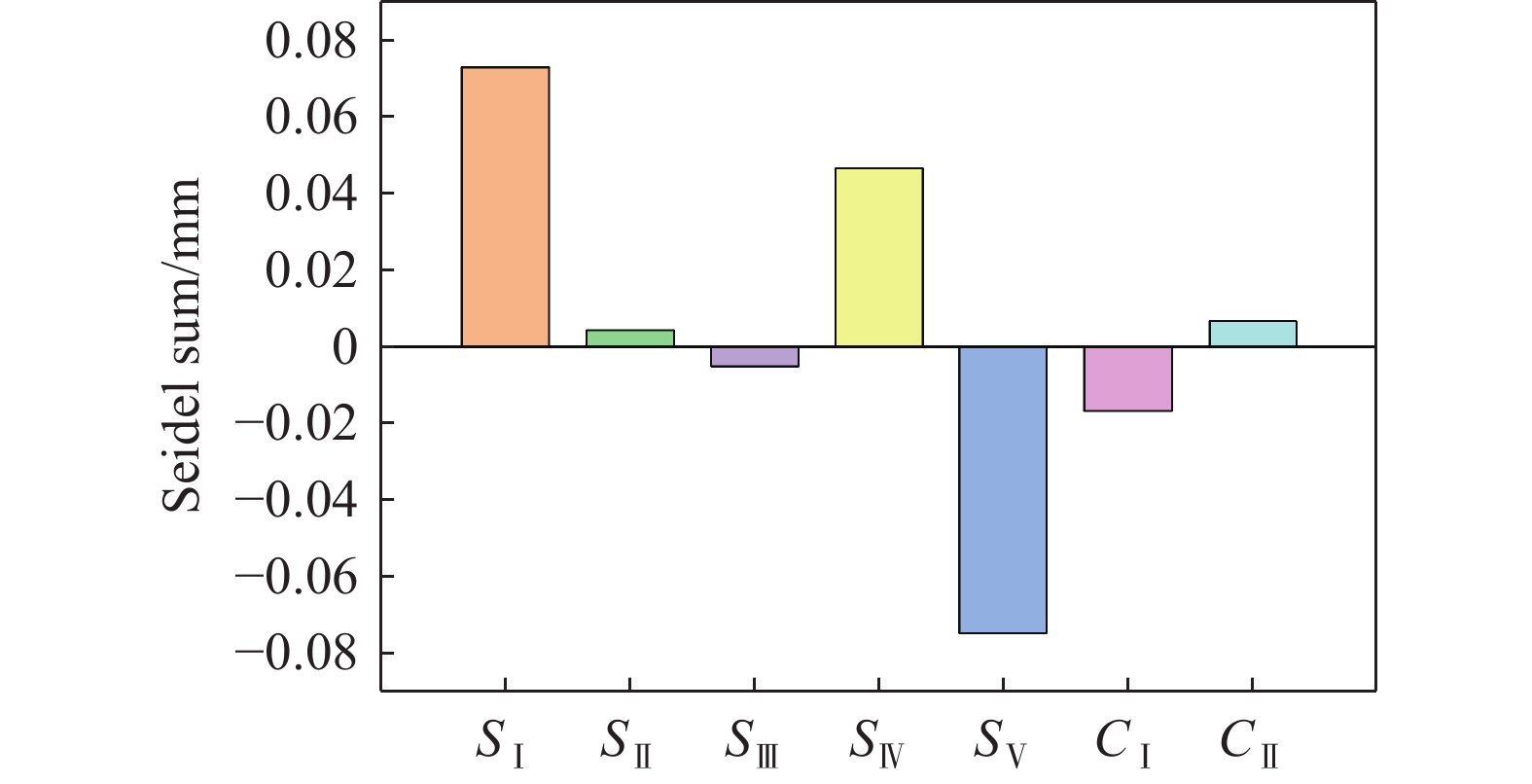
图 6 (a) 双弯月光学系统结构图;(b) 双高斯光学系统结构图
Figure 6. (a) Structure of the double meniscus optical system; (b) structure of the double gauss optical system
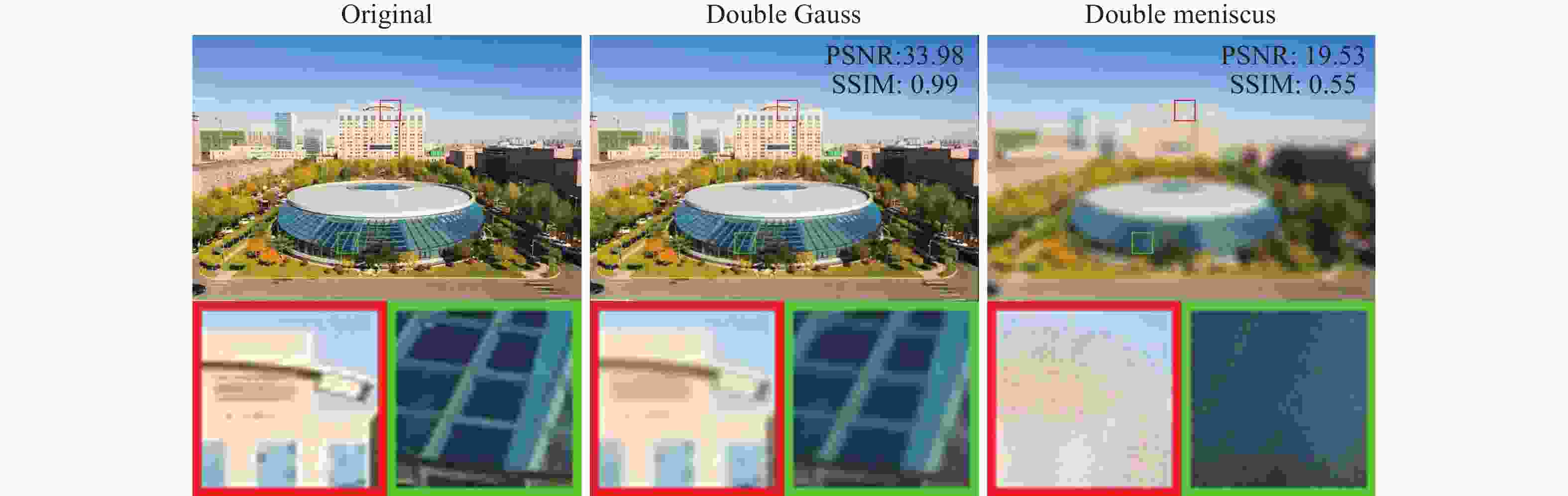
图 8 双高斯光学系统与双弯月光学系统的仿真成像对比
Figure 8. Comparison of simulated imaging between double Gauss and double meniscus optical systems
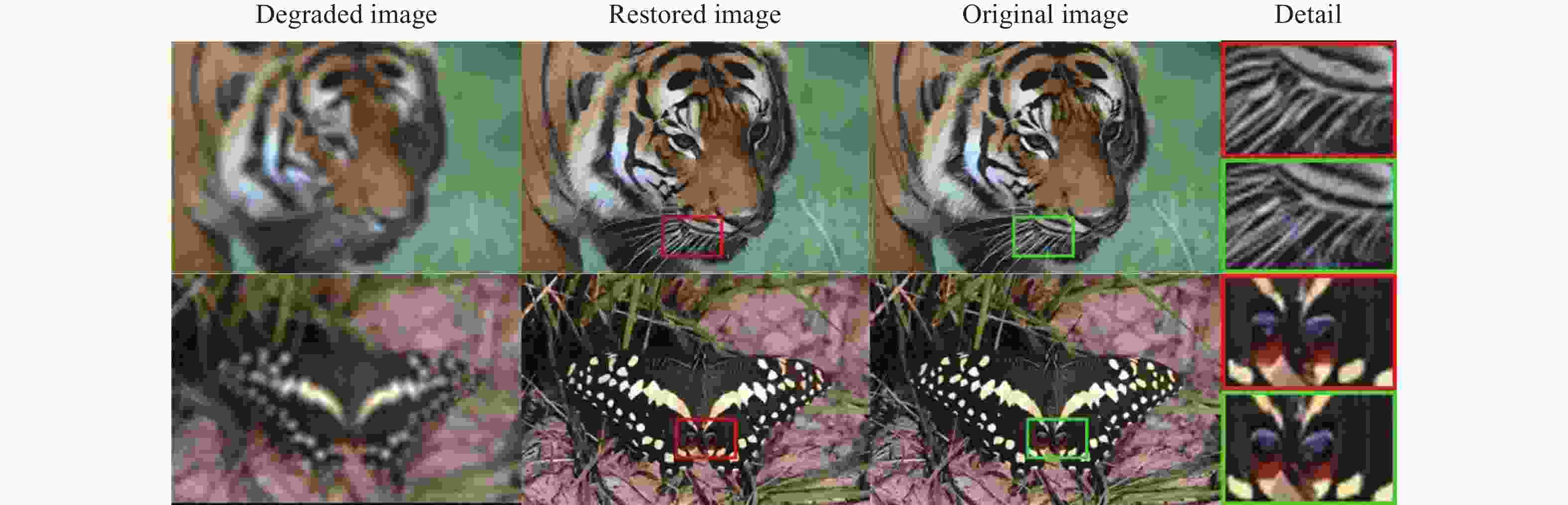
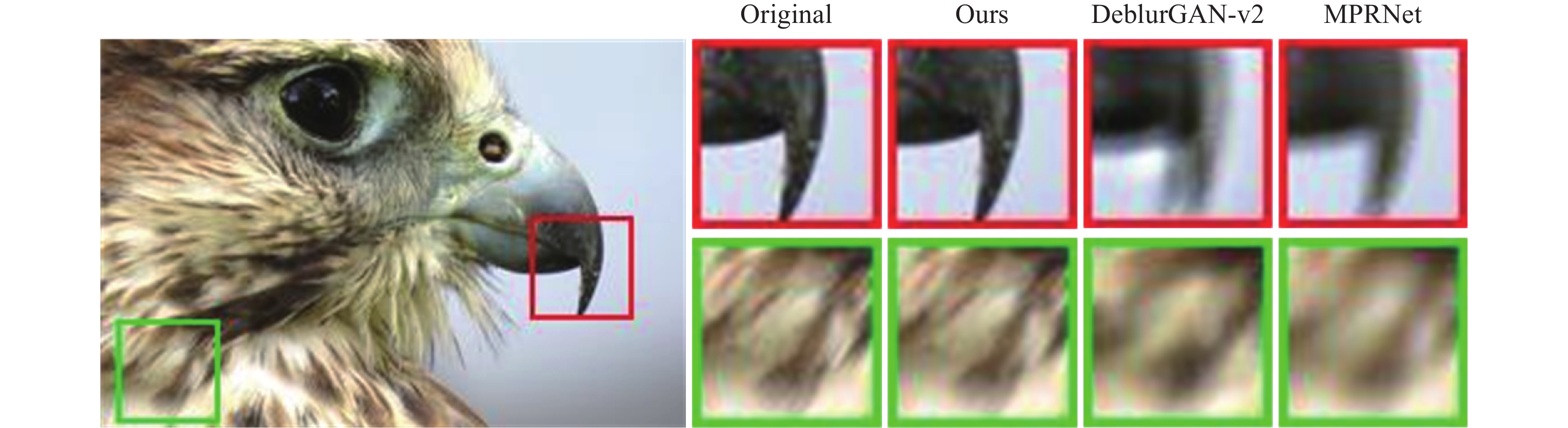
图 9 像差校正网络处理前后图像质量对比
Figure 9. Comparison of image quality before and after aberration correction network processing
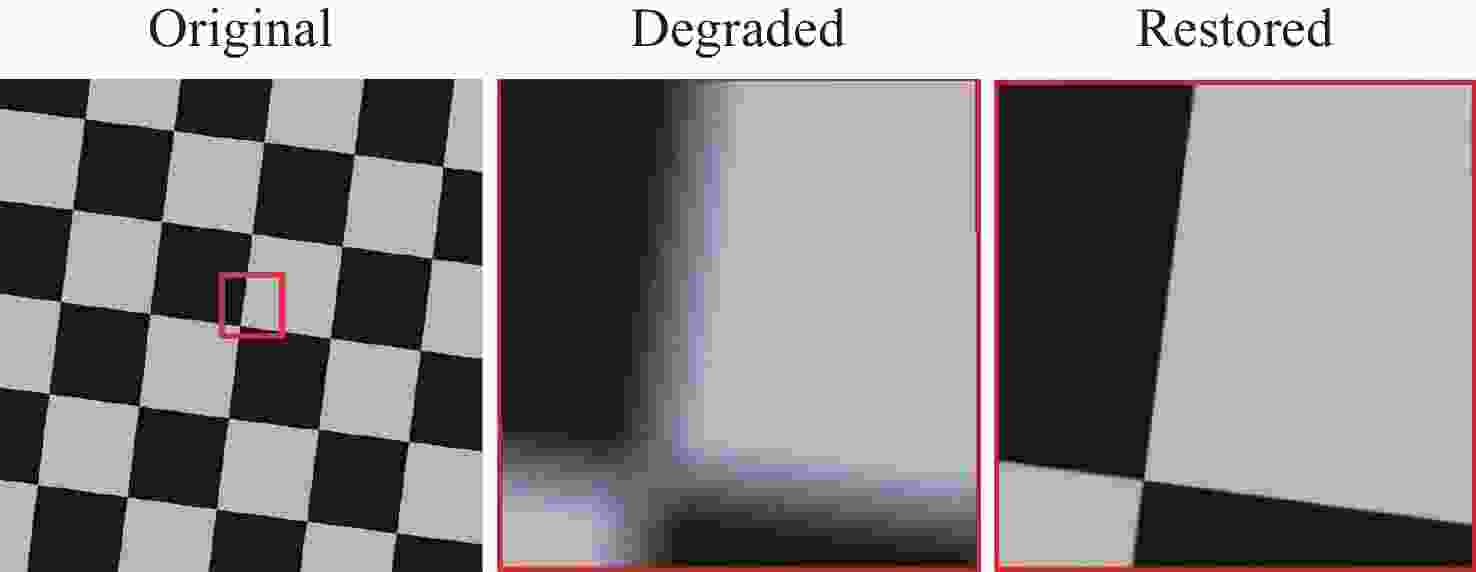
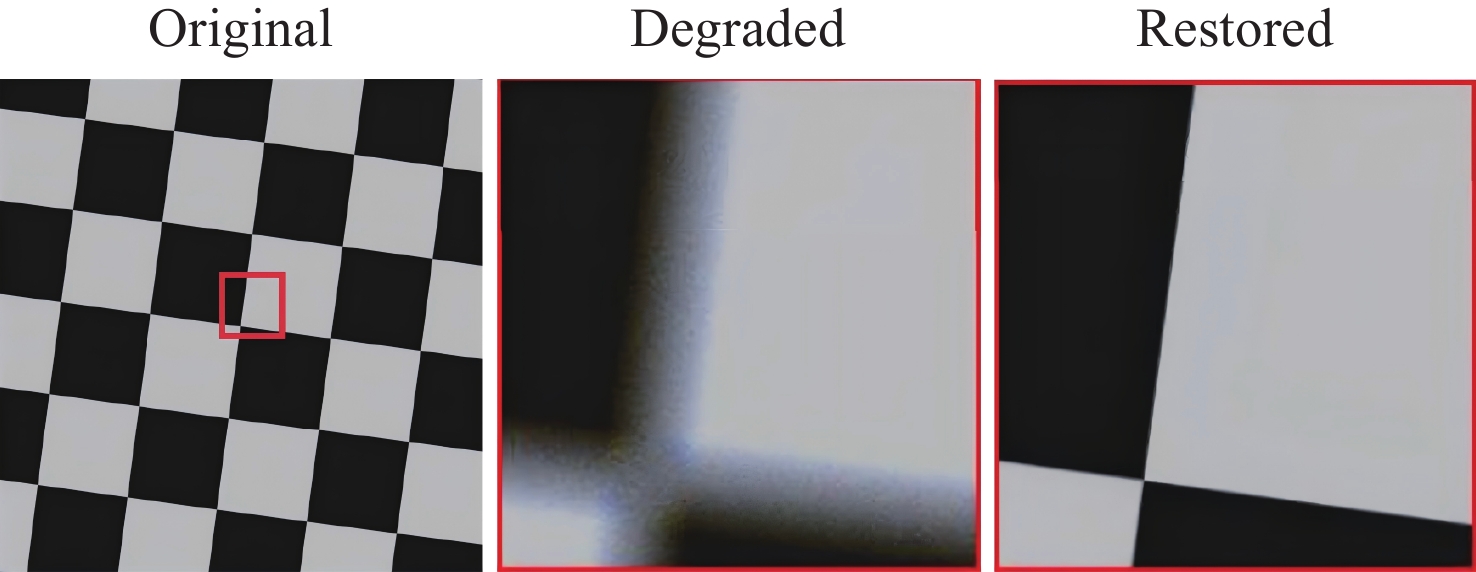
图 10 棋盘格图像退化与校正结果对比(局部放大)
Figure 10. Comparison of checkerboard image degradation and restoration (zoom-in view)
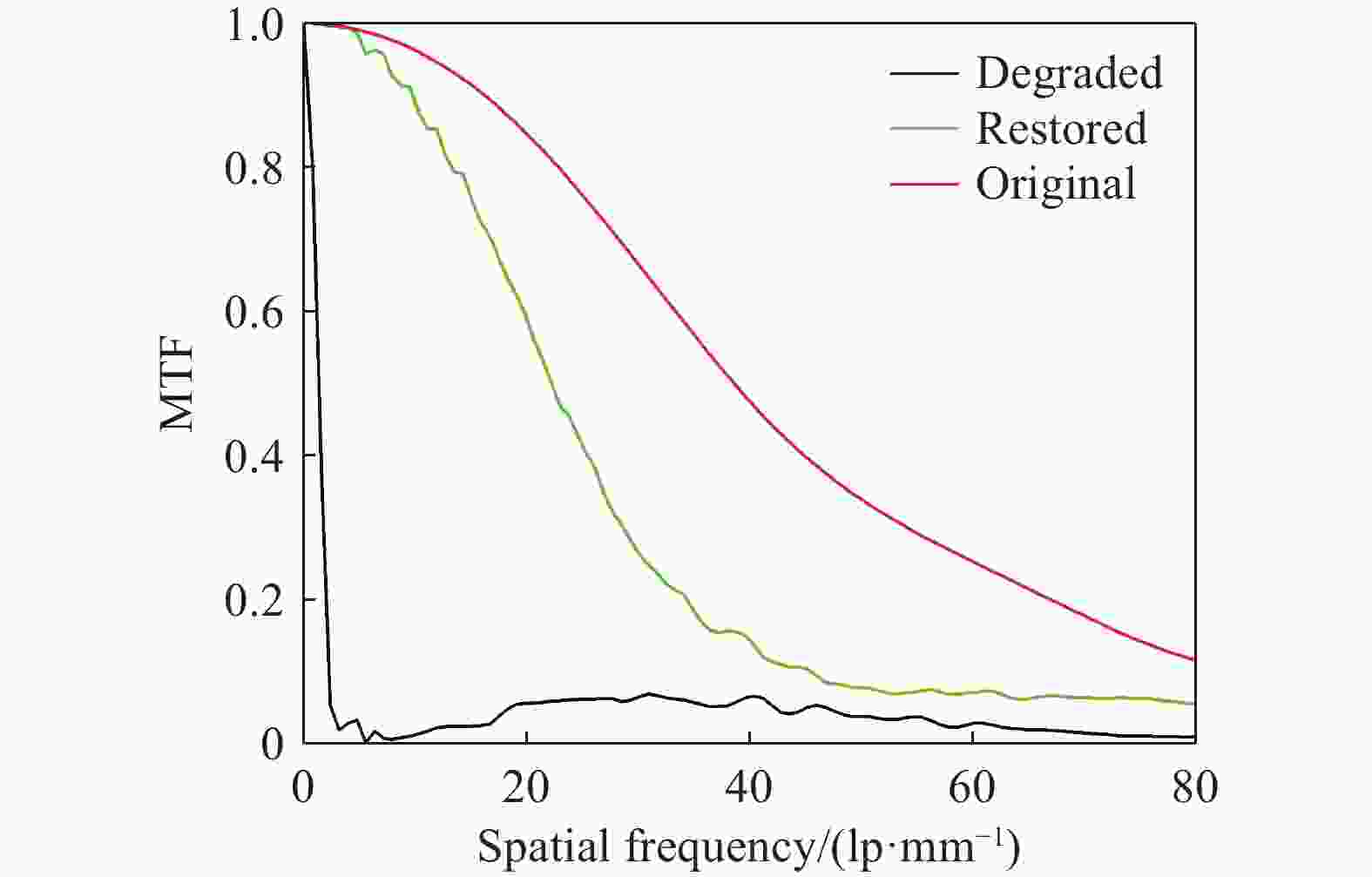
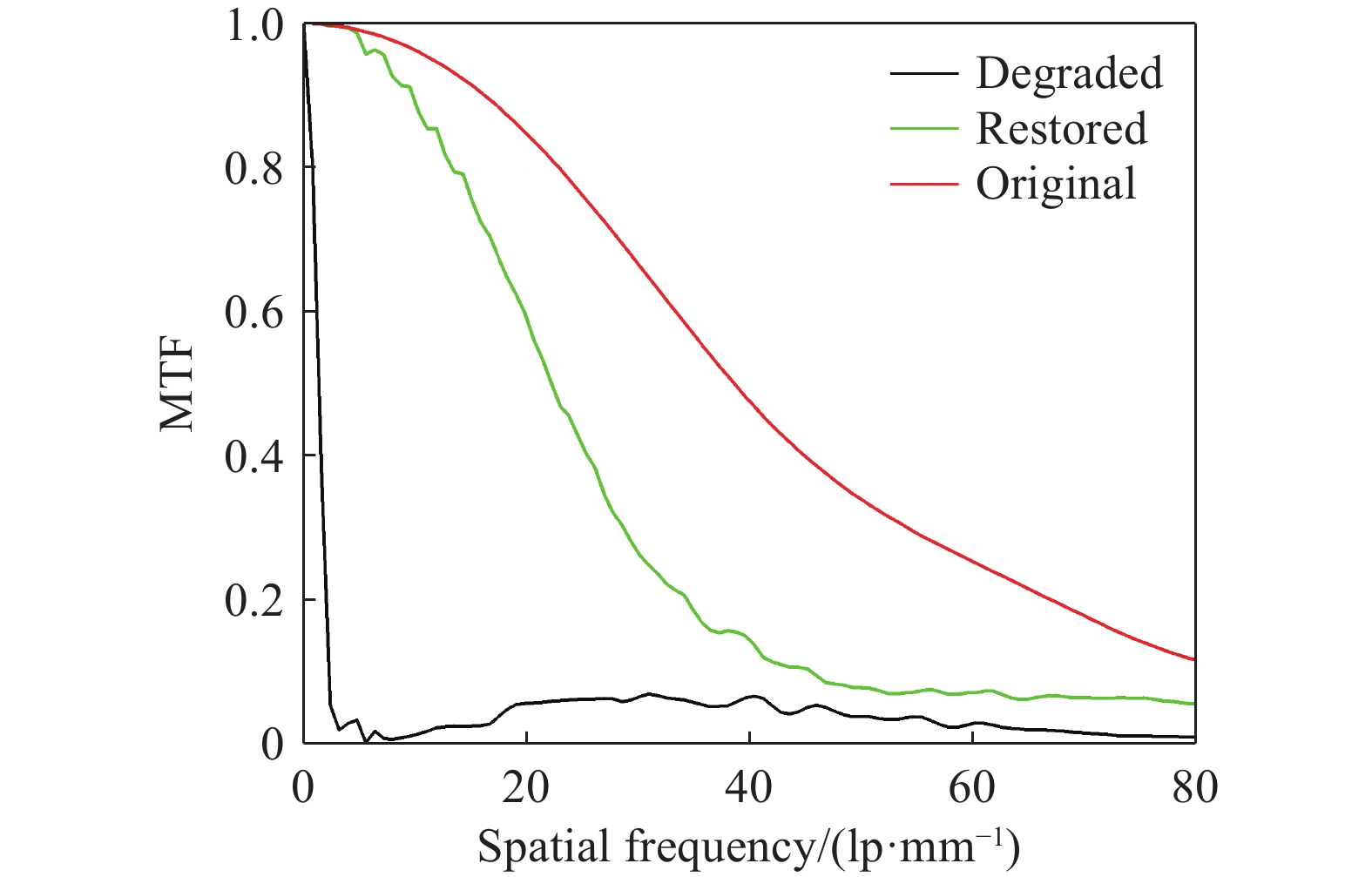
图 11 校正前后系统空间频率响应的MTF定量对比
Figure 11. Quantitative MTF comparison of spatial-frequency response before and after restoration
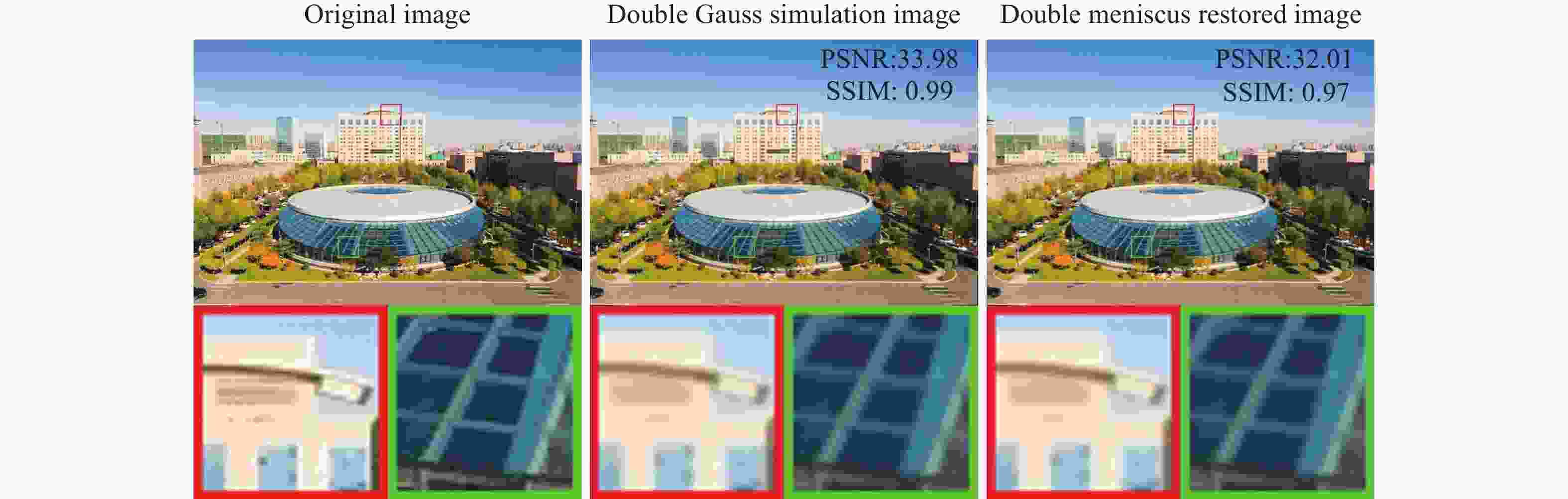
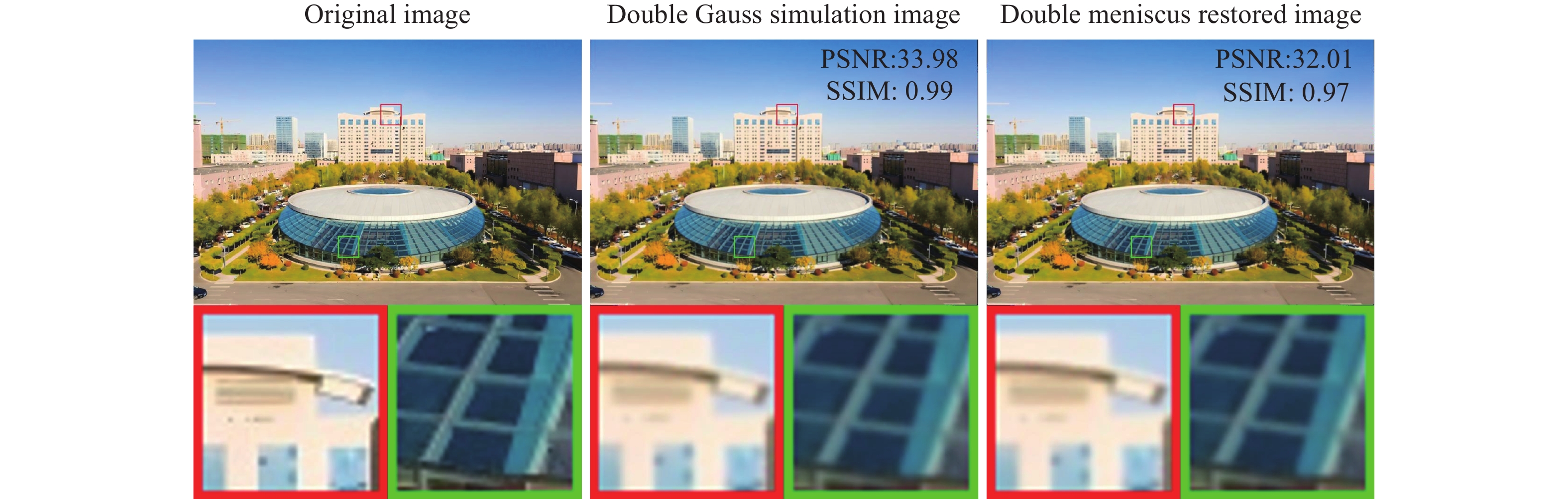
图 12 双高斯光学系统与结合像差校正网络的双弯月系统成像质量对比
Figure 12. Comparison between double Gauss system and corrected double meniscus system
表 1 三阶像差的表达式
Table 1. Expressions of third-order aberrations
Term Expression Spherical $ W(H,\rho ,\theta )={W}_{040}{\rho }^{4} $ Coma $ W(H,\rho ,\theta )={W}_{131}H{\rho }^{3}\cos \theta $ Astigmatism $ W(H,\rho ,\theta )={W}_{222}{H}^{2}{\rho }^{2}{\cos }^{2}\theta $ Field curvature $ W(H,\rho ,\theta )={W}_{220}{H}^{2}{\rho }^{2} $ Distortion $ W(H,\rho ,\theta )={W}_{311}{H}^{3}\rho \cos \theta $ Axial color $ {\Delta }_{\lambda }{W}_{020}={W}_{020}\left({\lambda }_{F}\right)-{W}_{020}\left({\lambda }_{C}\right) $ Lateral color $ {\Delta }_{\lambda }{W}_{111}={W}_{111}\left({\lambda }_{F}\right)-{W}_{111}\left({\lambda }_{C}\right) $  下载: 导出CSV
表 2 不同像差校正方法的定量对比结果
Table 2. Quantitative comparison results of different aberration correction methods
Method TSC MACM PSNR SSIM LPIPS Staged (ours) √ √ 31.47 0.95 0.0964 Integrated (ours) √ 30.46 0.94 0.1102 DeblurGAN-v2 28.85 0.89 0.3621 MPRNet 29.98 0.94 0.2542
下载: 导出CSV
表 3 光学系统基本参数
Table 3. Specifications of optical systems
Parameter Specification Field of view (FOV) 30° Entrance pupil diameter 20 mm Focal length 100 mm Wavelength 486−656 nm
下载: 导出CSV
表 4 不同光学系统图像质量客观评价指标对比
Table 4. Comparison of objective evaluation indicators of image quality in different optical systems
Evaluation
indexDegraded
imageRestored
imageDouble Gauss
systemPSNR 22.48 31.47 34.01 SSIM 0.6304 0.9476 0.9634
下载: 导出CSV
-
[1] 王慎, 刘泉, 国成立, 等. 基于计算全息图零位补偿的同轴高次非球面干涉检测技术研究[J]. 中国光学(中英文), 2025, 18(2): 237-244. doi: 10.37188/CO.2024-0152WANG SH, LIU Q, GUO CH L, et al. CGH null compensation testing of high-order coaxial aspherical surfaces[J]. Chinese Optics, 2025, 18(2): 237-244. (in Chinese). doi: 10.37188/CO.2024-0152 [2] 许恒深, 姜玉婷, 胡跃强. 高性能几何光波导头戴显示器设计[J]. 光学 精密工程, 2026, 34(1): 35-43.XU H SH, JIANG Y T, HU Y Q. Design of high-performance geometric waveguide head-mounted displays[J]. Optics and Precision Engineering, 2026, 34(1): 35-43. (in Chinese). [3] 王翘楚, 耿海涛, 虞林瑶, 等. 红外双波段制冷型变焦Offner型光谱成像系统设计[J]. 中国光学(中英文), 2025, 18(6): 1327-1343. doi: 10.37188/CO.2025-0080WANG Q CH, GENG H T, YU L Y, et al. Design of an infrared dual-band cooled zoom focal Offner-type spectral imaging optical system[J]. Chinese Optics, 2025, 18(6): 1327-1343. (in Chinese). doi: 10.37188/CO.2025-0080 [4] 吴寅, 王跃明, 张东. 星载全谱段高光谱系统设计[J]. 中国光学(中英文), 2025, 18(2): 368-375. doi: 10.37188/CO.2024-0150WU Y, WANG Y M, ZHANG D. Design of spaceborne full-spectrum hyperspectral system[J]. Chinese Optics, 2025, 18(2): 368-375. (in Chinese). doi: 10.37188/CO.2024-0150 [5] 魏雅喆. 计算成像中光学联合设计方法研究[D]. 西安: 西安电子科技大学, 2019.WEI Y ZH. Research on joint optics-image design in computational imaging[D]. Xi’an: Xidian University, 2019. (in Chinese). [6] 王洋, 彭圣博, 顾志远. 含自由曲面的反射式望远镜降敏设计[J]. 光学精密工程, 2025, 33(12): 1864-1875.WANG Y, PENG SH B, GU ZH Y. Desensitization design methods for reflective telescopes with freeform surfaces[J]. Optics and Precision Engineering, 2025, 33(12): 1864-1875. (in Chinese). [7] 刘新宇, 陈雅婷, 吴佳琛, 等. 计算光谱成像系统及光谱重建算法[J]. 光学精密工程, 2026, 34(1): 1-25.LIU X Y, CHEN Y T, WU J CH, et al. Computational spectral imaging systems and reconstruction algorithms[J]. Optics and Precision Engineering, 2026, 34(1): 1-25. (in Chinese). [8] SCHULER C J, HIRSCH M, HARMELING S, et al. Non-stationary correction of optical aberrations[C]. 2011 International Conference on Computer Vision, IEEE, 2011: 659-666. [9] HEIDE F, ROUF M, HULLIN M B, et al. High-quality computational imaging through simple lenses[J]. ACM Transactions on Graphics, 2013, 32(5): 149. doi: 10.1145/2516971.2516974 [10] 郑云达, 黄玮, 徐明飞, 等. 大视场高像质简单光学系统的光学-算法协同设计[J]. 中国光学(中英文), 2019, 12(5): 1090-1099. doi: 10.3788/CO.20191205.1090ZHENG Y D, HUANG W, XU M F, et al. Optical/algorithmic co-design of large-field high-quality simple optical system[J]. Chinese Optics, 2019, 12(5): 1090-1099. (in Chinese). doi: 10.3788/CO.20191205.1090 [11] CHEN SH Q, FENG H J, PAN D X, et al. Optical aberrations correction in postprocessing using imaging simulation[J]. ACM Transactions on Graphics (TOG), 2021, 40(5): 192. doi: 10.1145/3474088 [12] PENG Y F, SUN Q L, DUN X, et al. Learned large field-of-view imaging with thin-plate optics[J]. ACM Transactions on Graphics (TOG), 2019, 38(6): 219. doi: 10.1145/3355089.3356526 [13] NIE Y F, SU R M, ZHANG J G, et al. End-to-end aberration correction network for enhancing miniature microscope resolution[J]. Optics and Lasers in Engineering, 2025, 184(Pt 1): 108558. [14] LI X, SUO J L, ZHANG W H, et al. Universal and flexible optical aberration correction using deep-prior based deconvolution[C]. Proceedings of the IEEE/CVF International Conference on Computer Vision, IEEE, 2021: 2593-2601. [15] RONNEBERGER O, FISCHER P, BROX T. U-Net: convolutional networks for biomedical image segmentation[C]. Proceedings of 18th International Conference on Medical Image Computing and Computer-Assisted Intervention – MICCAI 2015, Springer, 2015: 234-241. [16] ZHOU J W, CHEN SH Q, REN ZH, et al. Revealing the preference for correcting separated aberrations in joint optic-image design[J]. Optics and Lasers in Engineering, 2024, 178: 108220. doi: 10.1016/j.optlaseng.2024.108220 [17] WANG Y H, ZHONG X, QU ZH, et al. Simplified design method for optical imaging systems based on aberration characteristics of optical-digital joint optimization[J]. Applied Optics, 2024, 63(4): 1066-1078. doi: 10.1364/AO.510746 [18] THOMPSON K. Description of the third-order optical aberrations of near-circular pupil optical systems without symmetry[J]. Journal of the Optical Society of America A, 2005, 22(7): 1389-1401. doi: 10.1364/JOSAA.22.001389 [19] SASIÁN J. Introduction to Aberrations in Optical Imaging Systems[M]. Cambridge: Cambridge University Press, 2012. [20] LIU Y K, ZHANG CH Y, KOU T D, et al. End-to-end computational optics with a singlet lens for large depth-of-field imaging[J]. Optics Express, 2021, 29(18): 28530-28548. doi: 10.1364/OE.433067 [21] JI J R, XIE H B, YANG L. Learned large field-of-view imager with a simple spherical optical module[J]. Optics Communications, 2023, 526: 128918. doi: 10.1016/j.optcom.2022.128918 [22] ZHOU J W, REN ZH, CHEN B K, et al. Optical aberration correction of lightweight lenses with one unified paradigm[J]. Optics & Laser Technology, 2025, 188: 112906. doi: 10.1016/j.optlastec.2025.112906 [23] WANG Z Y, SHI R ZH, ZHOU Y, et al. Enhanced aberration correction in minimalist optical systems with the deep attention Wiener network[J]. Applied Optics, 2025, 64(8): 1924-1932. doi: 10.1364/AO.547094 [24] HO J, JAIN A, ABBEEL P. Denoising diffusion probabilistic models[C]. Proceedings of the 34th International Conference on Neural Information Processing Systems, Curran Associates Inc. , 2020: 574. [25] KUPYN O, MARTYNIUK T, WU J R, et al. DeblurGAN-v2: deblurring (orders-of-magnitude) faster and better[C]. Proceedings of the IEEE/CVF International Conference on Computer Vision, IEEE, 2019: 8877-8886. [26] ZAMIR S W, ARORA A, KHAN S, et al. Multi-stage progressive image restoration[C]. Proceedings of the IEEE/CVF Conference on Computer Vision and Pattern Recognition, IEEE, 2021: 14816-14826. [27] WANG C L, CHEN N, HEIDRICH W. dO: a differentiable engine for deep lens design of computational imaging systems[J]. IEEE Transactions on Computational Imaging, 2022, 8: 905-916. doi: 10.1109/TCI.2022.3212837 [28] YANG X G, FU Q, HEIDRICH W. Curriculum learning for ab initio deep learned refractive optics[J]. Nature Communications, 2024, 15(1): 6572. doi: 10.1038/s41467-024-50835-7 -

 下载:
下载:




计量
- 文章访问数: 578
- HTML全文浏览量: 275
- PDF下载量: 77
- 被引次数: 0
